
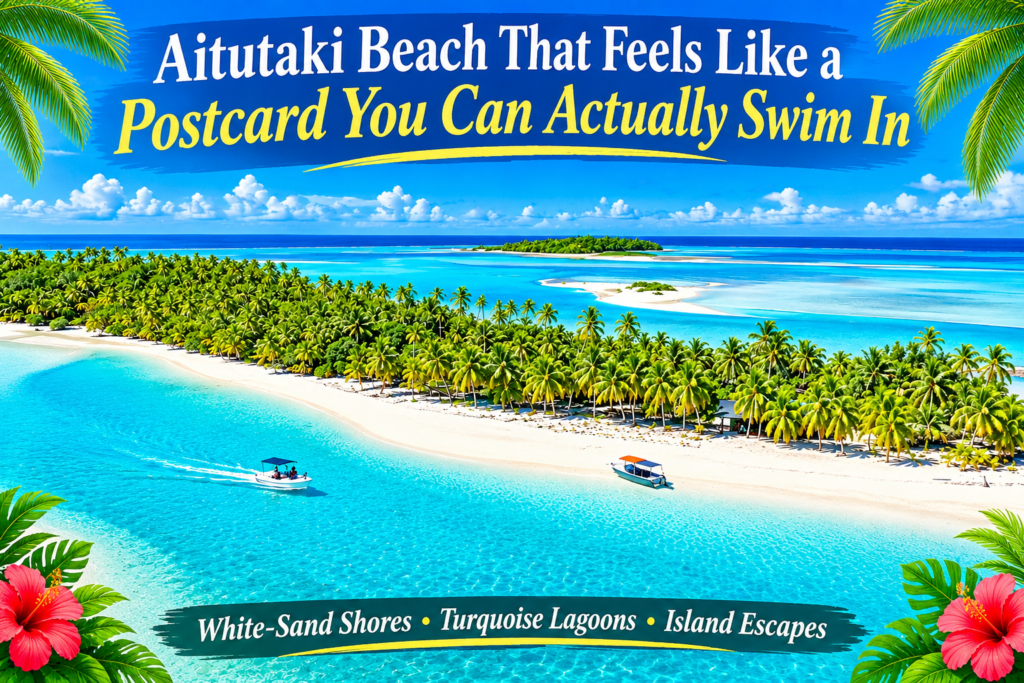
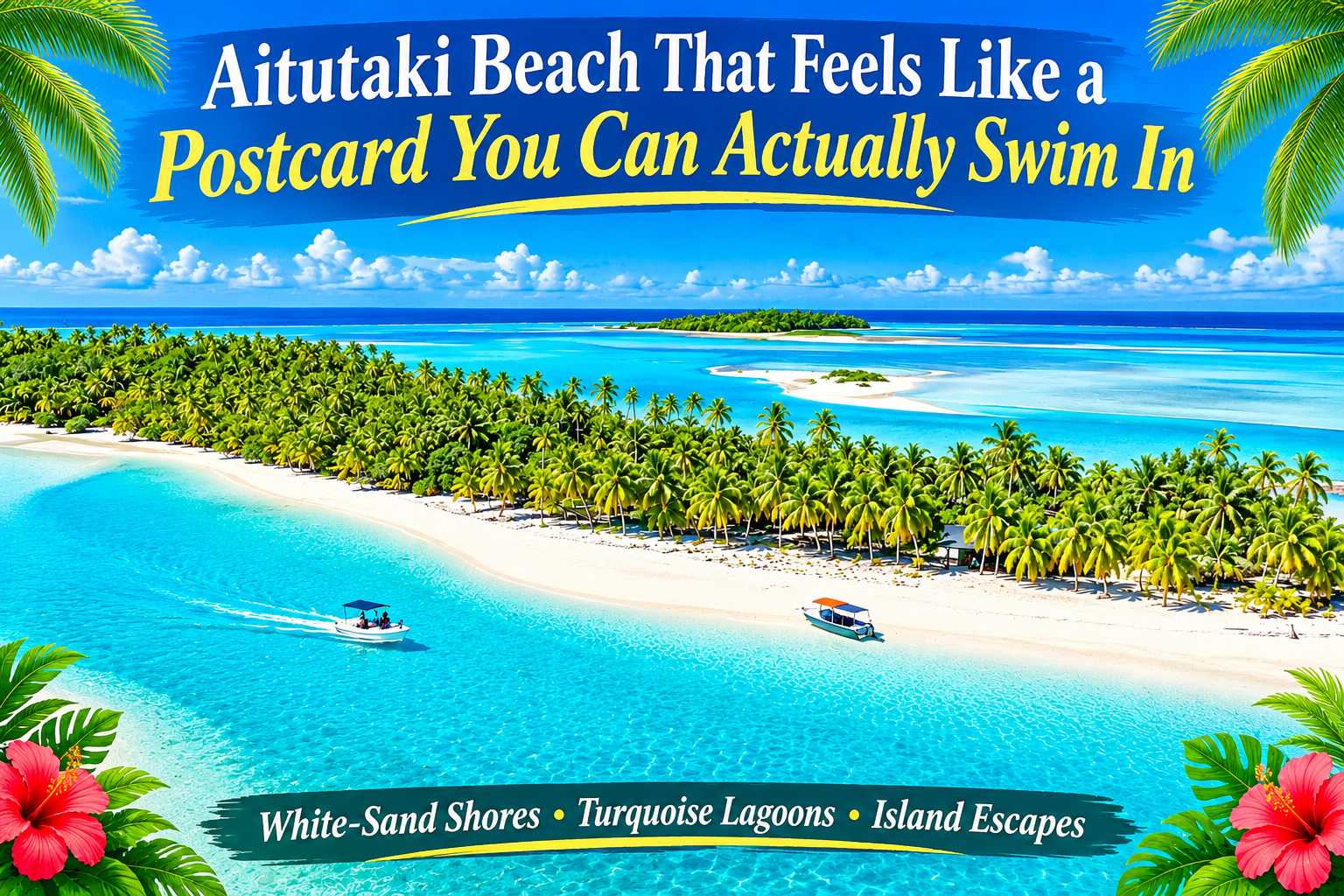
Aitutaki Beach is not one single place, but a ring of white-sand shores and small islets around a turquoise lagoon in the Cook Islands. Ootu Beach, on the main island, is a quiet spot for swimming and sunset walks. One Foot Island and Honeymoon Island sit out in the lagoon, so you need a boat to reach them. The water is shallow and calm, which makes it ideal for snorkelling, kayaking, and easy swims. This guide shows how each Aitutaki Beach compares, what it costs, and how to fit the best spots into your trip.
One Foot Island Aitutaki Guide
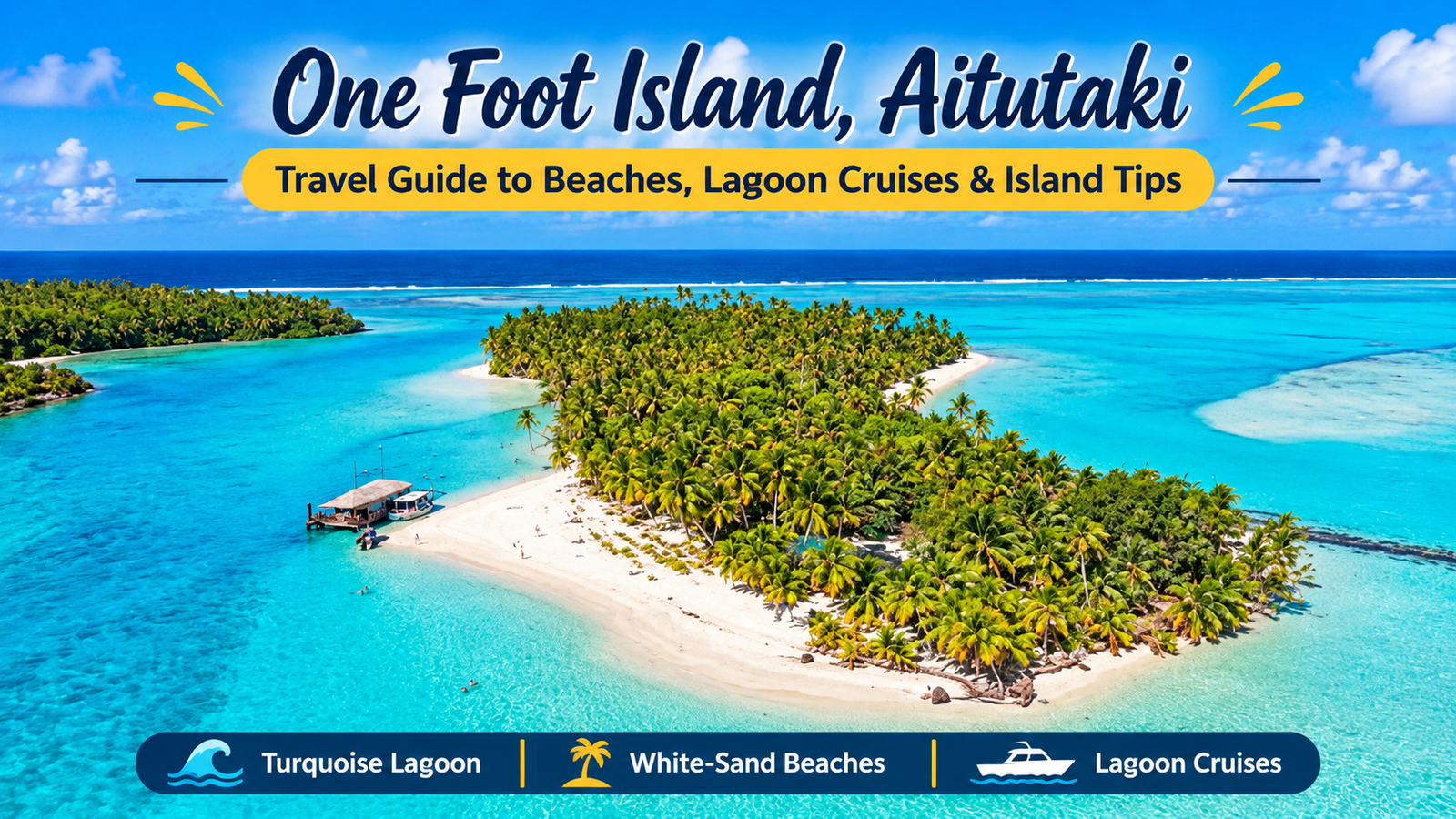
One Foot Island, locally called Tapuaetai, is the motu everyone talks about. It sits near the southern tip of the lagoon, and most lagoon cruises make it their main stop with a longer break here than anywhere else.
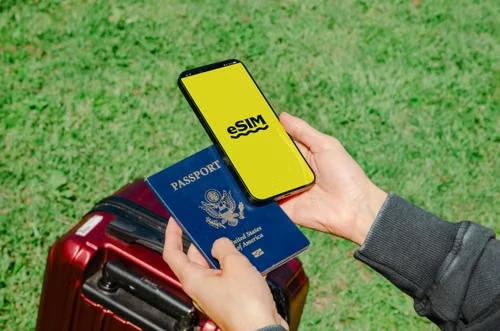
A tiny post office stamps your passport with a foot-shaped mark for a small fee, around $2 USD, a nice personal touch most cruises build time for.
- Bring your passport if you want the stamp, since it’s only available on-site.
- The sand spit off the island is a favorite drone and wide-angle photo spot.
- Shallow, warm water makes it easy for kids and non-swimmers.
- Most full-day cruises include a barbecue lunch here.
It can feel busy during peak tour hours, so ask your operator about timing if you want quieter photos. Want to explore this famous island in more detail? Read our complete One Foot Island Aitutaki Travel Guide for information about its beaches, lagoon cruises, passport stamp, and visitor tips.
Ootu Beach Aitutaki Guide
Ootu Beach sits on the main island, past the airport runway on the Ootu Peninsula. Local guides often call it one of the best beaches reachable without a boat, which makes it a favorite for a first afternoon.
The colors here are striking even though the water can be shallow, so it suits wading more than deep swimming. A beach bar nearby makes it easy to linger.
- Easy access by scooter, bike, or rental car.
- Calm, protected waters suitable for kayaking.
- Good views of boats heading out toward lagoon cruise departures.
- Pleasant sunset spot facing the open lagoon.
For a closer look at this beach, read our complete Ootu Beach Aitutaki Guide, including how to get there, where to stay nearby, and what to do during your visit.
Why Ootu Beach Works for First-Timers
New visitors often start here because no boat or tour booking is needed. You can walk down with your own snorkel gear and get a feel for the lagoon before committing to a full-day cruise.
Honeymoon Island Aitutaki Guide
Honeymoon Island is smaller and quieter than One Foot Island, and it’s become known as a kiteboarding hotspot thanks to shallow water and steady wind. Operators such as Teking Lagoon Cruises and Kia Orana Cruise often include it on their routes.
- Kiteboarders favor it during the windier dry season.
- The beach is small, so it suits a shorter stop.
- Private transfers are available through charters like Black Pearl Charters.
Despite the name, there’s no formal honeymoon tradition tied to the island. It’s simply one of the prettiest, calmest motu in the lagoon.
Akaiami Beach and Maina Island Guide
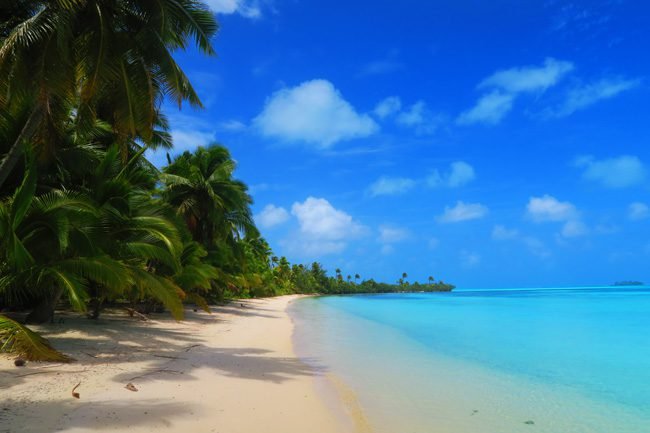
Akaiami has a genuine backstory. It once served as a refueling stop for the TEAL flying boats on the old Coral Route between Fiji and Tahiti, and guides still mention this history on cruise stops.
Today it’s known for calm snorkeling and fish feeding, and some cruises pair it with nearby Maina Island, which is quieter and less visited.
- Akaiami often appears alongside One Foot Island on full-day itineraries.
- Maina suits travelers wanting fewer crowds.
- Both have shallow water ideal for casual snorkeling.
- Akaiami Paradise accommodation allows longer stays on the motu itself.
Aitutaki Lagoon Travel Guide
The lagoon ties every beach together. It’s roughly triangular, with around fifteen motu along its rim. Water stays warm nearly all year, generally between 23°C and 28°C, so getting in rarely feels uncomfortable.
There are no dangerous stingers, and locals swim throughout the lagoon, with the main exception being near reef passages where currents run stronger. Conditions shift with tide and weather, so check with your accommodation before swimming near a passage.
- Many areas are shallow enough to wade rather than swim.
- Visibility is usually excellent outside storm periods.
- Giant clams and reef fish are common near the motu.
Best Aitutaki Lagoon Cruise and Prices
Cruises are the easiest way to see several beaches in one day. Prices vary by operator and boat type.
- The Vaka Cruise lists its lagoon cruise from around NZ$299 per adult, including lunch, snorkel gear, and transfers.
- Smaller shared cruises have been advertised around NZ$120 to NZ$180 for a basic half-day trip.
- Private full-day charters booked through international platforms have ranged roughly $288 to $400+ USD per adult.
- The One Foot Island stamp costs about $2 USD, paid on the island.
Prices shift with season and fuel costs, so confirm directly with operators before booking.
Aitutaki Snorkeling with Giant Clams and Kitesurfing
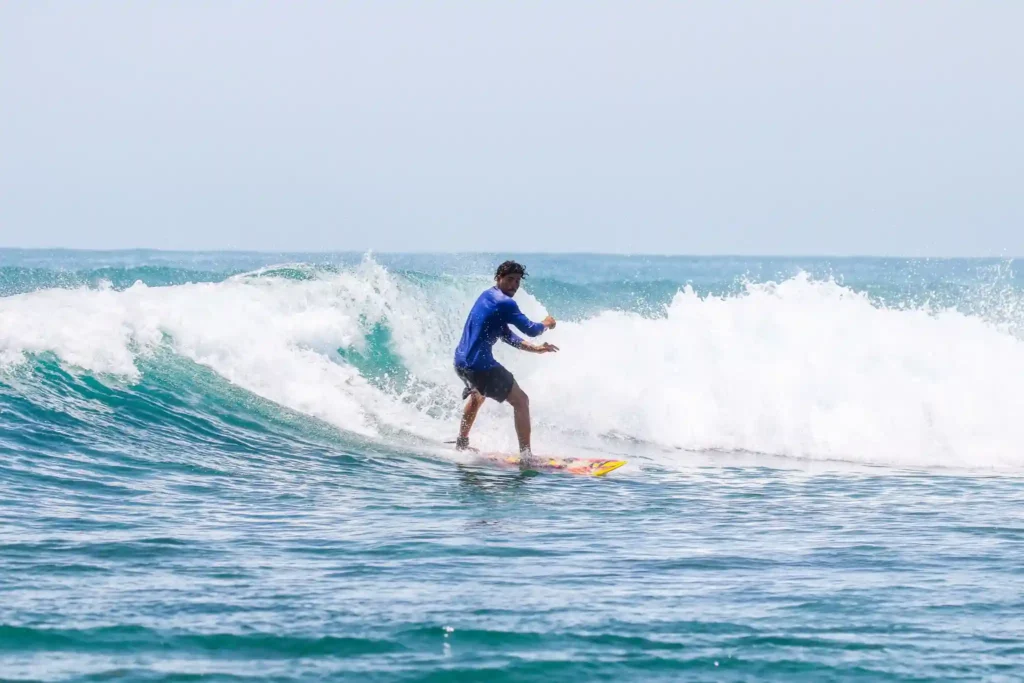
Giant clams near quieter motu are a highlight many visitors don’t expect. For something more active, kitesurfing has grown popular around Honeymoon Island, where the dry season (roughly May to October) brings steadier trade winds.
- Snorkeling: best near motu with calm water and clam reserves.
- Kitesurfing: best around Honeymoon Island in windier months.
- Family wading: Ootu Beach and shallow lagoon edges.
Lessons through local operators are the safer way to try kitesurfing if you’re new to it.
Best Aitutaki Resorts and Honeymoon Accommodation
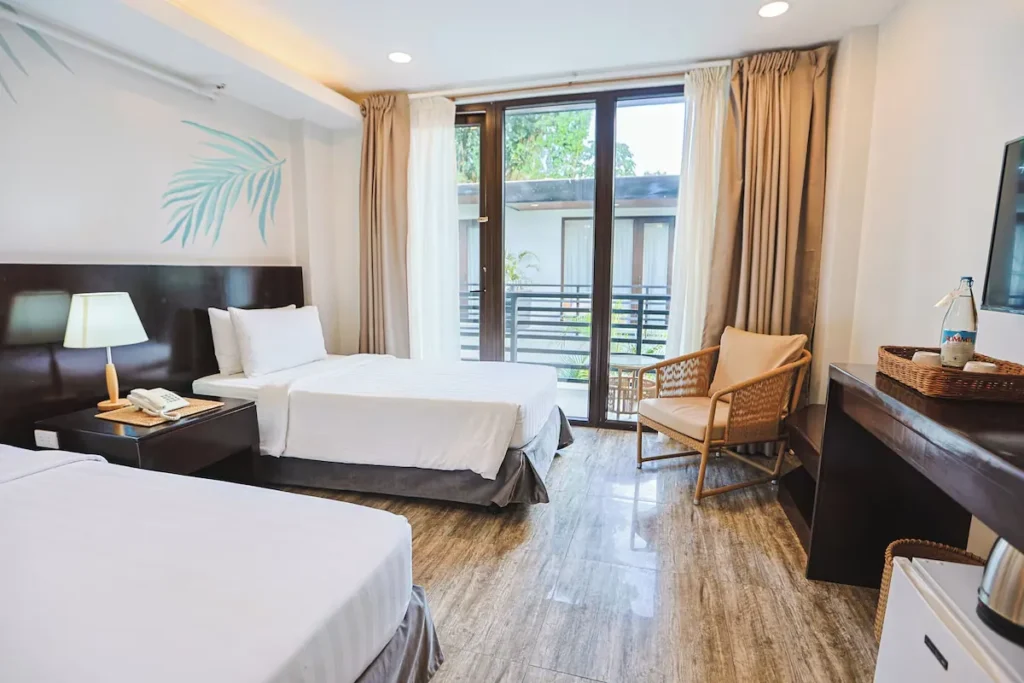
Aitutaki leans toward smaller, quieter resorts rather than large chains, and Aitutaki has built a strong honeymoon reputation partly because of this.
- Basic bungalow-style stays often start around NZ$300 to NZ$400 per night.
- Upscale lagoon-view resorts commonly run NZ$700 or more per night in peak season.
- Prices climb noticeably in July and August.
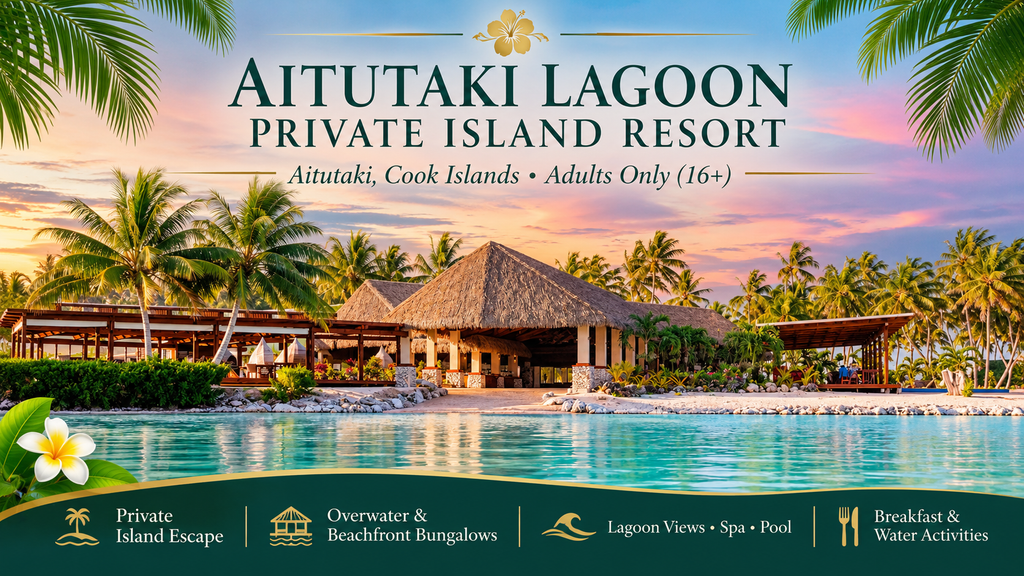
Book ahead for the dry season, especially around Australian and New Zealand school holidays. Escape to a private island paradise surrounded by crystal-clear lagoon waters and tropical beauty.
Enjoy luxurious beachfront stays, breathtaking views, and unforgettable adults-only experiences.
Best Time to Visit Aitutaki
- Dry season (May to October): cooler, steadier winds, generally the best window for snorkeling and cruises.
- Wet season (November to April): warmer, more humid, with higher rain chances and some cyclone risk early on. Accommodation can be cheaper.
- Shoulder months (April, May, September, October): often a good balance of decent weather and fewer crowds.
Check an official weather source closer to your travel dates, since patterns shift year to year.
How to Get to Aitutaki and Day Trips from Rarotonga
There’s no international flight straight to Aitutaki, so every trip starts in Rarotonga. Air Rarotonga runs the only scheduled domestic flights, taking about 50 minutes to cover roughly 163 miles.
- Multiple flights run most days of the week.
- Round-trip fares reported by flight comparison sites have ranged roughly $280 to $475 USD, depending on season.
- Booking ahead generally secures better pricing.
- Day trips from Rarotonga typically bundle the flight with an island tour and lagoon cruise.
If you can manage it, staying a night or two is worth it rather than rushing through on a day trip.
Aitutaki vs Rarotonga Comparison
- Beaches and lagoon: Aitutaki wins, with calmer, more dramatic colors.
- Variety and nightlife: Rarotonga offers more restaurants and an easy ring road.
- Snorkeling: generally stronger around Aitutaki’s motu.
- Diving and turtles: more associated with Rarotonga’s reef access.
- Budget: Rarotonga tends to be cheaper overall.
- Pace: Aitutaki is slower and quieter.
Many visitors split their trip between both. If you only have time for one, it comes down to variety versus that single unforgettable lagoon.
FAQs
Is Aitutaki Beach good for swimming?
Yes, most lagoon beaches are calm and shallow. Stronger currents are mainly limited to reef passages, so check local advice before swimming there.
Do I need a tour to visit One Foot Island?
Most visitors reach it through a lagoon cruise or private charter, since there’s no regular public ferry.
How much does a lagoon cruise cost in Aitutaki?
Prices range from around NZ$120 for smaller shared cruises up to $400 USD or more for private charters. Confirm with operators closer to your dates.
What is the best month to visit Aitutaki for calm weather?
The dry season, roughly May through October, generally offers the calmest seas and clearest skies.
Can I visit Aitutaki as a day trip from Rarotonga?
Yes, day trips usually combine the Air Rarotonga flight with an island tour and lagoon cruise, though staying overnight gives more time to relax.
2 Responses