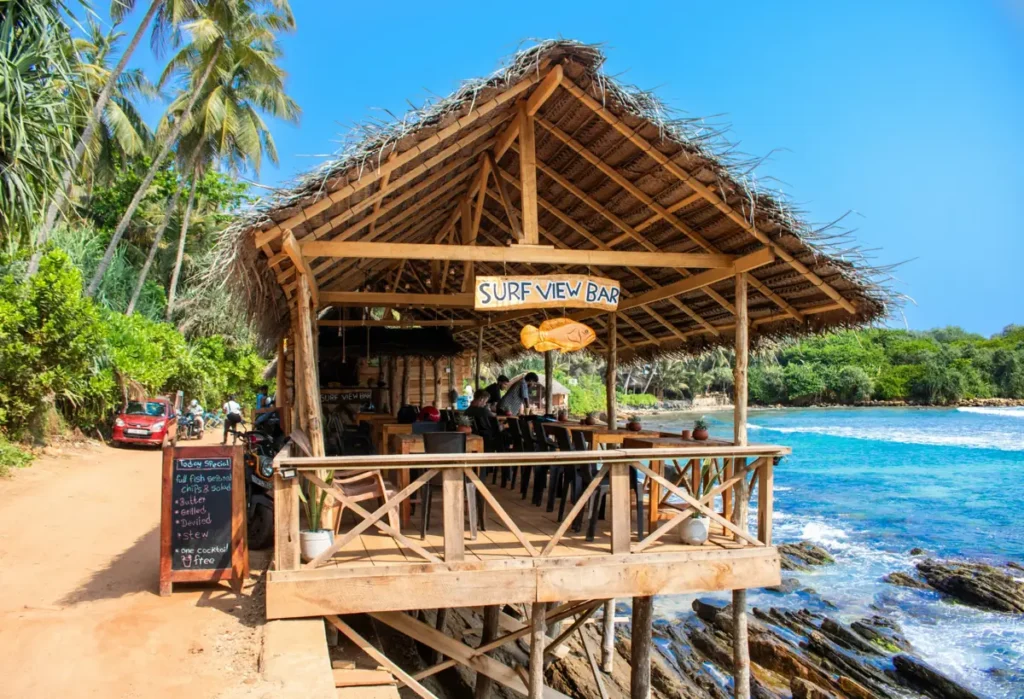
Hiriketiya hidden beaches nearby sit just a short ride from the main bay, and most tourists never visit them. You can reach these Hiriketiya hidden beaches nearby in ten to fifteen minutes by tuk-tuk or scooter, using simple roads that are easy to follow. Each beach has soft sand, clear water, and very few visitors, even during high season. If you want a quiet beach day away from the crowds, these hidden spots near Hiriketiya are worth the short trip.
Why Explore Hidden Beaches Around Hiriketiya?
Quick Answer: The beaches surrounding Hiriketiya offer dramatic rock formations, untouched reef systems, and complete solitude, experiences that the main beach simply cannot offer due to growing foot traffic.
Hiriketiya itself has seen a surge in popularity over the last five years. While it remains beautiful, mornings now bring yoga retreat crowds, and weekends fill up fast. The surrounding coastline, however, has barely changed. Villages remain fishing communities. Rocks remain unclimbed. Coves remain unnamed.
Here’s why the hidden beaches near Hiriketiya deserve your attention:
- Zero commercialization; no sun-lounger rental touts, no neon beach bars
- Pristine marine ecosystems; shallow reefs teeming with fish just meters from shore
- Local cultural immersion; boat builders, fishermen, and temple communities that welcome curious visitors
- Dramatic geology: volcanic rock formations, tide pools, and natural arches
| Factor | Hiriketiya Main Beach | Nearby Hidden Beaches |
| Crowd Level | Moderate–High | Very Low |
| Commercial Facilities | Cafes, Restaurants, Surf Schools | Minimal to None |
| Natural Authenticity | Good | Exceptional |
| Swimming Safety | Generally Safe | Varies by Location |
| Best For | Surfing, Socializing | Solitude, Exploration |
Silent Beach: A Peaceful Escape from Crowds
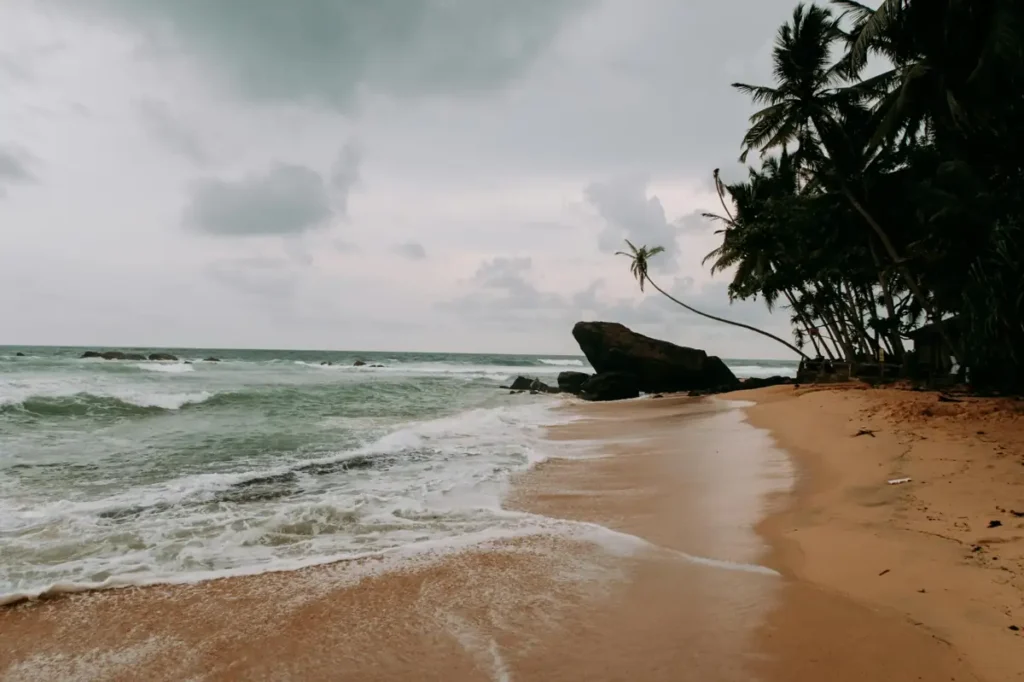
Quick Answer: Silent Beach sits roughly 1.2 km west of Hiriketiya’s main bay and is accessible via a narrow footpath through coastal scrubland. Best visited at low tide.
The name is not metaphorical. Silent Beach earns its title every single morning when the only sounds are waves pulling across smooth pebbles and the occasional call of a kingfisher overhead. This is one of the most rewarding Hiriketiya secret coves you can reach on foot, making it accessible to any traveler willing to walk twenty minutes from the main road.
The beach is framed by two large granite outcroppings that funnel the Indian Ocean swell into a sheltered channel. The result is a natural pool effect during low tide, warm, clear, and rarely deeper than chest height. Snorkeling here without any equipment is possible in the right conditions, with small reef fish visible in the shallows.
What makes Silent Beach special:
- Completely shaded by mid-afternoon due to its western orientation
- The rock face on the right contains fascinating tidal markings from centuries of wave action
- A small freshwater stream occasionally trickles across the sand, especially after rain
- Monkeys from the adjacent jungle line visit frequently, keep food stored securely
Experienced local guides working out of Hiriketiya village often reference Silent Beach when speaking about their “regulars”, repeat visitors who’ve been returning for years. That kind of loyalty speaks volumes.
Blue Beach Island: A Unique Hidden Gem Experience
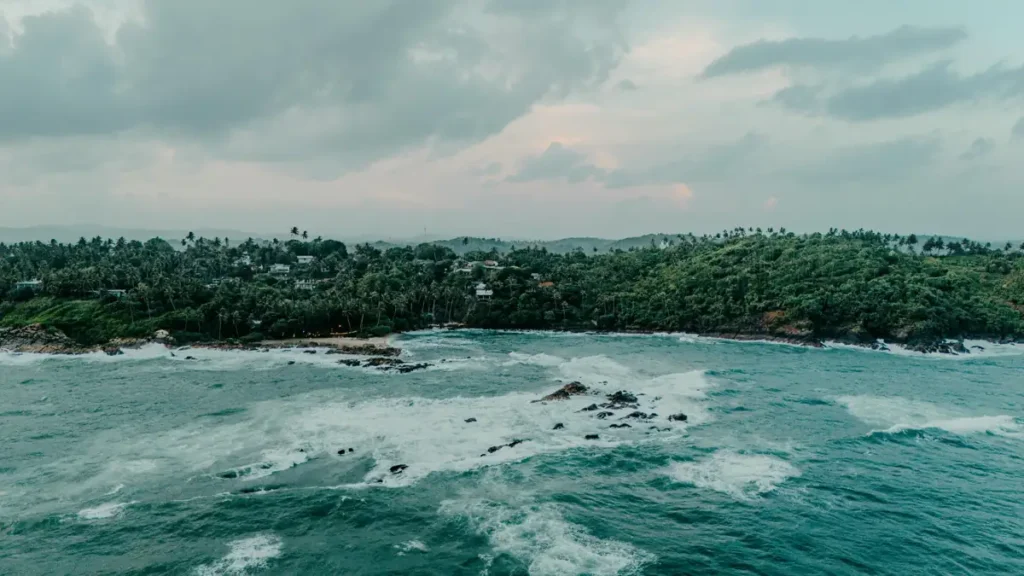
Quick Answer: Blue Beach Island is a tidal sandbar that appears at low tide approximately 400 meters offshore from the coast south of Hiriketiya. It is accessible by local fishing boat or by wading during extreme low tides.
Few experiences along Sri Lanka’s southern coast match the surreal sensation of standing on a sandbar island surrounded by turquoise water, watching Hiriketiya’s coconut palms shimmer in the distance. Blue Beach Island is exactly that experience, and almost nobody talks about it.
The island itself is no more than 80 meters long at its widest exposure during spring low tides. But the color of the water surrounding it is genuinely extraordinary: a layered gradient from near-white in the shallows to deep cobalt beyond the reef edge. Locals who fish these waters have their own name for the formation, referring to it as a place where turtles rest before heading south.
This is one of the finest examples of Hiriketiya offshore exploration available to visitors, and it requires almost no planning; simply arrange a short boat trip with one of the fishing families based at Kudawella Blow Hole car park.
| Tide Condition | Island Accessibility | Water Clarity | Wildlife Activity |
| High Tide | Submerged | Low (turbulent) | Moderate |
| Mid Tide | Partially Visible | Good | Good |
| Low Tide | Fully Exposed | Excellent | High (turtles, reef fish) |
| Spring Low Tide | Maximum Exposure | Exceptional | Peak |
Dickwella Beach Corners: Lesser-Known Quiet Spots
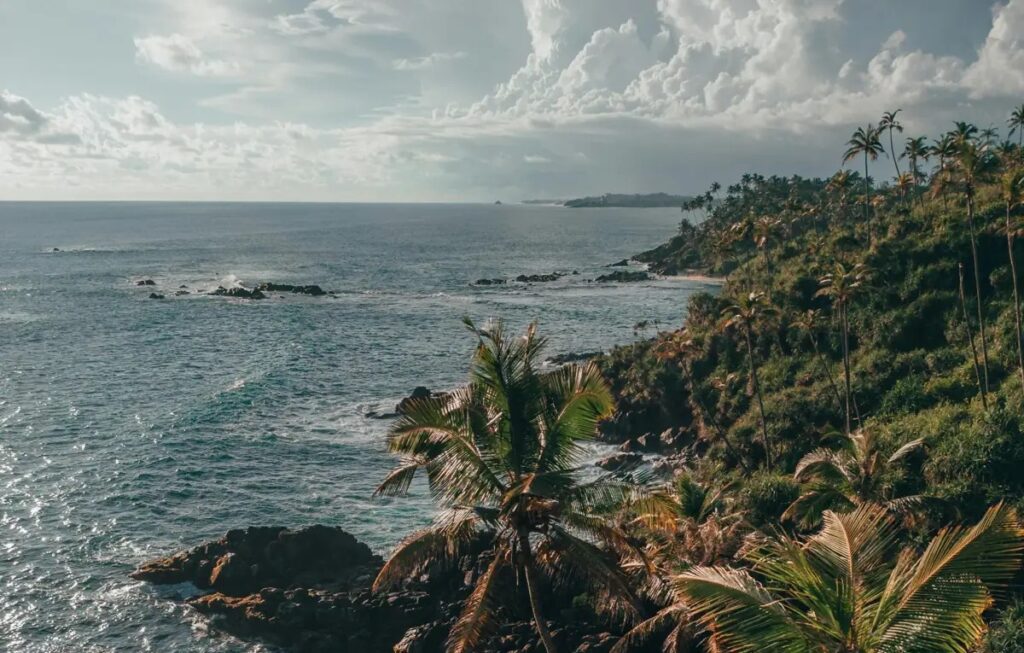
Dickwella town sits a short tuk-tuk ride from Hiriketiya, and most visitors speed through it on the way to Weligama. That is a significant mistake. The eastern edges of Dickwella Beach, particularly the stretch beginning 300 meters past the main tourist viewpoint, transition into a series of quiet coastal pockets that feel a world away from the main drag.
These lesser-known Dickwella corners represent some of the best offbeat beaches near Hiriketiya for families and photographers alike. The sand here is coarser and darker than Hiriketiya’s soft bay, but the relative emptiness more than compensates. Local fishermen pull their boats ashore here each morning, and if you arrive between 6:00 and 7:30 AM, you’ll witness one of southern Sri Lanka’s most authentic daily rituals.
The eastern rocks at Dickwella also offer some of the best rock-pool exploration on this coastline. Sea urchins, starfish, and small octopus are all visible during low tide walks, making this an ideal spot for travelers with children.
Kudawella Beach: Raw Beauty and Local Vibes
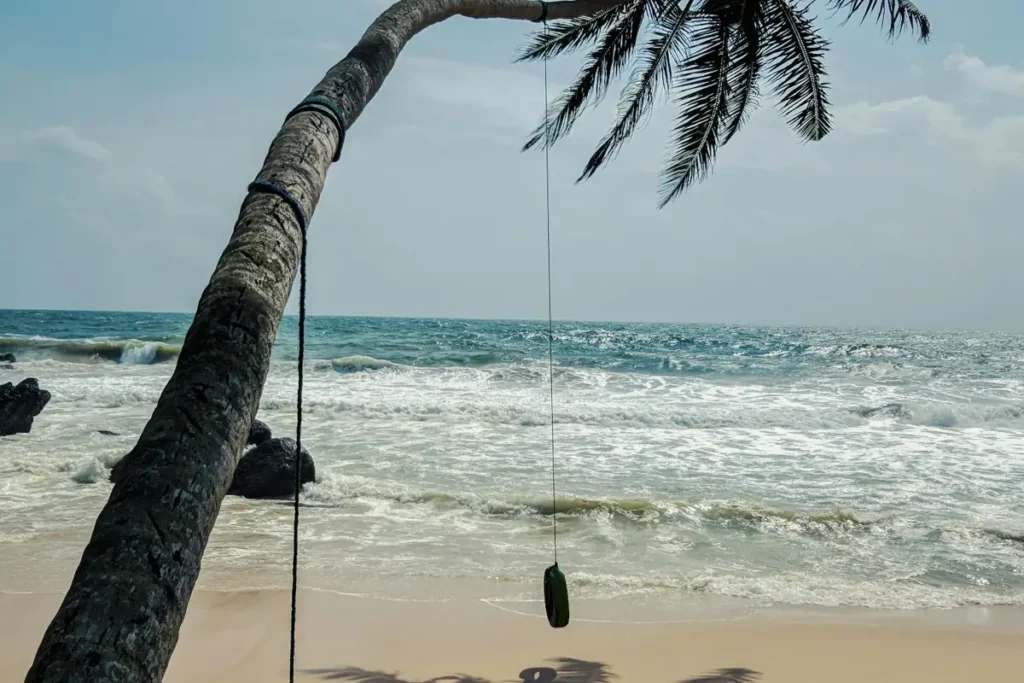
Quick Answer: Kudawella Beach is located adjacent to the famous Hummanaya Blow Hole, approximately 4 km from Hiriketiya. It offers an uncrowded, rocky coastline with exceptional ocean power and a strong local fishing culture.
Kudawella does not try to impress you. There are no manicured palm rows, no artisan coffee shops, no curated sunsets from designated viewpoints. What Kudawella offers instead is something increasingly rare: pure, unmediated coastal energy. The waves here arrive with the full force of the open Indian Ocean and crash against black volcanic rocks with a ferocity that is both humbling and genuinely thrilling.
This is one of the most underrated secret beaches near Hiriketiya, and it functions on an entirely different frequency from the surf-lodge scene just a few kilometers away. The local community here is welcoming but not performance-oriented; they are not in the business of catering to tourists, which paradoxically makes the experience richer.
Swimming at Kudawella requires caution. The rip currents along the main stretch are powerful and unpredictable. However, a small protected cove approximately 200 meters south of the blowhole provides calmer conditions and occasional good snorkeling during neap tides.
Hiriketiya East Side: Secret Calm Stretches
Quick Answer: The eastern edge of Hiriketiya Bay, accessible via the coastal path past the last guesthouse row, opens into progressively quieter rock shelves and small sandy pockets that see a fraction of the main beach traffic.
Most visitors to Hiriketiya never walk past the main bay’s eastern headland. That headland, however, marks the beginning of a surprisingly generous coastal stretch that continues for nearly two kilometers before the terrain becomes impassable without climbing gear.
The rock shelves along Hiriketiya’s east side are exceptional for morning meditation, tide pool exploration, and watching spinner dolphins, which frequently feed just offshore in the early hours. The dolphins are not guaranteed, but during October through March, sightings from these eastern rocks happen with remarkable regularity. Several marine researchers have noted that the underwater topography here creates favorable feeding conditions that attract cetaceans.
The small sandy pockets tucked between rock formations are among the finest examples of hiriketiya hidden beaches nearby that reward patient exploration. None of them appear on maps. All of them are worth finding.
Best Time to Visit Hidden Beaches Near Hiriketiya
| Season | Months | Sea Conditions | Beach Access | Crowd Level |
| Peak Dry Season | December – March | Calm, excellent visibility | Optimal | Low–Moderate |
| Shoulder Season | April – May | Variable, manageable | Good | Very Low |
| Southwest Monsoon | June – August | Rough, limited swimming | Restricted | Near Empty |
| Post-Monsoon | September – November | Improving, fresh | Generally Good | Low |
The absolute sweet spot for exploring Hiriketiya’s nearby secret beaches is January through early March. The sea is calm, the air is dry, and the lighting for photography during golden hour is genuinely spectacular. December sees some increase in visitor numbers around Hiriketiya itself, but the surrounding secret spots remain largely unaffected.
Travel Tips for Exploring Offbeat Coastal Spots

Visiting undeveloped coastal areas requires a different mindset from standard beach tourism. These tips come directly from experience exploring this coastline:
- Hire a local guide for your first visit. The coastal paths between spots are unmarked, and a guide adds safety, context, and genuine cultural depth to the experience.
- Carry everything you need. No shops, no vendors, and no facilities exist at most of these locations. Water, sun protection, snacks, and a basic first aid kit are essential.
- Time your visits around tides. Many of the best spots, Blue Beach Island, particularly, are entirely tide-dependent. Download a local tide chart app before arriving.
- Respect local fishing operations. Do not walk through active net-pulling or boat-landing areas. Wait for fishermen to clear before approaching the water’s edge.
- Leave absolutely nothing behind. These beaches are pristine precisely because they see so few visitors. The responsibility for keeping them that way rests with each visitor.
A reliable tuk-tuk driver based in Hiriketiya village, ask at your guesthouse, will know which spots are accessible on a given day depending on weather and sea conditions. Their local knowledge is genuinely invaluable.
Things to Do at Hidden Beaches Around Hiriketiya
The hidden beaches near Hiriketiya are not passive destinations. They reward active engagement:
- Snorkeling at Silent Beach and Blue Beach Island during low tide
- Rock pool exploration at Dickwella corners and Hiriketiya east side
- Wildlife watching; dolphins offshore, monitor lizards in coastal scrub, kingfishers along freshwater streams
- Photography; the geology and light conditions around these beaches are world-class for landscape photography
- Freediving for experienced practitioners in the deeper channels near Blue Beach Island
- Cultural observation Morning fishing rituals at Kudawella are among the most authentic experiences available
What you will not find is organized water sports rental, beach volleyball nets, or cocktail service. Consider that a feature, not a limitation.
Safety Tips for Secluded Beach Visits
Quick Answer: Always check sea conditions before visiting remote beaches near Hiriketiya, inform your accommodation of your plans, never swim alone at unknown spots, and be aware of rip currents along the exposed western-facing coasts.
Safety at undeveloped beaches requires active awareness rather than reliance on infrastructure:
- Never swim at an unfamiliar beach without assessing conditions first. Watch the water for ten minutes before entering. Observe wave patterns, check for rip current channels (areas of darker, calmer water running perpendicular to shore), and note the exit options.
- Footwear is essential. The rock surfaces between beaches contain sharp volcanic material and sea urchin spines. Reef shoes or sturdy sandals protect against injury that would end your trip prematurely.
- Mobile signal is inconsistent. Download offline maps covering the Hiriketiya–Dickwella–Kudawella coastal strip before you leave accommodation.
- Carry a charged power bank. If you need emergency assistance, your phone must be functional.
- Respect “no entry” signs near private land. Some coastal paths pass through property boundaries where landowners have erected barriers. These should be respected without exception.
The risks at these beaches are manageable with preparation. Thousands of experienced travelers explore this coastline every year without incident precisely because they take these precautions seriously.
Planning a trip to Sri Lanka? Don’t miss this complete guide to Hiriketiya Beach, one of the country’s best spots for surfing, cafés, and laid-back coastal vibes.
Are Hidden Beaches Near Hiriketiya Worth Exploring?
Unequivocally, yes, and not just worth it, but arguably the most rewarding coastal experience available anywhere in southern Sri Lanka for the traveler who values authenticity over convenience.
The hiriketiya hidden beaches nearby offer something that no amount of resort infrastructure can manufacture: the genuine feeling of discovery. Whether it is standing alone on Blue Beach Island at low tide, watching the light change on Kudawella’s volcanic rock at dusk, or finding a private sandy pocket along Hiriketiya’s east side while the main beach buzzes a kilometer away, these experiences create lasting memories rather than temporary entertainment.
They require a little more effort, a little more planning, and a little more comfort with uncertainty. In return, they deliver coastal Sri Lanka as it has existed for centuries, raw, generous, and entirely on its own terms.
Frequently Asked Questions
Q1: What are the best hidden beaches near Hiriketiya Beach?
The most rewarding hidden beaches near Hiriketiya include Silent Beach (accessible on foot), Blue Beach Island (tidal sandbar offshore), the eastern Dickwella corners, Kudawella Beach near the blow hole, and the quiet rock shelves along Hiriketiya’s eastern headland.
Q2: How do I get to Silent Beach from Hiriketiya?
Silent Beach is approximately 1.2 km west of Hiriketiya’s main bay. Follow the coastal footpath heading west from the far end of the bay. The walk takes around 20 minutes. Best visited during low tide for easiest access across the rocks.
Q3: Is Blue Beach Island safe to visit?
Yes, with proper tide awareness. The island is only accessible at low tide. Arrange a boat with local fishermen at Kudawella for the safest and most comfortable crossing. Swimming conditions around the island are excellent during spring low tides.
Q4: What is the best time of year to visit hidden beaches near Hiriketiya?
January through March offers the best conditions, calm seas, clear water, and excellent visibility for snorkeling. The southwest monsoon (June–August) makes several spots inaccessible or unsafe.
Q5: Are the hidden beaches near Hiriketiya free to access?
Most are free of charge and require no entrance fee. You may choose to pay a local guide (recommended for first-time visitors), and boat trips to Blue Beach Island involve a small negotiated fee with local fishermen, typically very reasonable.
Q6: Can I swim at Kudawella Beach?
Swimming at the main Kudawella stretch is not recommended due to powerful rip currents. A protected cove approximately 200 meters south of the blowhole provides calmer conditions suitable for swimming during neap tides.