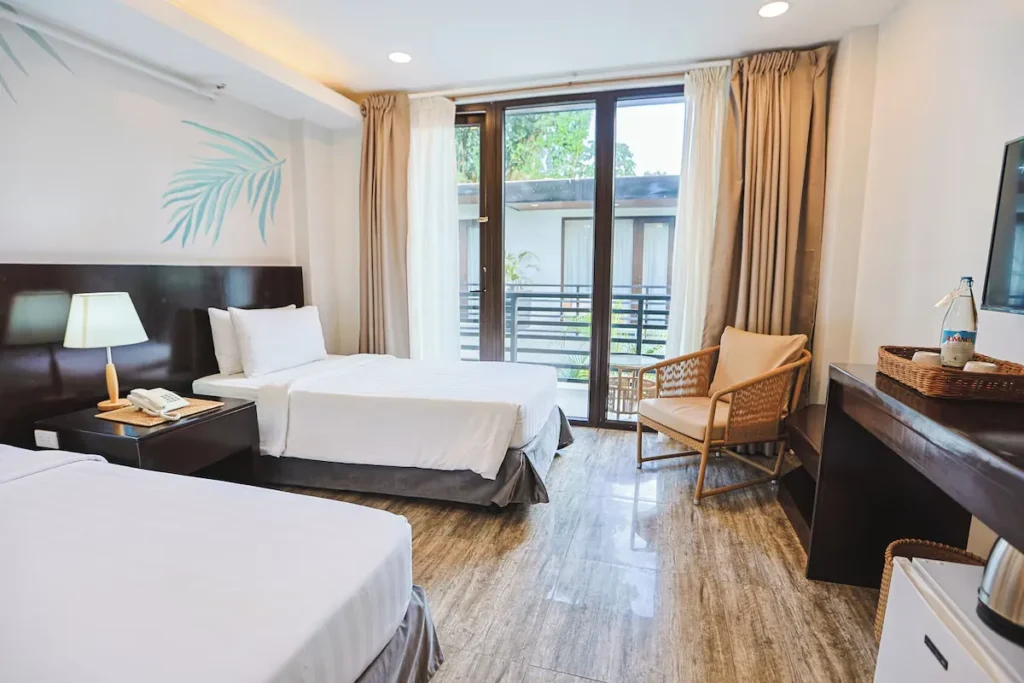

Con Dao and Phu Quoc are two popular islands in Vietnam, but they are very different. Con Dao is a small, quiet island with clear water, green forests, and few tourists, so it is good for people who want peace and nature. Phu Quoc is a big island with many resorts, restaurants, bars, and shopping areas, so it is good for people who want fun and comfort.
Never been to Con Dao before? Here’s everything you actually need to know, from the best beaches and how to get around to the local tips most tourists miss. Check out the full Con Dao Vietnam travel guide before you pack your bags.
Con Dao has calm beaches and rich marine life, while Phu Quoc has busy beaches and modern entertainment. When you compare Con Dao vs Phu Quoc, the main difference is simple: Con Dao offers a slow and natural experience, and Phu Quoc offers a lively and easy vacation. This is why the choice between Con Dao vs Phu Quoc depends on what kind of trip you want.
Overview of Con Dao and Phu Quoc
Con Dao is a quiet group of 16 islands located around 185 km off the southern coast of Vietnam. Once known for its harsh prison camps during French colonial times and the Vietnam War, the islands still carry a strong sense of history and remembrance. At the same time, Con Dao is home to some of Vietnam’s most untouched beaches and natural landscapes. To protect its peaceful atmosphere and environment, tourism here has been kept limited and more exclusive.
Meanwhile, Phu Quoc lies in the Gulf of Thailand near the Cambodian border. As Vietnam’s largest island, it has seen rapid development over the last decade. After receiving special economic zone status in 2018, huge investments poured into roads, luxury resorts, entertainment complexes, and tourism infrastructure. Today, Phu Quoc has become one of Vietnam’s busiest island destinations, attracting millions of visitors each year.
Where Are They Located and How Do You Get There?
Getting to Con Dao is more challenging, which helps preserve its quiet, untouched feel. Flights from Ho Chi Minh City take about 45 minutes, but the short runway means only small aircraft can operate there. Tickets are often expensive and sell out quickly in peak season. Ferries from Vung Tau are available but less popular due to the long journey.
Phu Quoc is far easier to reach. Its international airport offers frequent domestic and international connections, with flights from Ho Chi Minh City taking under an hour. Budget carriers like VietJet Air also keep fares competitive, and fast ferries from Ha Tien provide another convenient option.
Best Time to Visit

For Con Dao, the dry season runs from November to April. The sea is calm, visibility is great for diving, and the beaches are at their best. From May to October, strong winds and rough seas make some areas inaccessible. Meanwhile, Phu Quoc’s dry season is from November to April as well, but because it is more sheltered, even the wet season between May and October still sees plenty of sunshine with short afternoon showers rather than full rain days.
| Feature | Con Dao | Phu Quoc |
| Location | 185 km off the south coast | Gulf of Thailand |
| Nearest city | Vung Tau / Ho Chi Minh City | Ha Tien / Ho Chi Minh City |
| Flight time from HCMC | ~45 min (small aircraft) | ~55 min (major airport) |
| Dry season | Nov – Apr | Nov – Apr |
| Annual visitors (approx.) | ~150,000 | ~5 million+ |
Which Island Has Better Beaches?
Con Dao wins this one easily if you want pure, untouched beauty. Phu Quoc wins if you want amenities, water sports, and easy beach access with food and drinks nearby.
Beaches Comparison
Beaches in Con Dao
The beaches in Con Dao stand out as some of the cleanest and most unspoiled coastal areas in Vietnam. After visiting the island and exploring several of its beaches firsthand, it’s easy to understand why Dam Trau Beach is so often described as the island’s most beautiful stretch of sand. The water is remarkably clear, the sand is soft and bright white, and unlike many popular beach destinations in Southeast Asia, the shoreline remains peaceful without rows of vendors, loud beach bars, or overcrowded loungers.
Other beaches, including Lo Voi Beach and Bai Nhat Beach, offer the same untouched atmosphere and natural beauty. One of the biggest reasons these beaches have remained so pristine is their protected status within Con Dao National Park. Strict environmental regulations limit large-scale development and help preserve the island’s fragile marine and coastal ecosystems. The area’s ecological importance has also been acknowledged by both the Vietnamese government and UNESCO, reinforcing conservation efforts that keep much of Con Dao’s coastline in its natural state.
Beaches in Phu Quoc
Phu Quoc’s most famous stretch is Long Beach, which runs along the western coast and is lined with resorts, restaurants, and bars. Further north, Ong Lang Beach feels more relaxed, and Sao Beach in the south is consistently rated as one of Vietnam’s most beautiful beaches by outlets like Lonely Planet and CNN Travel. However, from my experience, the water clarity at Sao Beach is stunning, but the beach itself has become noticeably busier over the last few years. Some parts of Long Beach have also suffered from overdevelopment and erosion.
Nature, Diving, and Outdoor Activities
According to official data from Vietnam National Parks, Con Dao National Park protects nearly 80% of the island and more than 14,000 hectares of marine ecosystems, home to over 1,000 marine species, including dugongs and hawksbill sea turtles. Between May and September, female turtles nest on Dam Trau Beach, something I was fortunate enough to witness myself, and it was genuinely unforgettable.
The diving and snorkeling here are among the best I’ve experienced in Vietnam, with visibility often exceeding 20 meters and coral reefs that still feel healthy and untouched.
Phu Quoc also offers great marine activities around An Thoi Archipelago, plus family-friendly attractions like the Hon Thom Cable Car. However, several dive operators told me that heavy tourism and boat traffic have affected reefs near the main island, with better snorkeling and marine life now mostly found around the outer islands like Hon Thom.
Accommodation Options
Luxury Resorts in Con Dao
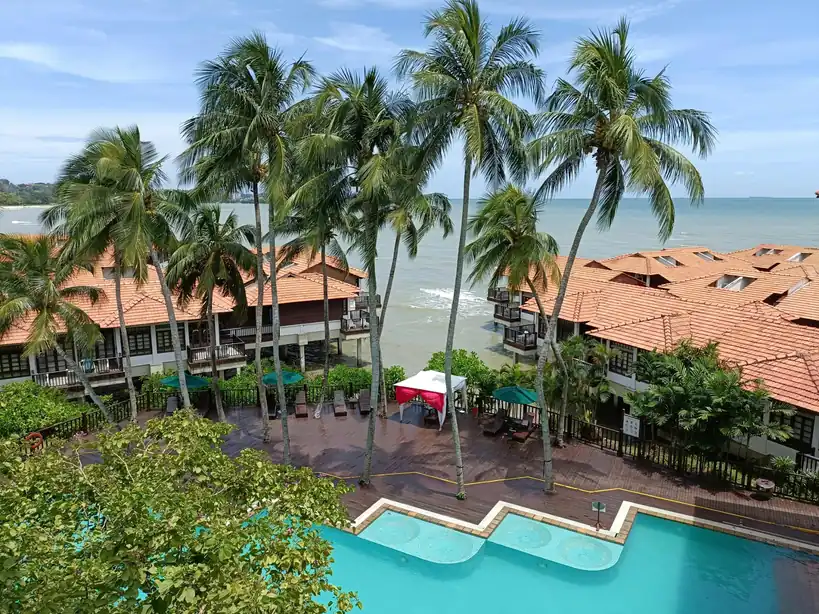
Six Senses Con Dao is one of those rare places that truly lives up to the hype. Known for its eco-luxury experience and stunning beachfront setting, it’s often ranked among the top resorts in Southeast Asia. Another excellent option on the island is Poulo Condor Boutique Resort and Spa, which offers a more intimate and relaxed atmosphere.
Luxury stays in Con Dao don’t come cheap, especially during peak travel months, when villas at Six Senses can easily cost $400+ per night. Still, for travelers looking for privacy, nature, and a memorable high-end escape, many feel the experience is absolutely worth it.
Budget and Mid-Range Options in Phu Quoc

Phu Quoc has accommodation at every price point. Budget guesthouses in Duong Dong town start around $15–$25 per night, mid-range beachfront hotels are $50–$120, and five-star resorts like JW Marriott, InterContinental, and Fusion Resort can go from $200 to $600 per night. The sheer variety means Phu Quoc genuinely works for backpackers, families, and luxury travelers alike.
| Category | Con Dao (avg/night) | Phu Quoc (avg/night) |
| Budget | Limited options, ~$30–$50 | Guesthouses from $15–$25 |
| Mid-range | $80–$150 | $50–$120 |
| Luxury | $300–$600+ | $200–$600+ |
| Best luxury brand | Six Senses Con Dao | JW Marriott / InterContinental |
Food and Nightlife
Local Food in Con Dao
Con Dao’s food scene may be small, but it’s genuinely impressive. Most restaurants are clustered around Con Dao town, and thanks to the island’s remote location, the seafood is incredibly fresh. One of my favorite meals in Vietnam was grilled mantis shrimp from a tiny local spot near the market — it cost under $5 and tasted amazing. There are also a handful of upscale dining options inside the island’s resorts. That said, if you’re expecting a lively nightlife scene, Con Dao is pretty quiet. Most places shut down by around 10 PM, and that’s just how the island is.
Night Markets and Seafood in Phu Quoc

Phu Quoc’s Dinh Cau Night Market is one of the most enjoyable evening experiences on the island. The stalls stretch along the waterfront, selling grilled scallops, fresh crab, sea urchin, and local noodle dishes at very reasonable prices. Beyond the market, Duong Dong town has bars, live music venues, and beach clubs. For those who want a proper night out, Phu Quoc has it. Vinpearl Land’s entertainment complex, which includes an amusement park and waterpark, is also popular with families in the evenings.
Cost Comparison
Honestly, Con Dao is expensive relative to what is available. Because access is limited and the target market is luxury travelers, even basic costs like meals and transfers tend to be higher than the Vietnamese average. Phu Quoc, in comparison, has way more competition, which keeps prices across all categories more reasonable.
| Expense | Con Dao | Phu Quoc |
| Budget daily (food + stay) | $60–$100 | $25–$50 |
| Mid-range daily | $150–$300 | $80–$150 |
| Luxury daily | $400–$700+ | $250–$600 |
| Beer at a local restaurant | ~$2–$3 | ~$1–$2 |
| Seafood dinner (local spot) | $10–$20 | $8–$15 |
Crowd and Atmosphere
This might be the biggest difference between the two islands. Con Dao stays relatively untouched, welcoming around 150,000 visitors each year, while Phu Quoc attracts more than 5 million annually. The contrast is hard to miss. In Con Dao, it’s easy to find quiet beaches, empty roads, and peaceful corners where it feels like the island is yours alone.
Life moves slowly there, with a strong emphasis on nature, relaxation, and history. Phu Quoc, by comparison, feels much livelier and more developed, offering a wider range of restaurants, nightlife, resorts, and activities, something many travelers, especially families and first-time visitors to Vietnam, tend to enjoy.
Historical Attractions: Con Dao’s Unique Edge
Con Dao Prison Complex carries a heavy but incredibly important part of Vietnam’s history. Also known as Poulo Condor, the prison was used during both the French colonial era and the Vietnam War, where thousands of political prisoners were detained in extremely harsh conditions. One of the most well-known figures connected to the prison is Vo Thi Sau. Today, the site has been preserved as a museum by the Vietnamese government, and visiting it feels emotional, reflective, and unlike anything else you’ll experience elsewhere in the country.
Phu Quoc Prison, often called Coconut Tree Prison, also has a wartime history and served a similar purpose. However, compared to Con Dao, the site feels smaller in scale and less carefully preserved. In contrast, Phu Quoc has developed more as a modern tourist destination, with attractions like Vinpearl Safari Phu Quoc, VinWonders Phu Quoc, Phu Quoc United Center, and Grand World Phu Quoc, which focus heavily on entertainment and resort-style experiences.
In many ways, the difference between the two islands comes down to atmosphere: Phu Quoc is built around modern tourism and leisure, while Con Dao offers a quieter, more meaningful mix of history, reflection, and untouched natural beauty.
Family Travel vs Honeymoon Travel

For families: Phu Quoc is the clear winner. The entertainment options, variety of accommodation, easy transport, and beach activities make it far more practical for families with children. Vinpearl Safari alone is a full-day experience that kids absolutely love.
For honeymoons and couples: Con Dao is incomparable. The seclusion, the romance of six-senses style luxury, the turtle nesting beaches, and the complete lack of tourist crowds create an intimacy that Phu Quoc simply cannot match at the same level. Many travel publications, including Condé Nast Traveler, have featured Con Dao as one of Asia’s best honeymoon destinations.
Pros and Cons of Each Island
Con Dao
- Pristine, uncrowded beaches and marine life
- World-class eco-luxury resorts (Six Senses)
- Significant historical and cultural value
- Turtle nesting and exceptional wildlife
- Expensive and limited accommodation options
- Hard to reach, limited flight options
- Minimal nightlife and entertainment
Phu Quoc
- Easy access from multiple cities and abroad
- Accommodation for every budget
- Lively food scene, night markets, and nightlife
- Great for families with theme parks and cable cars
- Some areas are overdeveloped and crowded
- Coral reef degradation in the main dive sites
- Can feel overly commercialized in peak season
Con Dao vs Phu Quoc: Final Comparison Table
| Category | Con Dao | Phu Quoc | Winner |
| Beach quality | Pristine, uncrowded | Beautiful but busier | Con Dao |
| Marine life | Excellent, protected | Decent, degraded near town | Con Dao |
| Nightlife | Very limited | Lively and varied | Phu Quoc |
| Family-friendly | Limited | Excellent | Phu Quoc |
| Honeymoon/romance | Exceptional | Good with luxury resorts | Con Dao |
| Budget travel | Difficult | Easy | Phu Quoc |
| Historical value | Outstanding | Moderate | Con Dao |
| Accessibility | Difficult | Very easy | Phu Quoc |
| Crowd level | Very low | Very high in peak season | Con Dao |
| Overall value | High for luxury | High for all budgets | Tie |
Which Island Should You Choose?
If you’re looking for somewhere quiet, beautiful, and genuinely special, Con Dao is hard to beat. It’s the kind of place where you slow down, enjoy untouched nature, and really feel disconnected from the busy world. It suits honeymooners, couples, divers, and travelers who care more about meaningful experiences than packed tourist attractions. The only trade-off is that it can be more expensive and usually needs a bit more planning in advance.
Phu Quoc, on the other hand, is much easier and more flexible for most travelers. You’ll find plenty of resorts, restaurants, beach bars, activities, and entertainment options, with choices for almost every budget. It’s a great fit for first-time visitors to Vietnam, families, digital nomads, or anyone wanting a relaxed island vacation without too much effort.
After hearing stories from travelers and local guides on both islands, one thing stood out to me: people who visit Con Dao often describe it as the most memorable and meaningful part of their Vietnam trip, while those who visit Phu Quoc usually talk about how fun, lively, and convenient it was. Neither is better nor worse; they simply offer two completely different travel experiences.
Frequently Asked Questions (FAQs)
Is Con Dao better than Phu Quoc for beaches?
Yes, in terms of water clarity, sand quality, and lack of crowds, Con Dao’s beaches are superior. However, Phu Quoc’s beaches are more accessible and have better amenities around them.
Is Con Dao more expensive than Phu Quoc?
Generally yes. Because Con Dao targets the luxury and eco-tourism market with limited mid-range and budget options, overall costs tend to be higher. Phu Quoc has a much wider range of price points.
Can you visit both Con Dao and Phu Quoc on one trip?
Technically, yes, but it requires careful planning. Both islands have airports, and you could fly from Con Dao back to Ho Chi Minh City and then on to Phu Quoc. However, given the limited and sometimes unreliable flight schedule to Con Dao, most travelers recommend dedicating a separate trip to each island.
Which island is better for snorkeling and diving?
Con Dao is the clear winner for snorkeling and diving. The marine protected zones mean the coral reefs are in far better condition, visibility is higher, and the marine biodiversity, including sea turtles, dugongs, and rare reef fish, is significantly richer.
Is Phu Quoc good for families?
Absolutely. Phu Quoc is one of the best family destinations in Vietnam thanks to Vinpearl Safari, Vinpearl Land, Hon Thom cable car, water parks, and a huge range of family-friendly resorts and restaurants.
When is the best time to visit Con Dao and Phu Quoc?
For both islands, November through April is the best time to visit. This is the dry season with calm seas, sunny skies, and ideal beach conditions. For Con Dao specifically, if you want to witness sea turtle nesting, May through August is the right window, though sea conditions can be rougher during this time.