
Everyone talks about Perhentian. Redang gets the Instagram posts. But honest travelers who actually follow a solid Pulau Kapas itinerary for 2 days come back saying this tiny island off Terengganu’s coast quietly outclasses both. Clear water, coral gardens you can reach by swimming ten meters off the beach, no cars, no nightclubs, and a budget that doesn’t hurt. That’s Pulau Kapas. This Pulau Kapas itinerary 2-day guide is built for people who want the real picture before they book, not just highlight reel content.
Located just 6 kilometers off Marang town in Terengganu, Pulau Kapas covers roughly 1.5 square kilometers and has been recognized by Tourism Malaysia and Tourism Terengganu as one of the East Coast’s most underrated island destinations. It’s accessible, genuinely beautiful, and still feels like the kind of place you actually found yourself rather than followed a crowd to.
Things to Know Before Visiting Pulau Kapas
Before anything else, some honest housekeeping.
The island is seasonal. According to Terengganu State Parks Corporation, Pulau Kapas officially closes to visitors from mid-November through early March due to the Northeast Monsoon. Waves get rough, ferries stop running regularly, and most chalets shut down entirely. Outside that window, the island is open and very much worth it.
There are no ATMs on Pulau Kapas. Bring cash in Ringgit before boarding the ferry.
Phone signal exists but is inconsistent. DiGi and Celcom tend to work better than others. Don’t count on it for navigation once you arrive.
The island has no cars. Everything moves on foot, which is part of what makes it feel so different from the mainland.
How to Reach Pulau Kapas Island
The gateway is Marang Jetty, about 15 kilometers south of Kuala Terengganu. Most visitors reach Marang by bus or private car from Kuala Terengganu, which itself is well-connected by flights through Sultan Mahmud Airport (served by Malaysia Airlines and AirAsia) or by bus from KL’s TBS terminal.
From Marang Jetty, licensed boat operators run regular ferries to Pulau Kapas. The crossing takes roughly 15 to 20 minutes and costs around RM35 to RM50 return per person, depending on the operator. Boats typically depart between 8 AM and 5 PM during peak season. It’s worth arriving by 8:30 AM to get the first boats out.
| Detail | Info |
| Distance from Marang Jetty | ~6 km |
| Ferry duration | 15-20 minutes |
| Return ferry cost | RM35-50 per person |
| Ferry operating hours | 8 AM to 5 PM (seasonal) |
| Nearest airport | Sultan Mahmud Airport, Kuala Terengganu (~20 km) |
Best Time to Visit Pulau Kapas
Quick Answer: When is the best time to visit Pulau Kapas?
The best time is between March and October, with April to August being the sweet spot. Water visibility peaks during this period, sometimes reaching 10 to 15 meters according to snorkeling guides operating under Persatuan Pelancongan Terengganu. Arrive on a weekday if possible. Weekends in July and August see the most local visitors from KL making the trip up.
Where to Stay in Pulau Kapas
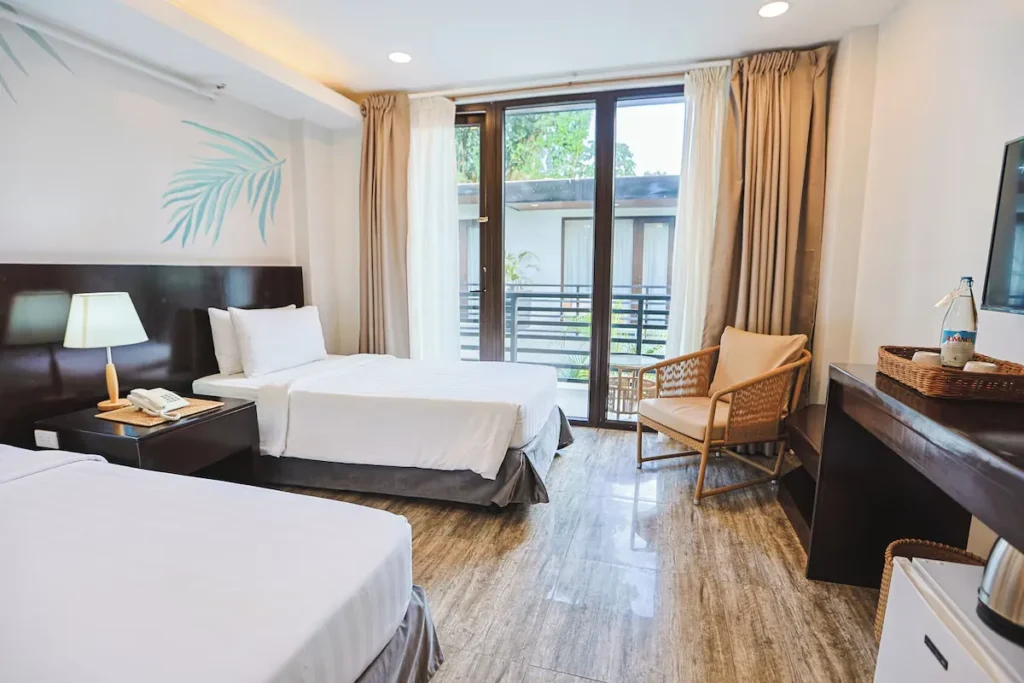
Accommodation is chalet-style and budget-friendly. Most resorts sit along the main beach on the western shore, facing the sunset. A few options exist on quieter bays if you want more isolation.
| Accommodation Type | Price Range (per night) | Notes |
| Basic fan chalet | RM80-120 | Simple, right on the beach |
| Air-conditioned chalet | RM130-180 | More comfortable for families |
| Package deals (incl. meals + snorkeling) | RM180-250 per person | Common during peak season |
| Budget dorm-style rooms | RM50-80 | Available at a few guesthouses |
Book in advance during July and August. The island only has a limited number of rooms, and they fill up faster than people expect.
What to Pack for a Pulau Kapas Trip
Pack light but smart. The island has a small convenience store near the main beach, but it’s overpriced and stocks very little.
- Reef-safe sunscreen (SPF 50+) – coral reef protection is encouraged by Marine Parks Malaysia
- Snorkeling gear (or rent on-island for RM15-25 per set)
- Cash in Ringgit
- Water shoes or grippy sandals
- Insect repellent for evenings
- A dry bag for your phone and documents on the ferry
- Light rain jacket for sudden afternoon showers
- Reusable water bottle
Day 1: Beaches, Snorkeling & Sunset Views
Morning Ferry Ride to Pulau Kapas
Take the earliest boat you can. The 8 AM crossing gives you the calmest sea and the most time on the island. On a clear morning, you can see the green hills of Kapas rising out of the water before you’re even halfway across. It’s a genuinely nice moment. Small boats, no AC, salty wind. That’s how it’s supposed to feel.
Check-In and First Impressions of the Island
Most chalets let you drop your bags even if the room isn’t ready. Don’t waste time waiting. Change and get to the beach. The main beach, Pantai Kapas, is clean, with about 400 meters of soft white sand, and usually quiet on weekday mornings. Tourism Terengganu describes it as one of the best-maintained beaches on the East Coast, and honestly, that tracks.
Relaxing at Kapas Island Beaches
There’s a particular stillness here in the first hour that’s hard to describe. No hawkers walking the beach. No music thumping from beach clubs. Just the water and the sound of it. Sit with that for a bit before you get into activity mode.
Best Snorkeling Spots Around Pulau Kapas
Where are the best snorkeling spots at Pulau Kapas?
The top spots are the coral gardens just off the main beach’s north end, around Batu Gajah rock, and off the small island of Pulau Gemia nearby. Marine Parks Malaysia protects the reef around Kapas under the Terengganu Marine Park system, which is why coral health here is noticeably better than at many overcrowded island destinations. Visibility between April and August regularly hits 8 to 12 meters on a calm day. Watch for black-tip reef sharks near Batu Gajah. They’re small and harmless, but still a highlight.
Where to Eat Lunch on the Island
The chalets mostly double as restaurants. The food is straightforward, freshly caught, and better than you’d expect. Fried rice, grilled fish, and fresh coconut are the go-to choices. Budget RM15 to RM25 per meal per person. There’s no need to overthink this part.
Kayaking and Beach Activities
Most chalets rent out kayaks for RM15 to RM20 per hour. Paddle around to the adjacent coves on the southern end of the island. A few of these smaller bays have no name on Google Maps. That’s usually a good sign.
Watching Sunset at Pulau Kapas
The western-facing main beach is a natural front row seat for sunset. Without any tall buildings or structures blocking the view, you get an uninterrupted line of orange sky dropping into the South China Sea. Bring something to sit on and stay until it gets dark. The stars here, away from city light pollution, are worth the wait.
Dinner by the Beach
Most chalets stop serving food by 9 PM, so don’t push it too late. Post-dinner, the island is genuinely quiet. There’s no nightlife. That’s the whole point.
Day 2: Island Exploration & Hidden Gems
Early Morning Beach Walk
Wake up early. The beach at 6:30 AM is a completely different experience from midday. Sea turtles occasionally nest on the quieter beaches of Terengganu’s islands, and early mornings are when you’re most likely to spot tracks or sightings. Terengganu’s Department of Fisheries Malaysia has documented nesting activity across the region.
Are there hidden beaches on Pulau Kapas?
Yes. The east side of the island has at least two small coves accessible by a 20 to 30-minute walking trail through the island’s interior.
Find Hidden Beaches in Pulau Kapas
These beaches rarely appear in mainstream travel content. One has particularly good snorkeling right off the shore. The trail is manageable, but wear proper footwear because tree roots and uneven ground make flip-flops a bad choice.
Jungle Trekking Experience on the Island
The interior trail across the island is short, about 30 to 40 minutes one way, and passes through mature secondary rainforest. It’s not a challenging hike by any measure, but the tree cover keeps it cool, and there’s genuine wildlife, monitor lizards, hornbills, and if you’re quiet, the occasional macaque. Nothing about this trail feels touristy, and that’s exactly its appeal.
| Trail Detail | Info |
| Trail length | ~1.2 km (one way) |
| Duration | 30-40 minutes |
| Difficulty | Easy to moderate |
| Best time | Morning (cooler, more wildlife) |
| Footwear needed | Closed-toe shoes or grippy sandals |
Best Cafes and Breakfast Spots
The chalets again are your best bet for breakfast. Most serve Nasi Lemak or toast and eggs from around 7:30 AM. Don’t expect barista coffee. There isn’t any. But the simplicity fits the setting.
Things to Do Before Leaving Pulau Kapas
One last swim. Do it. The water in the morning, before you have to pack up, is consistently the clearest part of the day. Sneak in 30 minutes before loading your bags.
Ferry Back to Marang Jetty
The last boats back to Marang typically depart around 4 to 5 PM. Don’t cut it too close if you need to catch an onward bus or reach Kuala Terengganu before dark. The ferry ride back hits differently; you’re quieter, a little sun-tired, and already thinking about when you can come back.
Pulau Kapas Budget Breakdown for 2 Days
| Expense | Estimated Cost (RM) |
| Return ferry (Marang Jetty) | RM35-50 |
| Accommodation (2 nights, budget chalet) | RM160-240 |
| Meals (3x per day, 2 days) | RM90-150 |
| Snorkeling gear rental | RM20-40 |
| Kayak rental | RM20-30 |
| Miscellaneous (water, snacks, tips) | RM20-30 |
| Total estimate per person | RM345-540 |
For a genuinely comfortable two-day trip, RM400 to RM450 per person is a realistic and honest number.
Want the full Pulau Kapas experience? Explore our detailed travel guide packed with local tips, real costs, and the best places to stay.
Travel Tips for First-Time Visitors
- Book ferries directly at Marang Jetty or through your chalet; avoid unofficial booking agents online
- Check the Marine Parks Malaysia website for any seasonal closures or reef conservation updates before you go
- The island’s waste management is limited, so bring a small trash bag and carry out anything you bring in
- Phone charging is available at chalets, but outlets are limited; bring a power bank
- Don’t touch or stand on coral; Terengganu Marine Park enforcement patrols the area
Is Pulau Kapas Worth Visiting in 2026?
Absolutely. Pulau Kapas is one of those destinations that still rewards people who make the effort to get there. It isn’t undiscovered, but it hasn’t been over-commercialized either. The beach quality is real, the snorkeling competes with more famous names at a fraction of the cost, and the absence of resort infrastructure is a feature, not a gap.
Tourism Malaysia’s East Coast promotion has included Pulau Kapas in its 2025-2026 domestic travel campaigns, which means visitor numbers will likely rise. That makes now a better time to go than a few years from now.
If you put together a proper Pulau Kapas itinerary for 2 days and time your visit between April and August, you get everything this island has to offer: clean coral reefs, uncrowded beaches, honest food, and quiet that you genuinely can’t buy at more popular resorts.
Why 2 Days in Pulau Kapas Feels Like the Perfect Reset
There’s a specific kind of trip that leaves you feeling properly reset. Pulau Kapas delivers that. It doesn’t try to compete with flashier destinations. It doesn’t need to. Two days here with a good Pulau Kapas itinerary gives you more actual rest, more memorable snorkeling, and more genuine island experience than a lot of more talked-about places manage in a week. Plan it properly, pack the right things, and you’ll come back wanting to go again before you’ve even unpacked.
Frequently Asked Questions
Q1: What is the best time to visit Pulau Kapas?
The best time is between March and October. April to August offers the clearest water and calmest seas. The island closes during the Northeast Monsoon season, roughly mid-November to early March.
Q2: How do you get to Pulau Kapas from Kuala Lumpur?
Take a bus or flight to Kuala Terengganu, then travel south to Marang town (about 15 km). From Marang Jetty, licensed boats cross to Pulau Kapas in 15 to 20 minutes. Return ferry costs RM35 to RM50 per person.
Q3: Is Pulau Kapas good for snorkeling?
Yes. The reefs around Pulau Kapas fall under Terengganu Marine Park protection, keeping coral health well above average. Visibility reaches 8 to 12 meters on good days, with reef fish, black-tip reef sharks, and sea turtles spotted regularly.
Q4: How much does a 2-day Pulau Kapas trip cost?
A realistic budget is RM350 to RM500 per person for two days, covering the return ferry, two nights at a budget chalet, all meals, and basic activities like snorkeling gear and kayak rental.
Q5: Is Pulau Kapas family-friendly?
Yes, for families with children old enough to manage short walks and water activities. The beaches are calm and shallow in places, and the island pace is relaxed. Toddlers are manageable, but facilities are minimal, so pack accordingly.
Q6: Are there ATMs or card payment on Pulau Kapas?
No. There are no ATMs on the island, and most chalets and food stalls are cash-only. Bring sufficient Ringgit from the mainland before you take the ferry.