
Most travelers exploring Malaysia’s east coast head straight to the Perhentian Islands and never look back. That’s fair. But if you want something quieter, less crowded, and honestly just as beautiful, then the things to do in Pulau Kapas will genuinely surprise you. This tiny island sits just 6 km off the coast of Marang in Terengganu, and the boat ride from the jetty takes about 15 to 20 minutes. You arrive, step onto white sand, look out at turquoise water so clear you can see the reef below the surface, and that’s when you get it.
The things to do in Pulau Kapas cover everything from snorkeling pristine coral reefs and spotting green sea turtles to kayaking around the island and camping under a genuinely dark sky. It’s not a luxury destination. It’s better than that.
Why Pulau Kapas Is Worth Visiting
Pulau Kapas is roughly 1.5 km long. It falls under the protection of the Terengganu State Parks Corporation, which has kept reef systems in noticeably better condition than beaches that allow heavy commercial development. According to Tourism Malaysia, Pulau Kapas is recognized as one of the country’s standout marine tourism destinations, particularly for its water visibility, which regularly reaches 15 to 20 meters during calm conditions. That kind of visibility is rare, and it makes everything you do underwater significantly better.
The island has a few chalet-style resorts, some basic restaurants, and not much else. There’s no mall, no nightclub, no traffic. That balance between enough infrastructure and genuine wildness is exactly what makes it worth the trip.
When is the best time to visit Pulau Kapas?
The best time is between March and October. The South China Sea is calm, water visibility is highest, and boat services from Marang Jetty run consistently throughout the day. Arrive early in the morning for the calmest sea conditions and the best snorkeling light.
Best Time to Visit Pulau Kapas
The northeast monsoon affects Terengganu roughly from November through February. The Malaysian Meteorological Department consistently categorizes the east coast as high-risk for rough seas during this period. Most island resorts actually close for the monsoon season, so planning around this isn’t optional.
| Month | Sea Conditions | Water Visibility | Recommended |
| March to May | Calm, warming up | Good, 10 to 15m | Yes |
| June to August | Best of the year | Excellent, 15 to 20m | Yes — peak season |
| September to October | Calm, fewer crowds | Very good | Yes |
| November to February | Monsoon, rough seas | Poor | No |
Where is the best snorkeling spot in Pulau Kapas?
The reef off the northern tip of the island is consistently rated the best snorkeling area. It features healthy soft corals, diverse reef fish, and regular sea turtle activity. Water depth ranges from 3 to 8 meters, making it ideal for all skill levels. Rent gear from your resort for around RM 15 to RM 20 per set.
Best Things to Do in Pulau Kapas for First-Time Visitors
Snorkeling Around the Coral Reefs
The Department of Fisheries Malaysia has designated the waters surrounding Pulau Kapas as a protected marine area. This protection limits unregulated fishing and boat traffic, and it shows. The coral here is in genuinely good shape compared to many Southeast Asian reef systems that have seen serious bleaching over the past decade.
From personal experience, going out at 7 AM before the wind picks up gives you the clearest water and the best chance of seeing turtles moving slowly along the bottom without any disturbance. It’s a completely different experience from midday snorkeling when boats are moving, and the water gets choppy.
Is scuba diving good at Pulau Kapas?
Yes. Pulau Kapas has over 20 mapped dive sites accessible within a short boat range. PADI-accredited dive operators based on the island serve both first-time open water divers and certified divers looking for deeper, more technical spots. Average visibility is 15 meters or better during peak season.
Scuba Diving for Beginners and Experts
Fun dive prices generally run from RM 80 to RM 130 per dive. For those completing a PADI Open Water course, the shallow and calm conditions around the island’s protected bays make Pulau Kapas a practical choice for first dives.
| Diver Level | Recommended Sites | Average Depth | Price per Dive |
| Beginner (Open Water) | North Bay, Sandy Patch | 5 to 12m | RM 80 to RM 100 |
| Intermediate | Coral Garden, Turtle Point | 10 to 18m | RM 100 to RM 120 |
| Advanced | Deep Wall, The Pinnacle | 18 to 30m | RM 120 to RM 130 |
The Malaysian Dive Academy and several resort-based dive centers on the island have trained instructors year-round during the open season.
Sea Turtle Spotting
Green sea turtles (Chelonia mydas) are a protected species in Malaysia under the Fisheries Act 1985, and Terengganu is one of the most important nesting corridors in all of Southeast Asia. The Terengganu State Fisheries Department actively monitors turtle populations in the surrounding marine zone. WWF-Malaysia has also flagged the east coast marine parks as critical habitat for green and hawksbill turtles.
You don’t need a dedicated turtle tour. They show up during regular snorkeling and diving. Early morning, roughly 7 to 9 AM, gives the best chances near the seagrass beds on the eastern side of the island. The turtles here are habituated to human presence but not tame. Give them space. Resorts do brief guests on responsible behavior before heading into the water, and that matters.
New to Pulau Kapas? Start with our complete Pulau Kapas Travel Guide for practical advice, hidden spots, and mistakes first-time visitors often make.
Kayaking in Crystal Clear Waters
Paddling around the island takes roughly 2 to 3 hours at a comfortable pace. Kayak rental from most resorts costs RM 20 to RM 30 per hour. The water on most dry-season days is calm enough that even people who have never kayaked before manage it without stress.
The eastern side of the island has stretches of water shallow enough that you can see individual coral heads from the kayak. There’s also a small sea cave near the southern tip that’s worth paddling into when the tide is low. It’s not on any resort map or official tourism listing, but ask the staff at your resort, and they’ll point you toward it. That kind of local knowledge makes a big difference.
Is there jungle trekking on Pulau Kapas?
Yes. A short trail crosses the island from the main beach to a smaller, quieter beach on the opposite side. The walk takes about 20 to 30 minutes one way through secondary tropical forest. No special fitness is required, but proper shoes are essential as the path has roots and uneven ground throughout
Jungle Trekking and Nature Walks
The Forest Research Institute of Malaysia (FRIM) classifies this type of coastal secondary forest as a critical coastal ecosystem corridor, supporting bird species, monitor lizards, and a range of small fauna. Biodiversity counts recorded by the Terengganu Forestry Department in nearby coastal zones have documented over 60 bird species in similar environments. Early morning is the best time to trek when wildlife is active, and the temperature is manageable.
The views from the elevated section of the trail are genuinely excellent. You get a clean line-of-sight out to the open sea and back down to the main beach, which makes the effort immediately worthwhile.
Camping by the Beach
Camping is permitted in designated areas, and it’s a very different experience from staying in a chalet. No electricity, no ambient light, full sky visibility. Honestly, if you’ve been in a city for too long, a night camping on Pulau Kapas is the kind of thing that recalibrates something.
Arrange camping permission through one of the island’s resorts. Most handle meal arrangements and basic equipment rental as well.
| Camping Detail | Info |
| Permission | Required, booked through the island resort |
| Cost per night | RM 15 to RM 30 per person |
| Facilities | Basic toilets; no beach showers |
| Best months | April to September |
| What to bring | Tent, insect repellent, torch, dry bags |
Trying Local Malaysian Seafood
After spending most of the day in the water, the island’s seafood becomes part of the experience too. The small restaurants and resort dining areas on Pulau Kapas serve straightforward, freshly caught seafood cooked well. Grilled fish, sambal prawns, steamed clams, and fried rice. Nothing complicated. A full meal for two costs roughly RM 40 to RM 70, depending on the resort and what you order.
It’s not the kind of food that makes it into fine dining guides. But it’s honest, it’s fresh, and it tastes exactly right given where you are. The Terengganu Tourism Action Council lists local seafood culture as a core part of the Terengganu travel experience, and on Pulau Kapas, it delivers.
Getting to Pulau Kapas
The only way in is by boat from Marang Jetty, roughly 12 km south of Kuala Terengganu city. Buses and taxis from Kuala Terengganu reach Marang in about 20 to 30 minutes. Boats to the island run from approximately 8 AM to 5 PM during open season.
Return boat fare is around RM 35 to RM 45 per person. The ride takes 15 to 20 minutes. A small island entry permit is required, currently around RM 5, managed by the Terengganu State Parks Corporation. That fee funds island conservation directly, which is a straightforward thing to be fine with paying.
Where to Stay in Pulau Kapas
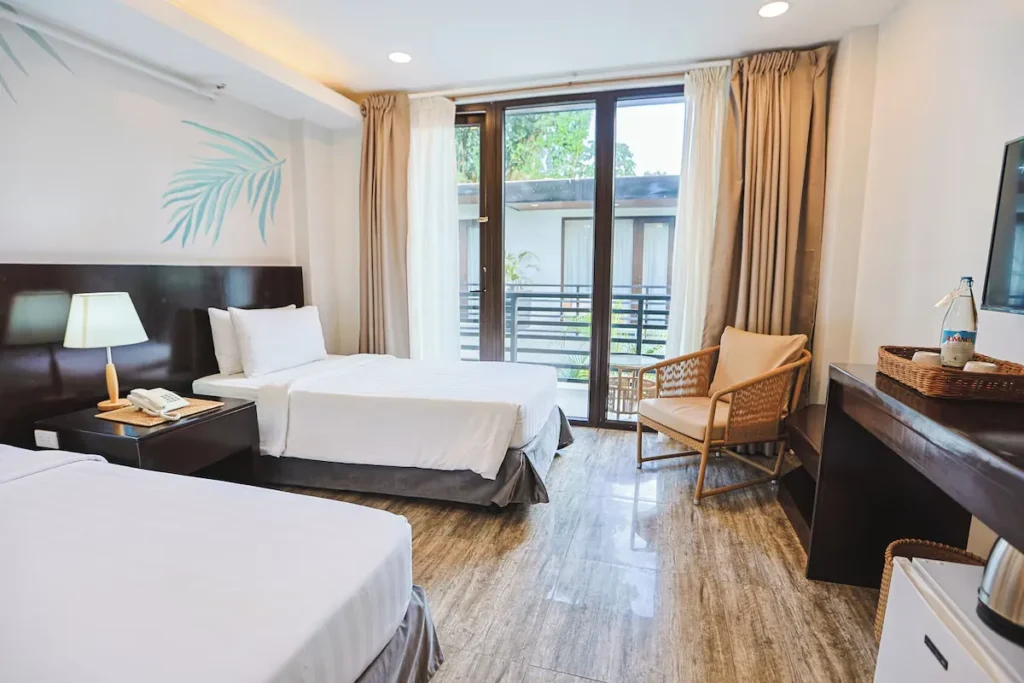
Accommodation options are mostly chalets and simple rooms. There’s no luxury tier. Some have air conditioning, some have fans. The Ministry of Tourism, Arts and Culture Malaysia lists registered accommodation operators on the island through its official tourism portal, which is worth checking before booking to confirm current operating status.
- Kapas Island Resort – established property, has a dive center on site
- Mak Cik Gemuk Beach Resort – family-run, consistently well-reviewed for genuine hospitality
- Pulau Kapas Bungalow – budget option, basic but clean
Book at least 4 to 6 weeks in advance for June to August visits. The Terengganu Tourism Action Council data shows domestic visitors from Kuala Lumpur and the Klang Valley make up a significant share of island bookings during Malaysian school holidays, which creates spikes in demand that catch first-time visitors off guard.
Budget Guide for a Pulau Kapas Trip
Quick Answer: How much does a trip to Pulau Kapas cost?
A 2-night trip including transport, accommodation, meals, and one snorkeling session typically costs between RM 250 and RM 450 per person. Adding scuba dives increases the total, but the base experience is genuinely affordable.
| Expense | Estimated Cost |
| Return boat fare from Marang | RM 35 to RM 45 |
| Island entry permit | RM 5 |
| Budget accommodation (per night) | RM 60 to RM 120 |
| Meals per day | RM 30 to RM 60 |
| Snorkeling gear rental | RM 15 to RM 20 |
| Kayak rental per hour | RM 20 to RM 30 |
| Fun dive | RM 80 to RM 130 |
| PADI Open Water course | RM 800 to RM 1,100 |
Travel Tips for First-Time Visitors
A few honest, practical notes:
- Bring cash. There are no ATMs on the island.
- Use reef-safe sunscreen. Standard chemical sunscreens cause measurable damage to coral reef ecosystems and are discouraged in marine protected areas.
- Book return boats before 4 PM. The last boats to Marang generally leave by 5 PM.
- Mobile signal is limited. Maxis and Celcom have partial coverage. Don’t rely on it.
- There is no hospital. The nearest medical clinic is back in Marang town, 15 to 20 minutes away by boat and then car.
- Pack a dry bag. For your phone, camera, and anything electronic.
How Long Should You Stay in Pulau Kapas
Quick Answer: How many days is ideal for Pulau Kapas?
Two nights and two full days is the sweet spot for most visitors. That gives you one morning for snorkeling or diving, one afternoon for kayaking or trekking, a full second beach day, and a night camping or stargazing if you want it. Three days is comfortable if you’re doing a full PADI course or want a genuinely slow trip.
Final Thoughts
Pulau Kapas is the kind of destination that doesn’t oversell itself. It doesn’t need to. The water is clear, the reef is healthy, the island is quiet, and the people are straightforward and genuinely welcoming.
The range of things to do in Pulau Kapas is wide enough to fill two or three days without feeling rushed. Whether you’re diving into a 25-meter wall, snorkeling above a turtle, paddling around the south end, or sitting on the beach eating grilled fish at sunset, the island just delivers. No performance. No marketing version of a tropical escape. Just the actual thing.
Plan around the dry season, book early, bring cash, and give yourself at least two days. It’s honestly worth it.
Frequently Asked Questions
Q1: How do I get to Pulau Kapas from Kuala Lumpur?
Travel to Kuala Terengganu by bus (approximately 7 to 8 hours) or train to Wakaf Baru station (approximately 5 hours), then taxi to Kuala Terengganu. From there, take a taxi or local bus to Marang Jetty and board a boat to the island. Total travel time from KL is roughly 9 to 11 hours.
Q2: Is Pulau Kapas suitable for non-swimmers?
Yes. The beaches, jungle trail, kayaking, and seafood are all accessible without swimming. For snorkeling, basic swimming ability is helpful, but life jackets are available for rent from island resorts.
Q3: Are sea turtles common at Pulau Kapas?
Green sea turtles are regularly spotted during snorkeling and diving, particularly near the seagrass beds and reef areas on the northern and eastern sides of the island. Early morning sightings are most frequent.
Q4: Can I camp on Pulau Kapas?
Yes. Camping is permitted in designated areas and is arranged through island resorts. Expect to pay RM 15 to RM 30 per person per night. Bring your own tent and insect repellent.
Q5: Is Pulau Kapas open year-round?
No. Most resorts and boat services close during the northeast monsoon from approximately November to February. The island is open and recommended between March and October.
Q6: What should I pack for Pulau Kapas?
Bring cash, reef-safe sunscreen, insect repellent, a dry bag for electronics, extra clothing, prescribed medications, and a torch for evening walks. There are no pharmacies or convenience stores on the island.
Q7: Is Pulau Kapas better than the Perhentian Islands?
It depends on what you want. Pulau Kapas is quieter, less developed, and easier on the budget. The Perhentian Islands have more dive sites, more facilities, and a bigger backpacker scene. For a peaceful, uncrowded experience, Pulau Kapas frequently comes out ahead.