Let me be upfront with you. Lombok doesn’t get the attention it deserves. Most travelers hop to Bali and call it Indonesia done. But anyone who’s actually spent time on this island will tell you that Lombok travel tips are the real travel intel you need before your Southeast Asia trip. There’s no massive party scene here, no Instagrammed-to-death temples every 500 meters. What there is: raw coastline, real local culture, insane volcanic trekking, and beaches so quiet they feel slightly unreal.
This guide pulls together honest, experience-backed lombok travel tips covering everything from how to get there without paying too much, to what local food you should absolutely not leave without trying. Whether you’re planning two days or two weeks, keep reading.
Why Lombok Should Be on Your Travel List
Honestly, the simplest answer is: it’s what Bali was 20 years ago. According to Indonesia’s Ministry of Tourism and Creative Economy, Lombok received approximately 1.8 million domestic and international visitors in 2023, compared to Bali’s 5.2 million. That gap is enormous, and it shows everywhere you go. The beaches are emptier, the prices are lower, and the locals are still genuinely curious about travelers rather than exhausted by them.
The island sits in the West Nusa Tenggara province and covers about 4,725 square kilometers. It has an active volcano (Mount Rinjani at 3,726 meters), over 70 registered beaches, the famous Gili Islands just off its northwest coast, and a rich Sasak indigenous culture that most visitors never take the time to explore. That’s a genuinely impressive range for one island.
I visited Lombok in late 2023, and the thing that surprised me most wasn’t the beaches; it was how different it felt from neighboring Bali. Quieter roads. Fewer touts. Real market food for under 25,000 IDR (about $1.50). It’s the kind of place that makes you wish you’d come sooner.
Why visit Lombok? Read more about Selong Belanak Beach Guide: Lombok’s Dreamy Beginner Surf Beach
Best Time to Visit Lombok Without the Tourist Rush
The dry season in Lombok runs from May through October, and this is when most travelers arrive. Skies are clear, roads are drier, and Mount Rinjani treks are open. But here’s a useful tip most general guides skip: the absolute sweet spot for timing is May or September.
In May, the crowds from the peak of July–August haven’t arrived yet. In September, they’ve thinned, but the dry weather continues. You get the same conditions with noticeably fewer people and often better accommodation rates. The Lombok Tourism Board officially recommends visiting outside the July–August peak for a more authentic experience, which aligns with what experienced local guides consistently say.
Meanwhile, the wet season (November–April) isn’t a deal-breaker. Rain tends to come in afternoon bursts rather than all-day downpours. Southern beaches like Kuta Lombok can still be enjoyable. However, Mount Rinjani is officially closed by the BKSDA (the regional natural resources conservation authority) during this period for safety reasons, so trekkers should plan accordingly.
| Month | Season | Crowds | Rinjani Open? | Best For |
| January–April | Wet | Low | No | Budget travel, fewer tourists |
| May | Dry starts | Low–Medium | Yes | Best overall timing |
| June–August | Peak dry | High | Yes | Beaches, Gili Islands |
| September–October | Late dry | Medium | Yes | Trekking, good rates |
| November–December | Wet begins | Low | No | Quiet experience |
How to Reach Lombok Easily (Flights and Ferries)
Lombok International Airport (Lombok International Airport, IATA: LOP) is located in Praya, about 35 kilometers from Mataram city. It handles direct flights from major Indonesian hubs like Jakarta (Soekarno-Hatta), Bali (Ngurah Rai), and Surabaya. Budget carriers like Citilink, Lion Air, and AirAsia connect these routes regularly. A direct flight from Bali to Lombok takes roughly 25 minutes and can cost as little as $20–40 USD if booked in advance.
From Bali, the ferry option is also popular and much cheaper. The public Lembar–Padangbai ferry operated by ASDP Indonesia Ferry runs 24 hours and takes approximately 4 to 6 hours. The cost is around 55,000–90,000 IDR (roughly $3.50–$6 USD) for foot passengers. It’s slower but genuinely enjoyable for budget travelers.
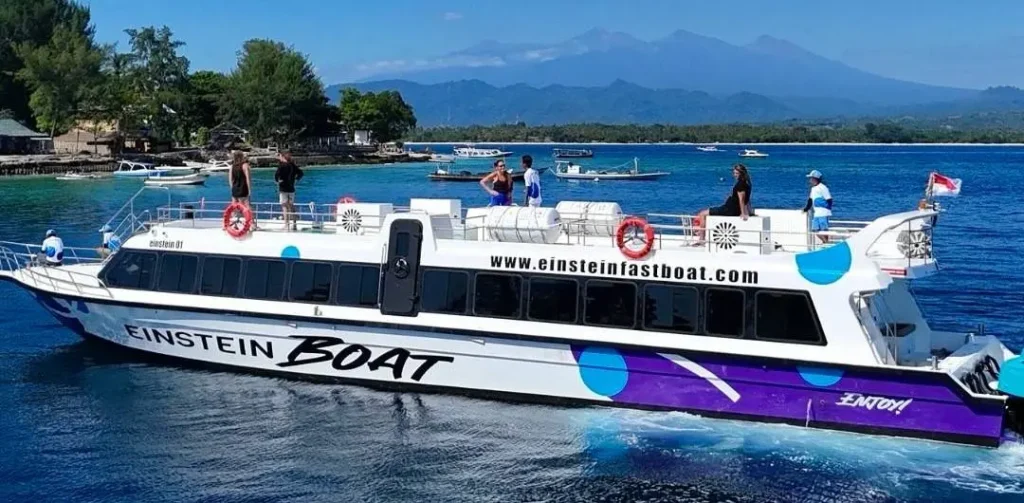
The fast boat option from Bali’s Amed or Padangbai directly to the Gili Islands is another popular route. Operators like Gili Getaway and Scoot Fast Cruises run daily services. This takes about 90 minutes and costs $35–55 USD, but you land on the Gilis rather than the main island. Useful to know, depending on your itinerary.
Quick Answer: What is the cheapest way to get to Lombok from Bali?
The cheapest way is the ASDP public ferry from Padangbai in Bali to Lembar in Lombok, costing around 55,000–90,000 IDR ($3.50–6 USD) for foot passengers. The journey takes 4–6 hours. Budget flights via Lion Air or Citilink can also run as low as $20–35 USD if booked 2–3 weeks in advance.
Getting Around Lombok Like a Local
This is one of the most important Lombok travel tips anyone can give you: rent a scooter. Lombok’s roads outside the main town of Mataram are far less chaotic than Bali’s, and a scooter is genuinely the most efficient way to reach beaches, markets, and remote spots. Daily rental costs run 60,000–100,000 IDR ($4–6.50 USD), and fuel is cheap.
If you’d prefer not to ride, hiring a private driver for the day is an excellent option. Typical rates are 350,000–500,000 IDR ($22–32 USD) for a full day with a local driver who usually doubles as an informal guide. The Lombok Tourism Information Center in Mataram can help with reputable driver contacts, and many guesthouses arrange this directly.
Public minivans called bemo operate between major towns but are slow and follow unpredictable schedules. Blue Bird taxis are available in Mataram. Ride-hailing apps like Gojek and Grab are increasingly active in the urban areas, but coverage thins significantly outside Mataram and Senggigi.
Where to Stay: From Beach Resorts to Budget Spots
Lombok offers a decent range of accommodation, but it’s still not as commercially developed as Bali, which can be a feature or a limitation depending on what you’re after. The three main bases are Senggigi (most tourist infrastructure), Kuta Lombok (surf and beach vibe), and the Gili Islands (no motor vehicles, party meets paradise).
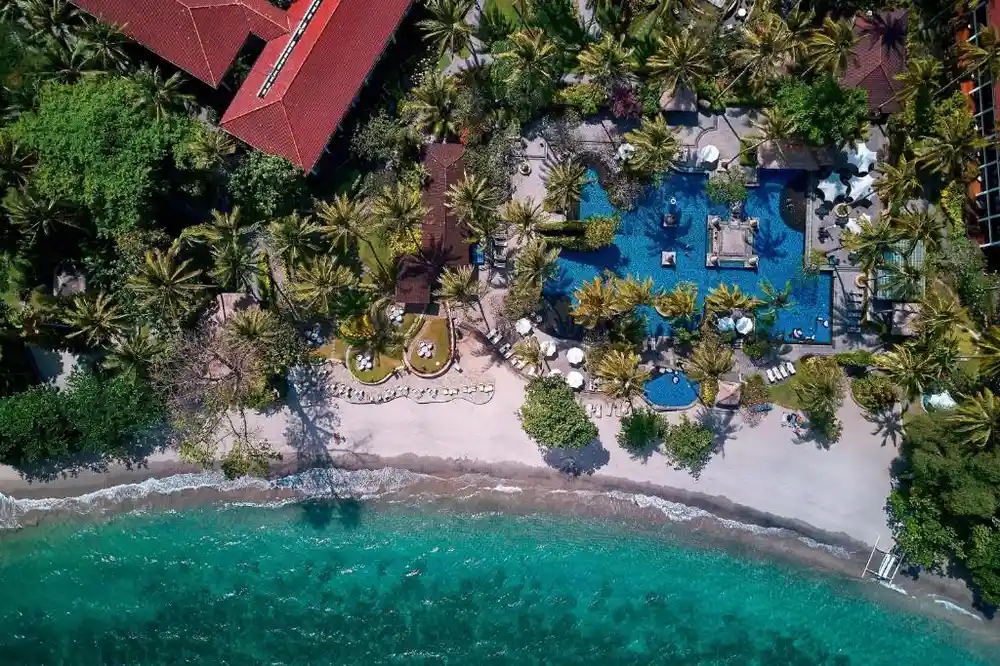
Budget guesthouses in areas like Senggigi and Kuta run around 100,000–200,000 IDR ($6.50–13 USD) per night. Mid-range options with air conditioning and breakfast come in around $25–50 USD. Luxury beach resorts like The Oberoi Lombok or Jeeva Beloam Beach Camp in Tanjung Aan cost significantly more but are genuinely world-class.
A practical note: book Gili Islands accommodation in advance during June to August. The islands get genuinely full during peak season, and options are limited. Properties there are mostly small, privately run guesthouses rather than international chains.
| Base Area | Avg Budget/Night | Best For | Notable Spot |
| Senggigi | $8–15 USD | Central location, easy access | Sheraton Senggigi Beach Resort |
| Kuta Lombok | $10–20 USD | Surf, uncrowded beaches | Kuta Beach Inn |
| Gili Trawangan | $15–35 USD | Nightlife, diving, and snorkeling | Gili Meno is quieter |
| Tetebatu | $10–18 USD | Rice fields, waterfalls, trekking | Pondok Tetebatu |
| Senaru | $8–15 USD | Rinjani trekking base | Wisma Senaru |
Must-Visit Beaches That Actually Feel Unreal
Lombok has over 70 registered beaches according to the West Nusa Tenggara Regional Government, and a good portion of them are still genuinely undeveloped. The southern coast, in particular, is extraordinary.
Tanjung Aan is arguably the most beautiful. Two crescent bays with white sand that transitions from fine-grained to small pepper-corn pebbles, and water in multiple shades of blue at once. It’s breathtaking and still relatively quiet by regional standards. Mawun Beach nearby is even more sheltered and calmer for swimming.
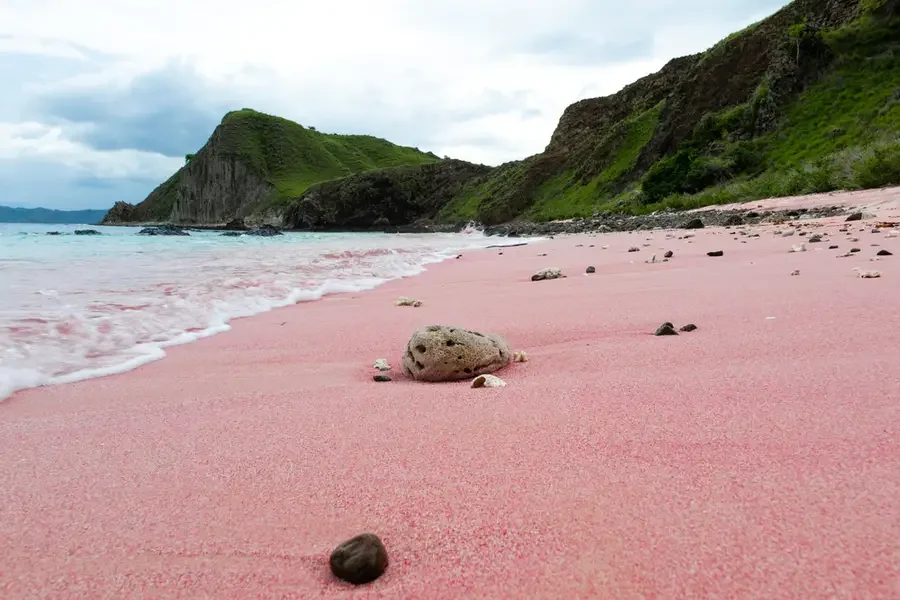
Pink Beach (Pantai Pink) on the east coast gets its distinctive color from red coral fragments mixed with white sand. According to local marine researchers affiliated with the University of Mataram, the red coral fragments come from Foraminifera, a type of microorganism with a pinkish-red shell. It’s genuinely unusual and worth the drive.
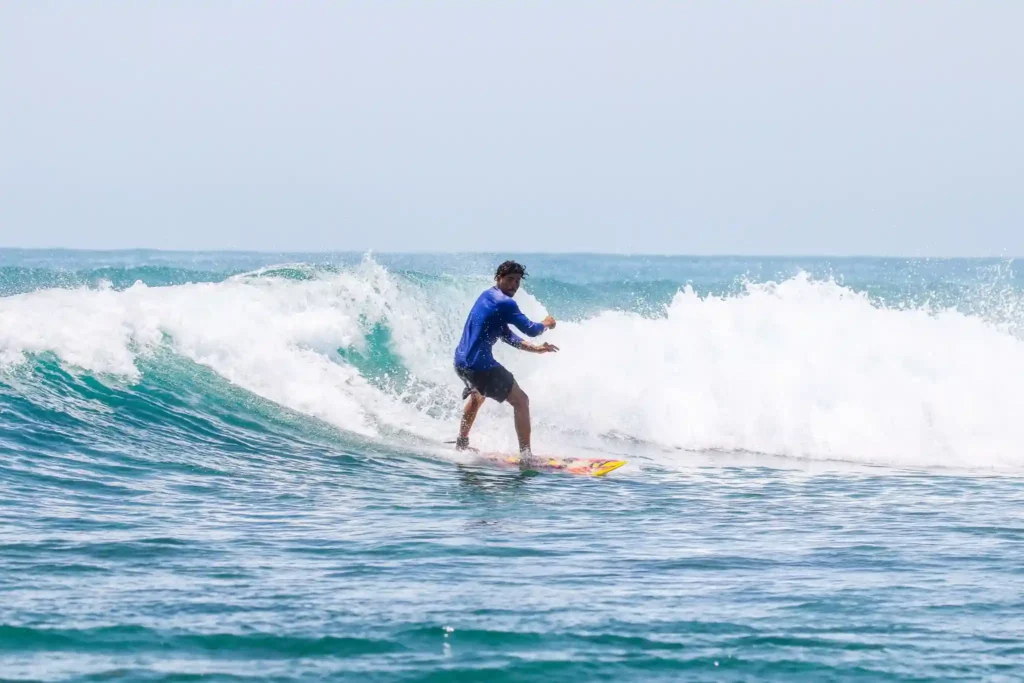
Selong Belanak is the best beginner surf beach on the island, with gentler waves and a few small surf schools operating there. Locals say it’s where many Sasak kids learned to surf. The long crescent bay here is stunning in the late afternoon light.
What are the best beaches in Lombok for first-time visitors?
For first-time visitors, the top three are Tanjung Aan (most scenic), Selong Belanak (great for surfing beginners), and Pink Beach on the east coast (unique color from red coral fragments). All three are accessible by scooter and have minimal commercial development.
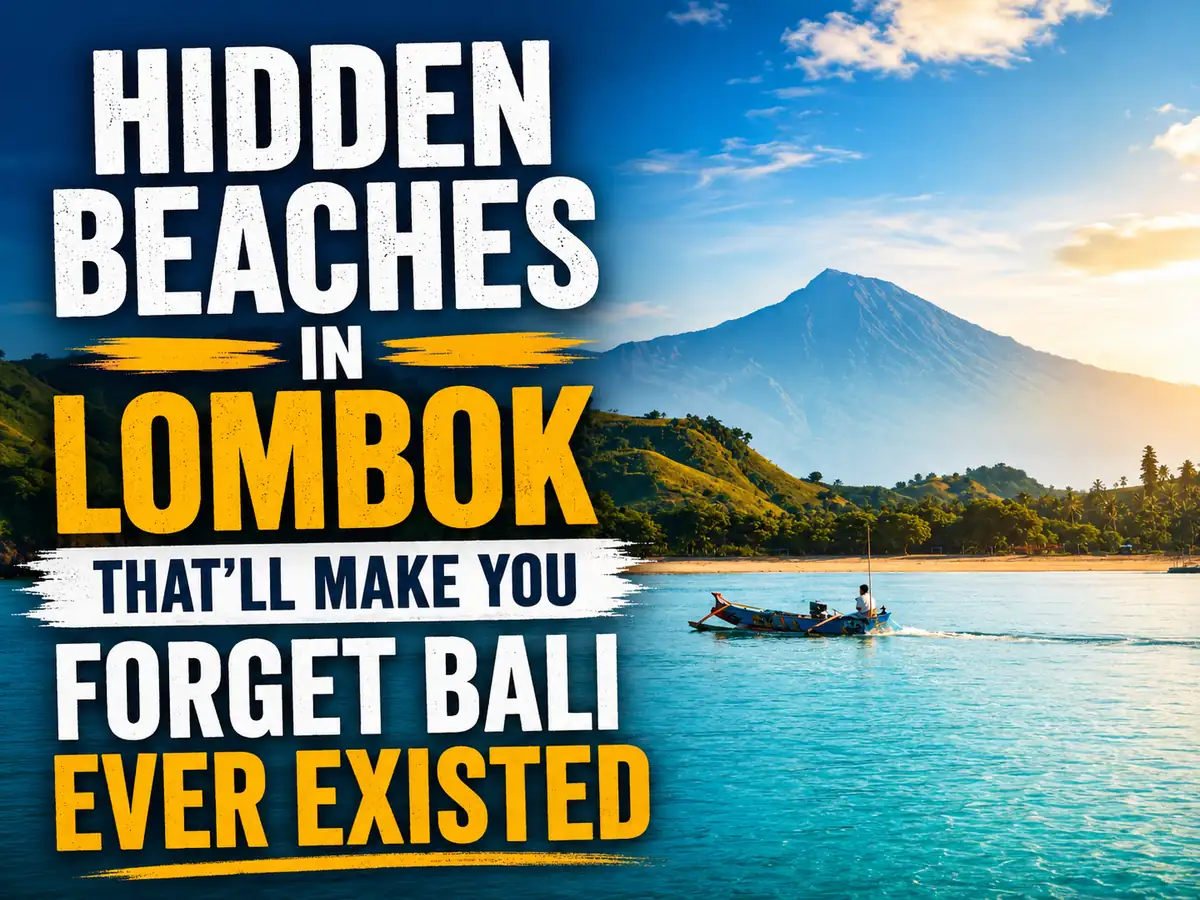
Looking for beaches this beautiful? Read more about Hidden Beaches in Lombok That’ll Make You Forget Bali Ever Existed.
Exploring Mount Rinjani Without Overdoing It
Mount Rinjani is the second-highest volcano in Indonesia and one of the most spectacular treks in all of Southeast Asia. At 3,726 meters, it’s not a casual hike. But it’s also not as grueling as some guides make it sound if you’re reasonably fit and properly prepared.
The mountain is managed by the Rinjani National Park authority (Balai Taman Nasional Gunung Rinjani), which requires all trekkers to register and pay the official entrance fee. As of 2024, fees are 150,000 IDR ($9.50 USD) for domestic visitors and 350,000 IDR ($22 USD) for international visitors per day. All trekkers must be accompanied by a registered local guide; this isn’t optional, and it’s genuinely a good policy given the terrain.
One of the most popular routes is the two-day, one-night trek to Plawangan Crater Rim at around 2,639 meters. From there, you get the view of Segara Anak, the volcanic crater lake sitting at 2,008 meters. Serious trekkers go for the three-day summit attempt. Senaru serves as the primary base town, and most guesthouses there can arrange guides and equipment rental.
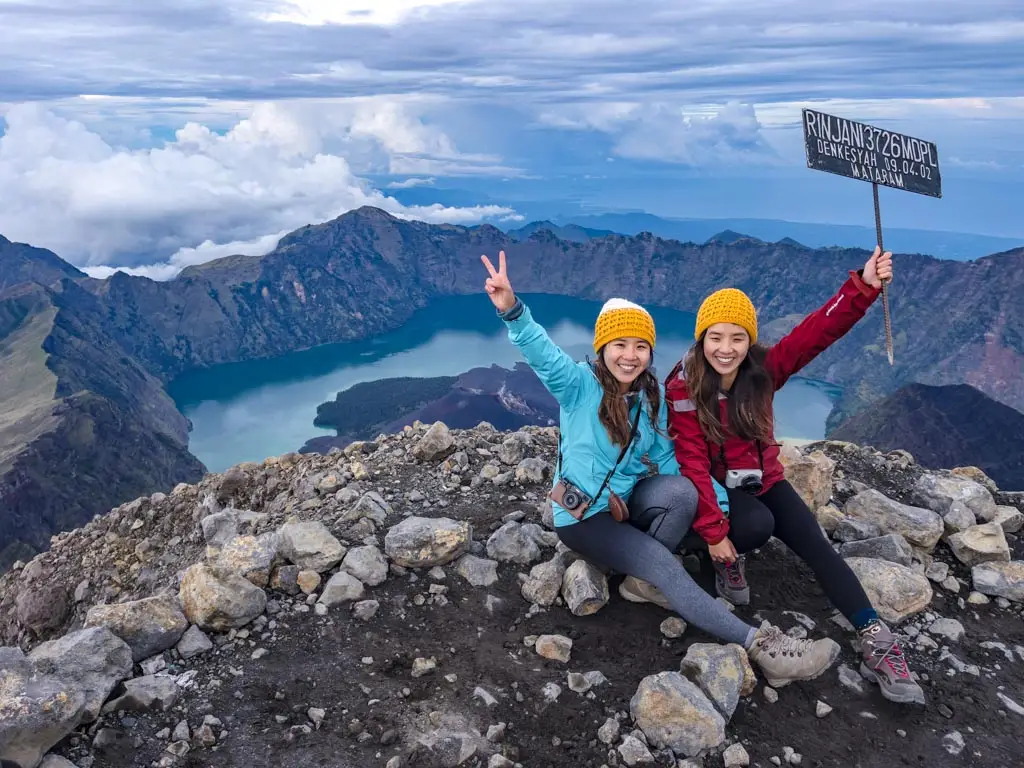
A small but genuine tip: bring layers. It gets cold at altitude, especially at night. Many first-timers arrive underprepared because the island’s coastal heat misleads them. The temperature at Plawangan Rim at night can drop to 5–8°C even in the dry season.
How hard is the Mount Rinjani trek?
The 2-day crater rim trek is rated moderate to challenging. It requires 7–9 hours of hiking per day on steep, sometimes loose volcanic terrain. Average fitness is sufficient for most people. The 3-day summit climb is significantly harder and involves a pre-dawn summit push at a very high altitude.
Local Food You Shouldn’t Leave Without Trying
Sasak cuisine is genuinely distinct from Balinese or Javanese food, and it’s one of the most underrated aspects of visiting Lombok. The local food culture here is tied directly to the Sasak people, the indigenous ethnic group that makes up about 85% of the island’s population, according to the Lombok Central Statistics Agency.
Ayam Taliwang is the flagship dish: a whole or half chicken grilled or fried and smothered in a spicy-sweet sauce made from chili, garlic, shrimp paste, and coconut oil. It’s served almost everywhere in Mataram and Senggigi, but the best version I had was at a family warung in Cakranegara with no menu and plastic chairs. It cost 35,000 IDR ($2.20 USD) and was excellent.
Plecing Kangkung is a water spinach salad tossed in a fiery sambal made from bird’s eye chilies and grilled tomatoes. It’s served cold and pairs perfectly with Taliwang. Locals almost always eat them together. You’ll also find Sate Rembiga, a beef satay unique to the Rembiga area near Mataram, sold at night markets from around 7 PM onward.
For something sweet, Dodol Lombok is a dense, chewy rice-flour and coconut milk candy available in most local shops. It’s a common souvenir that actually tastes good, which can’t always be said for travel food gifts.
Hidden Waterfalls Worth the Short Trek
The northern and central highlands of Lombok hide some of the most accessible and stunning waterfalls in eastern Indonesia. These are genuinely worth building into your itinerary, especially if you’re basing yourself in or around Senaru before or after a Rinjani trek.
Sendang Gile and Tiu Kelep are the two most well-known waterfalls and sit within Rinjani National Park, a 20-minute easy walk from Senaru village. Tiu Kelep is the more dramatic of the two, with a large pool beneath the falls where you can swim. Local guides (available for around 50,000–75,000 IDR) walk you to both in roughly 2 hours total. The water is cold and refreshing after the heat of the lowlands.
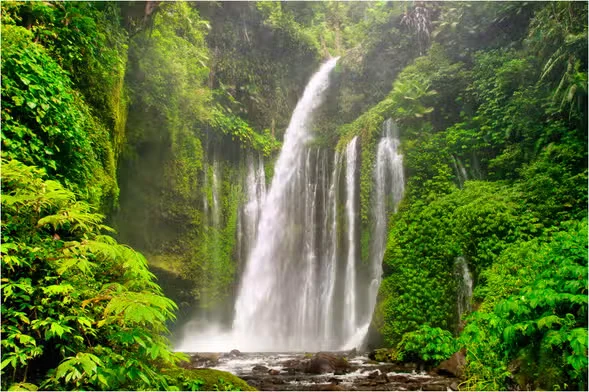
Benang Stokel and Benang Kelambu in the Batukliang area are less visited but equally impressive, a pair of falls surrounded by dense rainforest and moss-covered rocks. The path there involves crossing a river a few times, so waterproof sandals are useful. Getting here requires a scooter or car from Mataram, about 45 minutes southeast of the city.
Island Hopping Around Lombok Made Simple
The three Gili Islands, Trawangan, Meno, and Air, sit just off Lombok’s northwest coast and are technically part of Lombok’s administrative region. Each has a distinct vibe. Gili Trawangan (Gili T) is the most developed, with bars, dive shops, and a busy social scene.Gili Meno is the quietest and most romantic, with minimal development and excellent snorkeling. Gili Air sits in the middle in every sense: moderate development, good food, calmer than Trawangan.
Public boats (cidomo-linked boat services) run between the three islands for around 25,000–35,000 IDR ($1.50–2.25 USD) per hop. Typically, the crossing takes 10–20 minutes, depending on which islands you’re connecting to. There are no motor vehicles on any of the three islands, only horse-drawn carts called cidomo and bicycles. This alone makes them feel genuinely different from anywhere else in the region.
Beyond the Gilis, the Belongas Bay area in the south offers world-class drift diving according to the Indonesian Divers Association, specifically around sites like The Magnet and Wahoo Wahoo, where large pelagic species congregate. This is advanced diving territory, not suitable for beginners.
Which Gili Island is best for first-time visitors?
Gili Air is the best for most first-time visitors. It has good snorkeling, decent restaurants, a relaxed pace, and enough amenities without the party noise of Gili Trawangan. The morning snorkeling around the coral gardens near the east side of the island is particularly good.
Cultural Spots That Show the Real Lombok
The Sasak people have been here for centuries, and their culture is genuinely preserved in ways that aren’t just performance for tourists. One of the best places to experience this is the traditional Sasak village of Sade, near Rambitan in the south, is the most visited cultural site on the island. About 700 people live there in traditional bale tani houses with buffalo-dung-sealed floors and thatched roofs. The local community manages tourism directly, and entry fees go to the village cooperative.
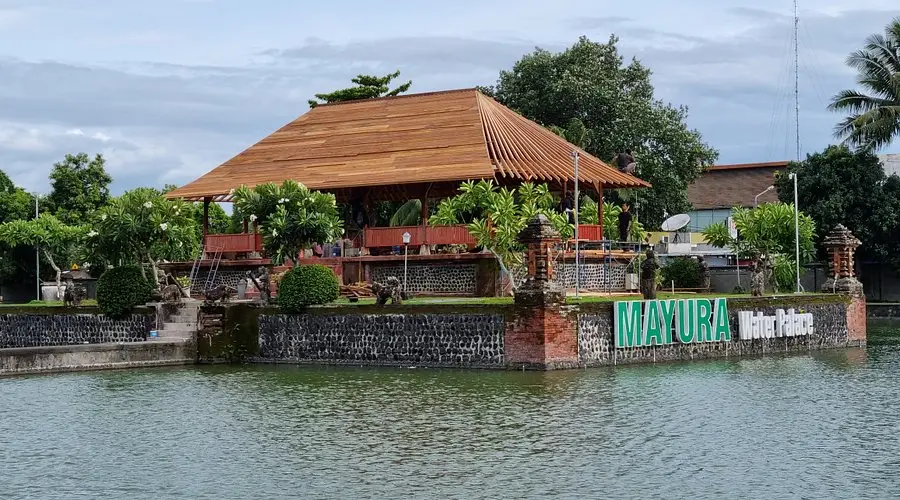
The Mayura Water Palace in Mataram is a Dutch-colonial era site with a Hindu temple and large ornamental pool, built in 1744 according to the Lombok Cultural Heritage Board. It’s more peaceful than its equivalent in Bali and is rarely crowded. Nearby, the Museum Negeri Nusa Tenggara Barat (West Nusa Tenggara State Museum) provides context on both Sasak and Sumbawan culture through well-curated exhibits.
The weaving village of Sukarara is another cultural stop worth making. Sasak women here practice traditional cloth weaving (tenun ikat) using backstrap looms, a tradition documented and supported by the Indonesian Crafts Council. You can watch the process and buy directly from weavers at prices far below Bali boutique rates.
Budget Travel Tips That Save You Money
Lombok is genuinely cheaper than Bali for most categories of spending, and these Lombok travel tips for budget travelers are worth knowing before you book anything.
- Eat at local warungs, not tourist restaurants. A full meal of Ayam Taliwang with rice and Plecing Kangkung rarely costs more than 30,000–40,000 IDR ($2–2.50 USD).
- Negotiate scooter rental before the first day. If you’re renting for 5+ days, most shops in Senggigi and Kuta will drop the rate to 70,000–80,000 IDR per day.
- Buy water at mini-markets (Indomaret, Alfamart) rather than tourist shops. A 1.5-liter bottle is 5,000 IDR versus 15,000–20,000 IDR at beach warungs.
- The public boat between the Gili Islands costs 25,000–35,000 IDR. Tourist ‘fast shuttles’ often charge 5x more for the same 15-minute crossing.
- Rinjani guide fees are regulated. The official rate through the national park is around 350,000–500,000 IDR per day for a certified guide. Anyone quoting dramatically less is likely unlicensed.
- SIM cards from Telkomsel or XL Axiata at the airport cost around 50,000–100,000 IDR with 10–20GB of data. Buying at the airport is not significantly more expensive than in town.
| Expense | Budget Option | Mid-Range | Notes |
| Accommodation | $6–10 USD/night | $20–40 USD/night | Book direct, avoid platforms for smaller guesthouses |
| Food (per day) | $5–8 USD | $12–20 USD | Local warungs vs restaurants |
| Transport | $4–6 USD (scooter) | $22–32 USD (driver) | Scooter for flexibility |
| Rinjani Trek (2 days) | $60–80 USD total | $100–140 USD total | Includes guide, porters, permit |
| Gili crossing (one way) | $1.50–2.25 USD | $8–15 USD | Public boat vs speedboat shuttle |
Common Mistakes Tourists Make in Lombok
After talking to travelers and local guides across the island, the same mistakes come up repeatedly. Knowing them in advance is one of the best practical lombok travel tips available.
- Underestimating the distances. Lombok looks small on a map, but roads are often narrow, hilly, and in variable condition. Driving from Mataram to Kuta Lombok takes 1.5–2 hours, not the 40 minutes Google Maps occasionally suggests.
- Assuming Lombok is just like Bali. The culture is primarily Muslim (approximately 85% of the population according to the 2022 census), the food is different, and the social norms differ. Dress modestly when visiting villages and mosques.
- Not checking Rinjani trekking regulations before arrival. The mountain closes seasonally, requires permits, and mandates registered guides. Showing up without arrangements leads to either delays or expensive last-minute costs.
- Skipping the East Coast entirely. Most travelers only do the south and northwest. The East Coast has Pink Beach, traditional fishing villages, and the Belongas dive sites, all vastly undervisited.
- Booking Gili accommodation in peak season without planning. July and August demand regularly outpace supply on Gili Trawangan and Gili Meno.
Is Lombok safe for solo travelers?
Yes, Lombok is generally safe for solo travelers, including solo female travelers. The main precautions are standard: don’t ride scooters without experience on unfamiliar roads at night, keep valuables secured, and use registered guides for the Rinjani trek. The 2022 Indonesia Travel Safety Index ranked West Nusa Tenggara (Lombok’s province) as medium-low risk for tourist incidents.
Safety Tips You’ll Be Glad You Read First
Most safety concerns in Lombok are practical rather than security-related. The island sees a very low rate of crime targeting tourists compared to more densely visited destinations in Southeast Asia.
- Rinjani altitude sickness is real. Acclimatize properly if you’re flying in from sea level and trekking the next day. Rinjani National Park authority recommends at least one rest day before the summit attempt for travelers arriving from low altitudes.
- Ocean currents on the south coast can be strong, particularly at Gerupuk, Desert Point, and Grupuk area beaches. Always check local conditions and ask guides before swimming.
- Traffic accidents involving scooters are the most common serious incident affecting tourists in Lombok, according to the Mataram General Hospital emergency department data cited by local media. Wear a helmet. Avoid riding at night on unfamiliar roads.
- Drinking water: tap water is not safe to drink anywhere on the island. Stick to bottled or filtered water. Eco-conscious travelers should bring a water purification filter (like LifeStraw or Sawyer) to reduce plastic waste.
- For medical emergencies, the Mataram General Hospital (RSUD Provinsi NTB) is the main facility on the island. Travel insurance with medical evacuation coverage is genuinely recommended for Rinjani trekkers.
Final Travel Thoughts Before You Pack Your Bags
Lombok is the kind of place that gets under your skin quietly. There’s no single landmark that defines it, no one thing you can photograph and call done. It’s the combination that works: a volcanic summit you actually had to earn, a beach with no vendors on it, a meal that cost less than a bus fare and tasted extraordinary, a weaving village where the women are genuinely proud to show you what they make.
These lombok travel tips are meant to help you move through the island with confidence rather than the cautious hesitation that comes from not knowing what to expect. The more you engage with what’s actually here rather than looking for a Bali substitute, the better Lombok gets. And it gets genuinely good.
The Indonesian Ministry of Tourism’s 2023 travel report described Lombok as one of the country’s “10 New Bali” priority destinations, a government initiative to develop world-class tourism outside of Bali. That investment is starting to show, but the island hasn’t lost its rough edges yet. Go while the balance still holds.
Frequently Asked Questions
Q1: What are the best lombok travel tips for first-time visitors?
Start in Senggigi or Kuta Lombok for accommodation, rent a scooter, plan your Rinjani trek if interested, eat at local warungs, and allow at least 5–7 days to cover the main regions without rushing.
Q2: Is Lombok cheaper than Bali?
Yes, consistently. Accommodation, food, transport, and activity costs in Lombok are generally 20–40% lower than comparable options in Bali. Budget travelers can live comfortably on $25–35 USD per day, including accommodation, food, and transport.
Q3: Do I need a visa to visit Lombok?
Lombok follows Indonesia’s national visa policy. As of 2024, citizens of 169 countries qualify for the Visa-Free (VF) scheme for stays up to 30 days. Visa on Arrival (VoA) is available for additional countries for USD 35 and grants a 30-day stay, extendable once for another 30 days. Always check the latest requirements through the Directorate General of Immigration Indonesia.
Q4: Is Lombok good for families with children?
Yes, with some planning. The south coast beaches, like Selong Belanak, are calm and ideal for kids. The Gili Islands (particularly Gili Meno) are excellent for families due to the car-free environment and clear shallow water for snorkeling. Mount Rinjani is not recommended for young children.
Q5: What is the local currency, and can I use cards in Lombok?
The Indonesian Rupiah (IDR) is the local currency. Cash is essential outside of hotels and larger restaurants. ATMs are available in Mataram, Senggigi, and Kuta Lombok. Many smaller towns, villages, and beach warungs operate cash-only. Withdraw enough before heading to remote areas.
Q6: Are there language barriers in Lombok?
Basic English is spoken in most tourist-facing businesses in Senggigi, Kuta Lombok, and the Gili Islands. In more remote areas and traditional villages, communication relies on Bahasa Indonesia or the local Sasak dialect. Learning a few phrases in Bahasa Indonesia (terima kasih = thank you, berapa harga = how much?) is genuinely appreciated by locals.
Q7: Can I combine Bali and Lombok in one trip?
Absolutely, this is one of the most popular regional trip structures. A common itinerary is 5–7 days in Bali, followed by a flight or fast boat to Lombok or the Gili Islands for another 5–7 days. The two islands are geographically close but culturally very different, which makes the combination particularly rewarding.