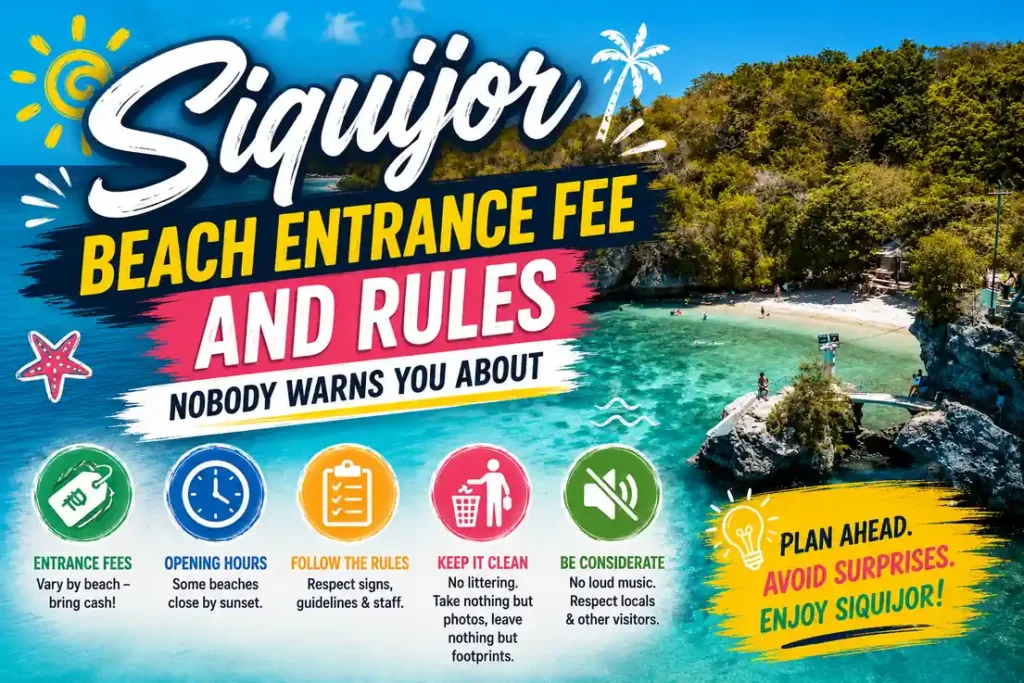
The Siquijor Beach Entrance Fee and Rules changed in a big way in February 2026, and if you’re still reading blog posts from 2023, you’re working with outdated numbers. Every visitor now pays a small provincial fee on top of whatever a specific beach charges, and knowing the real Siquijor Beach Entrance Fee and Rules before you land will save you both cash and confusion.
Here’s the thing nobody mentions upfront: Siquijor doesn’t charge one blanket beach fee. Instead, costs stack depending on which beach you visit, what you want to do there, and whether the site is community-run or privately managed. Some beaches are free to walk onto. Others, like Salagdoong, charge for entrance and parking separately. And since February 1, 2026, there’s a new island-wide fee that catches almost everyone off guard. So let’s break it all down properly, fee by fee, rule by rule.
Siquijor Beach Entrance Fee and Rules
Most beaches on Siquijor don’t have a single official ticket booth the way theme parks do. Instead, fees are collected locally, often by a barangay-run stand or a private resort that maintains the site. Prices are modest by any standard, usually somewhere between $0.30 and $1.70 per person. That said, a handful of popular beaches do charge more if they include facilities like cliff-jumping platforms, restrooms, or parking areas.
On top of any beach-specific charge, travelers should also budget for the newer province-wide fee, which applies no matter which beach you’re heading to. It’s genuinely inexpensive, but forgetting about it can hold up your departure at the port or airport.
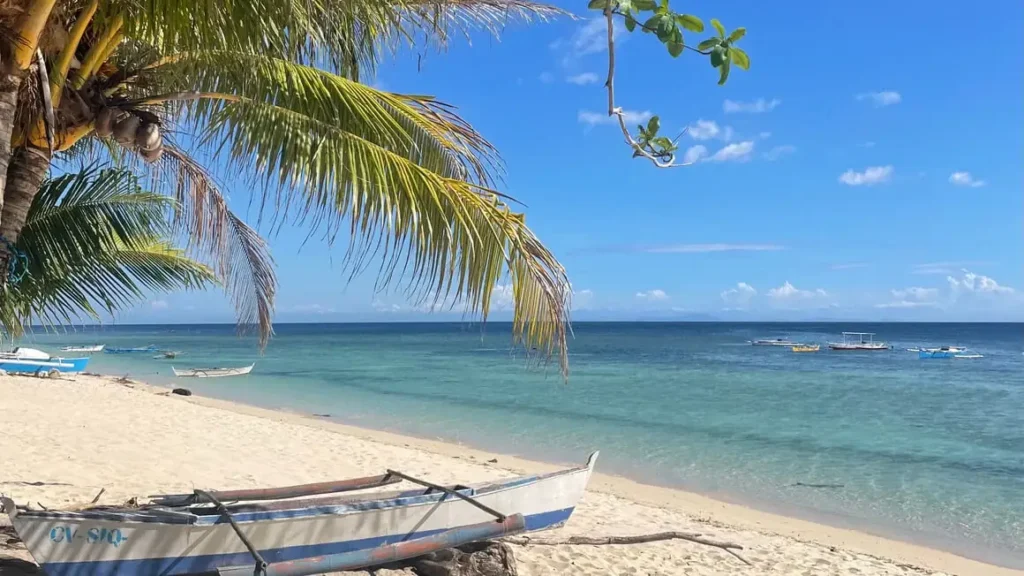
Siquijor Beach Entrance Fee for Tourists
Foreign and domestic tourists are treated the same way under most local fee structures on the island. There’s no separate “foreigner price” at most beaches, which is refreshing compared with some other Philippine destinations.
The main tourist-specific charge is the Tourism Ecological Fee, introduced by the Provincial Government of Siquijor in 2026. It costs roughly $0.86 per adult tourist, with reduced rates for seniors and students.
Children aged six and under, along with island residents, are exempt. This fee isn’t paid at the beach itself; it’s collected when you leave the island. Keep a little cash on hand for departure day so it doesn’t slow you down.
Is There an Entrance Fee at Siquijor Beaches?
Yes, but not everywhere. Many public shoreline areas are free to enter, while resort-managed or government-run beaches like Salagdoong charge a small entrance fee. On average, expect to pay somewhere between $0.30 and $1.70 depending on the location and facilities available. Combine that with the island-wide ecological fee, and your total beach-related spending for a full day rarely crosses $3.
Free vs Paid Beaches in Siquijor
Not every beach on the island comes with a price tag, and that’s part of what makes Siquijor appealing compared with more commercialized islands. Quiet stretches of public shoreline, especially in less-visited barangays, remain completely free to walk onto and swim from. Paid beaches tend to be the ones with added infrastructure: things like cliff-diving platforms, marked parking, changing rooms, or marine sanctuary management.
Paliton Beach, for instance, charges a small entrance fee mainly because of upkeep and crowd management around sunset hours. Meanwhile, smaller or harder-to-reach beaches often have no formal fee system at all. If saving money matters to you, ask locals or your driver which beaches are currently free, since this can shift from year to year.
- Free: most small community shorelines, informal barangay beaches, early-morning access at many sites
- Paid: Salagdoong, Paliton, and marine sanctuary snorkeling zones
- Always paid, once, on exit: the island-wide Tourism Ecological Fee
Entrance Fees at Popular Siquijor Beaches
Here’s a quick snapshot of what you can expect to pay at some of Siquijor’s most-visited beaches, current as of 2026.
| Beach | Fee (PHP) | Fee (USD) | Notes |
| Salagdoong Beach | ₱50 | ~$0.86 | Plus ₱20 (~$0.34) parking |
| Paliton Beach | ₱20 | ~$0.34 | Sunset viewpoint, limited swimming |
| Public/community beaches | Free–₱20 | Free–$0.34 | Varies by barangay |
| Marine sanctuary snorkel zones | ₱50 | ~$0.86 | Snorkeling/diving access |
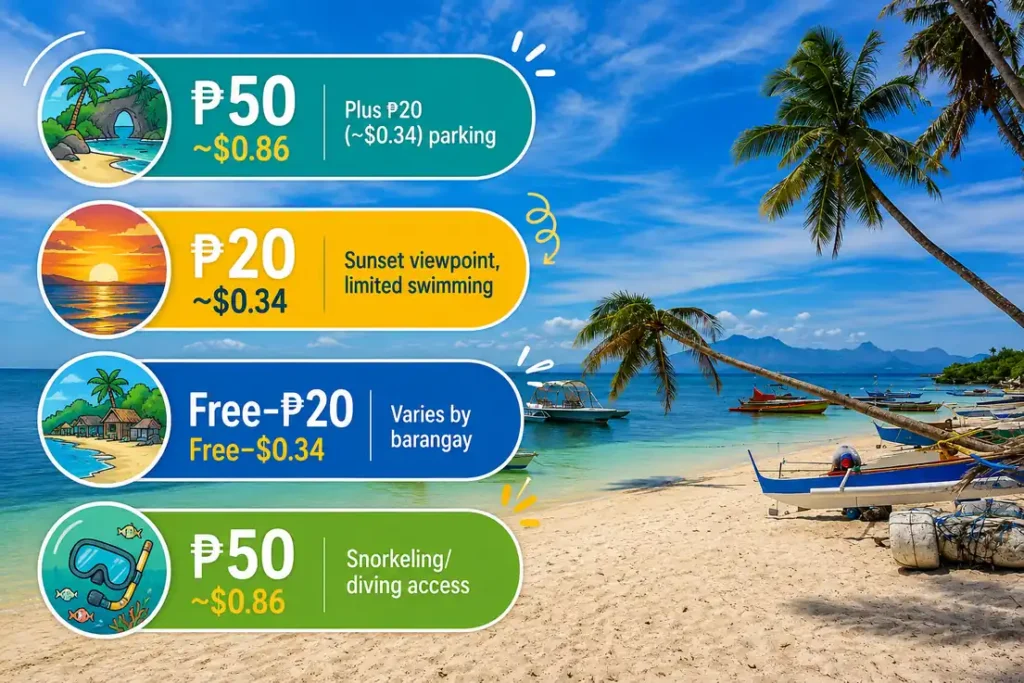
Prices can vary slightly depending on the season, local management changes, or whether a group discount applies. It’s smart to carry small bills, since most stands don’t have change for larger notes. None of these fees are large enough to break a budget trip, but they add up if you’re island-hopping to five beaches in one day.
What’s Included in the Siquijor Beach Entrance Fee?
The entrance fee at managed beaches typically covers more than just the right to step onto the sand. At Salagdoong, for example, your fee includes access to the swimming areas, the cliff-jumping platforms, and basic beach upkeep like waste collection. Some locations also include access to restrooms or changing areas, though these can sometimes carry a tiny separate charge.
Life jackets are occasionally provided free of charge at beaches with cliff-jumping, though this varies by season and staffing. Parking is almost always billed separately, so don’t assume it’s bundled in unless you double-check. Basically, the fee funds the maintenance that keeps these popular spots from falling apart under heavy tourist traffic.
Additional Fees You May Need to Pay
Beyond the standard entrance fee, a few optional extras pop up depending on what you plan to do. Here’s a breakdown of the most common ones travelers run into.
| Extra | Typical Cost (PHP) | Typical Cost (USD) |
| Parking (motorbike/scooter) | ₱20 | ~$0.34 |
| Beach hut/table rental | ₱200/day | ~$3.45/day |
| Snorkel gear rental | ₱100 | ~$1.72 |
| Snorkeling guide fee | ₱50–100 | ~$0.86–$1.72 |
| Tourism Ecological Fee (island-wide) | ₱50 (₱40 senior/student) | ~$0.86 (~$0.69) |
Guides for snorkeling in marine sanctuaries sometimes charge a small fee too, particularly around Paliton and the southern reef areas. Not every beach charges every one of these extras, so it’s worth asking upfront rather than assuming. And remember, the Tourism Ecological Fee is charged once, on departure, not per beach.
Siquijor Beach Rules
Siquijor’s beach rules are fairly relaxed compared with more heavily regulated tourist destinations, but that doesn’t mean anything goes. Local barangays and resort operators enforce basic rules around safety, environmental protection, and respectful behavior. Because the island leans heavily on tourism revenue now, understanding the Siquijor Beach Entrance Fee and Rules genuinely helps keep beaches clean and accessible for everyone. Many of the rules aren’t posted in English everywhere, so it helps to know them before you arrive. Below, we’ve broken things down by category so you’re not caught off guard at any specific beach.
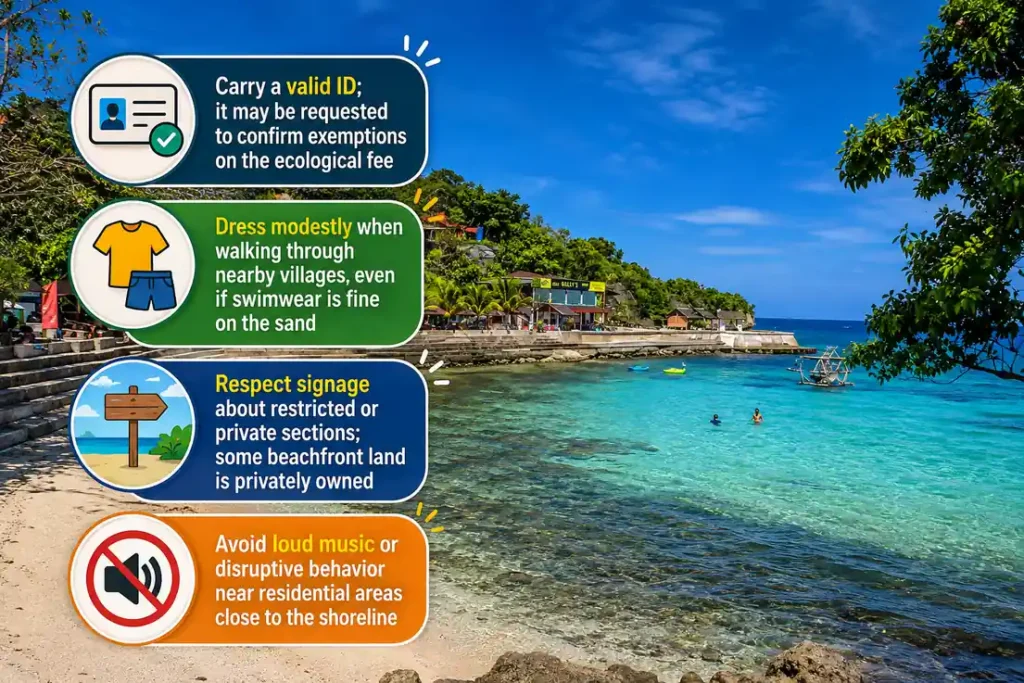
General Rules for Visiting Siquijor Beaches
- Carry a valid ID; it may be requested to confirm exemptions on the ecological fee
- Dress modestly when walking through nearby villages, even if swimwear is fine on the sand
- Respect signage about restricted or private sections; some beachfront land is privately owned
- Avoid loud music or disruptive behavior near residential areas close to the shoreline
Most beaches close informally after dark unless a resort keeps its section lit and staffed. And when in doubt, ask a local vendor or barangay official rather than guessing.
Swimming Rules at Siquijor Beaches
Swimming conditions genuinely change with the tide, especially at beaches with reef or cliff features like Salagdoong. Cliff jumping is generally only advised, and sometimes only allowed, during high tide, when water depth is safer. Lifeguards are not a given at most beaches, so swim at your own risk and know your ability.
Stick to designated swimming zones near marine sanctuaries rather than wandering into boat lanes or coral areas. Children should be supervised closely, since currents can shift quickly along open coastline. If beach staff advise against swimming that day, take it seriously instead of pushing your luck.
Environmental Rules at Siquijor Beaches
Coral touching, standing, or collecting is discouraged and, in marine sanctuary zones, formally restricted under national environmental policy.
The Department of Environment and Natural Resources (DENR) oversees several of these protected marine areas around the island.
Taking sand, shells, or coral home as souvenirs isn’t allowed at protected sites. Sunscreen matters too — reef-safe formulas are increasingly encouraged to protect coral health. Trash should be carried out if no bins are available, which is common at smaller, less-developed beaches. These rules exist because Siquijor’s reefs are part of what makes the swimming and snorkeling worth the trip in the first place.
Food and Drink Rules at Siquijor Beaches
Alcohol is generally permitted on public beaches, and beach bars near San Juan and Salagdoong serve drinks right on the sand. Glass bottles are discouraged, or outright banned, at certain resort-managed beaches due to safety concerns around barefoot visitors. Bringing your own food and drinks onto public beaches is usually fine, though private resort beaches may restrict outside food near their dining areas.
Littering carries real consequences under the Philippines’ solid waste management law, even if enforcement varies by location. Bonfires and beach parties involving alcohol should stay contained and cleaned up before you leave. It’s a good habit to pack a small trash bag for your own waste, just in case bins aren’t nearby.
Drone Rules at Siquijor Beaches
Flying a drone in the Philippines requires registration and, depending on drone weight, a permit from the Civil Aviation Authority of the Philippines (CAAP).
Siquijor Airport has restricted airspace nearby, so drone flights close to San Juan should be planned carefully. Some privately managed beaches, including certain resort-run coves, require permission before you launch a drone at all. Flying over crowded beach areas without consent from nearby visitors is generally frowned upon, even where technically allowed. Weather also matters, since coastal winds on Siquijor can shift fast and are a real risk for smaller consumer drones. When unsure, it’s always worth asking resort staff or a barangay office before flying.
Camping and Bonfire Rules at Siquijor Beaches
Formal camping on public beaches isn’t widely permitted, and most overnight stays happen through registered resorts instead. A handful of beachfront resorts do allow supervised camping or bonfire nights, but usually only with prior arrangement. Open fires during the dry season, roughly March through May, carry higher risk and may require barangay clearance. Unauthorized bonfires on public sand can lead to a polite but firm request to put them out.
If a beach bar or resort offers an organized bonfire night, that’s usually the safest and most hassle-free route. Always fully extinguish any fire and clear debris before leaving, regardless of whether anyone is checking.
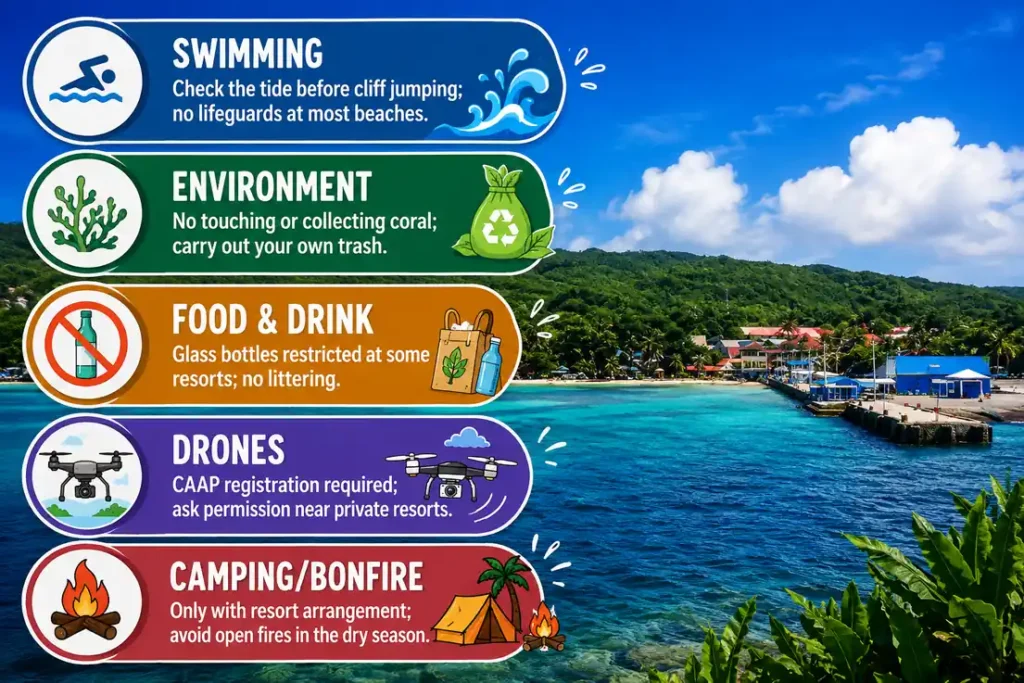
Here’s a quick reference table if you just want the rules at a glance before you head out.
| Category | Key Rule |
| Swimming | Check the tide before cliff jumping; no lifeguards at most beaches. |
| Environment | No touching or collecting coral; carry out your own trash |
| Food & Drink | Glass bottles restricted at some resorts; no littering. |
| Drones | CAAP registration required; ask permission near private resorts |
| Camping/Bonfire | Only with resort arrangement; avoid open fires in the dry season. |
Your Siquijor Beach Day, Sorted
Once you know the real Siquijor Beach Entrance Fee and Rules, the island stops feeling confusing and starts feeling easy. Budget a few coins for beach-specific charges, keep about $0.86 ready for the island-wide fee on your way out, and follow the basic swimming and environmental rules that keep these spots beautiful. Do that, and your only real decision left is which beach to visit first.
Plan the Ultimate Beach Day in Siquijor. Read more in Siquijor Beach That Locals Call Magical for a Reason.
FAQs About Siquijor Beach Entrance Fee and Rules
What Is the Siquijor Beach Entrance Fee and Rules Policy in 2026?
Since February 2026, visitors pay a Tourism Ecological Fee of about $0.86 on departure, plus any specific beach’s own entrance fee, most of which fall under $1.70.
Do I have to pay the Tourism Ecological Fee every time I visit a beach?
No. It’s charged once, when you leave the island, not per beach visit.
Which Siquijor beaches are free to enter?
Many public shoreline areas and smaller community beaches remain free, though popular managed beaches like Salagdoong charge a small fee.
Can I fly a drone at Siquijor beaches?
Generally yes, but check CAAP registration requirements and get permission at privately managed beaches or near the airport.
Is camping allowed on Siquijor beaches?
Only at select resorts with prior arrangement; unauthorized overnight camping on public beaches isn’t standard practice.
Are Siquijor beaches safe for swimming year-round?
Conditions vary with tide and season; the dry months from roughly February to May tend to offer calmer, safer swimming.