
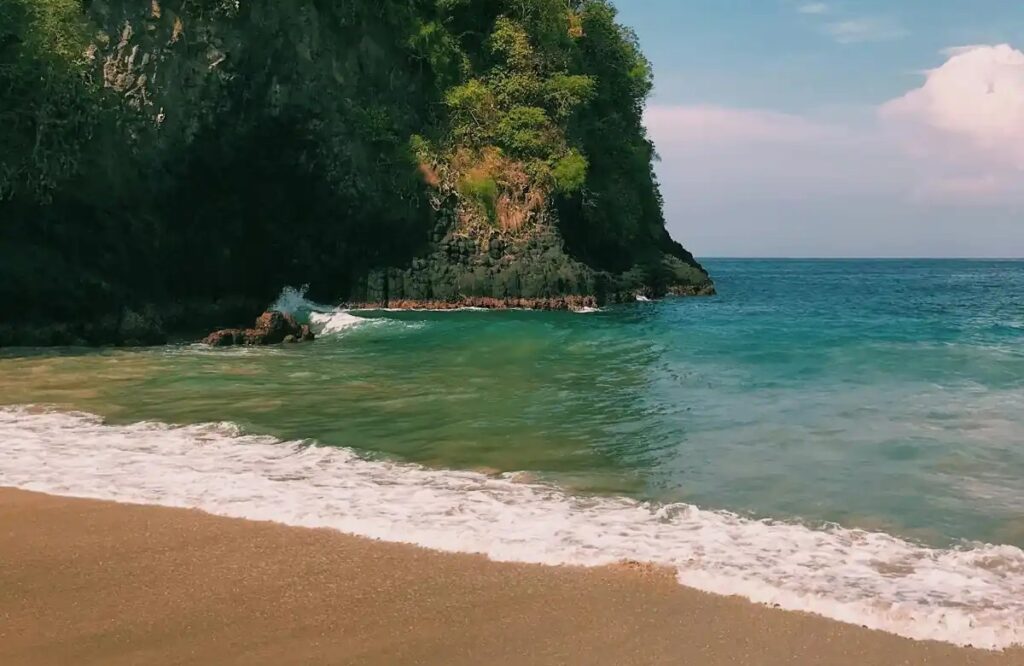
Nyang Nyang Beach travel tips usually begin with one key fact: this beach is hard to find, hard to reach, but very worth the effort. It sits near Uluwatu in South Bali, hidden below high cliffs, and you can only reach it by walking down almost 500 steps through a green jungle path. Because of this walk, most tourists skip it, and that is why the beach stays clean, quiet, and peaceful compared to busy beaches like Kuta or Seminyak.
The most useful Nyang Nyang Beach travel tips focus on timing and preparation, such as visiting early morning or late afternoon, wearing proper shoes, and carrying enough water for the climb back up. With the right planning, this hidden beach can become one of the best and most memorable stops on your Bali trip.
Where Is Nyang Nyang Beach and How Do You Get There?
Location and Access – Nyang Nyang Beach sits in the Pecatu village area of the Bukit Peninsula, near Uluwatu in South Bali. It rests below towering limestone cliffs and is completely hidden from the road. In fact, if you didn’t know it was there, you’d drive right past it without a second glance.
To reach it, drive south from Kuta or Seminyak toward Uluwatu. The journey from central Kuta takes roughly 45 to 60 minutes, depending on traffic. From Uluwatu Temple, Nyang Nyang is only about a 10-minute drive. Most visitors rent a scooter or hire a private driver. Public transport doesn’t really serve this area, so renting a scooter is honestly the most practical and budget-friendly option.
How far is Nyang Nyang Beach from Uluwatu?
Nyang Nyang Beach is approximately 3 to 5 km from Uluwatu Temple, making it roughly a 10-minute drive by scooter or car.
When to Visit Nyang Nyang Beach

The ideal months to visit are during Bali’s dry season, which runs from April through October. During this window, the skies are clearer, the waves are more predictable, and the trail down to the beach is far easier to handle. That said, even in the dry season, early mornings can be slightly overcast. From experience, arriving between 8 am and 10 am gives you the softest light and the most comfortable temperatures before the midday heat kicks in.
On the other hand, visiting during the wet season between November and March is not entirely off the table. However, you should know the trail becomes muddy and slippery during rain, and the waves grow larger and less predictable. Most experienced Bali travelers recommend sticking to April through September for the safest and most enjoyable Nyang Nyang beach experience.
| Month | Weather | Crowd Level | Recommended? |
| January to March | Wet, humid | Very low | Not ideal |
| April to June | Dry, warm | Low to medium | Excellent |
| July to August | Dry, sunny | Medium | Best time |
| September to October | Dry, clear | Low | Very good |
| November to December | Transitional | Very low | Risky |
How difficult is the walk to Nyang Nyang Beach?
The trail is steep and rocky, taking about 20 to 30 minutes to descend. It requires proper footwear and a decent fitness level. The uphill return can be tiring, especially in the afternoon heat.
The Walking Trail: What to Really Expect
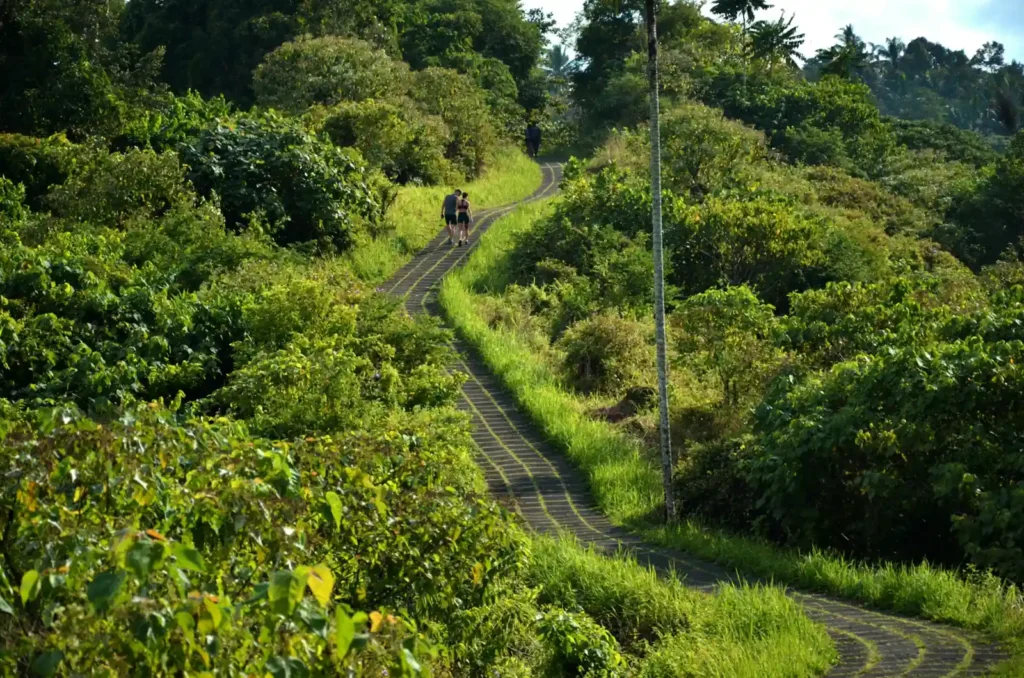
Here’s the part many travelers don’t fully prepare for. The trail down to Nyang Nyang Beach is steep, taking around 20 to 30 minutes to walk on an uneven, rocky path. It’s completely manageable, but it’s not a casual stroll. The path descends at a fairly sharp angle, and coming back up is even more tiring than going down, especially if you’ve been sitting in the sun for a few hours.
From personal experience, the biggest mistake people make is wearing flip flops or flat sandals without grip. The path has loose stones and some slippery sections near the bottom. Sturdy sneakers or hiking sandals with proper ankle support make a significant difference. Furthermore, going down early in the day means you’ll be climbing back up before the worst of the afternoon heat hits.
- Wear closed-toe shoes or hiking sandals with a good grip
- Descend early to avoid climbing back up in peak midday heat
- Bring a walking stick if your knees are sensitive to downhill strain
- Take it at your own pace; there is absolutely no rush
Entry Fees and Parking
Visiting soon? See the latest Nyang Nyang Beach rules and ticket prices first.
As of recent visits, there is a small entry fee collected at a booth near the parking area. It typically sits around IDR 10,000 to 20,000 per person, though this can vary slightly depending on the season. Parking for scooters is available near the trailhead and is usually included in the entry fee or comes at a minimal separate charge.
Interestingly, unlike many of Bali’s more commercialized beaches, Nyang Nyang hasn’t developed heavy ticketing infrastructure yet. This is partly what keeps the crowd levels lower than places like Padang Padang or Dreamland Beach nearby. In any case, always carry some small cash in local currency as there are no card payment options at the entry point.
What should I bring to Nyang Nyang Beach?
Bring at least 1.5 liters of water per person, sunscreen SPF 50+, snacks, proper footwear, a waterproof bag, and a fully charged phone. There are no shops or facilities on the beach itself.
What to Pack for Your Nyang Nyang Beach Visit
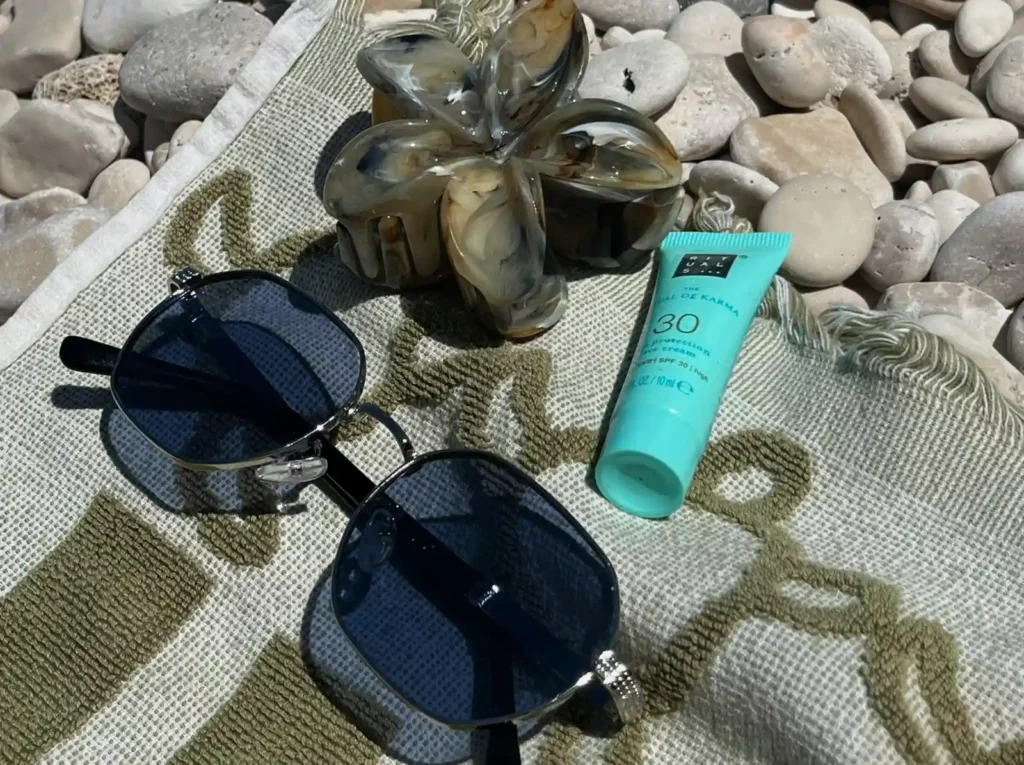
Because there are no food stalls or shops on the beach, packing your own supplies is essential. This is genuinely one of the most overlooked Nyang Nyang beach travel tips. People assume they can grab something once they arrive. You cannot. Everything you need, you carry with you.
- Water, at least 1.5 liters per person for the hike and beach time
- High SPF sunscreen and a wide-brimmed hat or cap
- Energy snacks like granola bars, fruit, or trail mix
- A waterproof dry bag to protect your phone and valuables from splashes
- Light layers for the morning wind near the cliff tops
- A small trash bag to carry your waste back out
| Item | Why You Need It | Priority Level |
| Water (1.5L+) | No shops are available on the beach | Essential |
| Sunscreen SPF 50+ | Open sky and strong Bali UV | Essential |
| Sturdy footwear | Rocky steep trail both ways | Essential |
| Snacks | Long hike plus beach time | High |
| Waterproof bag | Protect electronics from spray | High |
| Trash bag | No bins available at the beach | Recommended |
Safety Tips You Genuinely Need to Follow
The waves at Nyang Nyang Beach are powerful. This is not a beginner swimming beach by any standard. Unless you’re an experienced ocean swimmer or a surfer who reads water conditions well, getting into the water here can be genuinely dangerous. Strong rip currents exist along sections of the beach, and there are no lifeguards stationed here at any time.
Furthermore, the limestone cliffs that frame the beach look beautiful but can be unstable in certain sections, particularly after heavy rain. Avoid standing directly under overhanging cliff edges. Additionally, always tell someone where you’re going before heading down since the mobile signal is very weak or absent at beach level.
Is Nyang Nyang Beach safe for swimming?
The beach has powerful waves and rip currents. It is not recommended for casual swimmers. Experienced surfers enjoy the breaks here, but swimming should only be attempted in calmer, sheltered sections and only by confident ocean swimmers.
Top Photography Locations at Nyang Nyang Beach
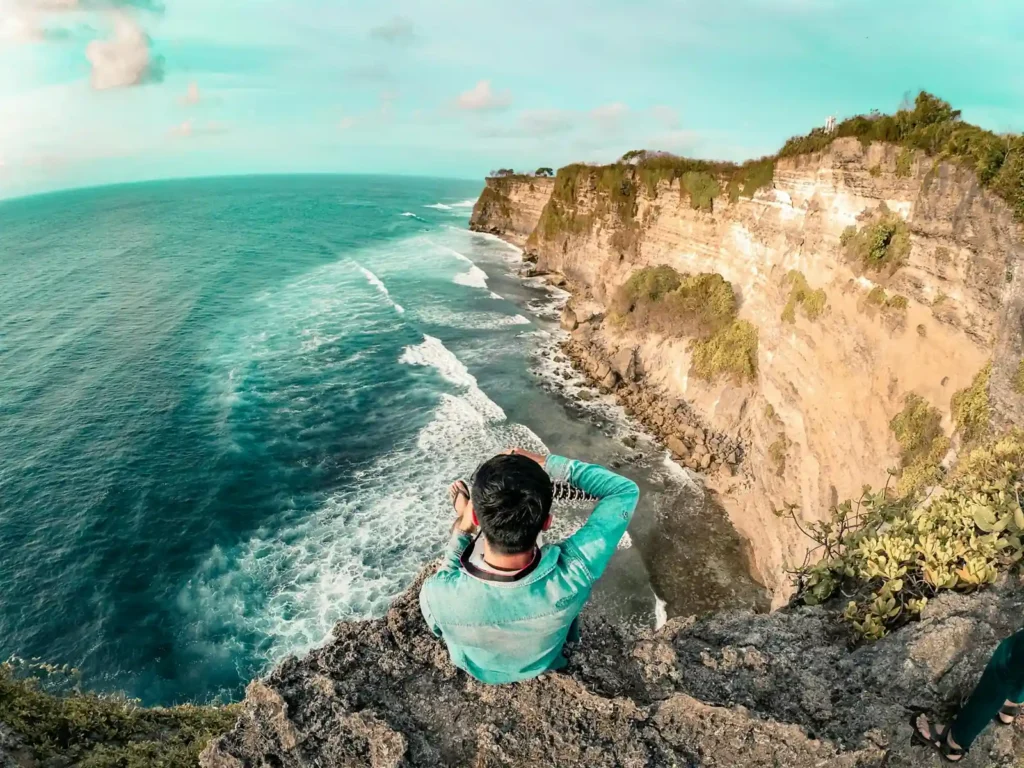
From a photography point of view, Nyang Nyang is one of the most beautiful beaches in Bali. Its white sand, clear turquoise water, and tall limestone cliffs create a stunning scene that’s hard to find anywhere else on the island. However, capturing the best photos here depends on knowing the right spots and timing your visit well.
The cliffs on both the north and south sides of the beach give amazing wide views of the entire coastline. Early morning, especially between 7 am and 9 am, is the best time for warm golden light that makes both the sand and sea look even more beautiful. Around midday, the light becomes very strong and can make the colors look flat. The walking path down to the beach also has several natural spots where trees frame your shots nicely before you even reach the shore.
• The southern cliff viewpoint is perfect for wide, panoramic beach photos
• On the left side of the beach during low tide, you can capture beautiful reflection shots
• If you want sunrise photos, try to reach before 6 am and carry a headlamp because the trail will be dark
• Drone shots are common here, but make sure to check Bali’s latest drone rules before flying
When is the best time to visit Nyang Nyang Beach to avoid crowds?
Arrive before 9 am on a weekday for the quietest experience. Even during peak season in July and August, Nyang Nyang remains far less crowded than mainstream Bali beaches. Weekday mornings are the sweet spot.
How to Avoid the Crowds and Enjoy Real Peace
One of the most useful tips for visiting Nyang Nyang Beach is to plan your timing well. Since the walk down is quite steep and tiring, most people tend to arrive around late morning and leave by early afternoon. If you go early in the morning, right after sunrise, you can often enjoy the beach almost empty and peaceful for a while.
Also, try visiting on a weekday instead of the weekend. Saturdays and Sundays are usually busier because locals and expats come for a trip. But on a weekday like Tuesday or Wednesday morning, you might find the beach almost deserted. It’s a rare chance to enjoy such a beautiful place in complete quiet.
Food and Facilities: Know Before You Go

There are no restaurants, warungs, food stalls, running water, public toilets, or shade structures at the beach itself. Nyang Nyang is raw and undeveloped, and that’s a big part of its appeal. However, it does mean you need to think through your food and hydration situation carefully before making the descent.
There are some small warungs and convenience shops along the road near the parking area, so it’s worth stocking up there before you head down the trail. A few basic cafes also exist near Uluwatu Temple, roughly 10 to 15 minutes away by scooter, where you can eat a proper meal before or after your beach visit.
| Facility | Available at the beach? | Where to Find It Instead |
| Food and drinks | No | Warungs near the parking area |
| Toilets | No | Near the trailhead or Uluwatu cafes |
| Natural shade | Rock overhangs only | Cliff edges at beach ends |
| Mobile signal | Weak or none | Near the top of the trail |
| Sunbeds or rentals | No | Not available nearby |
Local Etiquette and Caring for the Environment
Nyang Nyang Beach stays clean and peaceful mainly because not many people visit it compared to Bali’s popular beaches. But this can change if visitors are not careful about their impact.
The most important thing you can do is take all your trash back with you when you leave, as there are no bins on the beach or near the trail. It also helps to avoid moving or stacking rocks along the shore because it can disturb the natural environment.
Here are a few simple things to keep in mind:
- Always carry your trash back with you after leaving the beach
- Don’t expect bins at the beach or trail area
- Avoid moving, stacking, or disturbing rocks along the shoreline
- Keep noise low to protect birds and small wildlife on the cliffs
- Politely remind others if you see them leaving rubbish behind
The cliffs around the beach are home to birds and small animals, so it’s better to keep noise low and respect their space. If you notice someone leaving rubbish behind, politely reminding them can make a real difference.
In Bali, nature is deeply respected as part of local beliefs, so visitors to Nyang Nyang Beach should try to show the same care and respect.
Nearby Attractions Worth Adding to Your Day

Since you’re already around the Uluwatu area, there are quite a few great places nearby that are easy to reach.
Uluwatu Temple is just about a 10-minute drive away and is one of Bali’s most famous spots, especially for sunset views. If you time it right, you can also watch the traditional Kecak fire dance there, which is really special and worth planning your day around.
Close by, you’ll also find Padang Padang Beach and the well-known Single Fin. These spots are more lively, with plenty of food and drinks, perfect if you want a relaxed, social vibe.
If you’re into surfing, the Uluwatu surf break is world-class and considered one of the best surf spots in Southeast Asia.
A really nice plan is to spend your morning at Nyang Nyang Beach and then head to Uluwatu Temple in the evening for sunset, which gives you a full and memorable experience of the Bukit Peninsula.
See our detailed Nyang Nyang Beach Bali travel guide for hiking, safety, and timing tips.
The Quiet Ending to the Perfect Bali Beach Day
If you’re looking for a quiet, untouched beach in Bali, far from crowds, vendors, and tourist noise, Nyang Nyang is one of the few places that still feels truly peaceful. The walk down is a bit of effort, but the moment you reach the long stretch of white sand and see the tall cliffs behind you, it all feels worth it.
These Nyang Nyang Beach travel tips are based on real experience and what actually helps when visiting. Go early, carry what you need, and respect the natural surroundings. Do that, and you’ll understand why so many travelers consider this beach one of their favorite hidden spots in Bali.
Now that you know how to prepare, you’re all set for one of the most relaxing beach days you can have in Southeast Asia.
Frequently Asked Questions
Is Nyang Nyang Beach free to enter?
There is a small entry fee, usually between IDR 10,000 and 20,000, collected near the parking area at the top of the trail. Parking is often included or available for a minimal extra charge.
How long should I spend at Nyang Nyang Beach?
Most visitors plan for 2 to 4 hours in total. This includes the 20 to 30 minute descent, relaxed time on the beach, and the uphill climb back. If you plan serious photography or just want to unwind, budget a full half-day from the parking area.
Can beginners surf at Nyang Nyang Beach?
No. The waves are powerful and better suited to intermediate or experienced surfers who can read ocean conditions. Beginners should head to Kuta or Seminyak beaches, where surf schools operate, and conditions are far more forgiving.
Is there a mobile signal at Nyang Nyang Beach?
Mobile signal is very weak to nonexistent once you’re at the beach level. Download your maps offline before heading down, and make sure someone knows where you are, especially if you’re visiting solo.
What shoes should I wear to Nyang Nyang Beach?
Closed-toe shoes or hiking sandals with a solid grip are the right choice. Avoid flip flops or flat sandals entirely as the trail is steep and rocky in sections. Good footwear makes a real difference to safety and comfort both ways.
Are there toilets at Nyang Nyang Beach?
No toilet facilities exist on the beach. Use the facilities near the parking area or at a nearby warung before making the descent.