

Is Nyang Nyang Beach safe for swimming? In short, it can be risky, and every visitor should know this before stepping into the water. The beach sits on the open Indian Ocean, so the waves are strong and the currents can pull swimmers away from the shore very quickly.
There are no lifeguards, no rescue equipment, and no warning flags anywhere on the beach, which makes the situation even more dangerous for anyone who is not an experienced swimmer. This is why the question “is Nyang Nyang Beach safe for swimming” comes up so often among travelers planning a trip to Uluwatu. The truth is that the sea here can change within minutes, calm one moment and rough the next, and tourists who are not aware of this often get caught off guard.
So before you head down those steep cliffside steps with plans to swim, it is important to understand the real ocean conditions, not just the beautiful photos you see online.
Quick Answer: Is Nyang Nyang Beach Safe for Swimming?
No, not for most people. This Beach is generally not safe for swimming, especially for beginners or casual swimmers.
Why Nyang Nyang Beach Is Risky for Swimming
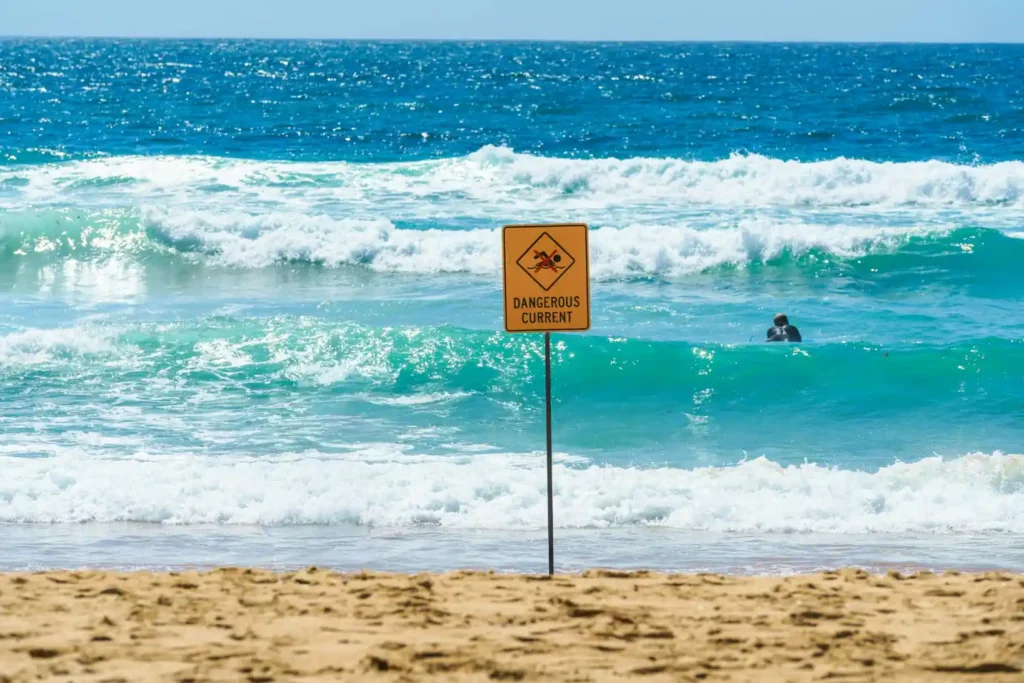
This beach is not recommended for casual or inexperienced swimmers. In fact, strong rip currents, unpredictable Indian Ocean swells, sharp exposed reefs, and zero lifeguard presence make this one of the riskier beaches in Bali for swimming. However, confident and experienced swimmers may be able to find relatively calmer patches on the eastern end of the beach, although even then, caution is always required.
Looking for the best views? Discover Nyang Nyang Beach’s hidden photo spots.
Understanding the Beach Conditions at Nyang Nyang
Before anything else, it helps to understand why this beach behaves the way it does. To begin with, Nyang Nyang is located on the far southwestern tip of Bali’s Bukit Peninsula, and there is literally nothing between this stretch of coastline and Antarctica. Because of this, every swell that rolls in from the southern Indian Ocean arrives here at full, uninterrupted force.
The waves at Nyang Nyang tend to be much bigger and more powerful than what you will find at popular Bali beaches like Sanur or Nusa Dua. The surf here regularly breaks with heavy force directly onto the shoreline, which creates a dangerous shore break situation. Even more concerning, the undertow can be strong. This happens even when the surface looks calm.
On top of that, the beach sits on a reef system that is sometimes only around three feet below the surface at high tide. Consequently, that combination of powerful waves crashing over a shallow reef is genuinely dangerous, especially for anyone who is not an experienced open-water swimmer.
| Condition | Details |
| Wave height | Waist to overhead, depending on season and tide |
| Best tidal window | Mid to high tide (for surfers); dangerous for swimmers at all tides |
| Reef depth | Approximately 3 feet below the surface at high tide |
| Swell origin | Southern Indian Ocean, fully exposed with no barriers. |
| Dry season (May–Oct) | Consistent but manageable swells |
| Wet season (Nov–Apr) | Bigger, more powerful swells |
Quick Answer: Are There Lifeguards at Nyang Nyang Beach?
No, there are no lifeguards here. The beach is remote and undeveloped, so there are no official safety personnel, rescue services, or lifeguard towers available. This means visitors need to be extra cautious, especially when swimming, as strong waves and currents can be unpredictable. You should avoid swimming alone, keep a close eye on the ocean conditions, and prioritize safety at all times.
Safety Conditions and Lack of Lifeguard Services at Nyang Nyang Beach
This is one of the most important things to know before you visit. The beach is remote and undeveloped. It also requires a steep hike of around 20 to 30 minutes just to reach; there are no official safety personnel stationed here. If something goes wrong in the water, you are completely on your own. In fact, there are no rescue boats, no lifeguard towers, and in most cases, very few other people around who could help.
On the other hand, beaches like Nusa Dua and Kuta have active lifeguard patrols throughout the day. This, in turn, makes a huge practical difference when it comes to actual swimming safety. So, at Nyang Nyang, you are entirely responsible for your own safety in the water.
Rip Currents and Ocean Hazards at Nyang Nyang
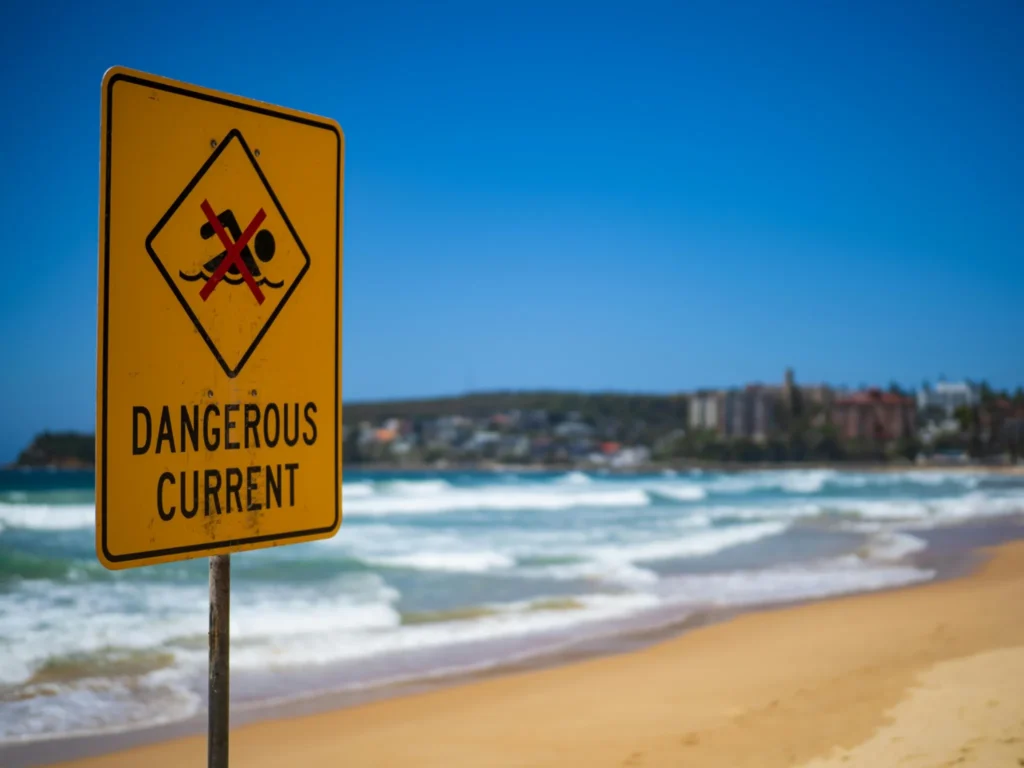
This is where things get really serious. In fact, rip currents at Nyang Nyang are well-documented and genuinely dangerous. Rip currents are powerful channels that pull water away from the shore and race out into the open ocean, and as a result, they form regularly along this stretch of coast due to the combination of incoming swells and the reef configuration offshore.
From a personal safety perspective, rip currents are one of the leading causes of drowning at ocean beaches worldwide. What makes them even more concerning is that they do not always look dangerous. For example, a rip current often appears as a slightly darker, calmer patch of water between breaking waves, which can actually seem like an inviting place to swim. Once you are caught in one, it can drag you offshore faster than most people can swim.
On top of rip currents, there are other real hazards here:
- Sharp reef close to the surface, especially on the western side of the beach
- Freak sets from the southern ocean that arrive unexpectedly with far more force than earlier waves
- Shark activity, Locals and surfers have reported shark activity in this area due to the healthy reef and marine life presence
- No communication or emergency access, making any rescue situation incredibly difficult
Most visitors consider the eastern side slightly more swim-friendly because the reef is less exposed in that area. However, strong currents still run through that section, particularly around mid to high tide.
Quick Answer: Are There Any Suitable Areas for Swimming?
The eastern end of Nyang Nyang Beach is the safest area for swimming, as it has fewer exposed reef sections compared to the western side. However, strong currents are still present, and even this area is only suitable for confident, experienced swimmers.
Riding to Nyang Nyang Beach? Check the safest scooter route and parking tips first. Find the best scooter route to Nyang Nyang Beach with practical parking and safety tips.
Why Nyang Nyang Beach Is Not Ideal for Swimming
In all honesty, Nyang Nyang is not a beach you visit specifically to swim. It is a beach you visit because of its raw, untouched beauty and the dramatic experience of reaching it. If you are determined to get in the water, stick to the eastern section, go in during a calm morning, check the swell forecast in advance, and absolutely never go alone.
The shallow shore break near the water’s edge can be enjoyed for wading or cooling your feet, but even that requires constant attention because sudden surge waves can knock people off their feet without warning.
Quick Answer: Best Times When the Water Is Relatively Calmer
You’ll usually find the calmest conditions during early mornings in the dry season (May to October), particularly when there is little wind, and the tide is incoming. Checking a surf forecast the night before your visit is strongly recommended.
Understanding Seasonal Conditions and Safety at Nyang Nyang Beach

The dry season in Bali runs from May through October, and during this time, the swells are more consistent and slightly smaller compared to the wet season. Within the dry season, early mornings tend to bring the lightest winds and most manageable wave conditions.
That said, “calmer” at Nyang Nyang is a relative term. Even on the flattest day, this is still an exposed Indian Ocean beach with reef hazards and no safety infrastructure. So even during the best conditions, you should approach the water with serious caution.
| Time of Year | Conditions | Swimming Verdict |
| May–October (Dry Season) | Consistent, smaller swells, lighter winds | Marginally safer, still high risk |
| November–April (Wet Season) | Bigger swells, stronger currents | Not recommended for swimming |
| Early morning (any season) | Lighter winds, calmer surface | Best window if you must swim |
| Midday | Strong sun, unpredictable afternoon winds | Avoid swimming |
| High tide | Reef submerged, but the waves are more powerful | Risky |
| Low tide | Reef exposed, very shallow | Extremely dangerous for swimming |
Who Should Avoid Swimming at Nyang Nyang Beach?
Honestly, most people should skip swimming here. But specifically, these groups should stay completely out of the water:
- Children and teenagers – The currents here are strong enough to overpower even teenage swimmers quickly. Families with young children should not let them anywhere near the waterline unattended.
- Non-swimmers or beginners – If you are not a confident open-water swimmer, this is genuinely not the place to practice.
- Anyone swimming alone – With no lifeguards, having someone on the shore who knows where you are is the bare minimum safety requirement.
- People unfamiliar with rip currents – Not knowing how to identify or escape a rip current significantly increases your risk at this beach.
- Visitors during the wet season – November through April- bring larger, more powerful swells that make swimming especially hazardous.
Safety Tips Before You Enter the Water
If you are an experienced swimmer and you still want to take a dip, here are the practical steps you should take before getting in:
- Check the swell forecast using a surf forecasting app or website the evening before your visit. Look for days when the wave height is low and the wind is light.
- Arrive early in the morning when conditions are typically at their calmest.
- Stay on the eastern side of the beach to avoid the worst of the exposed reef system.
- Never swim alone. Have at least one other person on the beach who is watching you and knows how to call for help.
- Know how to escape a rip current. If you are caught in one, do not swim directly back to shore against it. Instead, swim parallel to the shoreline until you are out of the current’s pull, then angle back toward the beach.
- Avoid swimming at low tide when the reef is dangerously close to the surface.
- Bring your phone in a waterproof case and make sure it is charged. Emergency services in Bali can be reached at 112, though response times to this remote location will be slow.
Alternative Safer Beaches Nearby

If your priority is actually swimming and enjoying the water safely, there are many better options within a reasonable distance of Nyang Nyang. From our experience visiting beaches across the Bukit Peninsula and beyond, here are the genuinely safer alternatives:
| Beach | Distance from Nyang Nyang | Why It’s Safer |
| Nusa Dua Beach | Approx. 25–30 minutes by car | Calm lagoon, professional lifeguards, gentle waves |
| Sanur Beach | Approx. 40–45 minutes by car | Shallow protected lagoon, very calm water, family-friendly |
| Tanjung Benoa | Approx. 30 minutes by car | Protected bay, calm water, water sports infrastructure |
| Balangan Beach | Approx. 10 minutes by car | Cleaner surf, slightly more accessible, still check conditions |
Nusa Dua and Sanur are consistently ranked among the safest swimming beaches on the island. Both have protected reefs or lagoons that dramatically reduce wave and current risks, and both have regular lifeguard patrols. For families with kids or anyone who just wants to enjoy the water without serious risk, either of these is a far smarter choice than Nyang Nyang.
What Makes Nyang Nyang Worth Visiting (Even If You Don’t Swim)

So here is the thing: Nyang Nyang Beach is genuinely one of Bali’s most beautiful and underrated spots. Even if swimming is off the table, there are still plenty of reasons why people make that steep hike down. For instance, the two abandoned shipwrecks sitting on the shoreline have become iconic photography subjects, covered in constantly changing graffiti art by local artists. Meanwhile, the sheer drama of the cliffs, the emptiness of the beach, and the raw power of the ocean all come together to create a deeply memorable experience.
In addition, paragliders frequently launch from the cliffs above the beach, which is spectacular to watch from the sand below. So, if you love photography, landscape watching, or simply being somewhere that feels genuinely off the beaten path, Nyang Nyang absolutely delivers on that front.
Final Call: Is Nyang Nyang Beach Safe or Risky for Swimmers?
Quick Answer: It is not safe for swimming for most visitors. The beach has strong rip currents, shallow reef hazards, powerful Indian Ocean swells, and no lifeguards. Experienced swimmers may find the eastern section marginally safer during early morning dry season visits, but the risks remain high for everyone.
To wrap this up plainly: if you are asking whether Nyang Nyang Beach is safe for swimming, the answer for the vast majority of visitors is no. This is not a beach designed for leisure swimming. It is a raw, exposed, remote coastline with serious ocean hazards and zero safety infrastructure. The beauty of the place is undeniable, but the water here demands deep respect.
That said, the beach is absolutely worth visiting for its scenery, its silence, and the adventure of reaching it. Just visit it the smart way: enjoy it from the sand, save your swimming for somewhere safer, and come back for the views. Nyang Nyang will not disappoint on that front.
Frequently Asked Questions
Q1: Is Nyang Nyang Beach safe for swimming?
A: No, not for most visitors. The beach has strong rip currents, an exposed reef, powerful Indian Ocean waves, and no lifeguards. Only experienced, confident open-water swimmers should consider entering the water, and only on calm mornings during the dry season.
Q2: Are there lifeguards at Nyang Nyang Beach?
A: No. Nyang Nyang Beach has no lifeguard presence. It is a remote beach with very limited facilities, and any water-related emergency would require you to manage on your own or wait a significant amount of time for help.
Q3: What time of year is safest for swimming at Nyang Nyang?
A: Early mornings during the dry season (May to October) offer the calmest conditions. Even then, strong currents and reef hazards remain present, so the risk never fully disappears.
Q4: Can children swim at Nyang Nyang Beach?
A: Children should not swim at Nyang Nyang Beach. The currents and waves are too strong, and there are no lifeguards. Young children should also stay well away from the water’s edge due to unexpected surge waves.
Q5: Which part of Nyang Nyang Beach is safer for swimming?
A: The eastern side of the beach (sometimes called Nunggalan Beach) has less exposed reef and is generally considered the slightly safer option. Strong currents still run through this area.
Q6: What are safer beaches near Nyang Nyang for swimming?
A: Nusa Dua and Sanur are the best nearby alternatives for safe swimming. Both have calm, protected water and professional lifeguard patrols.