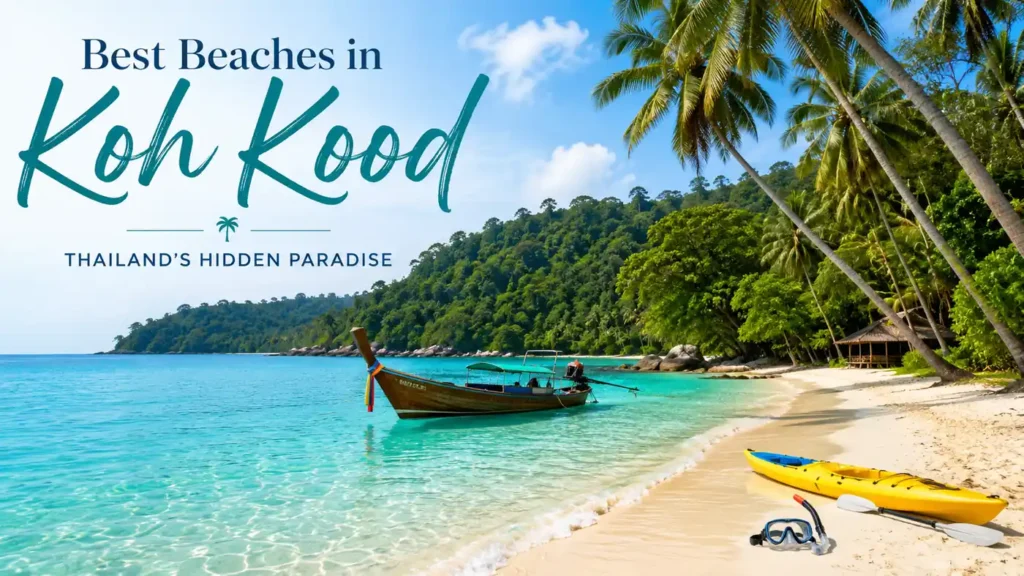
Best beaches in Koh Kood include Klong Chao Beach, Ao Yai Beach, and Bang Bao Beach, and each one offers soft white sand and calm, clear water. These beaches are quiet and clean, with green jungle trees growing close to the shore. Klong Chao Beach is popular for its calm waves and nice sunset views, while Ao Yai Beach is longer and great for long walks. Bang Bao Beach feels more private, with fewer people and simple beach huts nearby.
Thinking about Koh Kood but not sure where to start?this travel guide ,walks you through the best beaches, cozy stays, and honest local tips, so you can skip the guesswork and just enjoy the island.
Most of these beaches have shallow water, so they are safe for swimming and relaxing. If you are searching for the best beaches in Koh Kood, these spots give you natural beauty, peace, and a real break from busy tourist areas. Overall, the best beaches in Koh Kood are perfect for anyone who wants a calm, simple, and beautiful holiday by the sea.
Why Koh Kood Is Thailand’s Hidden Beach Paradise
Koh Kood, also written as Ko Kut, is Thailand’s fourth-largest island and sits in Trat Province, close to the Thai-Cambodian border. According to the Tourism Authority of Thailand (TAT), the island covers around 105 square kilometers, yet tourism development remains deliberately low-key. That contrast is exactly what makes it special.
Most travelers who make it here have done a bit of research. There are no international airports nearby and no giant ferry terminals packed with backpackers. You either fly to Trat or take a bus, then hop on a speedboat. That natural filtering process keeps the crowds thin and the beaches clean. Locals I spoke with mentioned that even during peak season in December and January, their beaches never feel like the ones you see on Thai postcards, crammed with sunbeds and sellers.
The water clarity here is exceptional. Visibility in some spots reaches up to 15 meters underwater, which is rare in the Gulf of Thailand. That is not just a traveler’s claim; it aligns with marine survey data from the Department of Marine and Coastal Resources of Thailand, which has consistently noted Koh Kood as one of the region’s ecologically healthier coastal zones.
What is the best beach in Koh Kood for swimming?
Klong Chao Beach is widely considered the best beach in Koh Kood for swimming. It offers calm, shallow, and crystal-clear water that is safe for adults and kids alike, with a long stretch of white sand backed by swaying palms.
Best Beaches in Koh Kood for Relaxation and Swimming
Klong Chao Beach: The Most Popular Beach in Koh Kood

Klong Chao Beach is, without question, the island’s social hub. It is the longest and most accessible of all the beaches, running for nearly two kilometers along the west-facing coast. Even so, it does not feel crowded. During my stay, I counted maybe thirty people spread across the beach at any given time. That would be nothing on Phuket or Pattaya.
The beach is particularly good for families. The water stays shallow for a good distance from shore, and the current is gentle. Several small guesthouses and beachside restaurants line the inland side of the road, serving fresh seafood at prices that would surprise anyone used to Koh Samui rates.
What makes Klong Chao special:
- Wide, powdery white sand beach
- Shallow, calm water perfect for kids
- Fresh seafood restaurants within walking distance
- The Klong Chao waterfall is a short walk inland
- Minimal development preserving natural beauty
Quick Answer: Is Bang Bao Beach good for snorkeling?
Yes, Bang Bao Beach in Koh Kood offers excellent snorkeling conditions. The water is clear, the reef nearby is healthy, and visibility can reach 10 to 12 meters on calm days, making it one of the better shallow-water snorkeling spots on the island.
Bang Bao Beach: Peaceful Shores and Clear Waters

Bang Bao Beach is located on the southern part of the island and is noticeably quieter than Klong Chao. The sand here is finer, and the atmosphere feels even more secluded. From my experience, arriving in the early morning and having the whole stretch to yourself is an entirely realistic expectation. A few small resorts nestle behind the tree line, but they blend into the scenery rather than dominating it.
The offshore snorkeling here is genuinely good. Coral coverage is decent, and on a clear day, you can spot a variety of reef fish without even renting a boat. The beach faces south-southwest, which gives it stunning golden-hour sunsets, particularly from October through December.
Ao Tapao Beach: Long Sandy Coastline with Scenic Views
Ao Tapao sits on the southern coast and stretches impressively, with far fewer visitors than Klong Chao despite its equal beauty. The sand is soft and pale, and the water transitions from brilliant turquoise near shore to deep blue further out. Moreover, the jungle backdrop gives the whole beach a cinematic quality.
What sets Ao Tapao apart is how undeveloped it remains. There are no rows of rental umbrellas, no persistent drink sellers, and no loud music. On the other hand, you do need to bring your own supplies since facilities are minimal. Locals say that this beach was once considered for major resort development, but environmental protections halted those plans, which is good news for anyone who values the natural coastline.
Klong Hin Beach: Quiet Escape for Nature Lovers
Klong Hin is a short drive from the main resort areas and rewards visitors willing to make the effort. The beach is tucked behind a small headland, and the road leading to it winds through dense jungle. As a result, many tourists simply skip it, which means you often get the whole place to yourself.
The water here is strikingly clear, and the rocky outcrops at both ends of the bay create natural sheltered pools great for curious snorkelers. Furthermore, birdwatching from the beach is surprisingly rewarding since the jungle comes down close to the shore.
Klong Hin at a Glance:
| Feature | Details |
| Crowd Level | Very Low |
| Water Clarity | Excellent (10–15m visibility) |
| Snorkeling Quality | Good (rocky outcrops with reef) |
| Facilities | Minimal (bring your own food and water) |
| Best Time to Visit | November to April |
| Distance from Klong Chao | Approximately 8 km |
What is the most secluded beach in Koh Kood?
Ao Noi Beach is widely regarded as one of the most secluded beaches in Koh Kood. It is accessible mainly by boat or a rough track through the jungle, and sees very few visitors even during high season.
Ao Noi Beach: A Secluded Tropical Gem
Ao Noi feels like the kind of beach you would draw if someone asked you to design a paradise. Small, quiet, with jade-colored water and not a building in sight. Getting there requires a bit of effort, either by longtail boat from the main pier or by asking a local to point you down the right trail. However, that slight inconvenience is precisely what keeps it pristine.
I went by longtail from Klong Chao. The ride takes about twenty minutes and costs around 300 to 400 Thai Baht one way. The boat captain waited on the beach while I swam and explored, which felt both accommodating and a little surreal given how quiet everything was.
Secret Beaches in Koh Kood Worth Exploring
Beyond the named beaches, Koh Kood has several unnamed coves and rocky bays you stumble upon while exploring the coastal road by motorbike or scooter. The island’s coast is not fully charted for tourism, and that is a feature, not a bug.
Locals often point travelers toward a small bay just north of Ao Noi that has no official name on maps but offers outstanding snorkeling around a submerged rock formation. Similarly, the northern tip of the island around Ban Khlong Phrao has stretches of beach that see almost no visitors whatsoever.
Which beach is best for snorkeling in Koh Kood?
Bang Bao Beach and the waters around Klong Hin Beach offer the best snorkeling in Koh Kood. Both locations have healthy coral, good visibility, and calm enough conditions for confident swimmers to explore without needing a guide.
Best Beaches in Koh Kood for Snorkeling and Kayaking
Several guesthouses and resorts on the island rent kayaks for around 150 to 200 Thai Baht per hour. Kayaking from Klong Chao south toward Bang Bao Beach along the coast is one of the most enjoyable ways to discover small coves and inlets that road access cannot reach.
| Activity | Best Beach | Difficulty | Rental Available |
| Snorkeling | Bang Bao / Klong Hin | Easy | Yes |
| Kayaking | Klong Chao (starting point) | Easy to Moderate | Yes |
| Swimming | Klong Chao / Bang Bao | Easy | N/A |
| Boat Trips | Main Pier near Klong Chao | Easy | Yes |
| Jungle Walks | Ao Noi / Klong Hin | Moderate | No |
Family-Friendly Beaches in Koh Kood
For families traveling with young children, Klong Chao Beach is the clear first choice. The shallow entry, calm water, and nearby food options make it practical as well as beautiful. Additionally, the Klong Chao waterfall is an easy walk from the beach, and children love it.
Bang Bao Beach works well for slightly older kids who can snorkel. The water clarity makes even basic mask-and-fin snorkeling rewarding, and seeing colorful fish without needing to go deep is genuinely exciting for young travelers.
Tips for families visiting Koh Kood beaches:
- Bring reef-safe sunscreen; chemical sunscreen is damaging to coral and increasingly discouraged at Thai marine parks
- Book accommodation near Klong Chao for easy beach access
- Rent a motorbike or hire a driver to explore southern beaches with kids
According to the TAT’s Trat provincial office, Koh Kood has seen a steady increase in family tourism since 2019, with repeat visitors citing the safe, clean water as the primary reason they return.
When is the best time to visit Koh Kood?
The best time to visit Koh Kood is between November and April, during the dry season. During these months, the sea is calm, the sky is clear, and beach conditions are at their finest.
Best Time to Visit Koh Kood Beaches
The monsoon season runs roughly from May to October, when waves pick up and some resorts close.
| Season | Months | Beach Conditions | Crowd Level |
| Peak Dry Season | December to February | Excellent | Moderate |
| Shoulder Dry Season | November, March to April | Very Good | Low |
| Monsoon Season | May to October | Variable to Rough | Very Low |
| Post-Monsoon | October to November | Improving | Very Low |
From my experience, November is a sweet spot. The rains are mostly done, prices are still off-peak, and the beach feels especially fresh and green from the wet season. The island’s vegetation is at its most lush, and the waterfalls run strong.
Travel Tips for Exploring Koh Kood’s Coastline
Getting around Koh Kood requires either renting a motorbike, hiring a pickup truck taxi, or walking if you are staying near the main beaches. There is no public transport in the conventional sense.
Practical tips to keep in mind:
- Renting a motorbike costs around 250 to 350 Thai Baht per day and is the most flexible way to explore
- The coastal road on the west side connects most major beaches and takes about 40 minutes to drive end to end
- Bring cash; ATM access is limited to a couple of machines near the pier and main village
- Mobile signal is available but not always strong; download offline maps before you arrive
- The Thailand Department of National Parks, Wildlife and Plant Conservation oversees parts of Koh Kood’s coastal environment, and visitors are asked to respect no-fishing zones and coral protection areas
Where to Stay Near the Best Beaches in Koh Kood
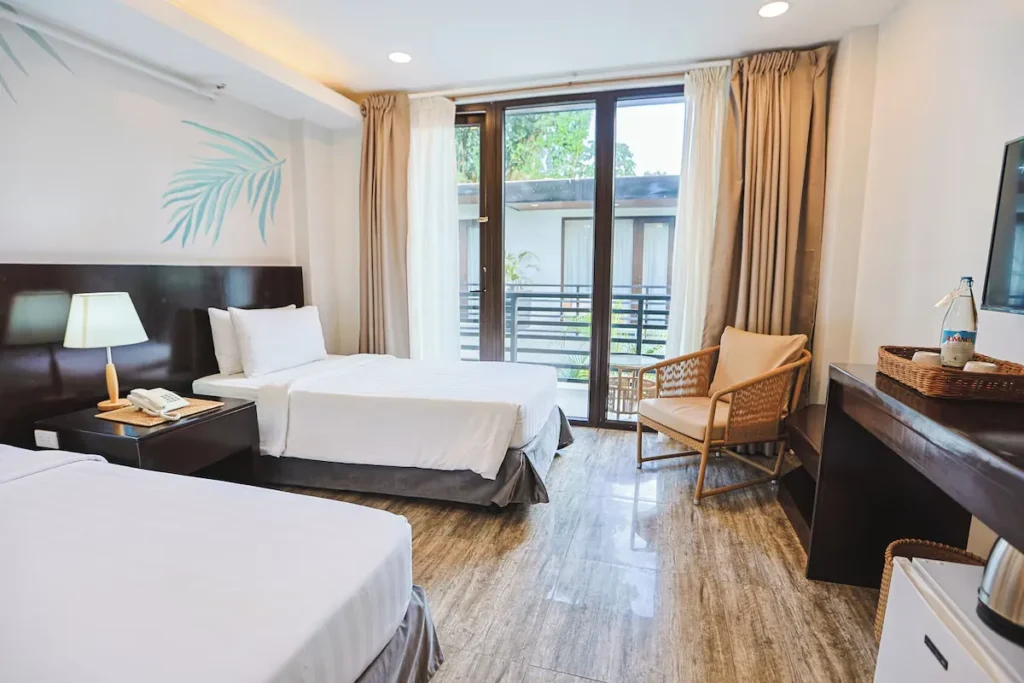
Accommodation ranges from budget bungalows to boutique eco-resorts. Most of the higher-end properties are located along Klong Chao Beach and Bang Bao Beach. Staying near Klong Chao gives you the most convenience; staying near Bang Bao gives you the most tranquility.
Prices vary significantly by season. During December and January, beachfront bungalows can run from 1,200 to 3,500 Thai Baht per night. Outside peak season, the same rooms often drop by 30 to 40 percent. Several eco-conscious resorts on the island use solar power and source their food locally, which aligns with the island’s broader ethos of low-impact tourism.
Quick Answer: Where should I stay in Koh Kood for beach access?
For the best beach access in Koh Kood, stay near Klong Chao Beach for a balance of convenience and scenery, or near Bang Bao Beach for a quieter, more secluded experience. Both areas have a good range of guesthouses and small resorts.
Final Thoughts on Koh Kood’s Best Beaches
Koh Kood is one of those rare places that delivers exactly what it promises. The beaches are genuinely beautiful, the water is clean, and the pace of life is slow enough to actually feel like a holiday. The best beaches in Koh Kood, from the family-friendly shores of Klong Chao to the quiet coves of Ao Noi, offer something that very few beach destinations in Thailand can still claim to offer: real peace and natural beauty without the crowds.
If you go, do not rush. The island rewards slow exploration. Spend a morning at Klong Chao, rent a kayak in the afternoon, take a longtail boat to Ao Noi the next day, and end the trip with sunset from Bang Bao. That is not a complicated itinerary, but it is a good one.
The best beaches in Koh Kood are waiting for you, and for now, they are still waiting quietly.
Frequently Asked Questions
Q: How do I get to Koh Kood from Bangkok?
A: The most common route is to fly from Bangkok Suvarnabhumi Airport to Trat Airport (approximately one hour), then take a speedboat from the Laem Sok Pier to Koh Kood, which takes around 45 to 90 minutes depending on the boat type. Alternatively, an overnight bus from Bangkok’s Eastern Bus Terminal to Trat, followed by a boat connection, works for budget travelers.
Q: Are the beaches in Koh Kood crowded?
A: No. Compared to most Thai beach destinations, Koh Kood beaches are remarkably uncrowded. Even during peak season in December and January, the beaches feel spacious and relaxed.
Q: Is Koh Kood suitable for beginner snorkelers?
A: Yes. Several beaches, especially Bang Bao and areas around Klong Hin, offer shallow, calm water with good visibility, making them ideal for beginner snorkelers. Equipment rental is available at most beaches.
Q: What currency is used in Koh Kood?
A: Thai Baht is the only currency accepted. ATMs are limited on the island, so it is advisable to carry enough cash from the mainland.
Q: Are there any marine protected areas around Koh Kood?
A: Yes. Parts of the waters around Koh Kood fall under marine conservation oversight managed by the Department of Marine and Coastal Resources of Thailand. Visitors are encouraged to avoid touching coral and use reef-safe products.
Q: Can I visit Koh Kood year-round?
A: Technically, yes, but the best experience is between November and April. The monsoon season from May to October brings rougher seas, and some ferry services may be reduced or suspended for safety reasons.