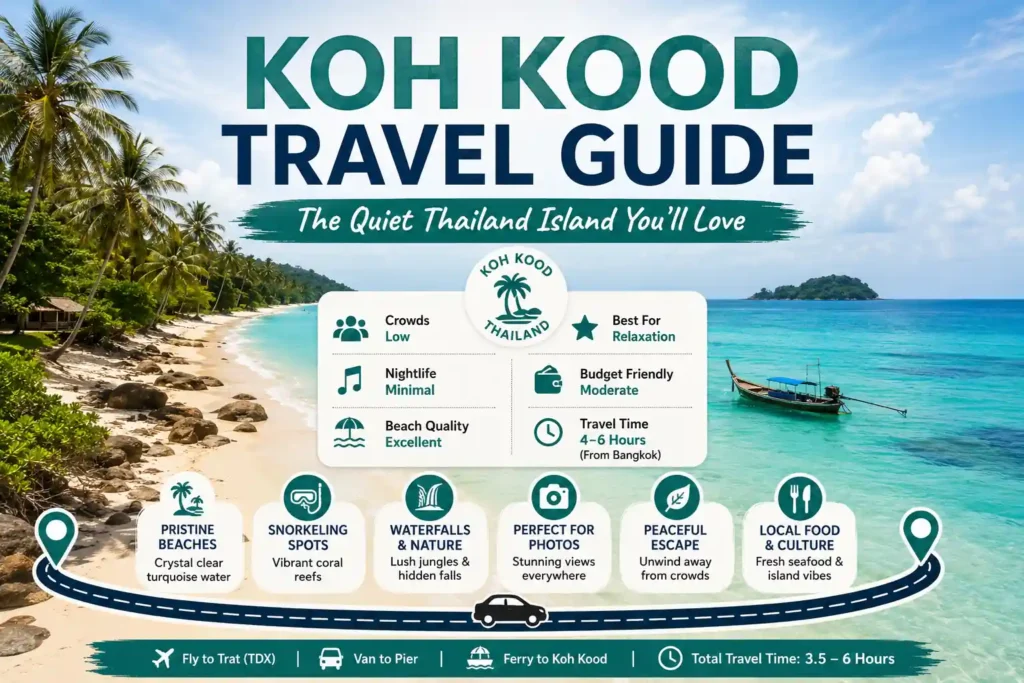
Koh Kood is one of the last quiet islands in Thailand, and this Koh Kood travel guide will help you plan the perfect trip. The island sits in the Gulf of Thailand, near the Cambodian border, and it is Thailand’s fourth-largest island. Yet very few tourists visit, so the water stays clear and turquoise, the beaches stay calm and empty, and the nights stay quiet except for the sound of the waves.
The island has no big roads or nightlife, just small villages, fishing boats, and long stretches of untouched coastline. This Koh Kood travel guide covers everything you need: how to get there, what it costs, and which beaches are worth your time.
Quick Answer: How Long Does It Take to Get to Koh Kood?
From Bangkok, expect 4 to 6 hours total, depending on whether you fly or take the bus. The flight + ferry combo is the fastest, at around 3.5 hours door-to-island.
How to Get to Koh Kood from Bangkok
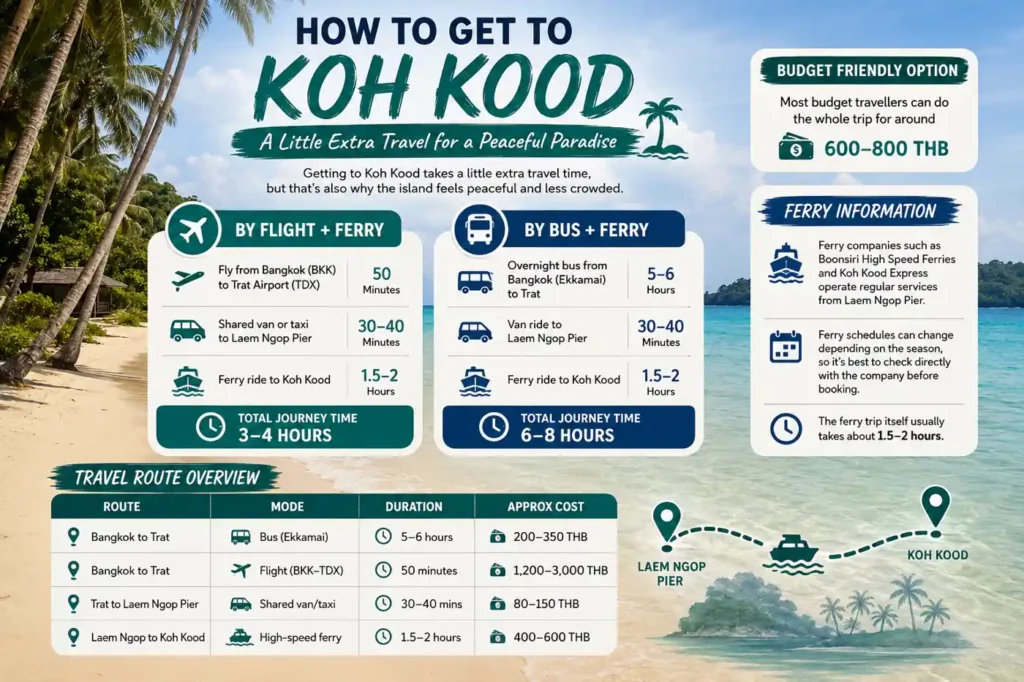
Getting to Koh Kood takes a little extra travel time, but that’s also why the island feels peaceful and less crowded. If you’re coming from Bangkok, here are the two easiest ways to get there.
- By flight + ferry: The quickest option is to fly from Bangkok’s Suvarnabhumi Airport (BKK) to Trat Airport (TDX). Flights with Bangkok airways take about 50 minutes. After landing in Trat, you’ll need a shared van or taxi to Laem Ngop Pier, followed by a ferry ride to Koh Kood. In total, the journey usually takes around 3–4 hours.
- By bus + ferry: If you’re travelling on a budget, you can take an overnight bus from Bangkok’s Eastern Bus Terminal (Ekkamai) to Trat. The bus ride normally takes about 5–6 hours. Once you arrive, you’ll continue with a van ride to the pier and then catch the ferry to the island. Most budget travellers can do the whole trip for around 600–800 THB.
Ferry companies such as Boonsiri High Speed Ferries and Koh Kood Express operate regular services from Laem Ngop Pier. Ferry schedules can change depending on the season, so it’s best to check directly with the company before booking. The ferry trip itself usually takes about 1.5–2 hours.
| Route | Mode | Duration | Approx Cost |
| Bangkok to Trat | Bus (Ekkamai) | 5-6 hours | 200-350 THB |
| Bangkok to Trat | Flight (BKK-TDX) | 50 minutes | 1,200-3,000 THB |
| Trat to Laem Ngop Pier | Shared van/taxi | 30-40 mins | 80-150 THB |
| Laem Ngop to Koh Kood | High-speed ferry | 1.5-2 hours | 400-600 THB |
Want a step-by-step breakdown of ferries, buses, flights, and transfer costs? Read: Bangkok to Koh Kood: Best Ferry, Bus & Flight Options Explained
Koh Kood vs Koh Chang vs Koh Samet
This is probably one of the questions I get asked the most, so here’s a simple and honest comparison based on actually visiting all three islands.
- Koh Chang is the largest island and the most developed. It has plenty of resorts, easy access to ATMs, restaurants, and even some nightlife around White Sand Beach. The downside is that parts of it can feel crowded, and the beaches near the busy areas aren’t the most impressive.
- Koh Samet is the easiest island to reach from Bangkok, which is why it gets very busy on weekends with local travelers. The beaches are nice, the water is clear, and the atmosphere is fun and energetic. But overall, it feels more like a quick weekend getaway than a peaceful island escape.
- Koh Kood is easily the most beautiful when it comes to nature and beaches. The water is crystal clear, the island feels quiet, and you won’t find noisy streets, constant crowds, or jet skis everywhere. It’s definitely more relaxed and peaceful. The only catch is that getting there costs more, and there are fewer cheap places to stay. If your main priority is stunning beaches and a calm atmosphere, Koh Kood is the best choice.
| Feature | Koh Kood | Koh Chang | Koh Samet |
| Beach quality | Excellent | Good | Good |
| Crowds | Low | High | Very High (weekends) |
| Nightlife | Minimal | Moderate | Lively |
| Budget-friendliness | Moderate | Budget-friendly | Budget-friendly |
| Getting there | Effort required | Easy | Easy |
| Natural scenery | Outstanding | Good | Moderate |
Still deciding between the islands? This guide breaks down Koh Kood vs Koh Chang vs Koh Samet to help you choose the right Thai island for your travel style, budget, and vibe.
Best Beaches in Koh Kood
From my experience exploring the coastline over two separate trips, here are the beaches that genuinely impressed me.
Klong Chao Beach
This is the main beach and the most accessible one. It’s long, wide, and the water stays shallow for a good stretch, making it great for swimming. A small river feeds into the sea at the northern end, which is a nice touch. Most of the accommodation and restaurants are close by.
Ao Phrao Beach
Further south, Ao Phrao is quieter and more secluded. The sand here is notably fine. Locals say that in peak season (November to April), the water visibility for snorkelling here is exceptional. I went in February and could see the bottom clearly at 4 to 5 metres.
Ao Tapao Beach
If you really want to get away from people, Ao Tapao is your spot. It’s harder to reach, and that filters out most day-trippers. Bring your own water and snacks because there’s nothing around. However, the trade-off is absolute stillness and water that looks almost unreal.
- Klong Chao: Best for swimming and convenience
- Ao Phrao: Best for snorkelling and sunset views
- Ao Tapao: Best for solitude and raw nature
- Ao Jaan: Good for families, very calm water
Klong Chao Beach Guide: What You Need to Know (Quick Answer)
Klong Chao Beach is Koh Kood’s most popular beach. It stretches for about 2 km, has calm swimming conditions, and is lined with guesthouses, restaurants, and beach bars. It’s the social hub of the island.
Klong Chao Beach, Koh Kood: Full Guide
Klong Chao is the main area where most travellers choose to stay, and it’s easy to see why. The beach looks out to the west, so you can enjoy really beautiful sunsets right over the ocean. There are plenty of places to stay here, from simple budget bungalows with fans to more comfortable beachfront resorts.
The food options around Klong Chao are also great. You’ll find fresh seafood, tasty Thai curries, and even Western-style breakfasts. Prices are still quite affordable compared to Thailand’s busier islands. For two people, a good seafood meal with rice and drinks usually costs around 400–700 THB.
There’s also a lot to do nearby. You can rent kayaks, join snorkelling trips, or visit the beautiful Klong Chao Waterfall, which is only about a 15-minute walk from the beach. The waterfall is peaceful, scenic, and surprisingly less crowded than many people expect.
Koh Kood Hotels: Budget to Luxury
See the real Koh Kood travel costs for hotels, ferries, food, and island activities so you can plan an affordable Thailand getaway without overspending.
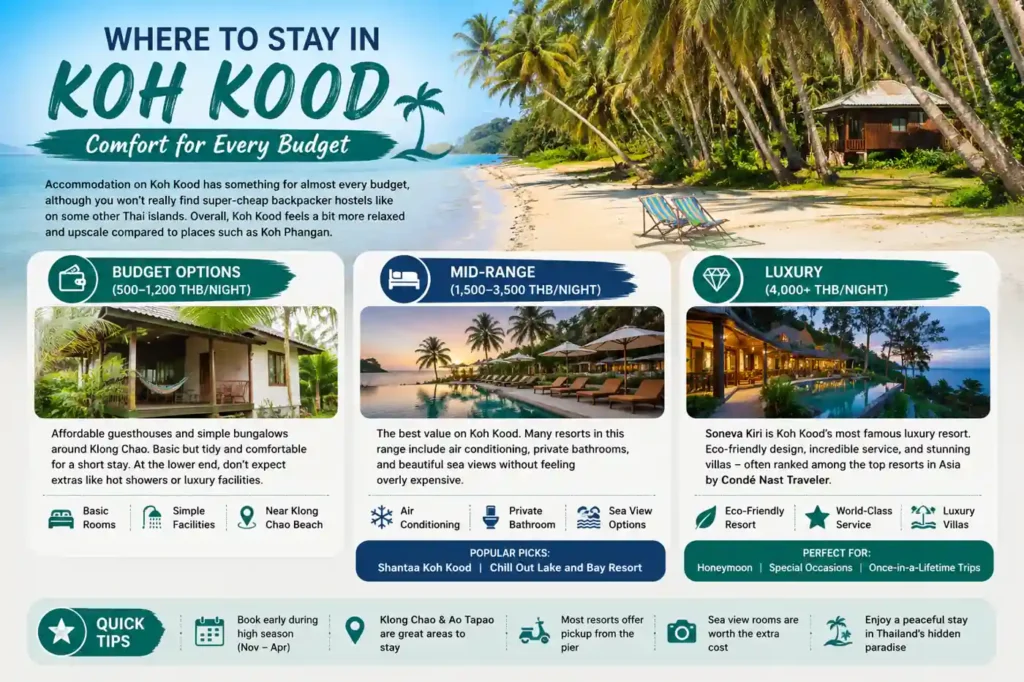
Discover the best Koh Kood hotels, from cheap beach bungalows to luxury beachfront resorts perfect for your Thailand island escape.
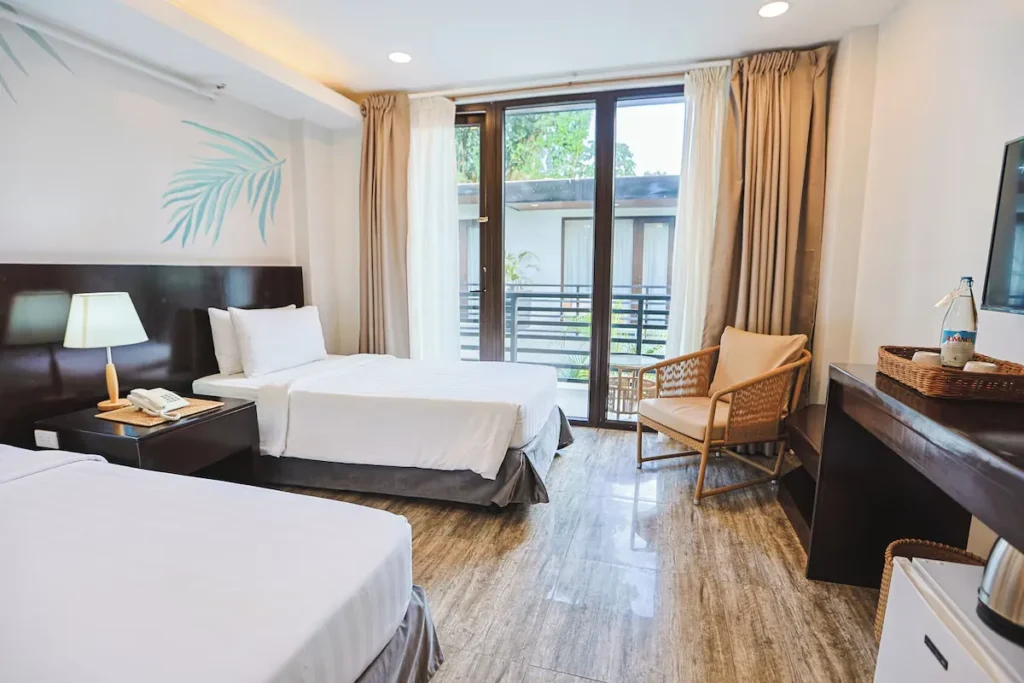
Accommodation on Koh Kood has something for almost every budget, although you won’t really find super-cheap backpacker hostels like on some other Thai islands. Overall, Koh Kood feels a bit more relaxed and upscale compared to places such as Koh Phangan.
- Budget options (500–1,200 THB/night):
You can still find affordable guesthouses and simple bungalow stays around Klong Chao. These places are usually basic but tidy and comfortable enough for a short stay. At the lower end of the price range, don’t expect extras like hot showers or luxury facilities. - Mid-range (1,500–3,500 THB/night):
This is where Koh Kood offers the best value. Many resorts in this range come with air conditioning, private bathrooms, and beautiful sea views without feeling overly expensive. Stays like Shantaa Koh Kood and Chill Out Lake and Bay Resort are popular choices among travellers for their comfort and atmosphere. - Luxury (4,000+ THB/night):
Soneva Kiri is the island’s most famous luxury resort. It’s known for its eco-friendly design, incredible service, and stunning villas, and it’s often ranked among the top resorts in Asia by travel magazines like Condé Nast Traveler. It’s definitely expensive, but for a honeymoon or a once-in-a-lifetime trip, many travellers say it’s worth the splurge.
Best Time to Visit Koh Kood (Quick Answer)
Find the best time to visit Koh Kood for sunny beaches, clear snorkeling water, fewer crowds, and cheaper hotels with this complete seasonal travel guide.
The best months are November through April. This is the dry season, with calm seas, minimal rain, and clear skies. Peak season is December to February. Avoid May through October when the southwest monsoon brings heavy rain and rough ferries.
Best Time to Visit Koh Kood
Here’s why more travellers are choosing Koh Kood over Thailand’s busier islands: Is Koh Kood Worth Visiting? The Quiet Thai Island Tourists Still Miss
The Gulf of Thailand has clear travel seasons, and Koh Kood follows the same pattern. According to the Thai Meteorological Department, the dry season usually lasts from November to April.
The best time to visit is from November to February, when the weather is sunny, the sea is calm, and the island feels less crowded. March and April are also great months to go, though temperatures are hotter and there are usually more visitors.
From May to October, it’s considered the rainy season. During the heaviest rain months, especially August and September, some ferries and smaller guesthouses may temporarily close, so it’s a good idea to check ahead before planning your trip.
Koh Kood Travel Cost Breakdown
One thing travellers often ask me is how expensive Koh Kood actually is. Based on personal experience and comparing notes with other travellers I met there, here’s a realistic breakdown.
| Category | Budget | Mid-Range | Luxury |
| Accommodation/night | 500-1,200 THB | 1,500-3,500 THB | 4,000+ THB |
| Meals (per day) | 300-500 THB | 600-1,000 THB | 1,500+ THB |
| Scooter rental/day | 250-350 THB | 350-500 THB | N/A |
| Snorkel trip | 500-800 THB | 800-1,200 THB | Custom tours |
| Drinks (local beer) | 60-80 THB | 80-120 THB | 200+ THB |
Overall, a realistic mid-range daily budget (accommodation, food, one activity, transport) lands around 1,500 to 2,500 THB per person. That’s notably higher than Koh Samui a decade ago, but reasonable given the island’s quality.
Koh Kood Itinerary: 3 Days
Day 1: Arrive, Relax & Explore Klong Chao
Check into your stay near Klong Chao Beach and take some time to relax after arriving. Spend the afternoon swimming or just enjoying the beach atmosphere. Before sunset, take a short walk to the waterfall. In the evening, have dinner at a beachfront restaurant and enjoy the beautiful orange sunset over the sea. Try to sleep early so you’re fresh for the next day.
Day 2: Beach Hopping & Snorkelling
Start your morning by renting a scooter (details in the guide below). Ride towards Ao Phrao and stop at a few scenic viewpoints along the way. In the afternoon, join a snorkelling trip from the beach — most local operators offer tours for around 500–800 THB. On your way back, visit Bang Bao fishing village and enjoy some freshly grilled seafood.
Day 3: Explore the North & Departure
Spend your final morning exploring the quieter northern side of the island. This area is less crowded and has a more natural, untouched feel with peaceful beaches and forest trails. After lunch, return to your accommodation, pack your bags, and head to the ferry pier for departure.
Is Koh Kood Worth Visiting?
Yes, absolutely. Koh Kood is one of Thailand’s most beautiful and least commercialised islands. It’s worth it for the beaches, clear water, and peaceful atmosphere, especially if you’re tired of crowded tourist spots.
Things to Do in Koh Kood

The most memorable things to do in Koh Kood are often the ones you won’t find on typical Thailand itineraries.
There’s plenty to do here besides relaxing on the beach, although, to be fair, the beaches alone are reason enough to visit.
- Snorkelling and diving: The coral reefs around Koh Kood are still in great shape compared to busier islands. Nearby Ko Rang Marine National Park is known for some of the best diving spots in the Gulf.
- Kayaking: You can rent a kayak at Klong Chao and paddle along the coast. Early mornings are usually the calmest, plus the views look even better in the soft morning light.
- Waterfall visits: Both Klong Chao Waterfall and Klong Yai Kee Waterfall are easy to reach and definitely worth the short walk through nature.
- Village exploration: Visit Bang Bao fishing village in the south to experience local island life. You can even buy freshly caught seafood straight from the fishermen.
- Scooter exploration: Renting a scooter is one of the best ways to explore Koh Kood freely and discover hidden spots around the island at your own pace.
Koh Kood vs Phuket
From beaches and nightlife to costs and atmosphere, Koh Kood vs Phuket: Which Thai Island Is Really Worth Your Time?
This comparison gets asked a lot, and honestly, it depends on the kind of trip you want. Phuket is a complete travel destination with international airports, big hotel brands, modern facilities, and a lively nightlife scene. It’s easy to reach, easy to get around, and has some truly beautiful beaches like Surin Beach and Naithon Beach.
At the same time, Phuket is very popular and crowded. According to official tourism figures, around 9 to 10 million people visit every year. During peak months like December and January, the famous beaches can get extremely busy.
Koh Kood is completely different. It’s more remote, peaceful, slower, and usually costs more to reach. If you enjoy nightlife, convenience, and lots of activity, Phuket is the better choice. But if you want a quieter side of Thailand that feels more natural and less touristy, Koh Kood is the place to go.
Ferry Schedules: Key Facts (Quick Answer)
Ferries to Koh Kood typically run once or twice daily in peak season and may be reduced or suspended in low season (May to October). Always book tickets at least a day in advance during December and February.
Koh Kood Ferry Guide
Taking the ferry to Koh Kood? Discover the best routes, ferry schedules, speedboat options, and local travel tips before you go.
The ferry is your only way onto the island (unless you charter a private boat), so it’s worth planning this carefully.
The main operators are Boonsiri High Speed Ferries and Koh Kood Express. Boonsiri runs a catamaran service that’s comfortable and reasonably fast. Koh Kood Express tends to be cheaper but slower. Both depart from Laem Ngop pier, which is about 17 km from Trat town.
One thing worth knowing from experience: the sea can get rough between October and May outside peak season. If you’re prone to seasickness, sit at the back of the boat on the lower deck and take medication in advance.
Koh Kood Scooter Rental Guide
Honestly, renting a scooter completely changes your Koh Kood experience. Here’s what to know before getting on the road.
Renting a scooter is hands-down the best way to explore Koh Kood. The main road running north to south is manageable and well-surfaced for the most part. That said, some side tracks to quieter beaches are unpaved and can be slippery after rain.
Rental prices run from 250 to 500 THB per day, depending on the bike and season. Most guesthouses can arrange this or point you to a nearby rental spot. You’ll typically need to leave your passport or a cash deposit.
- Bring an international driving licence or a Thai licence
- Wear a helmet, it’s required by law and genuinely important on gravel tracks
- Fuel up at the small roadside shops since there’s no formal petrol station on the island
- Avoid riding at night on unfamiliar roads
Koh Kood Beach Entrance Fees and Rules
This is something that surprises a lot of travellers. On Koh Kood, some beaches are located right in front of private resorts, which means they may only be easily accessible to guests staying there. But the good news is that most beaches on the island are still open to the public.
There is no overall national park entry fee for visiting the main beaches on Koh Kood itself. However, if you plan to go to Ko Rang Marine National Park for activities like diving or snorkelling, foreign visitors need to pay a 200 THB national park fee, as set by the Department of National Parks, Wildlife and Plant Conservation.
When it comes to environmental care, Koh Kood is quite strict about protecting nature. Many resorts have stopped using single-use plastics to reduce waste. Visitors are also expected to take their trash back with them on boat trips and to avoid touching or stepping on coral reefs to help preserve the marine life.
Koh Kood Beach Travel Tips
Dreaming of a quiet Thailand island without the crowds? These Koh Kood beach travel tips will help you plan the perfect first trip.
After multiple visits and conversations with long-stay travellers on the island, here are the tips that actually matter.
- Book accommodation at least two to three weeks ahead for December and January travel
- Bring enough cash since ATMs are extremely limited on the island
- Sunscreen that’s reef-safe is strongly preferred and in some areas required
- Internet connectivity is improving but still patchy in some areas, so download offline maps
- Respect the quieter local lifestyle: loud music and large groups can be intrusive in smaller villages
- Learn a few basic Thai phrases: locals genuinely appreciate the effort
Koh Kood vs Koh Chang: Key Difference (Quick Answer)
Koh Kood has far better beaches and water quality, but Koh Chang is easier to reach and more budget-friendly. Choose Koh Kood for a quieter, more natural experience and Koh Chang for a livelier, more convenient trip.
Conclusion: Why Koh Kood Belongs on Your Bucket List
Koh Kood is one of the few places in Thailand where you can still sit on the beach at sunset and feel like you’ve truly found something special. Not in an overused, cliché way, but in the sense that you made the effort to get here, and the place genuinely lives up to it.
The water really is as clear as people say. The beaches are just as calm and peaceful as they look in photos. And for now, the crowds are still light enough that you can actually relax and enjoy the atmosphere.
From my experience, the best way to enjoy Koh Kood is to plan your trip properly, especially visiting between November and February, renting a scooter to explore the island, and staying at least three to four nights so you can really unwind.
Most Thai islands go through a familiar cycle: they’re discovered, shared by word of mouth, blow up on Instagram, get crowded, and then become heavily developed. Koh Kood is still somewhere in the middle of that journey. That’s why going sooner rather than later is genuinely a good idea.
So start planning your Koh Kood trip. Book your ferry early, set your budget, and get ready for one of the most relaxing and rewarding island experiences in Thailand.
FAQs About Koh Kood
Q1: Is Koh Kood suitable for budget travellers?
It’s not the cheapest Thai island, but budget options exist. Expect to spend around 1,200 to 1,800 THB per day minimum, covering accommodation, food, and transport.
Q2: Can I visit Koh Kood without a car or scooter?
Technically, yes, but it limits you. You can walk the main beach area easily, but to explore properly, a scooter is worth renting for at least one or two days.
Q3: Is Koh Kood safe for solo travellers?
Yes, it’s considered one of the safer Thai islands. It’s quiet, the local community is welcoming, and there’s very little of the scam culture you find in more tourist-heavy destinations.
Q4: Are there ATMs on Koh Kood?
There are a very small number of ATMs on the island, and they can run out of cash during peak season. Bring enough Thai Baht from the mainland.
Q5: What language do people speak on Koh Kood?
Thai is the main language. English is spoken at most resorts and tourist-facing businesses, but basic Thai phrases go a long way in local villages.
Q6: Does Koh Kood have good snorkelling?
Yes. The reefs around Koh Kood and nearby Ko Rang Marine National Park are among the best in the Gulf of Thailand, with good coral health and visibility.