Port Barton is a small coastal town on the western side of Palawan, in the Philippines, and this Port Barton travel guide gives you the real facts you need before you go. It sits about four to five hours by land from Puerto Princesa, and most visitors arrive by van or private transfer, since there is no airport in town. The area is known for calm turquoise water, quiet beaches, and island-hopping tours that cost far less than similar trips in El Nido or Coron.
You can find simple beach huts for under $15 a night or small resorts with sea views for a bit more, and fresh seafood dinners are cheap and easy to find along the main street. This Port Barton travel guide focuses on what actually matters for planning: transport options, the best time to visit, where to stay, and which boat tours are worth your money.
Where Is Port Barton Located?
Port Barton is a small coastal barangay located in the San Vicente municipality, northern Palawan, Philippines. It sits along the Sulu Sea, roughly halfway between Puerto Princesa (the provincial capital) and El Nido. Geographically, it occupies a sheltered bay fringed by forested hills, with a string of nearby islands that make it a natural base for island hopping.
What sets Port Barton apart is scale. Where El Nido now accommodates thousands of tourists per day, Port Barton hosts a few hundred, creating a visitor experience that still feels personal and real. The village has electricity (though schedules can vary), basic Wi-Fi at guesthouses, and a handful of unpaved roads lined with bamboo restaurants and dive shops.
Where exactly is Port Barton?
Port Barton is a coastal barangay in San Vicente, northern Palawan, Philippines, located between Puerto Princesa and El Nido along the western Sulu Sea coast.
How to Get to Port Barton in 2026
Getting to Port Barton requires a bit of effort, and that effort is precisely what keeps it special. Here is a breakdown of the most reliable routes in 2026:
- From Puerto Princesa: Take a shared van or private transfer to San Vicente (approx. 3.5–4 hours). Vans depart from the San Jose terminal daily and cost around PHP 350–500 per person. From San Vicente town, a tricycle or motorbike takes you the final 12 km to Port Barton.
- From El Nido: A private transfer or shared van heading south toward Puerto Princesa can drop you at the Port Barton junction. Travel time is approximately 3 hours.
- By Sea: Seasonal boat services from El Nido to Port Barton operate during calm-weather months (November to May). Check with local operators for 2026 schedules, as these are not always guaranteed.
- By Air: The San Vicente Airport now receives limited flights from Manila. This is the fastest option and cuts travel time dramatically. Check Cebu Pacific and Air Juan for current routes.
How do you get to Port Barton from Puerto Princesa?
Take a shared van from the San Jose terminal in Puerto Princesa to San Vicente (3.5–4 hours, ~PHP 350–500), then a short tricycle ride to Port Barton village.
Best Time to Visit Port Barton
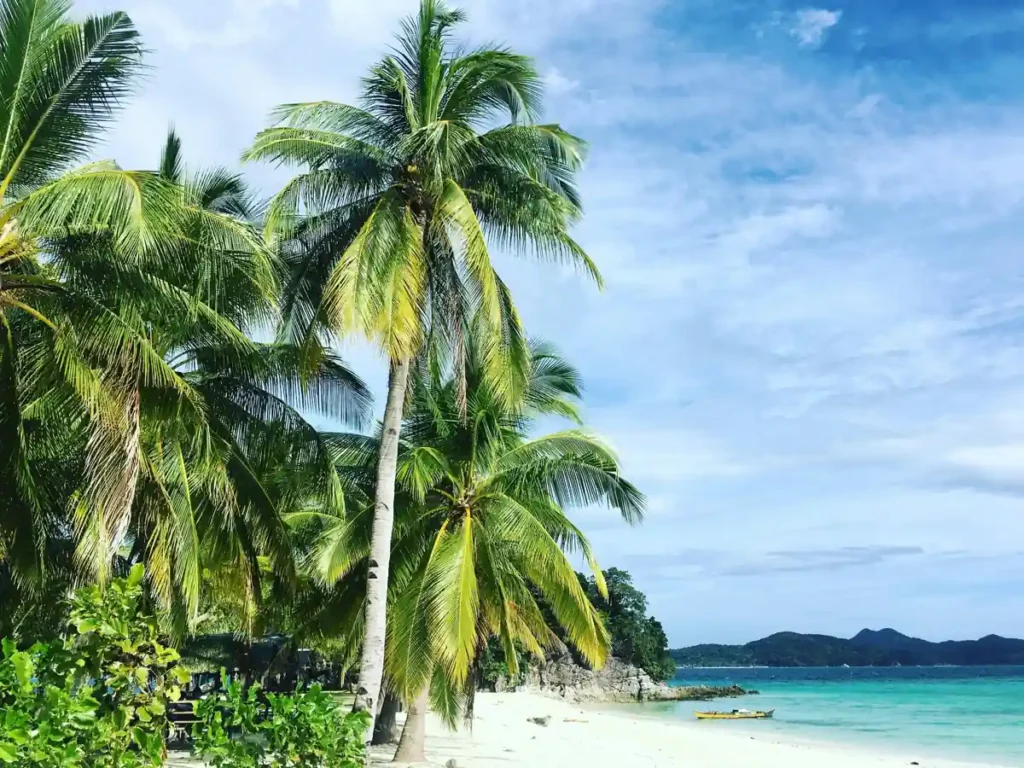
The best time to visit Port Barton is during the dry season, which runs from November to May. During these months, the weather is sunny, the seas are calm for island hopping, and visibility for snorkeling reaches up to 20 meters. Peak season falls between December and March when Filipino domestic tourism also surges, so booking accommodation a few weeks in advance is strongly advised.
June through October is the wet season, bringing rain, choppy seas, and occasional typhoons. Some guesthouses and boat operators close during these months. That said, budget travelers willing to brave unpredictable weather can score excellent deals, rates drop by up to 40%, and the village is peacefully quiet.
Port Barton Season & Travel Conditions
| Month | Weather | Sea Conditions | Recommended? |
| Nov – Jan | Sunny, breezy | Calm, ideal | Best time |
| Feb – May | Hot, dry | Very calm | Excellent |
| Jun – Aug | Rainy, humid | Rough seas | Risky |
| Sep – Oct | Typhoon risk | Very rough | Avoid |
Top Things to Do in Port Barton
Port Barton punches well above its weight when it comes to activities. Whether you are an adventurous diver or a hammock-loving beach reader, there is something genuinely rewarding waiting for you.
1. Island Hopping
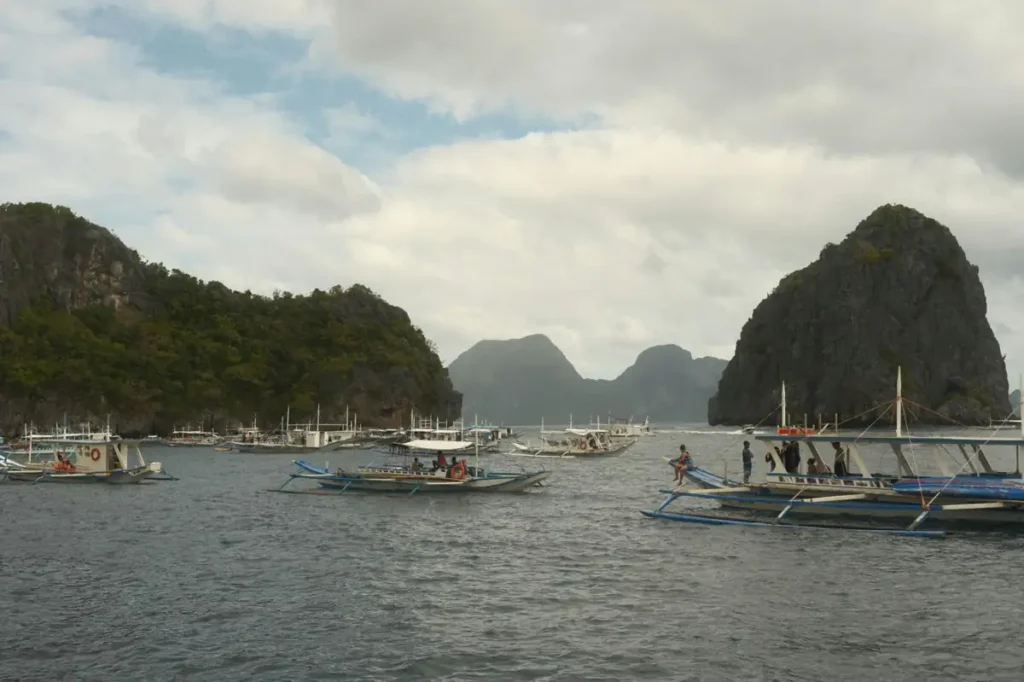
Island hopping is the defining activity of any Port Barton visit. Licensed outrigger bangka boats take groups of 4–10 passengers to a rotating selection of stunning islands. German Island, Exotic Island, and Capsalay Island are consistently rated as standout stops, each offering snorkeling reefs, white sand, and the kind of stillness that feels increasingly rare in Southeast Asia. A full-day island hopping tour costs approximately PHP 1,500–2,000 per person, including a fresh seafood lunch cooked on the beach.
2. Snorkeling & Diving
The coral reefs around Port Barton are in far better condition than those near more trafficked destinations. Dive centers in the village offer PADI certification courses and fun dives at reasonable rates. The Shark Point and Twin Rocks dive sites are favorites among experienced divers, while shallow reef areas near German Island are perfect for first-time snorkelers.
3. Waterfalls Exploration
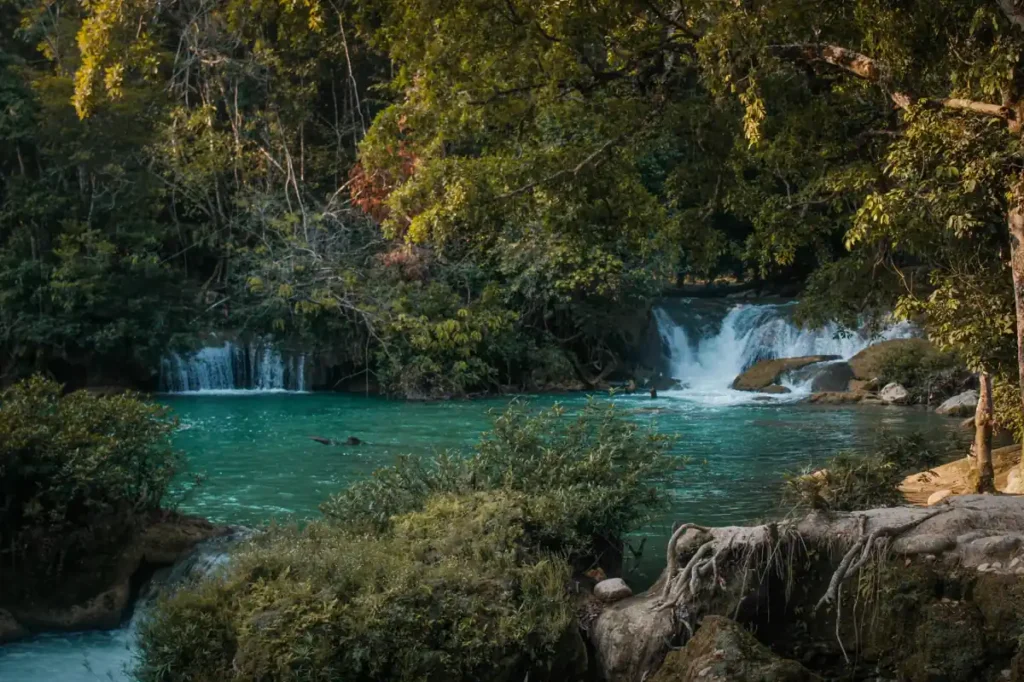
Within a short tricycle or motorbike ride from the village, you will find several hidden waterfalls, including Pamuayan Falls and Bigaho Falls. These jungle treks take 20–40 minutes each and reward hikers with refreshing natural pools. Hire a local guide (PHP 200–300) to ensure you stay on the right trail.
4. Kayaking & Beach Relaxation
Rent a kayak directly from the beach for PHP 200–300 per hour and paddle at your own pace to nearby coves. The main beach in front of the village is swimmable and never overcrowded, a rare luxury in Philippine island tourism today.
Best Beaches in Port Barton
Port Barton’s beaches range from the accessible main town beach to hidden coves only reachable by boat. Here are the top picks travelers consistently praise:
- Port Barton Main Beach: The central strip in front of the village. Calm, clean, and perfect for sunset views.
- German Island Beach: Accessible by bangka, this powdery white-sand stretch is arguably the most photogenic in the area.
- Exotic Island: A secluded crescent of sand with excellent snorkeling directly off the shore.
- Capsalay Island: Known for its shallow, vivid-blue lagoon and near-silence, few places in the Philippines still feel this untouched.
What is the best beach in Port Barton?
German Island is widely considered the best beach near Port Barton, a pristine white-sand stretch with excellent snorkeling, accessible by bangka boat in about 20 minutes.
Where to Stay in Port Barton
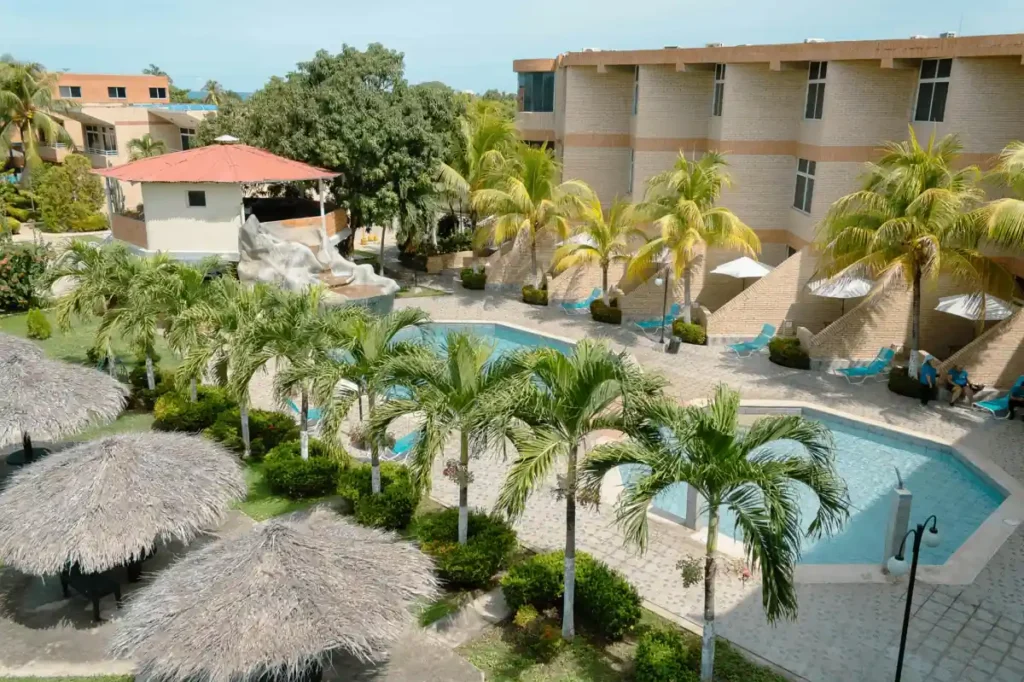
Best Port Barton Hotels and Resorts: Complete Stay Guide 2026
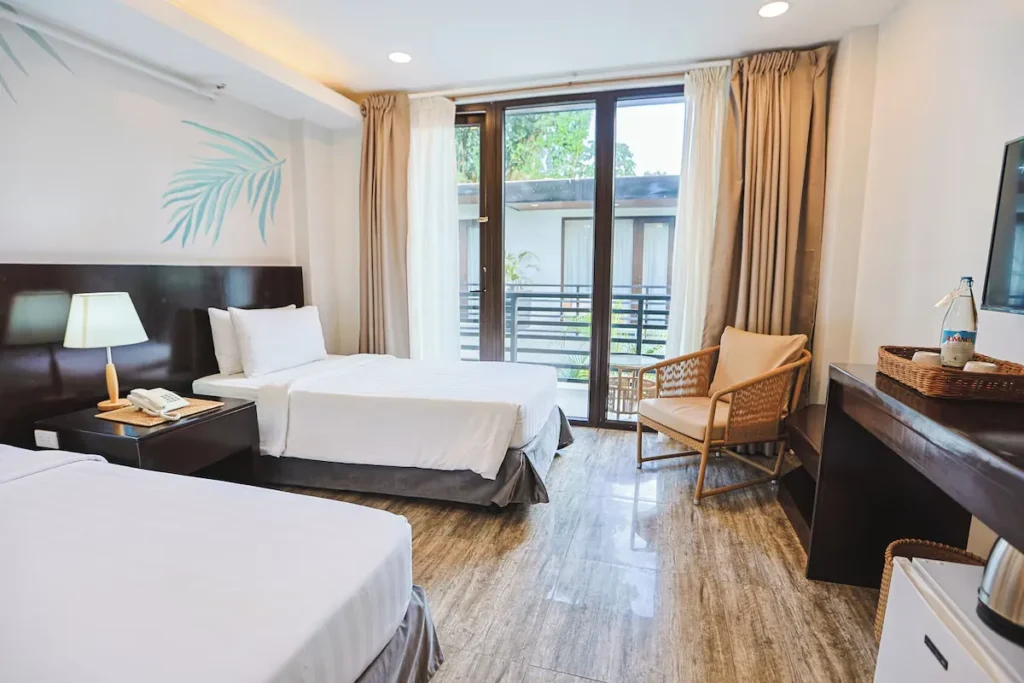
Accommodation in Port Barton ranges from simple bamboo fan rooms to comfortable air-conditioned guesthouses and a small number of boutique eco-resorts. Most properties line the beachfront or are within a two-minute walk of it. Unlike El Nido or Boracay, you will not find international chain hotels here, and that is entirely the point.
Port Barton Accommodation Overview
| Type | Est. Price/Night | Best For | Example |
| Budget fan room | PHP 500–900 | Backpackers | El Busero Inn |
| Mid-range A/C | PHP 1,200–2,500 | Couples, comfort | Swissipini Cottages |
| Boutique eco-resort | PHP 3,000–6,000 | Honeymooners | Blue Cove Island Resort |
Booking ahead is essential between December and March. Many smaller guesthouses do not list on major booking platforms, ask in travel forums, or contact them directly via Facebook, which remains the most reliable communication channel in rural Palawan.
Food & Restaurants Guide
Eating well in Port Barton is effortless and affordable. The village has a growing number of cafes and restaurants catering to international tastes alongside traditional Filipino dishes. Fresh seafood is the undisputed star; grilled tuna, tiger prawns, and squid are caught daily and served at beachfront tables for a fraction of what you would pay elsewhere.
- Gines Place: A longtime local favorite serving generous Filipino meals and cold San Miguel at village-friendly prices.
- Sigbin Bar: Excellent cocktails, fresh juices, and a welcoming atmosphere. Great for sunset watching.
- Cayanan Beach Restaurant: Freshest seafood in the village, grilled to order. Try the garlic prawns.
- Paminta Bar: A cozy spot with pizza, pasta, and good Wi-Fi, popular with longer-stay digital nomads.
Island hopping tours often include a freshly cooked seafood lunch served directly on the beach, grilled fish, rice, and fruits prepared by your boat crew. This is one of the most memorable meals you will have in the Philippines.
Budget & Travel Costs for Port Barton 2026
One of the strongest reasons travelers choose Port Barton over El Nido is cost. Based on 2026 data gathered from traveler reports and local operators, here is what a typical day costs:
Daily Budget Estimate in Port Barton (2026)
| Category | Budget Traveler | Mid-Range Traveler |
| Accommodation | PHP 500–900 | PHP 1,500–2,500 |
| Meals (3x/day) | PHP 400–600 | PHP 800–1,200 |
| Activities | PHP 500–700 | PHP 1,500–2,000 |
| Transport | PHP 100–200 | PHP 200–400 |
| Total/Day (approx.) | PHP 1,500–2,400 | PHP 4,000–6,100 |
ATMs are not available in Port Barton village. The nearest ATM is in San Vicente town, approximately 12 km away. Always carry sufficient Philippine Pesos in cash before arriving; this is non-negotiable advice based on numerous traveler reports.
Travel Tips for Port Barton in 2026
Smart Port Barton Travel Tips, Budget Advice & Island Secrets You Need to Know
Traveling smart makes the difference between a stressful trip and a seamless one. Here are the most important updated tips for visiting Port Barton this year:
- Cash is king: No ATMs in the village. Withdraw cash in Puerto Princesa or San Vicente before arriving.
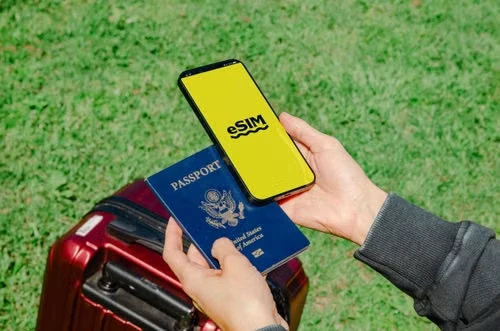
- Mobile data: Globe SIM cards offer the best signal coverage in the Port Barton area. Download offline maps before you arrive.
- Electricity: Most guesthouses now have 24-hour power from generators or solar, but always confirm before booking.
- Plastic-free policy: San Vicente municipality enforces a strict single-use plastic ban. Bring a reusable water bottle and bags.
- Book boats early: During peak season, island-hopping boats fill up fast. Arrange your tour the evening before through your guesthouse.
- Health precautions: No pharmacy in the village. Pack basic medicines, sunscreen, insect repellent, and any prescription drugs.
Is Port Barton safe for tourists in 2026?
Yes, Port Barton is considered safe for tourists in 2026. The community is welcoming, petty crime is rare, and the main risks are ocean-related. Always follow boat operators’ safety guidelines.
Need reliable WiFi before visiting Port Barton? Check our complete guide to internet speeds, Smart vs Globe coverage, SIM cards, and remote work tips in Port Barton.
Port Barton vs El Nido: Which Should You Choose?
The Port Barton vs El Nido debate is one of the most common questions among Palawan-bound travelers. Both destinations are spectacular, but they serve very different types of travelers. Port Barton wins on affordability, authenticity, and crowd-free beaches. El Nido wins on dramatic limestone scenery, nightlife, and sheer variety of tours.
If you are the kind of traveler who values peace over parties, value over vanity, and authenticity over Instagrammable, Port Barton is your answer. Many experienced Southeast Asia travelers specifically choose Port Barton as a deliberate detox from over-touristed spots, and leave wishing they had stayed longer.
Is Port Barton better than El Nido?
Port Barton is better than El Nido for travelers seeking peace, lower costs, and fewer crowds. El Nido is better for dramatic scenery, nightlife, and a wider tour variety. Your ideal choice depends on your travel style.
Conclusion: Is Port Barton Worth Visiting in 2026?
Absolutely, and perhaps more so in 2026 than ever before. While Palawan’s more famous destinations continue to grapple with overtourism, Port Barton remains a place where you can still have a remote island almost entirely to yourself, eat freshly grilled fish under the stars, and feel the genuine warmth of a Filipino fishing community.
This Port Barton travel guide has covered every essential, transport, timing, activities, food, budget, and safety. What it cannot fully convey is the particular magic of sitting on a quiet beach in Port Barton at sunset with no crowd, no noise, and no pressure to be anywhere else. That feeling is rare in travel today, and Port Barton still delivers it.
Plan your visit between November and April, carry enough cash, bring an open mind, and give yourself at least three to four nights; you will almost certainly want more.
Frequently Asked Questions (FAQ)
Q1: Is Port Barton suitable for families with young children?
Yes. Port Barton is well-suited for families. The beaches are calm, the community is safe, and island-hopping tours can be tailored to a relaxed pace. Just ensure you carry all necessary medications and child-friendly sunscreen, as no pharmacy is available in the village.
Q2: How many days should I spend in Port Barton?
A minimum of 3 nights is recommended to experience island hopping, a waterfall hike, and proper beach relaxation. Budget travelers staying longer often extend to 5–7 nights due to the low cost and unhurried atmosphere.
Q3: Can I use a credit card in Port Barton?
No. Port Barton is almost entirely cash-based. No ATMs are in the village. Withdraw Philippine Pesos in Puerto Princesa or San Vicente town before you arrive.
Q4: What is the best island to visit on a Port Barton island hopping tour?
German Island is consistently rated the top stop on Port Barton island hopping tours, followed by Exotic Island and Capsalay Island. All three offer stunning beaches and excellent snorkeling.
Q5: Is Port Barton getting more crowded in 2026?
Visitor numbers have grown slowly, but Port Barton remains significantly less crowded than El Nido or Coron. The municipality’s eco-tourism policies and limited accommodation capacity have helped preserve its character. Arriving outside peak season (June–October, noting weather caveats) offers the quietest experience.