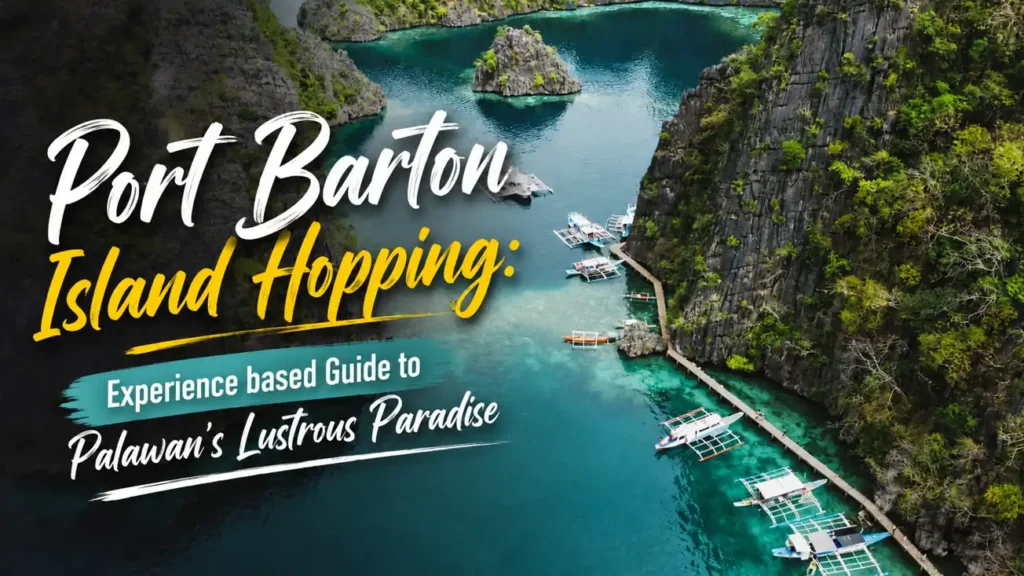
Port Barton island hopping takes you through a cluster of small, mostly uninhabited islands on Palawan’s west coast, reachable by traditional outrigger boat in under an hour from the village. A typical tour stops at three to five spots, including Exotic Island, German Island, and Starfish Island, where you can snorkel over coral reefs, swim in calm shallow water, and rest on quiet beaches with almost no other tourists around.
Most boats leave in the morning, include a simple grilled lunch on one of the islands, and return by mid-afternoon, giving you a full day on the water without feeling rushed. Because Port Barton island hopping has stayed small-scale, the reefs remain healthier and the islands feel far less crowded than similar tours in El Nido or Coron.
Why Port Barton Is a Hidden Paradise in Palawan
Port Barton sits quietly between Puerto Princesa and El Nido, yet most travelers skip it. About four hours from one and three from the other, it’s the kind of stop people don’t plan, but should. What makes it different isn’t just location, it’s the feel. No big chains, no crowded tours. Just family-run stays, fresh seafood, and local boatmen who’ve known these waters for generations.
The real draw is underwater. The reefs here are still healthy, fish are abundant, and spotting sea turtles is common. On calm days, visibility stretches up to 15–20 meters. If you care more about raw nature than crowds or nightlife, Port Barton quietly delivers one of Palawan’s best experiences.
What Makes Port Barton Different from El Nido?
Port Barton offers fewer crowds, lower prices, and equally stunning scenery compared to El Nido. The reefs are healthier, the tours are more personalized, and the overall atmosphere is far more relaxed and authentic.
Best Time to Visit Port Barton for Island Tours
The best time for Port Barton island hopping is November to May, when the seas are calm, visibility is clear, and rain is minimal. January to April offer the most stable conditions for snorkeling. Visiting in December or early January means fewer crowds before peak season.
From June to October, the southwest monsoon brings rough seas and frequent rain. Tours often stop in July and August due to safety concerns. If you go in June or October, expect possible cancellations and check conditions locally.
| Month | Weather | Sea Conditions | Tour Availability | Crowd Level |
| November – December | Dry, mild | Calm to moderate | High | Low to Moderate |
| January – March | Dry, sunny | Very calm | Very High | Moderate to High |
| April – May | Hot, dry | Calm | High | Moderate |
| June – August | Wet, rainy | Rough | Low to None | Very Low |
| September – October | Transitional | Moderate to rough | Moderate | Low |
Overview of Island Hopping Tour Packages
Most guesthouses and tour operators in the village offer Port Barton island hopping as either a shared group tour or a private charter. Shared tours typically depart between 8:00 and 9:00 in the morning, return by early afternoon, and include four to six island stops with snorkeling equipment and a beach lunch. Private charters allow you to set your own pace, choose your own stops, and linger as long as you like at any given cove or reef. For couples, small groups, or anyone wanting a more intimate experience, the private option is well worth the modest price difference.
Day tours are the most popular format, but some operators also run multi-day routes that connect Port Barton to El Nido via a series of overnight stops at remote islands. These extended trips require booking and are best suited to experienced island travelers who are comfortable with basic facilities.
How Long Does a Port Barton Island Hopping Tour Last?
A standard Port Barton island hopping tour lasts approximately five to seven hours, departing around 8:30 AM and returning by 3:00 PM. Private charters can be extended to full-day or multi-day routes depending on your itinerary.
After island hopping ends, Port Barton nightlife begins with beach parties, live music, cocktails, and late-night eats by the sea.
Top Islands You Will Visit on the Tour
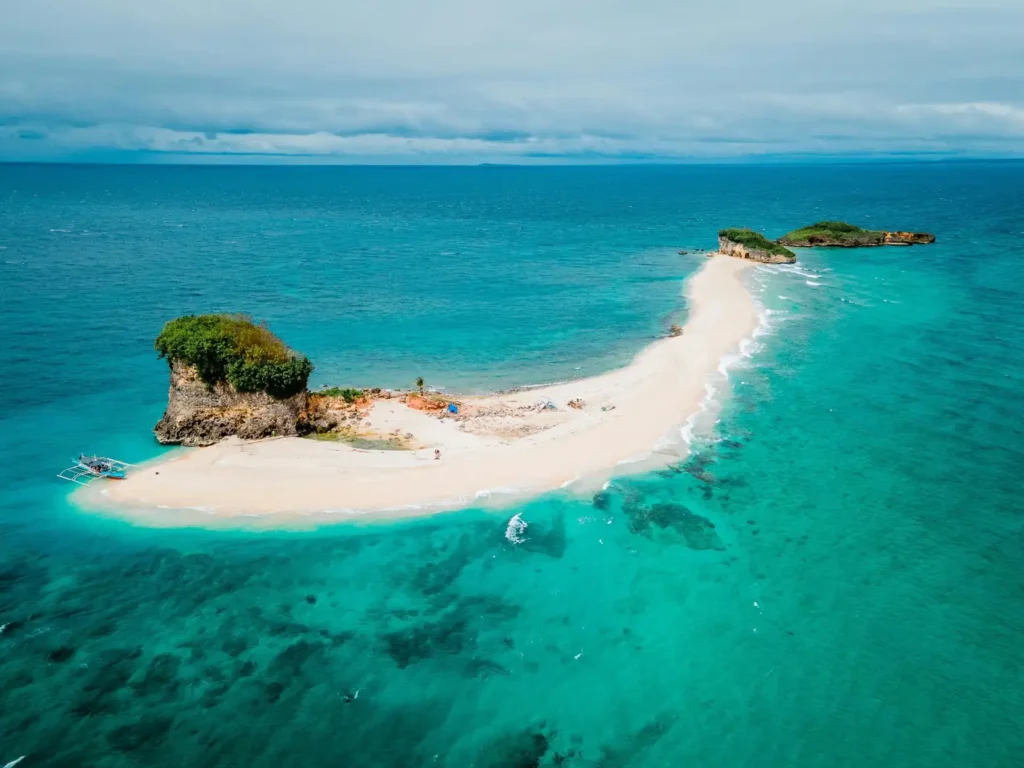
The specific route varies by operator and by season, but most Port Barton island hopping tours visit a core set of standout locations that consistently earn traveler praise. Here are the highlights you can expect:
- German Island: Famous for its long white sandbar and calm lagoon, German Island is typically the first or last stop on most routes. The shallow water here is perfect for swimming, and the beach itself rivals any in Palawan.
- Exotic Island: Despite the name, this is a genuinely tranquil spot with a resident sea turtle population. Snorkeling around the rocky outcrops reveals vibrant hard and soft corals.
- Capsalay Island: This larger island offers a mix of beach relaxation and forest trails. The reef running along its northern edge is one of the richest snorkeling spots in the area.
- Albaguen Island: Known locally for its dramatic limestone rock formations and the clear shallow channel between its two connected landmasses.
- Maoyen Beach: A secluded cove accessible only by boat, where a freshwater stream trickles down from the jungle to meet the sea at the shoreline.
What to Expect During the Boat Journey
The boats used for Port Barton island hopping are traditional Filipino outrigger vessels called bancas. These narrow wooden boats with bamboo outrigger arms are perfectly suited to the shallow reefs and coves of the Palawan coastline, though they offer little shade and can feel exposed during choppy conditions. Most shared tours accommodate eight to twelve passengers, while private boats carry two to eight. The crossing between islands ranges from ten minutes to forty-five minutes, depending on the route, giving you plenty of time to absorb the scenery of the coast.
Bring sunscreen, a hat, and a light overshirt for sun protection during the boat rides. The equatorial sun here is intense even on overcast days, and many first-time visitors underestimate how much UV exposure accumulates over a full day at sea. Reef-safe sunscreen is strongly recommended, as conventional chemical sunscreens contribute to coral bleaching and are environmentally damaging.
Snorkeling Spots and Marine Life Highlights
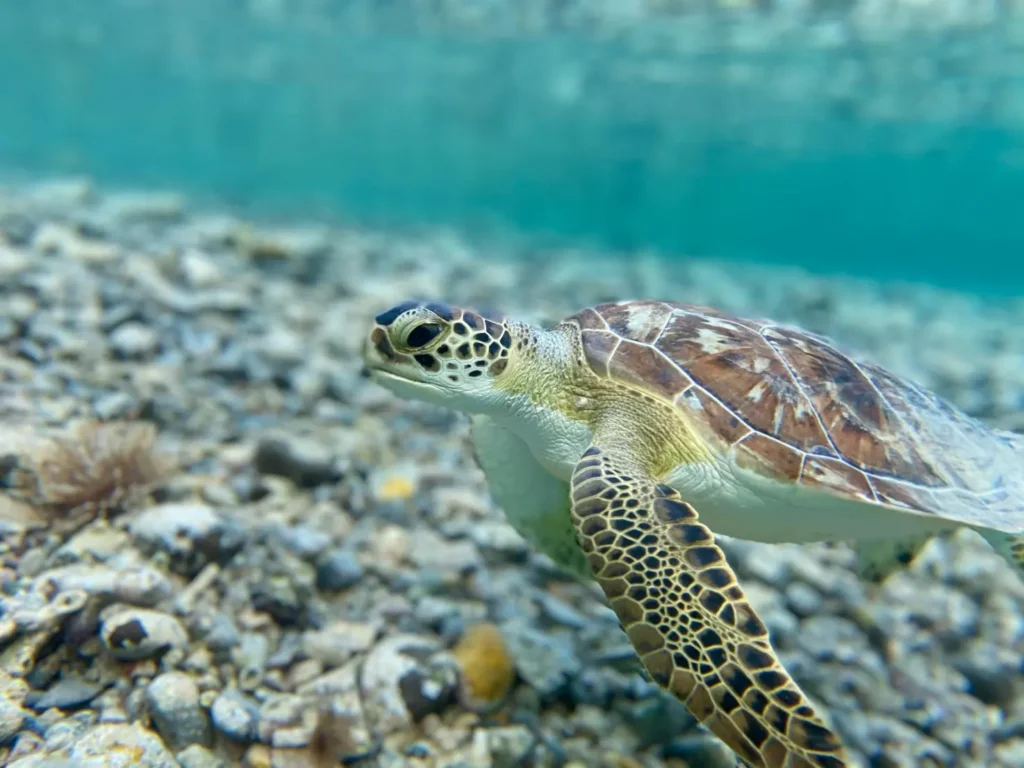
The underwater world around Port Barton is one of the primary reasons to choose this destination for island hopping. Having personally explored reefs across the Indo-Pacific, the quality of marine life here stands out as genuinely exceptional for a relatively accessible destination. The diversity of coral species is impressive, with healthy table corals, brain corals, and sea fans providing habitat for an enormous variety of reef fish. During our recent field review of Port Barton reefs, visibility ranged between 12 and 18 meters, with multiple green turtle sightings near Exotic Island.
Green sea turtles are the undisputed celebrities of the Port Barton marine ecosystem and are spotted on the majority of snorkeling excursions. Other commonly encountered species include blacktip reef sharks in deeper channels, schools of fusiliers and surgeonfish moving in dense formations over the reef, and giant clams anchored along the sandy seafloor. For those who dive rather than snorkel, the sites accessible by boat from Port Barton offer some of the most rewarding diving in the Philippines outside of Tubbataha Reef.
Can Beginners Snorkel During Port Barton Island Hopping?
Yes. Most snorkeling spots during Port Barton island hopping are suitable for beginners with shallow entry points and calm conditions. Snorkeling equipment is included in tour packages, and boatmen provide basic guidance for first-timers.
| Marine Species | Where to Spot | Frequency of Sightings | Best Visibility Months |
| Green Sea Turtle | Exotic Island, Capsalay | Very Common | January – April |
| Blacktip Reef Shark | Deep channels between islands | Occasional | December – March |
| Clownfish & Anemones | Reef walls, all major sites | Very Common | Year-round (calm season) |
| Giant Clam | Sandy seafloor near reefs | Common | January – May |
| Parrotfish & Surgeonfish | All major reef sites | Very Common | Year-round (calm season) |
| Manta Ray | Open water near Capsalay | Rare but documented | February – April |
Lunch on the Beach Experience
One of the most memorable elements of Port Barton island hopping is the freshly prepared beach lunch that comes included in most tour packages. Boatmen and their assistants typically set up a cooking station on a secluded beach mid-tour, grilling freshly caught fish, preparing garlic rice, and serving fresh fruits alongside cold drinking water and soft drinks. The meal is served under the shade of coconut palms directly on the sand, with the sea a few meters in front of you. It is the kind of simple, perfect meal that travels well in memory.
Vegetarian and dietary requirements can usually be accommodated if communicated in advance. Most tour operators are accustomed to adjusting the menu for guests with dietary restrictions. Given that the catch of the day genuinely reflects what was pulled from these waters that morning, the seafood quality is consistently outstanding.
Estimated Costs and Budget Breakdown
Port Barton island hopping is remarkably affordable by international travel standards, even for a destination of this quality. Costs vary depending on group size, tour type, and season, but the numbers below reflect typical rates at the time of writing and are consistent with what independent travelers have reported across multiple recent visits.
| Expense | Budget Option | Mid-Range | Premium / Private |
| Shared Island Hopping Tour | PHP 800 – 1,200 / person | PHP 1,200 – 1,800 / person | PHP 3,500 – 5,000 / boat (private) |
| Snorkeling Equipment | Included in most tours | Included | Included |
| Beach Lunch | Included in the tour | Included | Custom menu available |
| Guesthouse (per night) | PHP 500 – 900 | PHP 900 – 1,800 | PHP 2,000 – 4,000 |
| Local Restaurant Meals | PHP 120 – 250 / meal | PHP 250 – 450 / meal | PHP 450 – 800 / meal |
| Transportation to Port Barton | PHP 350 (shared van) | PHP 500 – 700 (private van) | PHP 2,500+ (private transfer) |
How Much Does Port Barton Island Hopping Cost?
A shared Port Barton island hopping tour costs approximately PHP 800 to PHP 1,800 per person, including snorkeling gear and beach lunch. Private boat charters range from PHP 3,500 to PHP 5,000 for the full vessel, making them economical for groups of four or more.
How to Book a Reliable Tour Guide
Booking a Port Barton island hopping tour is refreshingly straightforward compared to the elaborate online booking ecosystems of El Nido. Most arrangements are made in person upon arrival in the village, either through your guesthouse or directly with one of the boat operators who gather at the main beachfront each morning. Walking the beach in the evening before your planned departure day allows you to compare options, check boats, and confirm exactly what is included in the price.
For travelers who prefer the security of booking, several guesthouses now offer pre-arrival reservations via Facebook Messenger or WhatsApp, which is worth considering during the peak January-to-March period when popular shared tours can fill up quickly. When vetting a guide or operator, look for someone who can describe specific stops knowledgeably, carries life jackets for all passengers, and provides a printed or verbal itinerary.
Key questions to ask before booking:
- How many passengers are maximum on the shared boat?
- Does the price include a snorkeling mask and fins?
- Is the beach lunch freshly cooked or pre-packed?
- What happens if the weather cancels the tour?
- Does the guide have a current maritime safety certification?
Essential Things to Pack for the Trip
Packing strategically for Port Barton island hopping makes the difference between a comfortable experience and a miserable one. The following items should be considered non-negotiable for a day on the water in tropical Palawan:
- Reef-safe sunscreen (SPF 50+ recommended, applied before boarding the boat)
- Rash guard or lightweight long-sleeve shirt for UV protection
- Waterproof bag or dry bag for phone, cash, and documents
- Reusable water bottle, hydration is critical in the tropical heat
- Underwater camera or waterproof phone case to capture the marine life
- Light sandals or water shoes suitable for rocky beach entries
- Anti-nausea medication if you are prone to seasickness on open water
- Cash in Philippine pesos, Port Barton has no ATMs
That last point deserves emphasis: withdraw sufficient cash in Puerto Princesa before travelling to Port Barton, as there are no cash machines in the village and card payments are not widely accepted.
Is Port Barton Island Hopping Safe?
Port Barton island hopping is generally safe when conditions are calm, and you travel with a licensed operator. Always confirm the boat carries adequate life jackets, avoid tours during rough weather, and never snorkel alone or beyond visible reef boundaries.
Safety Tips for Island Hopping in Port Barton
Safety in Port Barton is simple: choose a reliable operator, respect the weather, and use common sense. Make sure everyone wears a life jacket, no matter their swimming level.
While snorkeling, stay in your assigned area, watch for boats, and use the float for visibility. Currents can be stronger than they look, so don’t underestimate them. Keep fins on near rocks to avoid cuts from coral or sea urchins.
Local Etiquette and Eco-Friendly Travel Tips
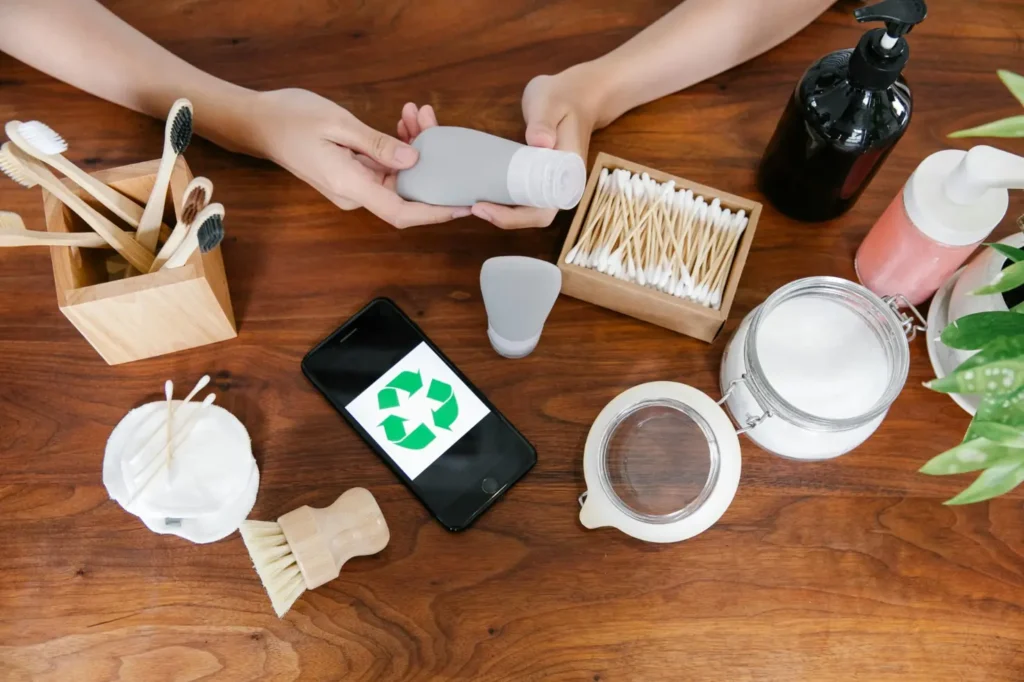
Port Barton has managed to preserve its natural environment partly because it attracts a more mindful category of traveler than the large resort destinations. Maintaining that balance requires active participation from visitors. The marine ecosystems that make Port Barton island hopping so remarkable are fragile and have been damaged in other Philippine destinations by careless tourism practices.
Practical eco-conscious habits that every visitor should follow:
- Never stand on, touch, or anchor near coral reefs under any circumstances
- Take all plastic and waste back to the village, do not leave anything on uninhabited islands
- Decline souvenirs made from shells, coral, or sea turtle products
- Support local food vendors and family-run guesthouses over third-party booking platforms that extract commissions from small operators
- Respect local fishing communities and their traditional access to reef areas
The village of Port Barton has a genuine community identity, and spending money directly with residents, in local restaurants, with local guides, and in locally owned accommodation, creates real economic benefit that incentivizes the long-term protection of the natural environment.
What Are the Environmental Rules During Port Barton Island Hopping?
Visitors must avoid touching or standing on coral reefs, use only reef-safe sunscreen, carry out all waste from uninhabited islands, and refrain from purchasing marine life products. These rules protect the ecosystem that makes Port Barton island hopping exceptional.
Final Thoughts on the Port Barton Experience
Port Barton is the kind of place that doesn’t try to impress; it just quietly delivers. Its island-hopping experience captures that perfectly: untouched beaches, clear waters, and rich marine life, all without the crowds seen elsewhere in Southeast Asia.
With affordable tours, great snorkeling, and a laid-back village feel, it offers a rare mix of beauty and simplicity. Whether you stay a day or a week, drifting over coral reefs toward empty white-sand shores is something that sticks with you.
Book locally when you arrive, visit in the dry season, and leave it as you found it.
FAQs
1. Is Port Barton island hopping worth it compared to El Nido?
Yes. Port Barton offers equally stunning islands with fewer crowds, healthier reefs, and more personalized tours, making it a better choice for travelers who value authenticity over mass tourism.
2. When is the best time for Port Barton island hopping?
The ideal time is November to May, with January to April offering the calmest seas and best underwater visibility for snorkeling.
3. How much does a Port Barton island hopping tour cost?
Shared tours typically cost PHP 800–1,800 per person, while private boats range from PHP 3,500–5,000, making it highly affordable compared to other Palawan destinations.
4. Is snorkeling in Port Barton suitable for beginners?
Yes. Most snorkeling spots have calm, shallow waters, and guides provide basic instructions, making it beginner-friendly.
5. Are sea turtles really common in Port Barton?
Yes. Sightings of green sea turtles are very frequent, especially around Exotic Island and Capsalay reefs.
6. Is Port Barton island hopping safe?
It is generally safe when booked with licensed operators. Always check for life jackets, follow weather conditions, and stay within designated snorkeling areas.
7. Do I need to book tours in advance?
Not necessarily. Most tours are booked locally upon arrival, but during peak season (Jan–Mar), early booking is recommended.8. What should I bring for island hopping?
Essentials include reef-safe sunscreen, a rash guard, a dry bag, cash (no ATMs), and a reusable water bottle.