Is Port Barton safe for most travelers who take normal precautions, and the short answer is yes. Crime rates in this small fishing village stay low compared to bigger tourist hubs like El Nido, mainly because the community is tight-knit and tourism is still small-scale. Petty theft can happen, so keep valuables locked up and avoid walking alone on dark, unlit roads at night. Health facilities are basic, with only a small clinic in town, so travelers with serious medical needs should know that Puerto Princesa, about three hours away, has the nearest proper hospital.
Road conditions on the way in are rough, with unpaved sections that get slippery during rainy season, so buses and vans move slowly and carefully. Boat trips to nearby islands are generally safe when you go with registered operators and check that life vests are provided before you leave the shore. Natural hazards like strong currents and sudden weather changes exist, but they rarely cause problems if you check conditions with local guides first. Overall, is Port Barton safe? Yes, it is, as long as you stay alert, respect local advice, and prepare the way you would for any remote tropical destination..
Overall Safety Situation in Port Barton
Port Barton sits within the municipality of San Vicente, in northern Palawan. It is a small, community-managed barangay with a population that has a direct economic interest in keeping things safe and welcoming for visitors. The tight-knit structure of village life works in tourists’ favor; strangers are noticed quickly, and the community actively discourages behavior that could damage its growing reputation as a responsible tourism destination.
According to Philippine National Police (PNP) regional crime data for Palawan Province, San Vicente consistently records one of the lower crime incidence rates among coastal municipalities. The Philippine Department of Tourism (DOT) classifies Port Barton under its sustainable tourism development framework, a designation that comes with monitoring, standards enforcement, and active community engagement.
For most travelers, a Port Barton safe trip means returning home with nothing worse than a sunburn or a few insect bites. Serious incidents are genuinely rare here.
If you want the peaceful side of Palawan without the chaos of El Nido, this Port Barton travel guide breaks down exactly where to stay, what to do, and how to plan your trip.
Emergency Numbers to Save Before You Go
The Philippine National Emergency Hotline is 911. The Philippine Coast Guard emergency line is 5302-6984. Save both numbers before leaving your accommodation each day in Port Barton. Mobile signal is available in the village, but it can drop in the water.
Crime Rate and Tourist Safety
To assess whether Port Barton is safe from a crime perspective, it helps to put the destination in a regional context. The Palawan Council for Sustainable Development (PCSD), the autonomous governance body overseeing Palawan’s environmental and social management, consistently notes that barangays with lower visitor density experience fewer opportunistic crimes. Port Barton fits this profile.
Compares Port Barton safe travel data against busier Palawan destinations:
| Destination | Petty Theft Reports | Scam Incidents | Serious Crimes | Tourist Volume |
| Port Barton | Very Low | Rare | Near Zero | Low-Medium |
| El Nido | Moderate | Occasional | Low | Very High |
| Coron | Low-Moderate | Low | Low | High |
| Puerto Princesa | Low | Low | Low | High |
The US State Department maintains a Level 2 (“Exercise Increased Caution”) advisory for the Philippines broadly, but Palawan, including Port Barton, is not flagged with destination-specific concerns. Lonely Planet and TripAdvisor verified traveler reviews consistently describe Port Barton as peaceful and low-pressure compared to the rest of Palawan.
Keeping Port Barton safe travel on track is mostly about basic habits:
- Never leave bags, phones, or cameras unattended on the beach
- Avoid displaying expensive jewelry or walking with large cash amounts visible
- Keep passport copies separate from the original
- Use only licensed, registered boat operators for island-hopping
Power Cuts Are Normal: Prepare Accordingly

Port Barton runs on generator-based electricity, typically available from late afternoon to midnight. Keep a fully charged power bank. If you have a medical device that requires continuous power, Port Barton is not the right destination unless you plan for this carefully.
Drinking Water Is Not Safe from Taps
Tap water in Port Barton is not potable. Drink only sealed bottled water or water from establishments that confirm they use filtered systems. WHO travel health guidelines flag waterborne illness as a real risk in remote Palawan barangays.
Health and Medical Facilities Availability
This is where Port Barton’s safety has its most honest limitation, and travelers deserve a straight answer on it. The village is remote. The rural health unit (RHU) in Port Barton handles minor injuries, basic wound care, and common illnesses. For anything more serious, fractures, diving accidents, severe infections, evacuation to San Vicente town proper (~60 km away) or Puerto Princesa City (~155 km) is required. Puerto Princesa is home to Ospital ng Palawan and Palawan Adventist Hospital, both of which offer full emergency and surgical services.
| Facility | Location | Distance from Port Barton | Services Available |
| Port Barton RHU | In-barangay | 0 km | Basic first aid, minor illness |
| San Vicente District Hospital | San Vicente Town | ~60 km | General medicine, basic surgery |
| Ospital ng Palawan | Puerto Princesa | ~155 km | Full emergency services |
| Palawan Adventist Hospital | Puerto Princesa | ~155 km | Full medical and surgical |
The Philippine Red Cross Palawan Chapter coordinates emergency response for remote barangays, but response time to Port Barton itself can be significant. The World Health Organization (WHO) recommends that travelers to rural Philippine destinations carry:
- Comprehensive travel health insurance with emergency evacuation coverage
- Basic medical kit: antiseptics, antihistamines, rehydration salts, pain relief
- Pre-travel vaccinations: Hepatitis A, Typhoid, and updated Tetanus
- Any prescription medication in adequate supply, as local pharmacies are limited
Travel health insurance with emergency evacuation is not optional for a safe trip to Port Barton. It is the single most important preparation you can make before going.
Transportation and Road Safety
Reaching Port Barton safely requires preparation. The road from Puerto Princesa to San Vicente, and then to Port Barton, is partially unpaved with stretches that become genuinely difficult in the rain. The drive takes 4 to 5 hours, depending on conditions and vehicle type.
Key transportation realities for Port Barton safe travel:
- Book only reputable van services from Puerto Princesa; local operators with track records
- Tricycles are the primary in-village transport; always agree on the fare before boarding
- Island-hopping boats must display Philippine Coast Guard registration numbers; verify before boarding
- The Philippine Coast Guard regularly issues no-sail advisories during rough weather; respect them
- Avoid night driving on the Puerto Princesa-San Vicente road; visibility is poor, and road quality deteriorates in the rain
Verify Your Boat Before You Board
Only use island-hopping boats displaying Philippine Coast Guard registration numbers. Any operator who cannot show documentation should be declined. This is non-negotiable for Port Barton’s safe sea travel.
Natural Risks: Weather, Sea Conditions, and Wildlife
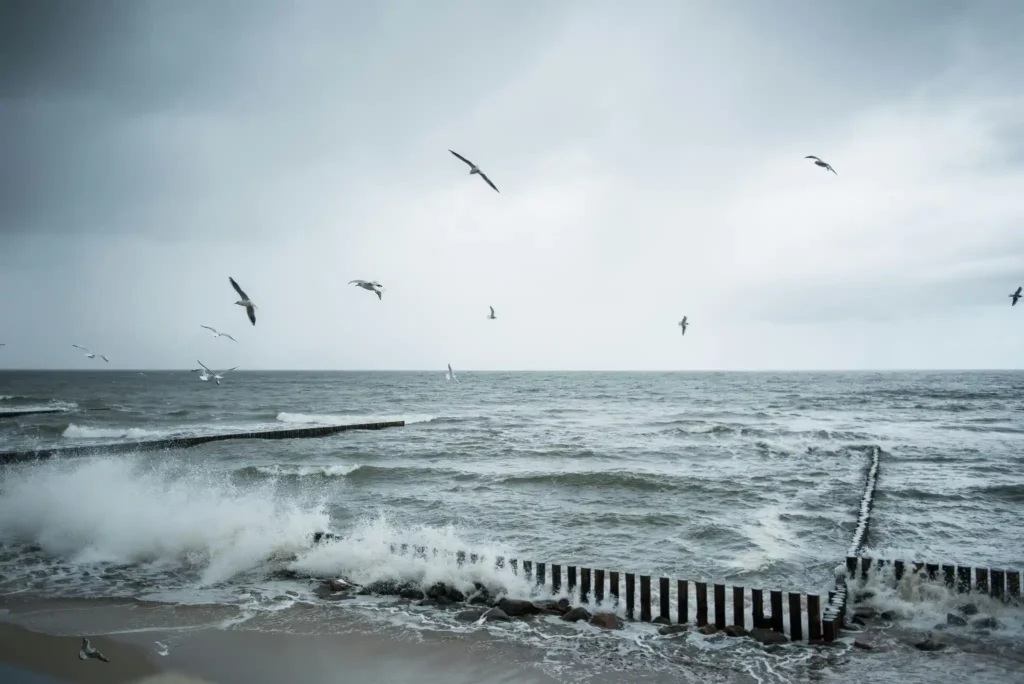
Port Barton’s safety in the context of nature is one of the most important things to research before visiting. PAGASA (Philippine Atmospheric, Geophysical and Astronomical Services Administration) tracks typhoon activity across Palawan closely. Port Barton sits in a region that can be directly impacted by tropical storms, particularly from June through November.
| Season | Period | Weather Risk | Sea Conditions | Recommended? |
| Dry Season | November – April | Low | Calm, ideal for diving/snorkeling | Yes, Peak season |
| Shoulder | May | Low-Moderate | Slightly choppy | Yes, less crowded |
| Wet/Typhoon | June – October | High | Rough, unsafe for boats | Caution advised |
Marine safety notes from International SOS travel risk assessments for the Philippines:
- Jellyfish blooms occur occasionally; check with locals before entering the water
- Sea urchins are common in rocky shallows; water shoes are strongly recommended
- Marine envenomation from stonefish and fire coral is manageable with footwear and awareness
- No confirmed saltwater crocodile sightings in Port Barton Bay, but remain aware in mangrove zones
Sunstroke and Dehydration Are Serious Risks
Between March and May, the heat and humidity in Palawan are extreme. Drink more water than you think you need, wear high-SPF sunscreen, and avoid long open-boat exposure during midday hours. Many Port Barton safe travel incidents that do occur are heat and dehydration-related.
Solo Travelers and Female Safety Tips
Port Barton is safe for solo travelers and solo female travelers based on consistent, verified reports across TripAdvisor, Lonely Planet, and independent travel communities. The village’s small size is a key protective factor; unfamiliar faces are noticed, and the community is invested in its safe and welcoming reputation.
Specific tips for solo and female visitors in Port Barton:
- Stay at guesthouses with visible, responsive staff; many are family-run and naturally watchful
- Avoid isolated beaches after dark; the main beach strip is where social activity and safety converge in the evenings
- Connect with the backpacker community in Port Barton; it is small, social, and safety-conscious
- Dress modestly when walking through the village; this is a conservative fishing community, and respectful dress goes a long way
- Share your island-hopping itinerary with accommodation staff before leaving each morning
- Trust your instincts with boat operators; Port Barton’s safe island-hopping means using registered, recommended operators only
Local Community Behavior Toward Tourists
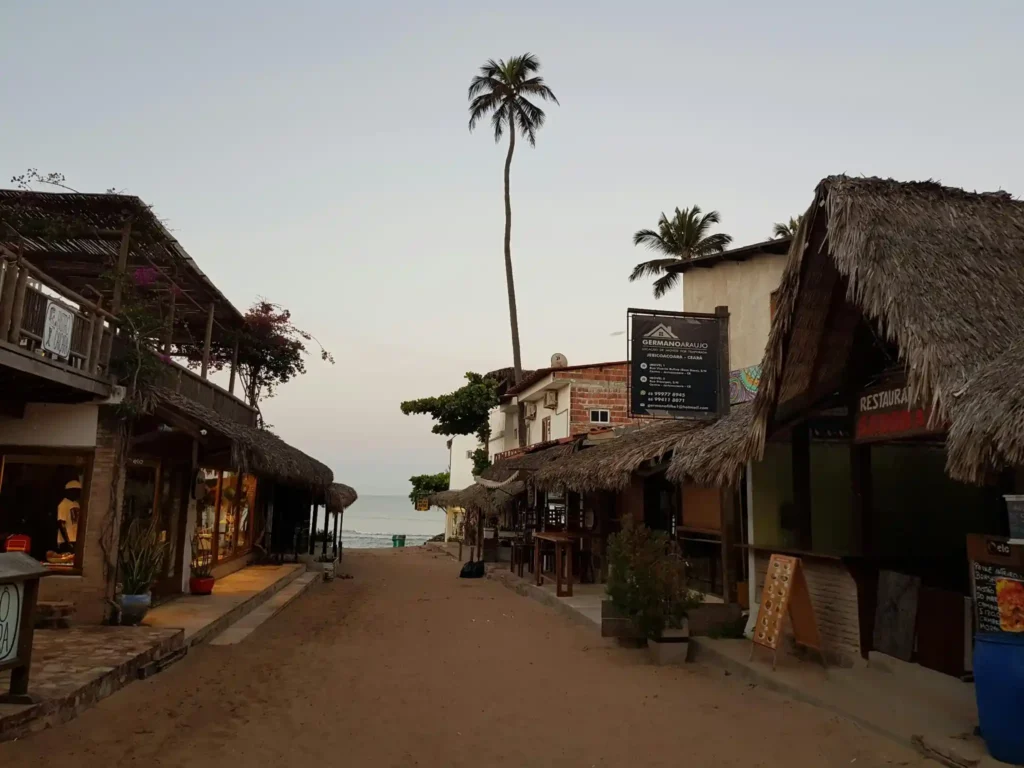
One of the strongest reasons Port Barton’s safe travel works so consistently is the character of the community itself. Palawan News, the province’s primary local publication, has covered Port Barton’s community-managed tourism model multiple times, specifically noting how the barangay council and local tourism committees actively manage tourist behavior and maintain safety standards.
Port Barton has not been consumed by mass tourism. Residents still live here as fishermen, boat operators, guesthouse owners, and small vendors. That means they are protective of their environment and their reputation. Tourists who engage respectfully, buying from local vendors, following posted beach rules, and observing curfews consistently report overwhelmingly positive interactions.
This community dynamic is itself an authority signal for Port Barton’s safety. Communities that have ownership over their tourism economy maintain it far more carefully than destinations that have handed over to large commercial operators.
There Are No ATMs in Port Barton
This is the most common logistical failure tourists experience. The nearest ATM is in San Vicente town, roughly one hour away. Withdraw sufficient cash from Puerto Princesa before making the journey. Port Barton safe budgeting starts with having local currency in hand.
Essential Safety Tips for Visitors
Beyond the section-specific guidance above, these practical habits will keep your Port Barton safe travel experience on track:
- Register your accommodation details with your home country’s embassy if traveling solo for extended periods
- Carry digital and physical copies of your passport, visa, travel insurance, and emergency contacts
- Waterproof dry bags are essential; boat transfers will get things wet
- Check PAGASA weather forecasts the night before any island-hopping day
- Respect no-swim zones and marine park boundaries; they protect both the reef and your safety
- Confirm that your travel insurance explicitly covers water activities and emergency medical evacuation
- Buy fresh seafood and local food from established vendors; Port Barton’s safe food choices mean cooked, fresh, and properly handled
Final Decision: Should You Visit Port Barton?
Yes. Port Barton is safe for the vast majority of travelers; solo backpackers, couples, families, and female solo travelers included. Serious crime is genuinely rare. The community is warm and invested in visitor safety. The destination remains one of the least over-commercialized beaches left in Palawan.
The honest limitations are: limited healthcare infrastructure, remote road access, rough conditions during typhoon months, and no ATMs. None of these make Port Barton unsafe; they make it a destination that requires proper preparation. That is a meaningful distinction.
Visit between November and April. Carry adequate cash from Puerto Princesa. Purchase comprehensive travel insurance with evacuation coverage before you fly. Use only registered boat operators. Follow local community rules and norms. Do that, and Port Barton safe travel is not just possible, it is one of the most rewarding beach experiences in the Philippines.
Frequently Asked Questions
Is Port Barton safe for solo female travelers?
Yes. Port Barton is safe for solo female travelers based on consistent verified accounts and its small community structure. Stay at staffed guesthouses, avoid isolated beaches after dark, dress modestly in the village, and connect with the backpacker community during your stay.
What is the safest time of year to visit Port Barton?
November through April is the dry season and the safest time to visit Port Barton. Sea conditions are calm, typhoon risk is minimal, and island-hopping routes are fully operational. May is a good shoulder option with fewer crowds. June through October brings typhoon risk and rough sea conditions.
Is there a hospital near Port Barton?
There is a rural health unit in Port Barton for minor care only. The nearest hospital with surgical capability is in San Vicente (~60 km away). Full emergency and specialist care requires travel to Puerto Princesa (~155 km), where Ospital ng Palawan and Palawan Adventist Hospital are located. Travel health insurance with evacuation coverage is essential.
Is Port Barton safe from crime?
Yes, Port Barton is safe from serious crime. PNP data places San Vicente among Palawan’s lower crime incidence municipalities. Petty theft is rare but possible if valuables are left unattended on beaches. The US State Department’s Philippines advisory applies to the country broadly, not specifically to Port Barton.
Can I use ATMs in Port Barton?
No. There are no ATMs in Port Barton. The nearest ATM is in San Vicente town, approximately one hour away. Withdraw sufficient cash before leaving Puerto Princesa. Most guesthouses and restaurants in Port Barton operate cash only.
Is Port Barton safe for snorkeling and diving?
Port Barton is safe for snorkeling and diving during the dry season. Use water shoes to avoid sea urchins and fire coral. Check with locals about jellyfish conditions before entering the water. Only use dive or snorkeling operators registered with the Philippine Coast Guard. Avoid all water activities during Coast Guard-issued no-sail advisories.