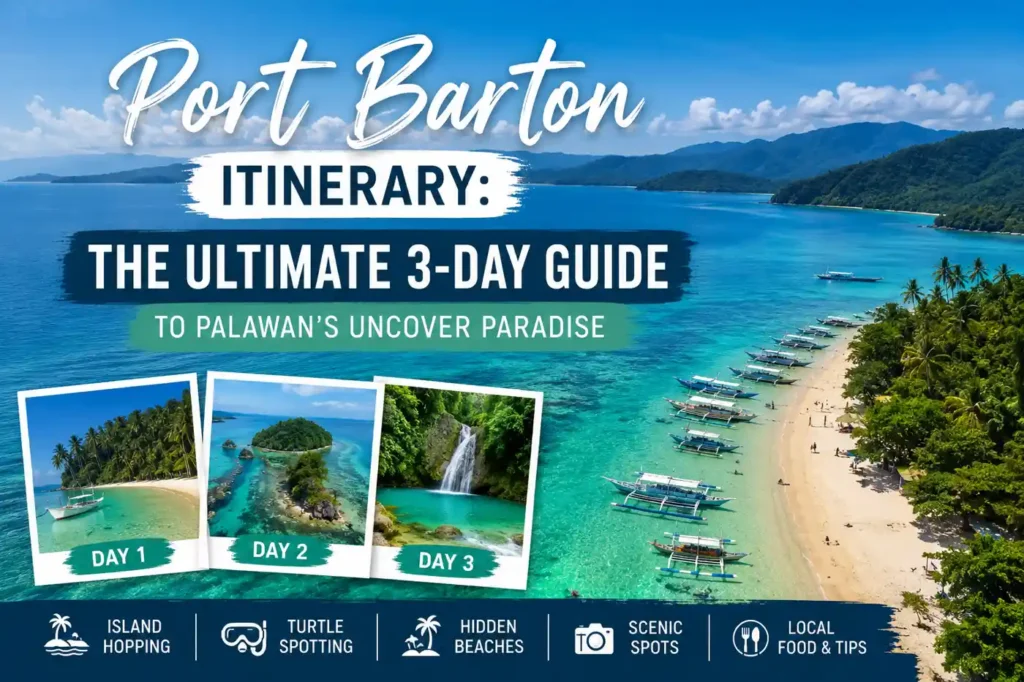
A Port Barton itinerary of three days gives you enough time to island-hop, snorkel coral gardens, and watch fireflies over the mangroves without rushing. Most travelers arrive by van from Puerto Princesa or San Vicente, settle into a beachfront guesthouse, and spend day one relaxing on the quiet main beach before booking a boat tour for day two.
A good Port Barton itinerary always includes a stop at Exotic Island, German Island, and Twin Reef for snorkeling, since the reefs here are shallow and full of fish. By day three, most visitors add a short trip to Big Ipil or Paradise Beach before heading back, making the whole trip easy to plan even with limited time.
What makes Port Barton different from El Nido?
Port Barton is significantly quieter, more affordable, and far less commercialized than El Nido. It offers a more authentic Palawan experience with uncrowded reefs, fewer tourists, and a slower pace of life, ideal for travelers who prioritize nature and tranquility over nightlife and convenience.
Why Port Barton Should Be on Every Palawan Traveler’s Radar

Port Barton is not new; it has been quietly drawing in-the-know travelers for years, but it has only recently begun appearing on mainstream travel radar. The village sits within a sheltered bay backed by dense jungle, with a small cluster of beachfront guesthouses, local eateries, and tour operators that keep things personal and community-driven.
The marine environment here is exceptional. The coral reefs around Port Barton are part of the Coral Triangle, one of the most biodiverse marine ecosystems on Earth. Snorkelers and divers routinely report sightings of sea turtles, reef sharks, colorful nudibranchs, and enormous schools of jackfish, species that have largely vanished from more heavily visited destinations.
What truly sets a Port Barton itinerary apart from other Philippine island experiences is the ratio of effort to reward. Getting here requires slightly more planning than flying directly to El Nido, but once you arrive, everything slows down in the best possible way. Daily life in Port Barton revolves around tides, sunsets, and which island to visit next. That is not a cliché; it is the literal rhythm of the place.
Port Barton vs. Popular Palawan Alternatives
| Feature | Port Barton | El Nido | Coron |
| Crowd Level | Low | Very High | High |
| Daily Budget (PHP) | 1,500 – 2,500 | 3,000 – 6,000 | 2,500 – 5,000 |
| Island Hopping | Excellent | Excellent | Excellent |
| Reef Quality | Pristine | Good | Very Good |
| Nightlife & Dining | Minimal, local | Vibrant | Moderate |
| Best For | Nature, budget, peace | Scenery, luxury | Wreck diving |
| ATMs Available | No | Yes | Yes |
Day 1 of Your Port Barton Itinerary: Arrival, Exploration & Sunset

Getting to Port Barton
Most travelers arrive via Puerto Princesa, the gateway city of Palawan, which receives flights from Manila, Cebu, and several other Philippine hubs. From Puerto Princesa, the overland journey to Port Barton takes roughly 3 to 4 hours by shared van or private transfer. Vans depart from the San Jose Terminal and cost around 300 to 400 PHP per seat.
Book your van the evening before if you want a morning departure; seats fill quickly during peak season (November to May). Arriving by midday leaves the rest of the afternoon to settle in, grab lunch at one of the beachfront bamboo restaurants, and orient yourself in the village before your Port Barton itinerary truly begins.
Afternoon: Exploring Port Barton Village
Day 1 of any good Port Barton itinerary is best treated as an orientation day. The village is small enough to walk end-to-end in fifteen minutes, so use the afternoon to cover the essentials:
- Book your island-hopping tour for Day 2 directly with a local operator; in-person negotiation often yields better prices than online booking platforms
- Rent a kayak and paddle along the bay shoreline for a gentle introduction to the water and surrounding scenery
- Visit the local market, chat with fishermen repairing their nets, and try fresh coconut from a roadside vendor
- Walk the northern end of the beach, where it is quieter and fringed by coconut palms
Evening: Sunset From the Beach
Port Barton’s sunsets are consistently among the finest in Palawan. The bay faces west, giving you an unobstructed view as the sky cycles through shades of amber, rose, and deep violet. Grab a beachfront table at one of the local restaurants, order a cold San Miguel, and watch the fishing boats return with their catch. Every Port Barton itinerary should make deliberate space for this simple ritual.
What should I do on Day 1 of a Port Barton itinerary?
Arrive by midday, settle into your guesthouse, and book your Day 2 island hopping tour in person. Explore the village on foot or by kayak, then end the evening watching the sunset from the beach. Keep Day 1 deliberately relaxed; it is a decompression day after travel and a foundation for the adventures ahead.
3-Day Port Barton Itinerary: Day-by-Day Overview
| Day | Morning | Afternoon | Evening |
| Day 1 | Travel from Puerto Princesa (3-4 hrs) | Explore the village, book tours | Beach sunset and dinner |
| Day 2 | Island hopping departs at 8:00 AM | Snorkeling, beach lunch on the islands | Rest, fresh seafood dinner |
| Day 3 | Pamuayan Falls hike (45 min trek) | Village walk, kayaking, hammock time | Farewell dinner, stargazing |
Day 2 of Your Port Barton Itinerary: Island Hopping Adventure

Day 2 is the undisputed highlight of any Port Barton itinerary. Island hopping here is a genuinely intimate experience because group sizes are small, typically 6 to 12 people per banca, and the islands remain wonderfully undisturbed. Most full-day island hopping tours depart between 8:00 and 9:00 AM, return by 4:00 PM, and cover three to five stops.
Top Islands and Snorkeling Spots

The following destinations consistently appear in the best Port Barton island hopping routes, and for excellent reason:
- German Island: white sand beach ringed by healthy coral with sea turtle sightings reported regularly; the single best snorkeling spot on most Port Barton itineraries
- Exotic Island: nicknamed the ‘swimming pool island’ for its calm, crystal-clear waters; ideal for first-time snorkelers and children
- Capsalay Island: a longer stop with a beachfront lunch cooked fresh by your boatman crew and hammocks strung between palms
- Shark Point: for confident snorkelers ready to explore a deeper reef where reef sharks and large pelagics occasionally appear
- White Beach is a secluded stretch accessible only by boat; on quieter days, you may have it entirely to yourselves
How much does island hopping cost in Port Barton?
A full-day island hopping tour in Port Barton costs between 1,200 and 1,800 PHP per person for a shared group tour, or 3,500 to 5,000 PHP for a private boat charter. Prices typically include snorkeling equipment, a freshly cooked beach lunch, and the standard environmental fee.
What to Bring on Your Island Hopping Day
The most common island hopping regrets in Port Barton come from under-packing for a full day on the water. Your day bag for this essential Port Barton itinerary stop should include reef-safe sunscreen (protecting the coral ecosystems is both ethical and legally encouraged in Palawan), a rash guard, at least 2 liters of water per person, a dry bag for electronics, and extra cash for any drinks sold by vendors on certain islands.
Tour operators consistently emphasize that Port Barton’s reefs are protected. Guests are asked not to stand on coral, touch marine creatures, or collect shells. This community-enforced conservation ethic is a primary reason why Port Barton’s underwater ecosystem remains so healthy and vibrant compared to more heavily trafficked Philippine destinations.
Day 3 of Your Port Barton Itinerary: Nature, Waterfalls & Culture
Morning: Pamuayan Falls Hike

Looking for the best Port Barton things to do? Discover beaches, island hopping spots, nightlife, waterfalls, and real travel advice for 2026.
The third day of your Port Barton itinerary pivots beautifully from ocean to jungle. Pamuayan Falls — sometimes called Barton Falls locally- is a 45-minute jungle trek from the village, accessible on foot or by habal-habal (motorcycle taxi). The trail winds through dense secondary forest and bamboo groves, crossing shallow streams several times before arriving at a multi-tiered cascade emptying into a refreshing natural pool.
The hike is moderate and suitable for reasonably fit travelers. Local guides can be arranged through your accommodation for approximately 200 to 300 PHP and are worth every peso for the ecological and cultural knowledge they share along the way. The falls are most impressive just after the rainy season, but they flow year-round, and the cold pool beneath is always inviting, regardless of season.
Afternoon: Village Life and Slow Travel
Port Barton afternoons have their own unhurried rhythm, and Day 3 is the right moment to fully surrender to it. After returning from the falls, this Port Barton itinerary intentionally slows down:
- Rent a paddleboard or kayak and explore the mangrove channels at the edge of the bay at your own pace
- Enjoy a traditional Filipino seafood lunch at a local eatery, grilled squid, sinuglaw (ceviche mixed with grilled pork), and fresh tuna kinilaw are local staples
- Browse handmade crafts from local artisans near the beachfront
- Lie in a hammock with a book, the best Port Barton itinerary always makes space for this deliberate stillness
What waterfalls can you visit near Port Barton?
Pamuayan Falls, also called Barton Falls, is the most accessible waterfall from Port Barton village. Reached via a 45-minute jungle trek, it features a multi-tiered cascade and a natural swimming pool. Guides are available for hire at guesthouses and are recommended for first-time visitors unfamiliar with the trail.
Evening: Farewell Dinner and Stargazing
Port Barton’s final gift to travelers is its night sky. With minimal light pollution, the Milky Way is frequently visible to the naked eye from the beach on clear nights. Many guesthouses arrange beach bonfires in the evening, and local musicians sometimes play acoustic sets at the beachfront restaurants. Order fresh grilled barracuda or prawns, share stories with fellow travelers from your island-hopping boat, and let the sound of gentle waves close out your Port Barton itinerary in the best possible way.
Is 3 days enough time in Port Barton?
Three days is sufficient for a satisfying Port Barton experience. You can comfortably complete a full island-hopping day, visit Pamuayan Falls, explore the village, and enjoy the beaches without feeling rushed. Travelers with flexibility often extend to 4 or 5 days to relax more deeply, and most of them wish they had planned even longer.
Port Barton Budget Breakdown for 3 Days

Estimated costs per person for a 3-day Port Barton itinerary (mid-range traveler, PHP):
| Expense Category | Budget Range (PHP) | Notes |
| Accommodation (3 nights) | 900 – 3,000 | Dorm beds to private beach cottages |
| Transport (Puerto Princesa return) | 600 – 1,600 | Shared van for both directions |
| Island Hopping Tour (full day) | 1,200 – 1,800 | Group tour includes lunch & gear |
| Waterfall Guide + Habal-habal | 350 – 500 | Return motorbike + guide fee |
| Food (all meals, 3 days) | 1,200 – 2,400 | Local eateries, 3 meals per day |
| Drinks, snacks & extras | 600 – 1,000 | Including beachfront evening drinks |
| Environmental / Tourism Fees | ~200 | Usually bundled into the tour price |
| TOTAL ESTIMATE | 5,050 – 10,300 | Budget to comfortable mid-range |
Essential Practical Tips for Your Port Barton Itinerary

A wealth of collective traveler experience feeding into Port Barton’s guestbooks and community travel forums reveals consistent practical realities every visitor should know before departing Puerto Princesa.
There are no ATMs in Port Barton; this is perhaps the single most important logistical fact for anyone planning a Port Barton itinerary. Withdraw sufficient cash in Puerto Princesa before heading out. A generous rule of thumb is to carry at least 3,000 to 5,000 PHP more than you think you will need, since unexpected activities, additional nights, or simply falling in love with the place (very common) can extend budgets quickly.
Connectivity is limited. Most guesthouses offer WiFi, but it tends to be slow and unreliable. Download offline maps, your accommodation details, and any reading material before leaving Puerto Princesa. Electricity in some guesthouses runs on generators with scheduled hours, so charge devices whenever power is available and invest in a portable battery pack.
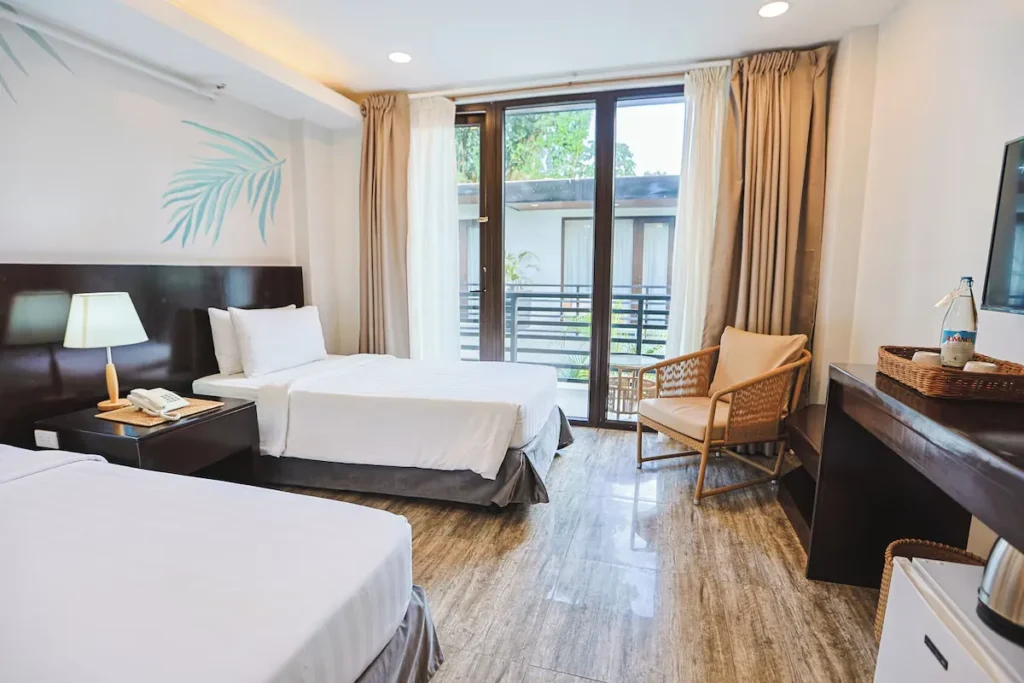
The best accommodation options in Port Barton book out weeks ahead during peak season (December to April). Properties like Swissipini, El Busero Inn, and Greenviews Resort are consistently praised for cleanliness, beachfront location, and genuinely helpful staff. Book directly by email or phone, where possible, to secure better rates and avoid third-party booking platform fees.
What should I know before visiting Port Barton?
Bring enough cash from Puerto Princesa, as there are no ATMs in Port Barton. Download offline maps as WiFi is limited. Book accommodation and island hopping tours well in advance during peak season. Electricity may be generator-only in some guesthouses, so carry a portable power bank and charge devices whenever possible.
Final Verdict: Is Port Barton Itinerary Worth It?
The honest answer, based on the experience of thousands of travelers who have made the overland journey from Puerto Princesa, is an emphatic yes. A Port Barton itinerary rewards the extra effort with an experience that is increasingly rare in Southeast Asian island travel: genuine remoteness, pristine marine environments, authentic community interaction, and remarkable value for money.
Port Barton is not for every traveler. If you require reliable WiFi, buzzing nightlife, fine dining, and air-conditioned transport on demand, this is not your destination. But if you want Palawan before the world found it, the version that makes seasoned Southeast Asia travelers go quiet with appreciation, then a Port Barton itinerary belongs at the very top of your Philippines bucket list.
The fact that Port Barton has remained relatively underdeveloped is simultaneously its greatest asset and its most fragile quality. Travel here with respect for the community and ecosystem, follow the conservation guidelines from your tour operators, support local businesses, and you will return home not just with stunning photographs but with the rare satisfaction of having experienced something genuinely irreplaceable.
Frequently Asked Questions About Port Barton
How many days do you need in Port Barton, Palawan?
A 3-day Port Barton itinerary is ideal for first-time visitors. Three days gives you enough time to explore the islands, go snorkeling, visit waterfalls, and soak in the beach atmosphere without feeling rushed. Travelers with more flexibility often extend to 4 or 5 days and rarely regret it.
Is Port Barton better than El Nido?
Port Barton is quieter, more affordable, and far less crowded than El Nido, making it ideal for travelers who want a more authentic Palawan experience. El Nido offers more dramatic limestone scenery and a larger tourism infrastructure, but Port Barton delivers superior peace, value, and reef health. The best choice depends entirely on your travel priorities.
How do you get to Port Barton from Puerto Princesa?
From Puerto Princesa, take a shared van from the San Jose Terminal heading toward San Vicente and ask to be dropped at Port Barton. The journey takes approximately 3 to 4 hours and costs around 300 to 400 PHP per person. Book your seat the evening before departure for the best availability.
What is the best time to visit Port Barton?
The best time to follow a Port Barton itinerary is between November and May during the dry season. Seas are calm for island hopping, snorkeling visibility is excellent, and rainfall is minimal. Avoid June through October when monsoon rains can disrupt water activities and rough seas may cancel boat trips.
Is Port Barton safe for solo travelers?
Yes, Port Barton is considered very safe for solo travelers, including solo female travelers. The community is small, tightly knit, and genuinely welcoming. It is easy to meet other travelers at guesthouses and on island-hopping tours. Standard common-sense travel practices still apply, as they would anywhere.
Are there ATMs in Port Barton?
No, there are no ATMs in Port Barton. Bring sufficient cash from Puerto Princesa before setting off. All accommodations, restaurants, and tour operators operate on cash only, so this is an essential step in planning any Port Barton itinerary. Budget generously and carry a reasonable buffer above your expected spend.