The first time you put your head underwater at Koh Lipe, there’s a good chance you’ll surface immediately just to check whether you’re imagining it. The visibility is that clear. This snorkeling Koh Lipe guide is written for anyone who wants to know what’s actually down there, not just the Instagram version, but the real reef conditions, the honest costs, and the spots that most day-trippers never reach.
Koh Lipe sits inside the Tarutao Marine National Park, protected by the Royal Thai Department of National Parks, Wildlife and Plant Conservation, which is one of the main reasons the reefs here have survived far better than comparable sites across Southeast Asia. If you’re planning a trip and wondering whether the snorkeling Koh Lipe guide hype is justified, it is, but with some important caveats worth knowing before you book.
Quick Island Facts
| Detail | Info |
| Location | Satun Province, Southern Thailand |
| Marine Protected Area | Tarutao National Park |
| Best Snorkeling Season | October to May |
| Average Underwater Visibility | 15–25 metres (dry season) |
| Entry Fee (National Park) | ~200 THB per person |
| Nearest Airport | Hat Yai International (HDY), ~3 hrs away |
Why Koh Lipe Is a Snorkeler’s Dream
Koh Lipe is a small island, you can walk its length in under 20 minutes, but what surrounds it underwater is anything but small. The combination of three distinct reef ecosystems close to shore, relatively low fishing pressure inside the marine park, and the natural current patterns that push nutrient-rich water through the straits creates an environment where marine life genuinely thrives.
What sets it apart from most of Thailand’s better-known dive destinations is accessibility. You don’t need a boat license or a dive certification to experience world-class marine encounters here. Pull on a mask 30 metres from Sunset Beach, and you’re already hovering over healthy coral. That kind of immediacy is rare, even in Thailand.
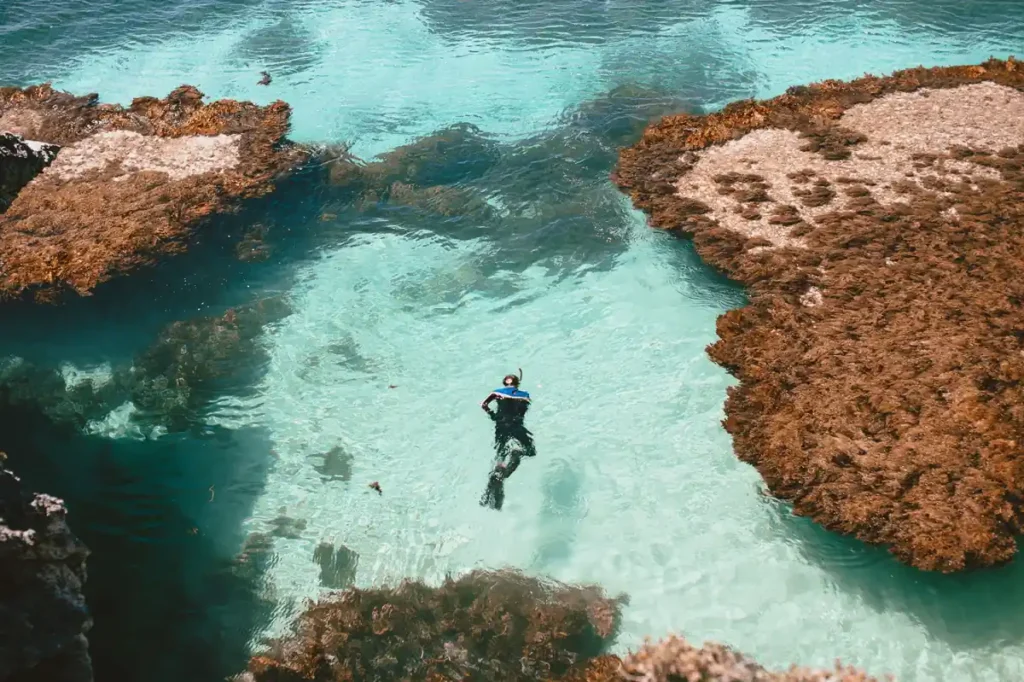
Researchers from Prince of Songkla University have documented over 100 coral species and more than 130 fish species across the reefs surrounding Koh Lipe. That’s not a brochure statistic, it reflects a reef system that has genuinely recovered since the national park began enforcing stricter rules around anchoring and fishing in the early 2010s.
Best Time to Go Snorkeling in Koh Lipe
October through May is when conditions are reliable. In practice, November to April sits in the sweet spot: the northeast monsoon has moved through, the seas are calm, and visibility regularly hits 20 to 25 metres. March and April get warm, almost too warm for some, but the water clarity is often at its peak.
May and October are shoulder months. You can still snorkel well during both, but afternoon wind can chop up the surface and reduce visibility. The rains usually start around mid-May, and by June, most liveaboards stop operating and some resorts close entirely. Koh Lipe essentially hibernates from June to September, so if you’re traveling during that window, the island itself will be largely shut.
When Is the Absolute Best Month to Snorkel at Koh Lipe?
January and February offer the calmest seas and consistently excellent visibility, typically 20 metres or more. Water temperature sits around 28–30°C, making these the most comfortable months for long sessions in the water.
Planning a snorkeling adventure? Read more in Best Time to Visit Koh Lipe: When to Go and When to Avoid to find the best time to explore Koh Lipe’s underwater world.
What the Water Is Really Like Around the Island
Clear, warm, and busier than the beach suggests. Around the three main beaches, Sunrise, Pattaya, and Sunset, snorkelers are rarely alone, especially mid-morning when tour boats offload their passengers. The southern and eastern sides of the island tend to see lighter traffic and are worth the extra effort.
Currents exist and shouldn’t be ignored. The channel between Koh Lipe and the neighbouring island of Koh Adang produces a reliable current that’s manageable for most swimmers but can catch beginners off guard. The Thailand Marine and Coastal Resources Research and Development Center has flagged this area as requiring caution for inexperienced swimmers. If you feel the pull, don’t fight it, angle sideways and swim to calmer water.
What Are the Top Three Snorkeling Spots Around Koh Lipe?
Hin Ngam, the reef off Koh Adang’s southern shore, and the northern tip of Koh Lipe (locally called the “Dragon’s Head”) are the three most consistently rewarding spots for marine life and coral diversity.
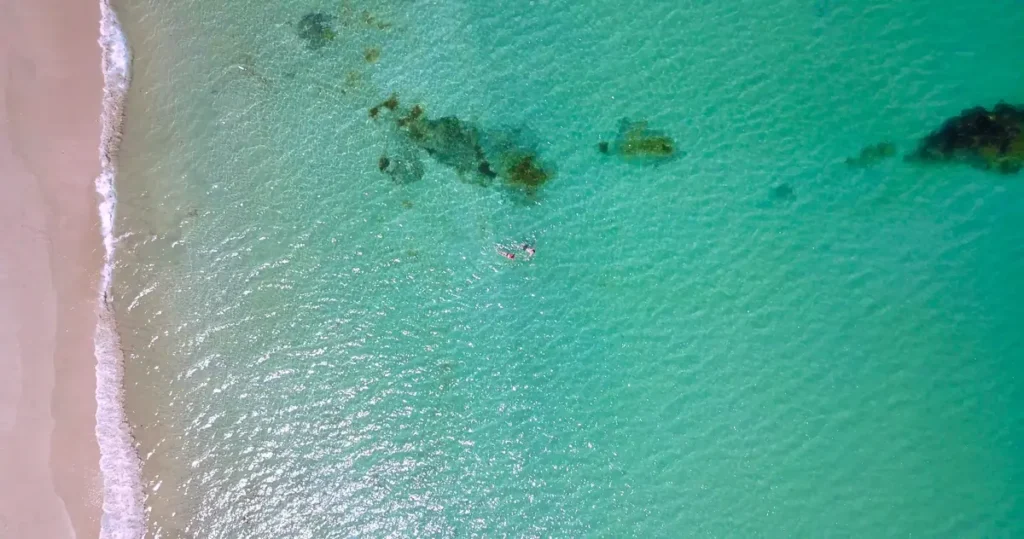
Top Snorkeling Spots You Shouldn’t Miss
- Hin Ngam (“Beautiful Rocks”): A submerged boulder reef about 15 minutes by longtail from Pattaya Beach. Covered in sea fans, table corals, and almost always patrolled by a small school of barracuda. This is the spot most guides take serious snorkelers first.
- Koh Adang Southern Reef: The beach-edge reef running along the south shore of Koh Adang is shallow, colourful, and excellent for beginners. Sea turtles are spotted here frequently, especially in the early morning.
- Dragon’s Head (Northern Koh Lipe): Less visited because it requires either a longtail or a longer swim. The reef structure here is more varied, caves, overhangs, large table corals, and the fish life is noticeably denser.
- Koh Rawi Reef: Part of the 8-island circuit. Further out, but consistently delivers the best visibility of any site in the area, often exceeding 25 metres.
- Jabang Reef (near Koh Jabang): Small but underrated. Giant clams, nudibranch, and unusual macro life make this a favourite with underwater photographers.
Sunrise Beach vs Pattaya Beach vs Sunset Beach
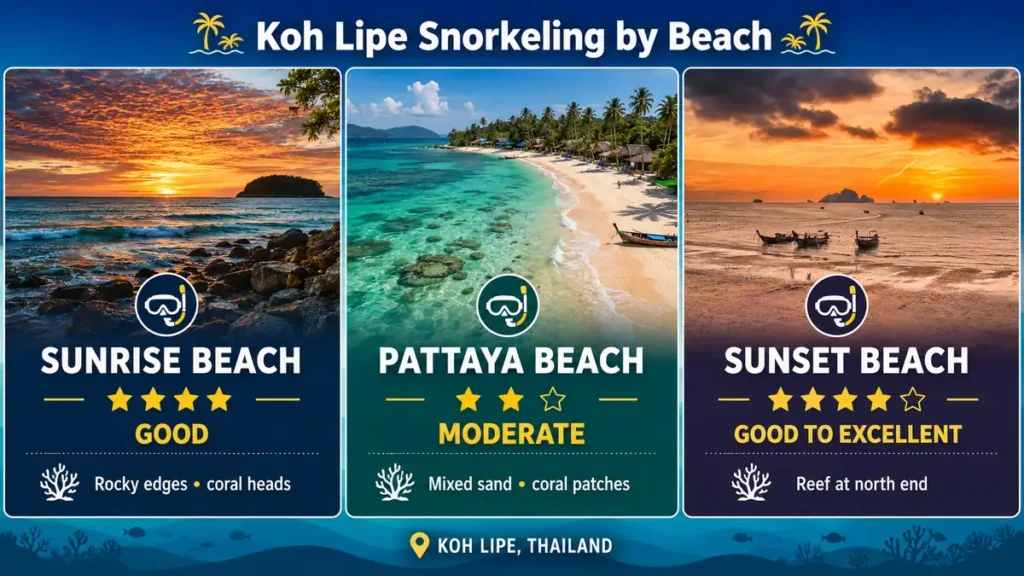
Each beach offers shore snorkeling, but they’re genuinely different experiences. Knowing which suits your style saves a disappointing morning.
| Beach | Snorkeling Quality | Crowd Level | Best For |
| Sunrise Beach | Good, rocky edges with coral heads | Moderate | Morning sessions, photography |
| Pattaya Beach | Moderate, mixed sand and coral patches | High | Beginners, families with kids |
| Sunset Beach | Good to excellent, reef to the north end | Low to moderate | Quiet exploration, turtle sightings |
Sunset Beach is the quiet one. It faces west, which means afternoons are busy with sunset watchers, but mornings are almost empty. The reef at the northern end of Sunset Beach is easy to reach from shore and regularly produces turtle encounters. Sunrise Beach has cleaner water first thing in the morning simply because the fishing boats and longtails haven’t started yet. Pattaya Beach is the commercial heart of the island, it’s convenient and well-serviced, but the boat traffic does disturb the water by mid-morning.
The Famous 8-Island Snorkeling Tour: Is It Worth It?
Probably yes, depending on which company you book through. The standard 8-island tour runs roughly 6 to 7 hours, stops at four to six snorkeling sites around the Tarutao Marine National Park, and includes a longtail or speedboat, a basic lunch, and snorkeling equipment. Prices range from 800 to 1,500 THB per person depending on boat type and group size.
Is the 8-Island Snorkeling Tour Worth the Money?
For most visitors, yes. It’s the most practical way to reach the outer reefs like Koh Rawi, which offer the best visibility in the whole area. The tradeoff is that you’re on a group schedule, sites can feel rushed, and some operators focus more on Instagram stops than actual reef time. Ask specifically about time in the water at each stop before you book.
The honest version: speedboat tours cover more distance but arrive at each site in a pack, which disturbs reef fish before you even get in. If you can find a smaller longtail-only operator that takes groups of six or fewer, the underwater experience is meaningfully better. It costs roughly 200 to 300 THB more per person but it’s worth it.
What You Can Actually See Underwater
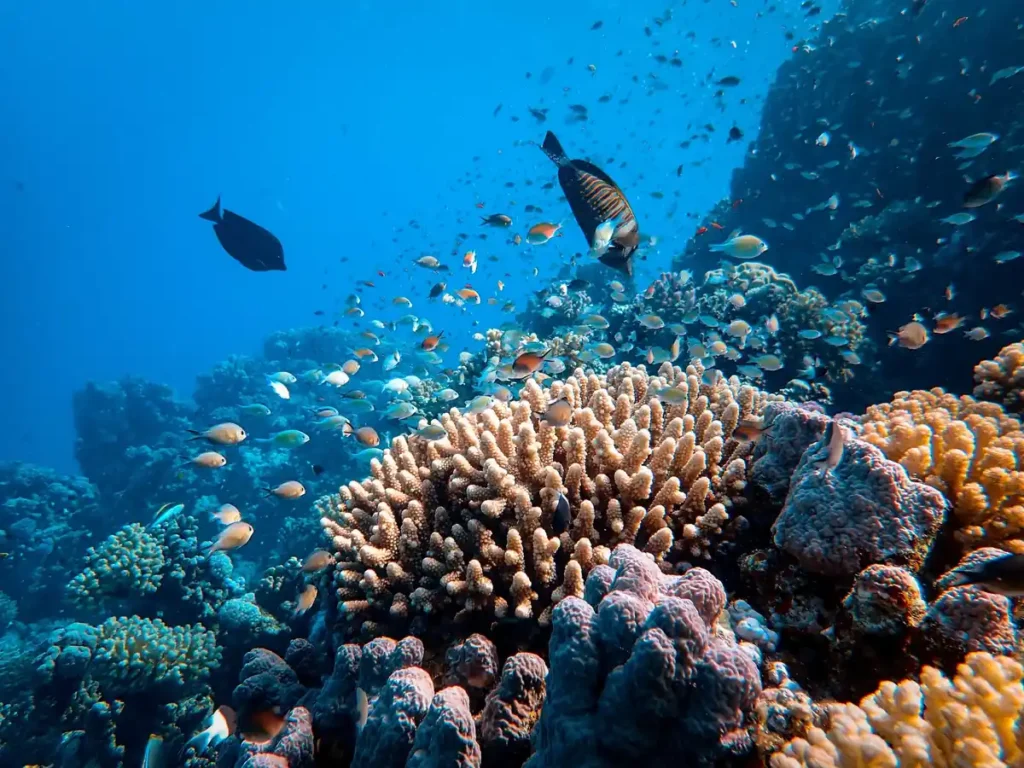
Koh Lipe’s reefs are genuinely alive in a way that surprises most people who’ve snorkeled elsewhere in Thailand. Some of what gets reported as still present in the park, including staghorn coral, which bleached badly during the 2010 and 2016 thermal events, is now recovering in certain areas, but it’s patchy. Manage your expectations around coral density: some sections look like a magazine photo, others look like recovery in progress.
What you’re very likely to see: parrotfish (everywhere), clownfish in their anemones, triggerfish, bannerfish, and large schools of snappers. Sea turtles are spotted on roughly 60 to 70 percent of morning snorkeling sessions based on reports from local dive operators. Reef sharks, mostly blacktip, are seen occasionally around the outer sites. Whale sharks have been sighted twice in the last three years near Koh Rawi, though that’s more a matter of luck than planning.
Hidden Reefs and Lesser-Known Snorkeling Areas
Ask any longtail operator who lives on the island and they’ll mention a spot that never makes it onto the standard tour circuits. The reef between Koh Usen and Koh Lipe’s southeastern tip is one of them, accessible only by longail, shallow enough for snorkeling, and almost never visited because it’s not on the way to anywhere else. Current can be unpredictable there, so it’s worth going with someone who knows the tides.
Koh Butang, further north in the park, occasionally gets included on extended private day trips. The reefs around it are less impacted simply because the boat journey makes it impractical for most tour operators. If you’re staying for a week or more, it’s worth asking a private longtail driver about a full-day charter to Butang. Expect to pay around 3,000 to 4,500 THB for the boat, split however many people you bring.
Snorkeling From the Shore vs Taking a Boat Trip
Shore snorkeling at Koh Lipe is legitimately good, and that’s not something that can be said about many islands. The fact that the reef comes close to the beach at both Sunrise and Sunset means you don’t need a boat to have a decent session. That said, shore snorkeling tends to cap out at a depth of about 4 to 6 metres, and you’ll be sharing the better sections with a lot of other people by late morning.
Boat trips are the gateway to the stuff that genuinely stops you in your tracks. The outer reefs, Hin Ngam, Koh Rawi, the channel sites, are simply unreachable on foot. If you only have two or three days, one shore snorkeling session and one boat day is a reasonable balance.
What to Pack for a Day in the Water
- Reef-safe sunscreen: This matters. The national park has banned oxybenzone-based sunscreens at the entry gate, following guidelines set by the Thai Department of Marine and Coastal Resources. Bring your own or buy on the island, some dive shops stock it.
- Rash guard or thin wetsuit top, sunburn through water is real, and sessions often run longer than planned
- Snorkeling mask and fins if you have your own, rental quality varies a lot
- Waterproof bag or dry sack
- Water shoes for rocky entries at sites like Hin Ngam
- At least 2 litres of water, there’s limited shade on most boats
- Small waterproof camera or a decent underwater phone case
Renting Snorkeling Gear on Koh Lipe
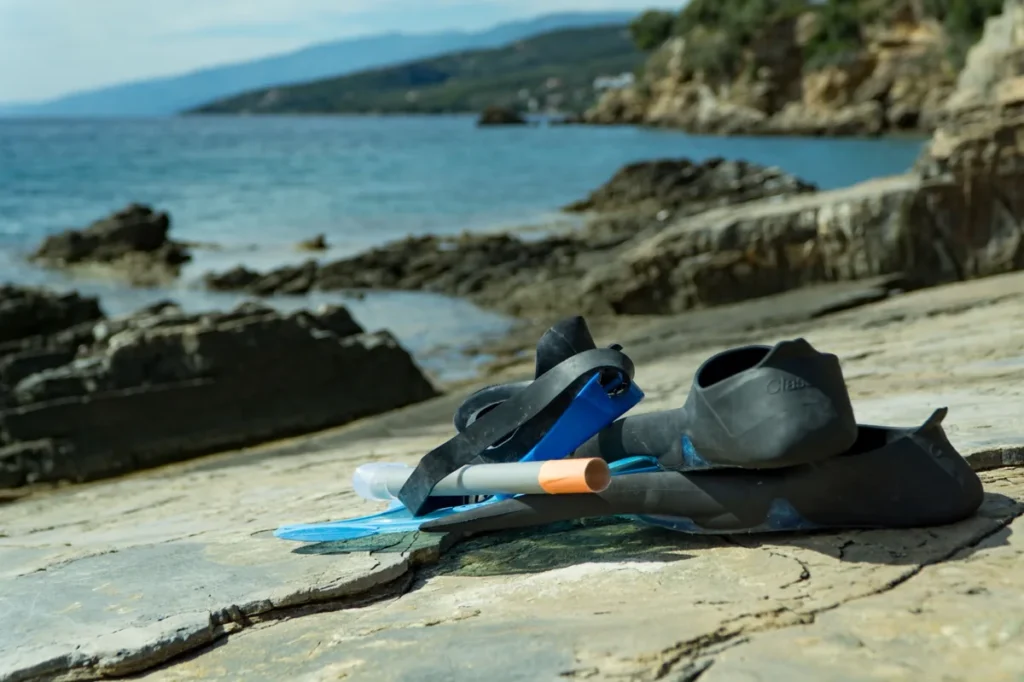
Gear is available from most dive shops and beach shacks along Pattaya Beach’s walking street. Mask and fins rent for around 100 to 200 THB per day, full sets including a vest for 250 to 350 THB. Quality is inconsistent, some shops maintain their equipment well, others have masks with degrading silicone that leaks immediately.
Should You Rent or Bring Your Own Snorkeling Gear?
If you snorkel more than two or three times a year, bring your own mask at a minimum. A good-fitting mask is personal, it either seals to your face or it doesn’t, and rental masks are genuinely hit or miss. Fins and vests are fine to rent.
Safety Tips Before You Jump In
- Check conditions with your resort or the national park staff before heading out, seas can change quickly in shoulder season
- Never touch coral, even to stabilise yourself, even a gentle touch kills polyps
- Swim with a buddy, especially at sites with current
- Use a surface marker buoy (SMB) or tow a float at open-water sites so boat drivers can see you
- Don’t snorkel directly under a longtail, the propellers are invisible until it’s too late
- Carry a whistle if you’re going out without a guide
Common Mistakes First-Time Visitors Make
Going straight to Pattaya Beach at 11 AM and wondering why the water feels crowded and murky. Morning, early, that’s the rule. First timers also consistently underestimate sun exposure; an hour face-down in clear tropical water will burn the back of your legs and neck in a way you won’t forget.
Booking the cheapest 8-island tour without asking how many people are on the boat is another one. Arriving at a reef behind 30 other snorkelers on five separate boats simultaneously is a very different experience from arriving first with six people. It’s worth the extra 300 THB.
Marine Life Etiquette: What Not to Do
The national park’s signage is clear on this, but it’s worth repeating because the rules exist for good reasons. When exploring the reef, avoid stepping on coral, as pieces that appear lifeless may still be part of a living ecosystem. Refrain from feeding marine life, since it can disrupt natural behaviors and habitats. It’s also best to leave shells, coral fragments, and other reef materials where they are to help preserve the environment for future visitors. These aren’t just tourist-board suggestions; violations carry fines under Thailand’s National Parks Act.
Quick Answer: Can You Touch Coral at Koh Lipe Reefs?
No. Coral polyps are living animals. Physical contact, even accidental, transmits oils and bacteria from your skin, damages the structure, and can introduce disease. The rule applies to all reef areas within the Tarutao Marine National Park.
How Much Snorkeling Tours and Gear Rentals Cost
| Item | Budget Option | Standard | Premium |
| Gear Rental (mask + fins) | 100 THB/day | 150–200 THB/day | 250+ THB/day (good kit) |
| Group 8-Island Tour (speedboat) | 800 THB | 1,000–1,200 THB | 1,500 THB (small group) |
| Private Longtail (half day) | 1,500 THB | 2,000–2,500 THB | 3,000+ THB (full day) |
| National Park Entry | 200 THB | 200 THB | 200 THB |
| Guided Shore Snorkel Session | N/A | 500–700 THB | 900 THB (private guide) |
Prices above are approximate as of the 2024–2025 season and fluctuate based on demand, especially around peak weeks in December and January. Always agree on the price before boarding any longtail.
Family-Friendly Snorkeling Spots Around Koh Lipe
The reef off Pattaya Beach’s eastern end is the most family-friendly option, shallow, calm most mornings, and close enough to shore that nervous swimmers feel comfortable. The southern edge of Koh Adang (a short longtail ride) is also excellent for kids; the turtle sightings there happen at depths of just 2 to 3 metres, which even young snorkelers can manage easily.
One thing worth knowing if you’re traveling with children: life jacket rentals are available at most beach shacks for 50 THB. Some tour operators include them automatically for children; ask before you book.
Can Beginners Snorkel in Koh Lipe?
Absolutely, and this is genuinely one of the better places to do it for the first time. The shallow reefs near Pattaya and Sunset Beach are forgiving, clear water means no disorientation, the depth is manageable, and there’s usually someone nearby if you need help. Renting a float vest for the first session removes nearly all anxiety for nervous swimmers.
The one caveat is that beginners should stay away from the channel sites and anywhere described as having current until they’re comfortable. Stick to the shore reefs for the first day, then consider a guided tour on day two once you’ve got your fins.
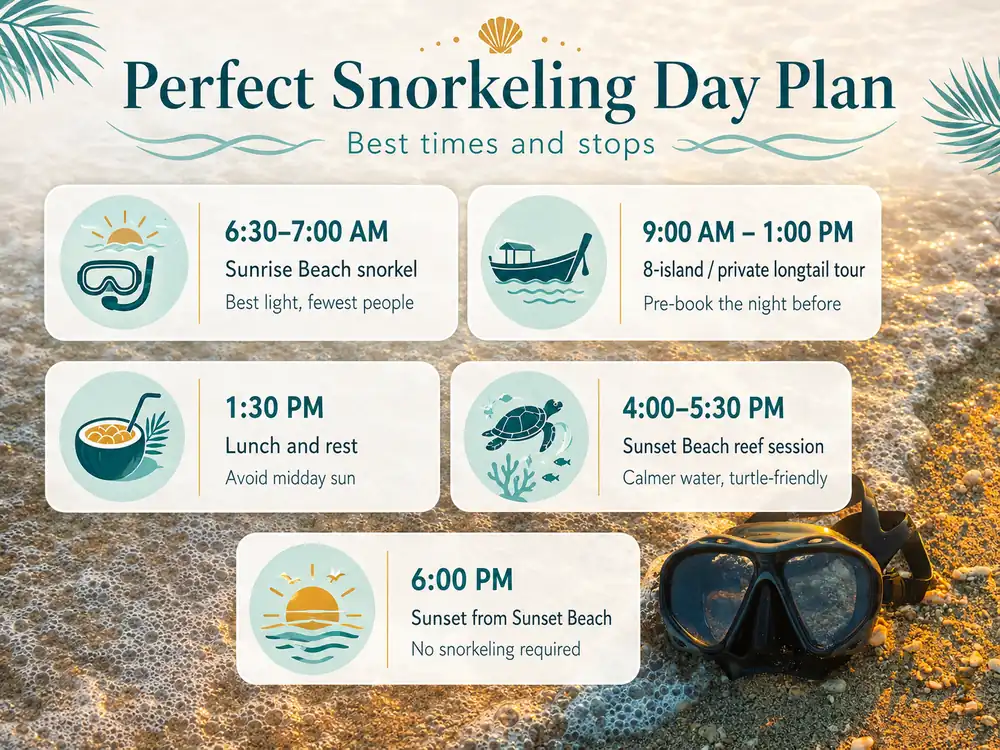
A Sample One-Day Snorkeling Itinerary
| Time | Activity | Notes |
| 6:30–7:00 AM | Sunrise Beach shore snorkel | Best light, fewest people |
| 8:00 AM | Breakfast on the beach | Most restaurants open by 7:30 |
| 9:00 AM – 1:00 PM | 8-island or private longtail tour | Pre-book the night before |
| 1:30 PM | Lunch and rest | Avoid midday sun — it’s brutal |
| 4:00–5:30 PM | Sunset Beach north reef session | Calmer water, turtle-friendly hour |
| 6:00 PM | Sunset from Sunset Beach | No snorkeling required |
Where to Stay for Easy Access to the Best Reefs
Staying on Sunrise Beach puts you closest to the morning reef and keeps you away from the main strip’s noise. Sunset Beach accommodation, a few small resorts, is ideal if you prioritise quiet evenings and the turtle reef. Pattaya Beach is the most convenient for eating, booking tours, and renting gear, but the beach itself isn’t the quietest.
None of the accommodation options are far from anything on Koh Lipe, the island is genuinely tiny. But if reef access before the crowds is your priority, Sunrise Beach-side guesthouses tend to deliver that best.
Final Thoughts: Is Koh Lipe Worth Visiting for Snorkeling?
Yes, and the qualifier is that it’s worth visiting for snorkeling specifically if you go during the right season. A trip in January or February to Koh Lipe gives you some of the best reef snorkeling accessible to a non-diver anywhere in Southeast Asia. The visibility, the marine life diversity documented by Thai university researchers, the national park protection, it all adds up.
The honest warning: if you arrive in peak week between Christmas and New Year, the island is overwhelmed. Prices spike, boats crowd the reef sites, and the experience degrades noticeably. Come in February or early March instead. Fewer people, same water, far better snorkeling.
Koh Lipe isn’t undiscovered. But it is, still, genuinely special, and the reefs prove it every time you put your head underwater.
Wondering if Koh Lipe lives up to the hype for snorkeling? Read more in Koh Lipe Travel Guide: The Thai Island That Changes How You See Beaches.
FAQs About Snorkeling in Koh Lipe
1. Is Koh Lipe good for snorkeling?
Yes, Koh Lipe is one of the best snorkeling islands in Thailand, especially if you visit during the dry season. The water is usually clear, the reefs are close to shore, and you can see colourful fish, coral gardens, and sometimes sea turtles without needing a diving certificate.
2. What is the best month to snorkel in Koh Lipe?
January and February are usually the best months for snorkeling in Koh Lipe. The sea is calmer, visibility is often excellent, and the weather is more reliable. November to April is also a strong period overall, but peak holiday weeks can feel crowded.
3. Can beginners snorkel in Koh Lipe?
Yes, beginners can snorkel in Koh Lipe quite comfortably. Pattaya Beach, Sunset Beach, and the shallow reef near Koh Adang are good starting points because the water is clear and the reef is not too deep. If you are nervous, rent a float vest for your first session.
4. Do I need to book a boat tour for snorkeling in Koh Lipe?
Not always. You can snorkel from the shore at Sunrise Beach, Sunset Beach, and parts of Pattaya Beach. However, a boat tour is worth it if you want to reach better outer reefs like Hin Ngam, Koh Rawi, and Jabang Reef, where visibility and marine life are usually stronger.
5. How much does snorkeling cost in Koh Lipe?
Basic snorkel gear rental usually costs around 100 to 350 THB per day, depending on the quality of the equipment. Group snorkeling tours often cost around 800 to 1,500 THB per person, while private longtail trips can cost more, especially for half-day or full-day charters.
6. Can you see turtles while snorkeling in Koh Lipe?
Yes, sea turtles are sometimes seen around Koh Lipe, especially near Koh Adang and the quieter reef areas around Sunset Beach. Sightings are never guaranteed, but early morning sessions give you a better chance because the water is calmer and fewer boats are moving around.