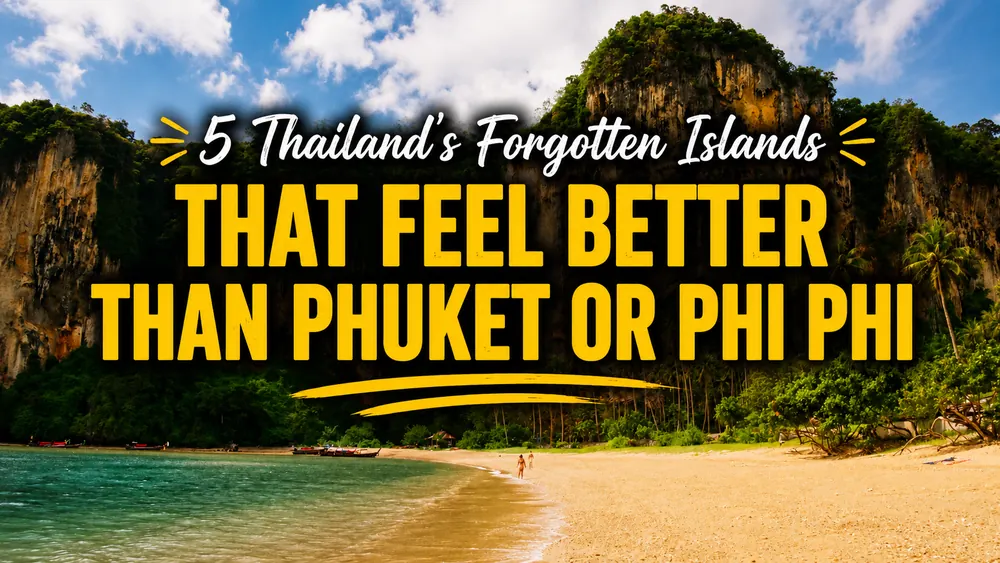
Everyone’s seen the photos. Turquoise water, longtail boats, white sand stretching out to a horizon that looks photoshopped. The problem? So has everyone else. Koh Samui, Phi Phi, Phuket, these places aren’t secret anymore, and haven’t been for a long time. But here’s the thing about Thailand’s forgotten islands: they’re not forgotten because they’re inferior. They’re forgotten because they require a little more effort, a slightly longer ferry ride, or a willingness to sleep somewhere without a swim-up bar.
And that effort is exactly what keeps them beautiful. Thailand’s forgotten islands are perfect for travelers who still want quiet beaches, local food, slow ferry days, and the feeling of finding somewhere real before it turns into another crowded hotspot.
Thailand’s forgotten islands rarely appear in mainstream travel campaigns for a simple reason: low infrastructure means low ad spend. The Tourism Authority of Thailand (TAT) focuses its marketing resources on destinations that can absorb mass arrivals. Islands without international airports, resort chains, or established tour operators don’t make the highlight reel. But travelers who do find them tend to come back, sometimes for weeks at a time.
What “Forgotten” Really Means in Thailand
Let’s be honest: nothing in Thailand is truly undiscovered. These islands have communities, guesthouses, and regular ferry routes. “Forgotten” here means something more practical — few Instagram tags, no queue for the sunset viewpoint, no touts on the beach, no one trying to sell you a party wristband at 10 AM.
According to the Department of Tourism, Thailand received around 28 million international visitors in 2023. Most of them clustered into fewer than a dozen destinations. The islands on this list barely registered in that data. That’s the gap, and it’s the gap worth stepping into.
Koh Phayam: Slow Days and Empty Beaches
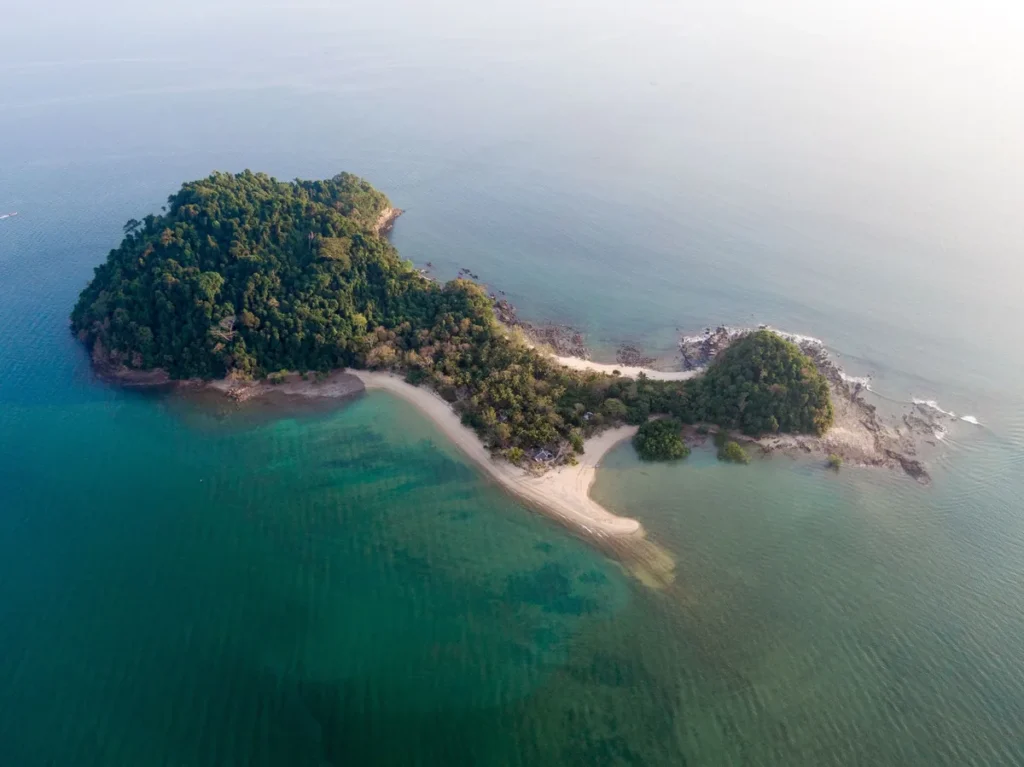
Koh Phayam sits in the Andaman Sea, just off Ranong province in southern Thailand. It’s roughly four hours by bus and ferry from Bangkok, or overnight train, not impossible, just a bit more deliberate than booking a flight to Phuket. That friction is a filter, and it works perfectly.
The island has no cars. Transport is by motorbike taxi or bicycle, which immediately changes the pace of everything. There’s no central town to speak of, just a loose cluster of small restaurants and guesthouses near the pier. Buffalo Bay and Aow Yai (Long Beach) are the main beaches, and on a busy day, you might share them with twenty people.
Is Koh Phayam Worth the Trip?
Yes, especially if you’re coming from an over-touristed area and need a reset. The beaches are genuinely beautiful, the seafood is excellent, and the absence of nightlife is a feature, not a bug. Best visited between November and April during the dry season.
The local community here is predominantly Muslim, and the island has a quiet, respectful rhythm to it. A few small cashew nut farms still operate inland, a reminder that life here existed long before tourism and continues to have priorities beyond it.
Thailand’s Forgotten Islands: Quick Comparison
| Island | Best For | Crowd Level | Best Season | Ferry From |
| Koh Phayam | Solo travelers, nature lovers | Very low | Nov – Apr | Ranong (1 hr) |
| Koh Mak | Couples, slow travel | Low | Oct – May | Trat (2 hrs) |
| Koh Bulon Leh | Minimalists, snorkelers | Extremely low | Nov – Apr | Pakbara (1.5 hrs) |
| Koh Jum | Families, budget travelers | Low–Moderate | Oct – May | Krabi (1.5 hrs) |
| Koh Yao Noi | Cyclists, culture seekers | Low | Year-round | Phuket (30 min) |
Koh Mak: Where Time Moves a Little Differently
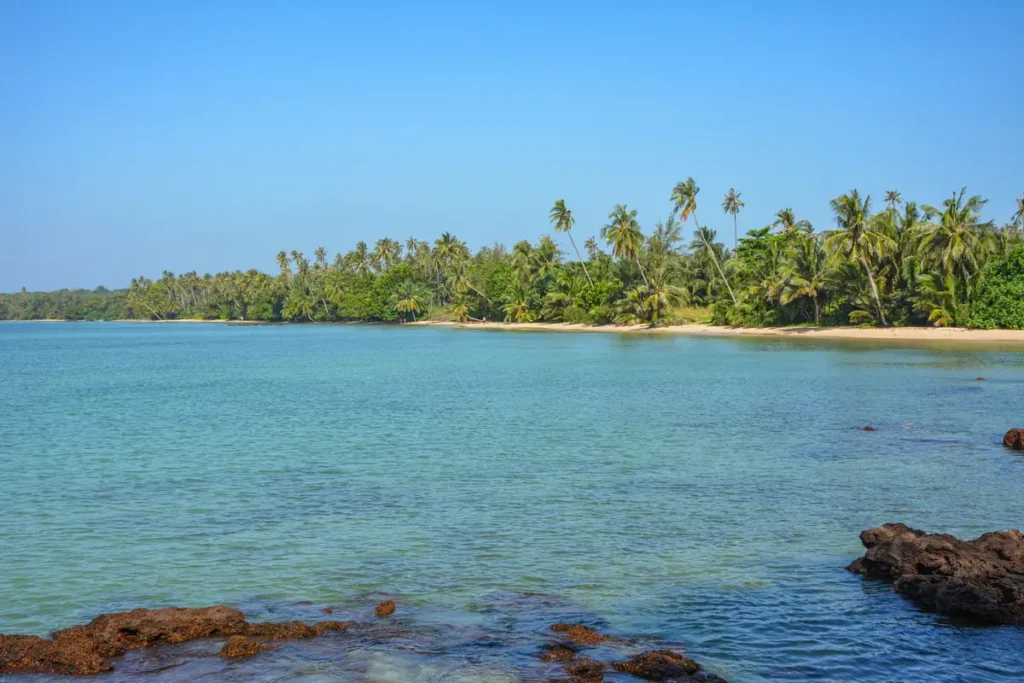
Koh Mak is the one that surprises people most. It’s not tiny, at about 16 square kilometers, it’s reasonably sized, but it carries itself like a village. The island is owned mostly by a few old Thai families, and their consistent resistance to mass development has kept it in a kind of deliberate slow motion.
The roads are paved but quiet. There’s a weekly market. The main beach, Ao Kao, has clear water and enough space that even a busy weekend doesn’t feel crowded. A few boutique resorts have opened in recent years, none of them would look out of place in a design magazine, but they’ve been careful about scale.
From Koh Chang (itself increasingly popular), Koh Mak feels like a step back in time. Which is interesting, because it isn’t actually behind at all. The restaurants are good. The guesthouses are well-run. It’s just that no one’s in a hurry.
How Do You Get to Koh Mak?
Ferries depart from Laem Ngop pier near Trat, taking around two hours. Speed boats are also available and cut the trip to about an hour. From Bangkok, Trat is accessible by bus (5–6 hours) or a short domestic flight. There’s no airport on the island.
Koh Bulon Leh: A Tiny Island with a Big Escape Factor
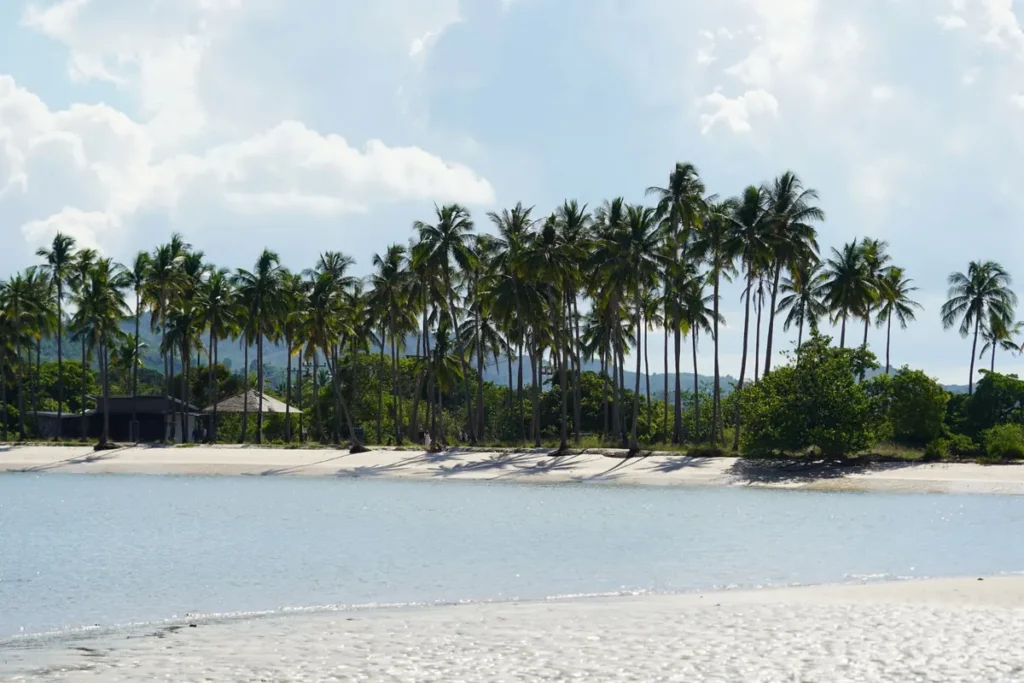
This one is genuinely small, about 3.5 square kilometers, and feels even smaller once you’re on it. There’s one main beach, one small village, a few guesthouses, and a handful of restaurants that seem to operate on island time (meaning they open when they open). Electricity is solar and generator-based. Wi-Fi exists, but shouldn’t be relied on. If that sounds like a problem, this island isn’t for you. If it sounds like relief, Koh Bulon Leh might be exactly what you need.
The snorkeling is some of the best in the region. The reef around the island is in relatively good health, partly because low visitor numbers mean low pressure on the ecosystem. Marine biologists from Chulalongkorn University have noted that low-traffic islands in the Andaman often show measurably better coral recovery compared to high-density tourist sites.
Getting here requires a ferry from Pakbara pier, near Satun in Thailand’s deep south. The ferry runs seasonally (roughly November to April) and takes about 90 minutes. Off-season access is limited, which is part of what keeps the island pristine.
Koh Jum: The Laid-Back Alternative to Krabi
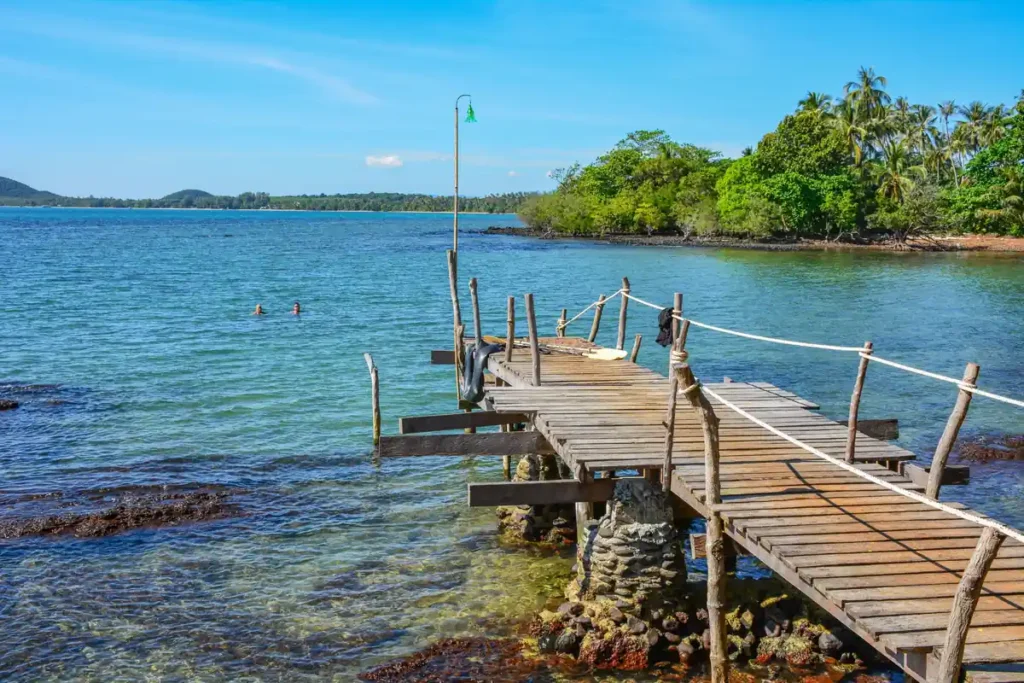
Koh Jum (also written Koh Pu) sits between Krabi and Ko Lanta, and yet somehow manages to feel like neither. It has a bit more infrastructure than the others on this list, a small town, a school, and a health clinic, which makes it feel like a real place rather than a resort backdrop.
The northern part of the island is wilder, with forest and a hill that offers decent views if you’re up for a short hike. The southern part is flatter and more accessible, with most of the accommodation clustered there. Budget travelers and families tend to do well here. The guesthouses are genuinely affordable by any standard, and the vibe is relaxed without being aggressively “hippie retreat.”
What Makes Koh Jum Different From Ko Lanta?
Ko Lanta has developed significantly over the past decade, with more resorts, more tour operators, and more nightlife. Koh Jum is quieter, cheaper, and more locally oriented. If Ko Lanta circa 2010 sounds appealing, that’s roughly where Koh Jum is now. There’s no guarantee it stays that way indefinitely.
Accommodation Overview Across Thailand’s Forgotten Islands
| Island | Budget (USD/night) | Mid-Range (USD/night) | Luxury Options | Advance Booking? |
| Koh Phayam | $8 – $20 | $25 – $60 | Limited | Advisable in peak season |
| Koh Mak | $20 – $40 | $60 – $130 | A few boutique resorts | Recommended |
| Koh Bulon Leh | $10 – $25 | $35 – $70 | None | Essential in high season |
| Koh Jum | $10 – $25 | $40 – $90 | Very limited | Not always needed |
| Koh Yao Noi | $30 – $60 | $80 – $200 | Yes (1–2 properties) | Always recommended |
Koh Yao Noi: Local Life Between Phuket and Krabi
Koh Yao Noi sits in the middle of Phang Nga Bay, which means it’s surrounded by some of the most dramatic limestone karst scenery in all of Southeast Asia. The bay itself is a UNESCO-recognized area, and a short kayak from the island puts you right in the middle of it.
What makes Koh Yao Noi stand out among Thailand’s forgotten islands is that it actually has a functioning local economy that isn’t based on tourism. Fishing and rubber farming are still the primary livelihoods for much of the community. Visitors are welcome, but they’re not the center of the island’s identity.
The island is predominantly Muslim, and modest dress away from the beach is appreciated. The Community-Based Tourism project here, recognized by the Thai Ministry of Tourism and Sports, offers homestays and guided experiences that put money directly into local households rather than international resort chains.
Can You Do a Day Trip to Koh Yao Noi from Phuket?
Yes, a speedboat from Bang Rong pier in Phuket takes about 30 minutes. But a day trip undersells what the island offers. If you can stay overnight, even one night, you’ll understand why people end up lingering for a week.
The Best Time to Visit Thailand’s Lesser-Known Islands
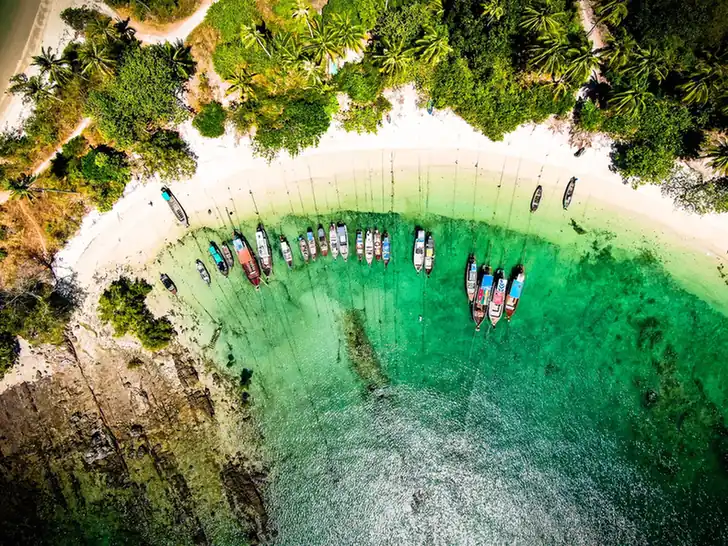
The short answer is November through April, which is Thailand’s general dry season. But the specifics matter more than people realize.
The Gulf of Thailand side (Koh Mak) and the Andaman side (Koh Phayam, Koh Bulon Leh, Koh Yao Noi) have different wet seasons. When the Andaman coast gets its monsoon (May to October), the Gulf side is often still fine. Koh Mak and Koh Jum, being on or near the Gulf, can sometimes be visited outside the traditional dry window.
Koh Bulon Leh is the most weather-dependent. Ferries stop running in the wet season, and many guesthouses simply close. Don’t plan a trip there outside the November–April window without checking current conditions from the Satun Ferry Authority.
Planning an island escape? Read more to discover Best Time to Visit Koh Lipe: When to Go and When to Avoid.
Seasonal Guide for Thailand’s Forgotten Islands
| Island | Peak Season | Avoid | Off-Season Notes |
| Koh Phayam | Dec – Mar | Jun – Sep | Some guesthouses close |
| Koh Mak | Nov – May | Jun – Oct | Limited services off-season |
| Koh Bulon Leh | Nov – Apr | May – Oct | Ferries stop; most close |
| Koh Jum | Nov – Apr | May – Oct | Some places stay open |
| Koh Yao Noi | Year-round | Heavy rains in Sep | Quiet in the low season |
Getting There Is Part of the Adventure
There are no direct international flights to any of these islands. That’s not a complaint, it’s a feature. You fly into a hub, Bangkok, Phuket, Krabi, or Hat Yai, and then work your way down by bus, minivan, or local ferry.
For Koh Phayam, you can fly into Bangkok, then continue with an overnight train or VIP bus to Ranong (about 9–10 hours), followed by a 1-hour ferry to the island. To reach Koh Bulon Leh, fly into Hat Yai, travel by bus to Pakbara Pier, and then take a 90-minute ferry ride. For Koh Yao Noi, the journey starts at Phuket International Airport, followed by a short 30-minute speedboat transfer.
Most travelers find that the journey itself recalibrates them. By the time you’re on the ferry watching the mainland shrink behind you, the pace has already shifted. That’s worth something.
What You Won’t Find Here (And Why That’s the Point)
This is the most useful section for managing expectations before you go.
- No 7-Elevens (or very few). Stock up on snacks before the ferry.
- No ATMs on most islands. Bring enough cash for your entire stay, plus a buffer.
- No international pharmacy chains. Basic medication, yes. Your specific prescription is unlikely.
- No reliable high-speed internet. Remote work is possible on some islands (Koh Yao Noi has a decent signal), but not guaranteed.
- No nightlife in the traditional sense. A beach bar with lanterns and reggae, maybe. A club, no.
The absence of these things is the product, not an oversight. Travelers who understand this leave happy. Those who don’t, don’t.
Staying Respectful in Small Island Communities
Several of these islands have predominantly Muslim communities, particularly Koh Phayam, Koh Bulon Leh, and Koh Yao Noi. Modesty is genuinely appreciated outside of beach areas. A light scarf or sarong costs nothing and communicates a level of respect that locals notice.
Buy local. The small warung selling pad kra pao for 60 baht has more impact on a family’s income than a week of Instagram posts about the island. The TAT’s responsible tourism guidelines specifically encourage tourists to engage with local businesses and village economies rather than consolidating spending at international-owned resorts.
Don’t take photos of people without asking. This sounds basic, but it’s regularly ignored. A simple gesture and a smile are enough to ask, and people almost always say yes when you’ve actually asked.
Hidden Costs and Surprises First-Time Visitors Should Know
Cash is king, and there’s genuinely no fallback. On Koh Bulon Leh, for example, some guesthouses charge a significant fee for card payments if they accept them at all. Budget at least 20–30% more in daily cash than you think you need.
Ferry cancellations happen, especially in the shoulder season. Build in a flexible day on either end of your island stay. Missing your return ferry because of the weather and scrambling for a domestic flight from Ranong is a real scenario, and flights out of smaller regional airports can be surprisingly expensive when booked same-day.
Medical facilities are limited. The Koh Mak local health clinic handles minor issues, but anything requiring real treatment means evacuation to Trat or Bangkok. Comprehensive travel insurance with medical evacuation coverage is not optional for these destinations; it’s necessary.
Which Forgotten Island Fits Your Travel Style?
Not all of these islands are right for everyone, and that’s fine.
- Solo traveler wanting complete quiet: Koh Bulon Leh or Koh Phayam.
- Couple looking for romance without the resort price tag: Koh Mak.
- Family with kids: Koh Jum, calmer waters, more facilities, easier logistics.
- Cultural curious, cyclist, or photographer: Koh Yao Noi, without question.
- Someone fleeing burnout with zero agenda: any of them will work. Pick the one with the most appealing ferry route.
Looking for your ideal escape? Read more in our Koh Lipe Travel Guide to match your travel style with the right secret island.
Island-to-Traveler Match Guide
| Traveler Type | Best Island | Why It Works |
| Solo/minimalist | Koh Bulon Leh | Extreme quiet, raw nature, zero distraction |
| Couples / romantic escape | Koh Mak | Calm, beautiful, just enough comfort |
| Families | Koh Jum | Facilities, calm beaches, local feel |
| Culture & cycling | Koh Yao Noi | Local life, stunning scenery, and proximity to Phang Nga |
| Budget backpackers | Koh Phayam | Cheap guesthouses, great beaches, easy access |
Are These Islands Worth Choosing Over Thailand’s Famous Hotspots?
Depends on what you’re optimizing for.
If you need guaranteed sunshine, multiple restaurant options, and easy logistics, Samui or Krabi will serve you better. Those islands exist for a reason, and they do their job well.
But if you’re at a point where the polished version of a beach holiday has started to feel hollow, where the photos look great, but the experience feels like standing in a queue, then yes. Thailand’s forgotten islands are worth it. Not as a compromise, but as a deliberate upgrade in a different direction.
The trade is simple: you give up convenience and gain something that’s become genuinely rare in Southeast Asia. Space. Quiet. A version of Thailand that isn’t curated for a brochure.
Final Thoughts: Thailand Beyond the Crowds
There’s a version of Thailand that most first-timers never see. Not because it’s hidden, exactly, but because it doesn’t advertise. These five islands, Koh Phayam, Koh Mak, Koh Bulon Leh, Koh Jum, and Koh Yao Noi, are all accessible, all genuinely beautiful, and all operating at a pace that feels sustainable.
They won’t all be Thailand’s forgotten islands forever. Koh Mak is slowly getting discovered. Koh Yao Noi has started appearing in boutique travel guides. That’s how it goes. But right now, in 2026, they still offer something the famous spots struggle to deliver: the sense that you’ve actually arrived somewhere, rather than just checked in.
Go while that’s still true.
FAQs About Thailand’s Forgotten Islands
1. What are Thailand’s forgotten islands?
Thailand’s forgotten islands are quieter, less-developed islands that most tourists skip for famous places like Phuket, Koh Samui, or Phi Phi. Islands like Koh Phayam, Koh Mak, Koh Bulon Leh, Koh Jum, and Koh Yao Noi still offer peaceful beaches, local life, and a slower travel experience without the heavy crowds.
2. Which forgotten island in Thailand is best for first-time visitors?
Koh Yao Noi is one of the easiest choices for first-time visitors because it is only about 30 minutes by speedboat from Phuket. It still feels calm and local, but it has better access, more comfortable stays, and enough facilities to make the trip simple.
3. Are Thailand’s lesser-known islands expensive to visit?
Most of these islands are still affordable compared to Thailand’s famous beach destinations. Koh Phayam, Koh Jum, and Koh Bulon Leh have budget guesthouses, while Koh Mak and Koh Yao Noi offer more mid-range and boutique options. The main thing to remember is to carry enough cash, as ATMs and card payments can be limited.
4. What is the best time to visit Thailand’s forgotten islands?
The best time is usually from November to April, especially for Andaman-side islands like Koh Phayam, Koh Bulon Leh, and Koh Jum. Koh Bulon Leh is the most seasonal, with ferries and many guesthouses closing during the wet months, so it is better to plan that trip carefully.
5. Are these islands good for nightlife and parties?
No, and that is part of their charm. These islands are better for quiet beaches, slow evenings, seafood dinners, snorkeling, cycling, and peaceful stays. You might find a small beach bar, but you should not expect clubs, loud parties, or a busy nightlife scene.
6. Which of Thailand’s forgotten islands is best for families?
Koh Jum is a good choice for families because it has a relaxed atmosphere, calm beaches, affordable stays, and more basic facilities than the smaller, remote islands. It feels local and peaceful without being too difficult to manage with kids.