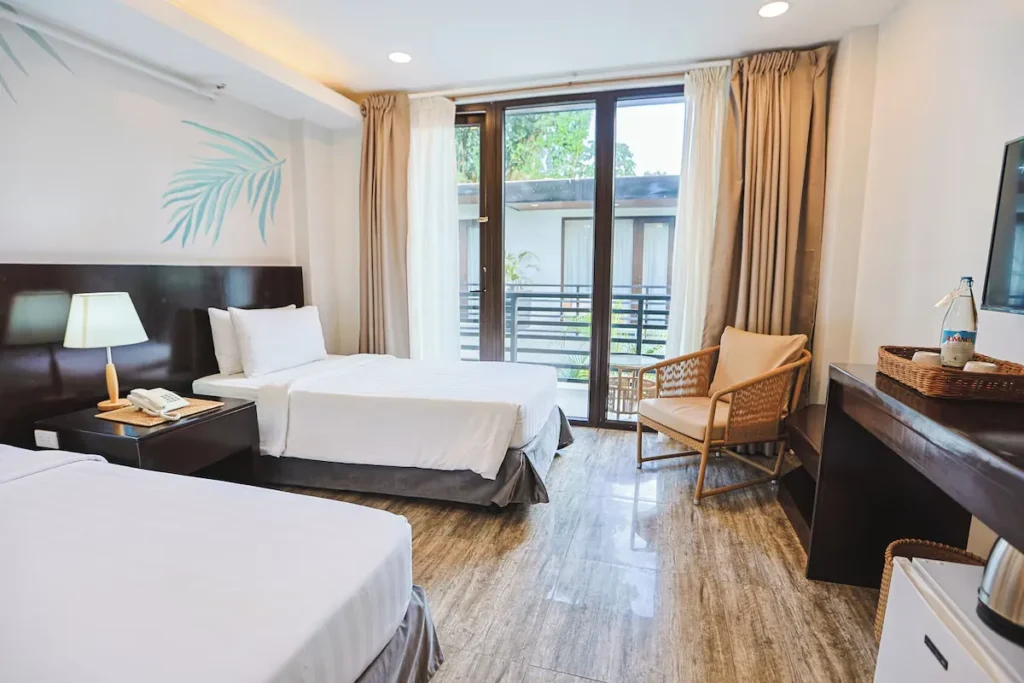

Agonda Beach vs Palolem Beach differs mainly in size, crowd, and rules. Agonda is about 3 km long, has fewer shacks, no loud parties after 10 PM, and closes to tourist huts during monsoon season, so it stays calm and green most of the year. Palolem is shorter, around 1.5 km, but it is packed with beach huts, restaurants, and shops side by side, and it stays busy with tourists almost all season, including families and backpackers.
Palolem also offers more water activities like kayaking, dolphin-watching boats, and paddleboarding, while Agonda is better for swimming since its water is calmer and less crowded. Prices are usually a bit higher in Agonda because it attracts long-stay travelers and yoga retreats, while Palolem has more budget stays and street food options. So in the Agonda Beach vs Palolem Beach comparison, pick Agonda for quiet mornings and simple living, and pick Palolem if you want more energy, more food choices, and more people around you.
Agonda Beach vs Palolem Beach: Quick Overview
Before getting into the details, here is where the two beaches stand side by side at a glance.
| Category | Agonda Beach | Palolem Beach |
| Crowd Level | Low to moderate | High, especially Nov–Feb |
| Atmosphere | Quiet, slow-paced, ecological | Social, lively, party-friendly |
| Accommodation Range | ₹800 – ₹18,000/night | ₹600 – ₹22,000/night |
| Water Activities | Limited, calm swimming | Kayaking, dolphin trips, boat rides |
| Nightlife | Minimal | Active (silent disco, beach shacks) |
| Food Scene | Small shacks, local flavour | Wide variety, international options |
| Best For | Solo travelers, couples, yoga retreats | Groups, backpackers, social travelers |
| Beach Cleanliness | Generally better maintained | Varies by season and footfall |
| Distance from Canacona Station | 10 km | 2 km |
| Wildlife Protection | Olive Ridley turtle nesting site | No special wildlife designation |
This table captures the surface differences. The sections below explain what actually drives each of those points.
Agonda Beach vs Palolem Beach, One-Line Answer
Agonda Beach is quieter, cleaner, and better for slow travel and nature lovers. Palolem Beach is livelier, more social, and better for first-time Goa visitors who want activities, food variety, and a vibrant nightlife scene.
Location and Accessibility Comparison
Both beaches are in the Canacona taluka of South Goa district, one of the last coastal stretches in Goa where development remains controlled under the Coastal Regulation Zone (CRZ) rules enforced by the Goa State Coastal Zone Management Authority.
Palolem Beach is located approximately 2 km from Canacona Railway Station, making it one of the most accessible beaches in South Goa. Taxis, autos, and even cycle rickshaws connect the station to Palolem within minutes. Its GPS coordinates are 15.0102° N, 74.0228° E. National Highway 66 passes just a few kilometers from the beach entrance, making it easy to reach from Margao (37 km) or Dabolim Airport (60 km).
Agonda Beach sits further north at 15.0415° N, 74.0298° E, about 10 km from Canacona Station and 8 km from Palolem itself. There is no direct bus to Agonda Beach. Local autos from Canacona charge ₹200–₹300 for the drop, and taxis from Dabolim Airport run ₹1,400–₹1,800. For most visitors, Agonda requires one extra step of transport compared to Palolem, and that small difference is intentional; it filters the crowd naturally.
Palolem is easier to reach. Agonda is slightly more effort, but that effort is part of why it stays quieter.
Which Beach is Easier to Reach?
Palolem Beach is easier to reach, just 2 km from Canacona Railway Station. Agonda Beach is 10 km away and requires an auto or taxi from Canacona or Chaudi. Both beaches are roughly 60 km from Dabolim Airport (GOI) via NH66.
Looking for a quieter couple’s getaway in Goa? This Agonda Beach travel guide covers everything you need for a romantic trip.
Crowd and Atmosphere Difference

This is where Agonda Beach and Palolem Beach differ most sharply.
Palolem Beach is one of Goa’s most popular and photographed beaches, especially from November to February. It gets crowded, lively, and social, with busy roads, vendors, beach huts, and its famous silent disco nights.
Agonda Beach offers a much quieter vibe. It has no loud bars or hawkers, stretches over 3 km, and even in peak season still feels peaceful. Protected Olive Ridley turtle nesting zones also help preserve their calm atmosphere.
If you prefer peace and space, choose Agonda. If you want nightlife and a social crowd, choose Palolem.
Beach Cleanliness and Natural Beauty
Agonda Beach consistently comes out ahead on cleanliness in the Agonda Beach vs Palolem Beach debate, and there is a structural reason for it. Lower footfall means less litter, fewer food waste points, and less pressure on the limited waste management infrastructure in Canacona.
Palolem Beach has made visible efforts; the South Goa Collector’s office has periodically organized beach clean-up drives in coordination with local panchayats, but the sheer volume of visitors between December and January makes sustained cleanliness difficult. Water quality testing conducted under the oversight of the Goa State Pollution Control Board has flagged elevated coliform levels at crowded beach sections during peak season in prior years, particularly near beach shack clusters. Agonda Beach, with its lower traffic density, consistently records better water quality during the same period.
In terms of natural beauty, both beaches are genuinely stunning. Palolem’s crescent shape and framing by forested headlands on both ends make it one of the most visually dramatic beaches in Goa. Agonda’s wider bay, backed by paddy fields and cashew groves, feels more untouched. On this one, it is genuinely subjective, but if you are choosing based on what nature looks like when it is not surrounded by beach huts, Agonda wins.
Water Activities and Adventure Options
| Activity | Agonda Beach | Palolem Beach |
| Swimming | Yes, calm, safe lagoon | Yes, similar conditions |
| Kayaking | Limited availability | Widely available (₹300–₹500/hr) |
| Dolphin Boat Trips | Not directly, arrange via Palolem | Yes, daily trips to the beach |
| Stand-Up Paddleboarding | Rare | Available at multiple operators |
| Snorkelling | Not recommended, limited visibility | Trips to Butterfly Island available |
| Yoga / Wellness | Multiple retreat centres | Some, but fewer than Agonda |
| Fishing Trips | Limited | Available with local fishermen |
Palolem is the clear winner for water-based activities and adventure. Multiple licensed boat operators run dolphin-watching trips from Palolem Beach every morning between 7 AM and 10 AM, a practice that has been in place for over a decade. These trips typically head toward Butterfly Beach and Honeymoon Beach, two smaller coves accessible only by boat.
Agonda Beach is not an activity hub. The water is calm, actually calmer than Palolem’s at certain times of year, making it excellent for swimming without the need for the dolphin trip infrastructure. Several yoga retreat centres have set up around Agonda Beach specifically because of its quiet setting and the absence of competing noise from beach bars. For anyone prioritizing wellness over water sports, Agonda is the stronger option.
Water Activities, Agonda Beach vs Palolem Beach
Palolem Beach offers more water activities, including kayaking, dolphin trips, paddleboarding, and snorkelling excursions to Butterfly Island. Agonda Beach has calmer waters ideal for swimming and hosts multiple yoga retreat centres, but has limited adventure activity operators.
If you want a Goa trip without packed beaches and loud nights, this Agonda Beach vacation guide is exactly where to start.
Accommodation and Stay Experience
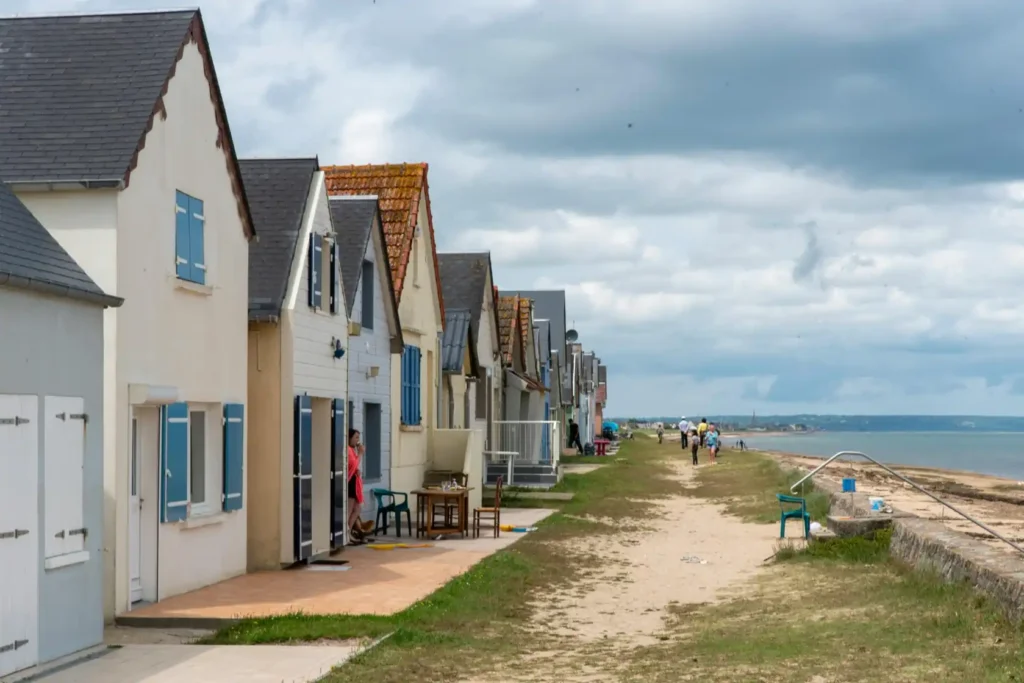
| Accommodation Type | Agonda Beach (Avg. Price/Night) | Palolem Beach (Avg. Price/Night) |
| Budget Beach Huts | ₹800 – ₹2,000 | ₹600 – ₹1,800 |
| Mid-range Guesthouses | ₹2,500 – ₹5,500 | ₹2,500 – ₹6,000 |
| Boutique Villas / Resorts | ₹6,000 – ₹18,000 | ₹7,000 – ₹22,000 |
| Seasonal Availability | October – May | September – May |
| Advance Booking Required | From November | From October |
Both beaches run a similar accommodation model, seasonal huts and guesthouses that dismantle or close during the monsoon. The key difference is the experience quality and crowd density during your stay.
At Agonda Beach, even mid-range properties feel more private. Huts are spaced out. The pace around the property is slow. A few boutique eco-resorts near Agonda have built genuinely impressive retreats, some with private plunge pools and open-air yoga decks, at prices that would be 30–40% higher if the same property were at Palolem.
At Palolem Beach, the accommodation corridor along the beach road is dense. Properties are closer together. Budget huts are plentiful and often have a better-than-expected quality-to-price ratio, which makes Palolem the better option for backpackers watching every rupee. However, the premium stays at Palolem do not offer the same sense of seclusion you get at Agonda Beach at similar price points.
Food, Cafés, and Nightlife Scene
Palolem wins on food variety and nightlife. There is no contest here if you are comparing Agonda Beach vs Palolem Beach purely on this dimension.
Palolem’s beach road has everything from fresh seafood shacks to proper restaurants serving Israeli, Israeli-influenced, Italian, and South Indian food. The café culture is strong; places like Café Inn and Dreamcatcher have become institutions for travelers doing longer stays. The silent disco events run three to four times weekly during peak season and wrap up by 11 PM under Goa’s noise regulation rules, but the energy is there.
Agonda Beach has good food, fresh catch, rice and curry, simple café menus, but the options are limited. Maybe eight to twelve shacks along the beach, and a couple of small village cafés. If eating variety matters to you across a week-long stay, Palolem will not bore you. Agonda Beach might be especially crowded after day four.
- Palolem nightlife highlights: silent disco (3–4 times/week), beach bonfires, live acoustic music at select shacks
- Agonda nightlife: essentially none, a few shacks play music softly until 9–10 PM
- Best for food explorers: Palolem, with 3–4x more dining options
- Best for long, slow dinners by the water: Agonda Beach, for the peace alone
Food and Nightlife Comparison
Palolem Beach has a far wider food and café scene with international cuisines, nightly events, and the famous silent disco. Agonda Beach has simpler shack food in a quieter setting, ideal for those who want a slow dinner over the sound of waves, not a social scene.
Best Time to Visit Each Beach
According to data from the India Meteorological Department, Goa’s southwest monsoon hits between June and September, with peak rainfall in July. Both Agonda Beach and Palolem Beach are essentially non-operational during this window; most beach huts are dismantled, shacks close, and sea conditions become unsafe for swimming.
The post-monsoon window from October onwards is when both beaches reopen. But the crowd ramp-up happens faster at Palolem than at Agonda Beach.
- October – November: Both beaches are quiet and fresh post-monsoon. Best value rates for accommodation at both.
- December – January: Peak season. Palolem Beach is at its busiest, prices spike 40–70%, and availability tightens. Agonda Beach sees more visitors than the shoulder season but never reaches Palolem’s crowd density.
- February – March: Crowd at Palolem starts thinning. Both beaches offer a good balance of good weather and manageable visitor numbers.
- April – May: Pre-monsoon heat. Both beaches start winding down. Best for off-peak deals if you can handle the temperature.
If you want to visit during Christmas or New Year and still find some peace, Agonda Beach in late December is a genuinely better option than Palolem Beach. Palolem during that window is the busiest it gets all year.
Best Time to Visit Agonda Beach vs Palolem Beach
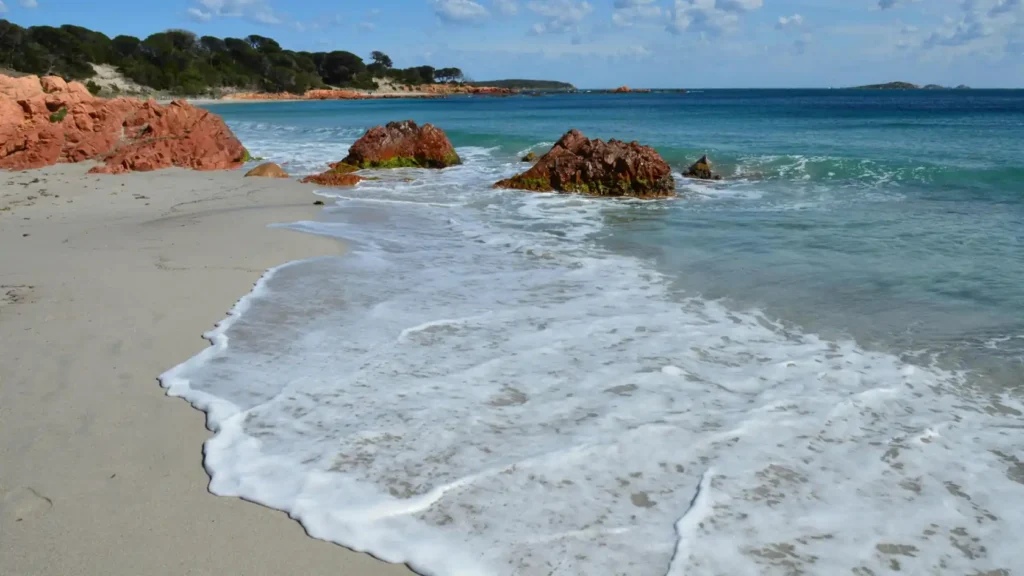
October to March is the best window for both beaches. For a quieter experience during peak season (December–January), Agonda Beach is the better choice. For maximum atmosphere, events, and social energy, Palolem Beach in December is unmatched in South Goa.
Which Beach is Better for You?
The Agonda Beach vs Palolem Beach decision ultimately comes down to your travel personality, not which beach is objectively superior.
Choose Agonda Beach if:
- You want a slow, quiet trip with minimal noise and crowds
- You are on a yoga retreat, honeymoon, or a recovery trip
- You care about beach cleanliness and natural preservation
- You are comfortable with fewer food and nightlife options
- You want more privacy for your accommodation budget
Choose Palolem Beach if:
- You are a first-time Goa visitor wanting the full South Goa experience
- You travel solo and want to meet other travelers easily
- Water activities, dolphin trips, and boat excursions matter to you
- You want food variety and a social café scene
- You are backpacking on a tight budget and need the most affordable hut options
There is also a third option that experienced travelers often take: base yourself at Agonda Beach and make day trips to Palolem. The 8 km between them is a 15-minute bike ride. You get Agonda’s peace at night and Palolem’s energy whenever you want it, without compromising either experience.
Agonda Beach vs Palolem Beach
For quiet, nature-focused, slow travel: Agonda Beach wins. For activities, food variety, nightlife, and social energy: Palolem Beach wins. The smartest move for longer trips is to stay at Agonda Beach and day-trip to Palolem, 15 minutes by bike and two completely different experiences.
Conclusion
The Agonda Beach vs Palolem Beach debate does not have a single right answer. What it has is the right answer for you. Agonda Beach and Palolem Beach are both remarkable stretches of South Goa’s coastline, each with real strengths, real limitations, and a clear ideal visitor in mind. After going through the crowd comparison, accommodation tiers, food scenes, water activities, and seasonal data, you now have enough to make an informed decision rather than an expensive one.
If you are still undecided, rent a bike, spend a morning at Palolem Beach, and an afternoon at Agonda Beach on the same day. Five hours and the comparison makes itself.
Frequently Asked Questions (FAQs)
Q1. Which is better: Agonda Beach or Palolem Beach?
It depends on your travel style. Agonda Beach is better for quiet, slow-paced trips and natural beauty. Palolem Beach is better for social travelers, first-timers, and those who want activities and nightlife.
Q2. How far is Agonda Beach from Palolem Beach?
Agonda Beach is approximately 8 km north of Palolem Beach. Travel time is 12–15 minutes by bike or 20–25 minutes by auto-rickshaw.
Q3. Which beach is less crowded, Agonda or Palolem?
Agonda Beach is significantly less crowded than Palolem, even during peak season (December–January). The South Goa Tourism Board classifies Agonda as a low-density tourist zone, which limits commercial development and helps manage footfall.
Q4. Is Palolem Beach good for swimming?
Yes. Palolem Beach has a calm, semi-enclosed bay that makes it relatively safe for swimming. Water conditions are best between October and March. Agonda Beach also has calm waters and is generally considered safer for swimming due to lower boat traffic.
Q5. Can I do dolphin watching from Agonda Beach?
Dolphin trips are not typically organized from Agonda Beach directly. The main departure point is Palolem Beach, where licensed boat operators run daily morning trips toward Butterfly Beach and Honeymoon Beach.
Q6. What is the best month to visit both beaches?
November to February is ideal for both Agonda Beach and Palolem Beach. According to the India Meteorological Department data, this period has the least rainfall, the best sea conditions, and the most favorable temperatures in South Goa.
Q7. Is Agonda Beach safe for solo female travelers?
Yes. Agonda Beach is widely regarded as one of the safer beaches in Goa for solo female travelers due to its quieter atmosphere and smaller crowds. As with any destination, standard travel safety practices apply.
Q8. Which beach has better food, Agonda or Palolem?
Palolem Beach has a significantly larger and more varied food scene with international options, cafés, and active beach shacks. Agonda Beach has simpler, mostly seafood-focused shacks and a smaller number of café options.