Anda offers excellent shore snorkeling around Quinale Beach, with reefs accessible without a boat, gear rentals from ₱200–₱350 and dry-season visibility reaching 15–20 metres. This Anda snorkeling guide covers the best spots, realistic costs, marine life, tours, and safety advice.
I put my face in the water for the first time at Quinale Beach in Anda and genuinely didn’t want to come back up. That sounds dramatic. It’s not. The reef there is just… surprisingly good. Better than I expected from a beach that barely shows up in mainstream travel content. If you’ve been looking for a proper Anda snorkeling guide, one that actually tells you where to go, what it costs, and what to realistically expect, this is it.
This Anda snorkeling guide covers everything from the best reef spots to gear rentals, sea turtle sightings, and the few things first-timers consistently get wrong.
Why Anda Is One of Bohol’s Best Snorkeling Spots
Most people fly into Tagbilaran, head straight to Panglao, and never make it to Anda. Their loss, honestly. Anda sits on the eastern tip of Bohol, facing the Camotes Sea, and the reefs here have stayed in better shape precisely because fewer people visit. The Bohol Tourism Office noted in its 2023 report that Anda receives roughly 18% of Bohol’s overall visitors, a fraction of what Alona Beach sees on any given weekend.
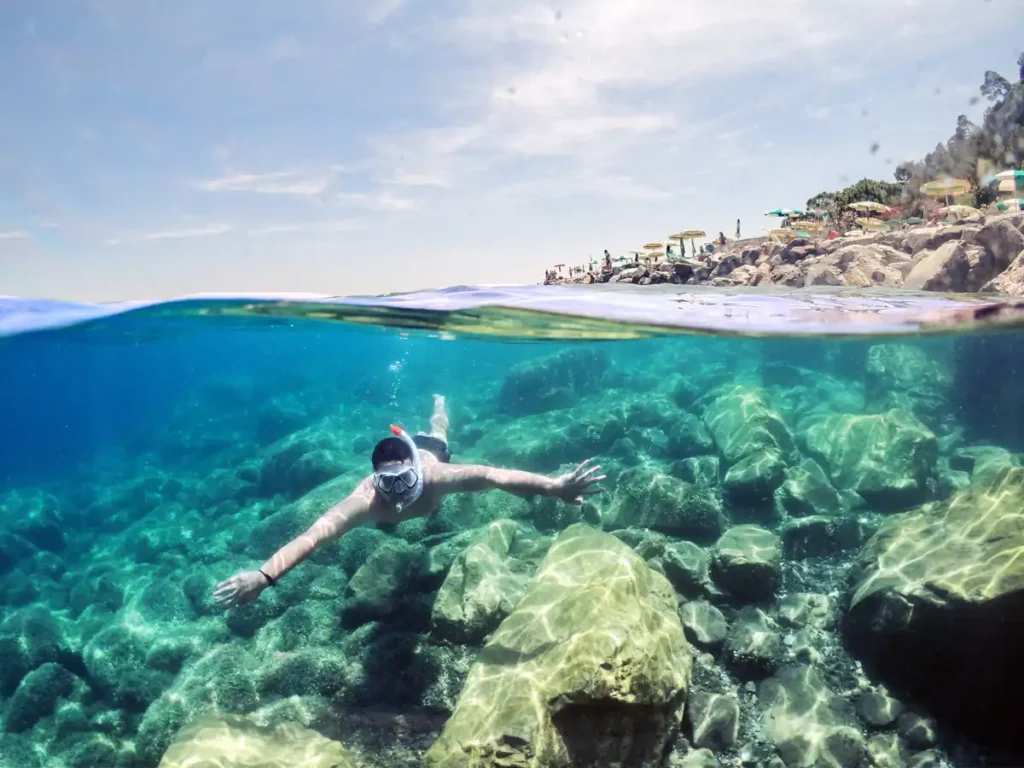
Less foot traffic means less anchor damage. Less anchor damage means healthier coral. And healthier coral means you’re more likely to see actual marine life when you show up with your snorkel. It’s a simple equation that Anda benefits from quietly.
What Makes Snorkeling in Anda Different From Other Philippine Beaches
A few things stand out. First, the reef drop-offs here are unusually close to shore. At some spots near Quinale Beach, the reef begins within 20–30 meters of the waterline. You don’t need a boat to reach the good stuff. Second, the water clarity during the dry season (December to May) regularly hits 15–20 meters visibility, which is better than a lot of more famous dive destinations in the Visayas. The Philippine Coast Guard’s regional station in Tagbilaran has flagged the eastern Bohol coastline as having some of the calmest and most consistent sea conditions in the province during peak season.
Find out what makes Anda’s underwater world special: read more in Hidden Beaches Philippines: 18 Peaceful Shores You’ll Be Glad You Found.
What is the best time for snorkeling in Anda?
The best time to snorkel in Anda is from January through March. Seas are generally calmer, rainfall is lower, and underwater visibility can reach approximately 15–20 metres. February usually offers the strongest combination of calm water, comfortable temperatures, and clear reef conditions.
Best Time of Year for Snorkeling in Anda
January through March is the sweet spot. The northeast monsoon (Amihan) keeps the sea calm and the visibility high. February is arguably the single best month, with low rainfall, calm water, comfortable temperatures around 26°C, and visibility that can stretch beyond 18 meters on a clear day.
April and May are still excellent but noticeably hotter. By June, the southwest monsoon (Habagat) starts kicking in, and sea conditions become more variable. The Philippine Atmospheric, Geophysical and Astronomical Services Administration (PAGASA) consistently shows Anda’s eastern exposure picking up more swell once the rainy season begins, which can reduce visibility to 5–10 meters and make some spots temporarily inaccessible.
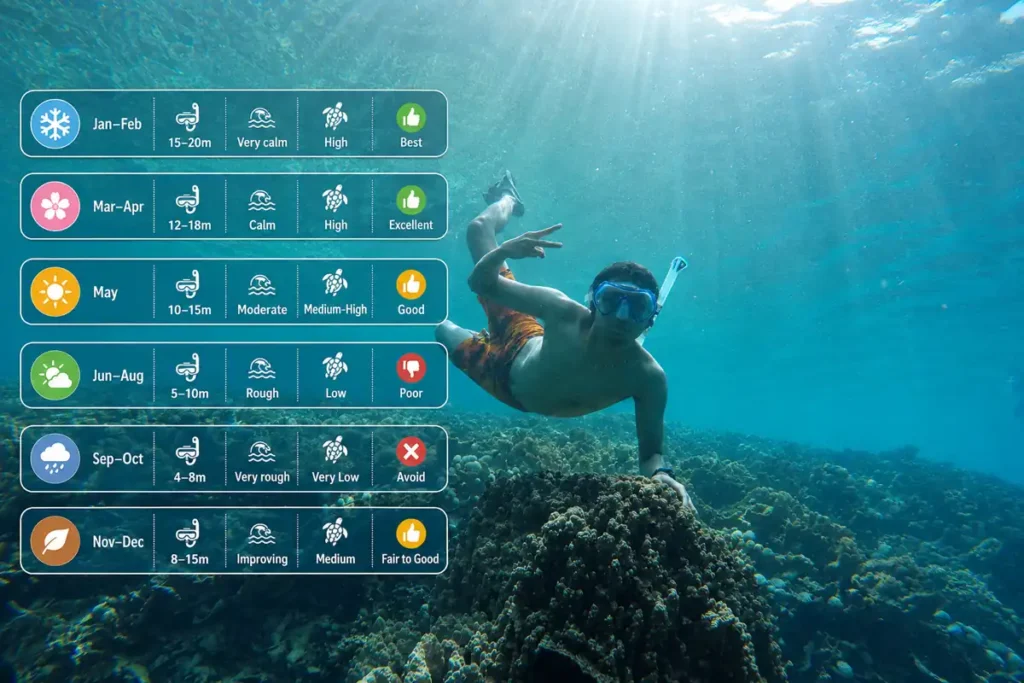
Quick overview: here’s what snorkeling conditions look like in Anda, month by month.
| Month | Visibility | Sea State | Marine Life Activity | Recommended? |
| Jan–Feb | 15–20m | Very calm | High — sea turtles active | Best |
| Mar–Apr | 12–18m | Calm | High | Excellent |
| May | 10–15m | Moderate | Medium-High | Good |
| Jun–Aug | 5–10m | Rough | Low | Poor |
| Sep–Oct | 4–8m | Very rough | Very Low | Avoid |
| Nov–Dec | 8–15m | Improving | Medium | Fair to Good |
The Best Snorkeling Spots Around Anda
Quinale Beach Reef
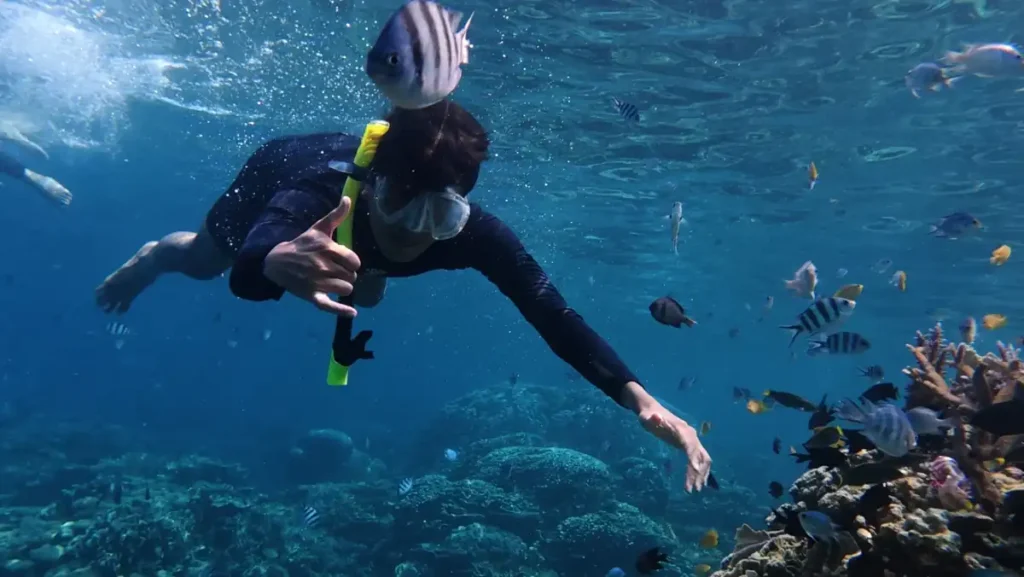
This is the one that gets talked about most, and for good reason. Quinale Beach sits about 3 km from Anda proper, and the reef that starts just offshore is one of the healthiest patches of coral I’ve seen in eastern Bohol. The shallow section (1–3 meters) is great for beginners; push out a bit further, and the reef drops off sharply, which is where the bigger fish and the occasional sea turtle tend to hang around.
Locals near the beach can point you to the best entry points. There’s no formal tourism infrastructure here, no ticket booth, no rental shack right on site, which is actually part of the appeal. Bring your own gear or rent from your resort before heading out.
House Reefs Near Beach Resorts
Several resorts in Anda sit directly above their own house reefs. Anda White Beach Resort and Anda de Boracay Beach Resort both have accessible snorkeling from the beach. These house reefs are shallower and generally more beginner-friendly, though visibility can be slightly lower near resort areas due to boat activity.
The upside? You can snorkel at dawn before the sea gets any boat traffic. That’s genuinely the best time. The water is still, the light filtering down through the surface is something else, and the fish are more active.
Lamanok Island Waters
Lamanok Island is about a 15–20-minute boat ride from Anda. Most people go for the cave art and archaeological heritage sites managed by the National Museum of the Philippines, but the snorkeling in the surrounding waters is genuinely underrated. The boat operators who run trips to Lamanok can usually arrange a combined visit. Budget around ₱1,500–₱2,000 for the boat, split across passengers if you’re in a group.
Coral Gardens Along Anda’s Coastline
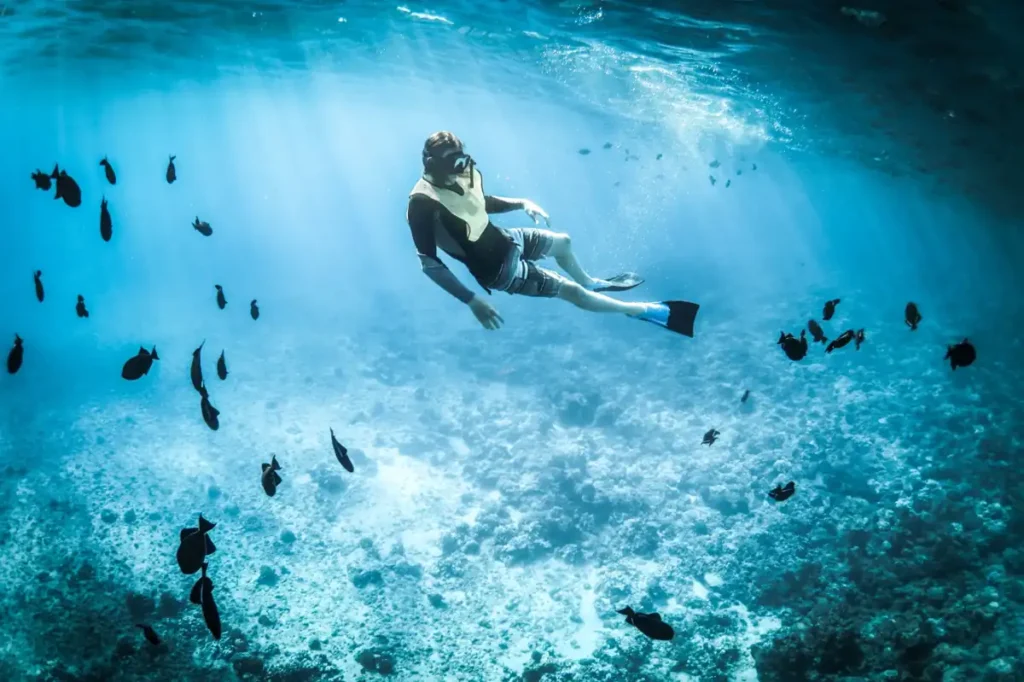
There are a few less-documented reef patches along the coastline between Anda proper and Quinale that boat operators know well. Locals call them the “coral gardens,” and they’re worth asking about when you book a snorkeling tour. Some of these spots have dense staghorn and table coral formations that look almost architectural underwater. The Department of Environment and Natural Resources (DENR) Region VII has classified sections of the eastern Bohol coast as protected marine areas, which goes some way toward explaining their condition.
Marine Life You’re Most Likely to See
This depends on the season and spot, but here’s what regularly shows up at the reefs around Anda:
- Green sea turtles: most frequently spotted at Quinale and the coral gardens, especially in January–March
- Parrotfish, surgeonfish, and wrasse: present year-round, most active in early morning
- Clownfish and anemones: classic, but Anda’s anemone patches are genuinely good
- Lionfish: beautiful but don’t touch; they’re more common than most visitors expect
- Sea stars, sea urchins, and nudibranchs: in the shallower sandy areas between reef patches
- Occasional reef sharks in deeper sections off Quinale: blacktip, harmless, but exciting
I didn’t expect to see a turtle on my first snorkel. Then I saw three. That’s not a guarantee, but the turtle population around Anda is genuinely healthy, partly because the Bohol Sea Turtle Conservation Network has been active in the area for over a decade.
Marine life sightings vary by spot and season. This table gives realistic expectations:
| Marine Life | Best Spot | Best Month | Depth | Frequency |
| Green sea turtle | Quinale reef | Jan–Mar | 3–10m | Common |
| Parrotfish / Wrasse | All reefs | Year-round | 1–8m | Very common |
| Clownfish | Coral gardens | Year-round | 1–4m | Common |
| Reef shark (blacktip) | Quinale drop-off | Jan–Apr | 8–15m | Occasional |
| Lionfish | House reefs | Year-round | 2–7m | Common |
| Nudibranch | Sandy reef edges | Nov–Mar | 1–3m | Occasional |
Snorkeling Costs, Gear & Tours in Anda
How Much Does Snorkeling in Anda Cost?
Snorkeling in Anda is genuinely affordable, especially compared to Panglao or El Nido. Here’s a rough breakdown of what to expect:
- Snorkel gear rental (mask, fins, snorkel): ₱200–₱350 per day from most resorts
- Guided snorkeling tour (2–3 spots by boat): ₱1,200–₱1,800 per person
- Private boat hire for snorkeling: ₱2,000–₱3,000 total (split between group)
- Lamanok Island combo trip (heritage + snorkeling): ₱1,500–₱2,000 per boat
- Entry fees at protected reef areas: ₱50–₱100 in some spots
There are no overpriced “exclusive snorkeling packages” in Anda yet; it’s still that kind of place. Negotiate directly with boat operators at the beach rather than booking through hotel intermediaries if you want the best rate.
Snorkeling Gear: Rent Locally or Bring Your Own?
Honest answer: Bring your own mask if you can. Rental masks in Anda are functional, but the silicone seals on older units can be loose, which means you’ll spend more time clearing water than actually looking at the reef. A decent travel snorkel mask costs ₱1,000–1,500 in any Philippine sports store, and if you’re planning more than one or two snorkel sessions, it’s worth it.
Fins and snorkels are fine to rent locally. The gear quality at the better resorts, like those along the Anda Beach Road, is generally acceptable. Wetsuits are rarely needed given the 27–30°C water temperature, but a rash guard is worth packing to avoid sunburn during long sessions.
Compare the cost difference between renting gear locally vs bringing your own for different trip lengths:
| Trip Length | Rental Cost (Est.) | Own Gear Cost | Break-Even Point | Recommendation |
| 1–2 days | ₱400–₱700 | ₱0 extra | N/A | Rent locally |
| 3–4 days | ₱600–₱1,400 | ₱1,000–1,500 | ~3 days | Either |
| 5+ days | ₱1,000–₱1,750 | ₱1,000–1,500 | Breaks even | Bring your own |
| Regular traveler | Ongoing cost | One-time buy | 2nd trip | Bring your own |
Is Anda Good for Families and First-Time Snorkelers?
Yes, more than most people expect. The house reefs near Anda’s beach resorts start at 1–2 meters depth, which is ideal for nervous first-timers and kids. The water is calm between December and May. And because Anda doesn’t have the boat traffic that churns up Alona Beach, the surface conditions are noticeably more manageable.
That said, Quinale and the drop-off areas are better suited to confident swimmers. If you’re bringing children or adults who aren’t strong swimmers, stick to house reefs first and work your way out. The resort staff at most Anda properties are genuinely helpful in giving honest condition assessments for the day.
Guided Snorkeling Tours vs Exploring on Your Own
This depends on what you want. Guided tours make sense if you want to cover multiple spots efficiently, especially the ones only accessible by boat, like Lamanok Island and the outer coral gardens. Local guides know the tides, the best entry points, and where the turtles tend to hang out; that local knowledge genuinely makes a difference.
Going on your own works perfectly fine for the accessible shore reefs at Quinale and the house reefs. You don’t need a guide to enjoy those spots. Just bring enough water, tell someone at your resort where you’re going, and check sea conditions before heading out.
Safety Tips Before Entering the Water
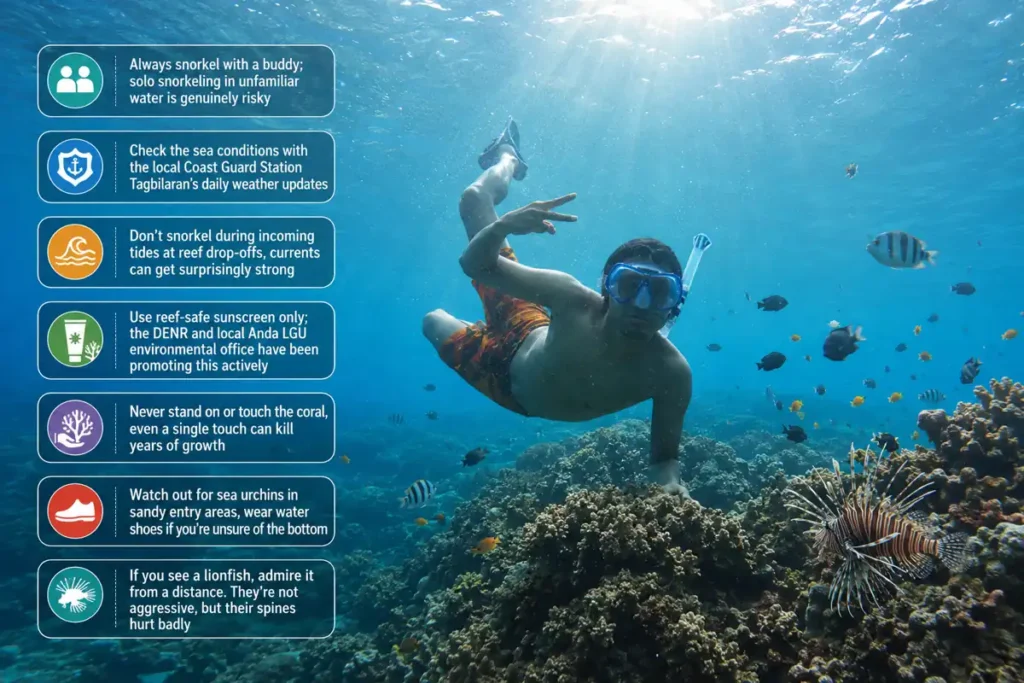
- Always snorkel with a buddy; solo snorkeling in unfamiliar water is genuinely risky
- Check the sea conditions with the local Coast Guard Station Tagbilaran’s daily weather updates
- Don’t snorkel during incoming tides at reef drop-offs, currents can get surprisingly strong
- Use reef-safe sunscreen only; the DENR and local Anda LGU environmental office have been promoting this actively
- Never stand on or touch the coral, even a single touch can kill years of growth
- Watch out for sea urchins in sandy entry areas, wear water shoes if you’re unsure of the bottom
- If you see a lionfish, admire it from a distance. They’re not aggressive, but their spines hurt badly
Know these water safety tips first: read more in the Anda Beach Bohol Travel Guide: Where the Crowds End and Real Bohol Begins.
Common Mistakes First-Time Visitors Make
A few things I’ve seen people mess up at Anda’s reefs:
- Snorkeling at midday when the sun is directly overhead, visibility is actually better in the earlier hours when the angle of light is lower
- Trying to snorkel on the same day they arrive after a long journey, fatigue in the water is a real safety issue
- Booking boat tours without confirming sea conditions, some operators will take you out in borderline conditions, and it’s not enjoyable
- Ignoring the small, unmarked reef patches between resorts, some of the best snorkeling in Anda is completely free and right off the beach
Responsible Snorkeling: Protecting Anda’s Reefs
Anda’s reefs are in relatively good shape because not enough people visit to damage them badly. Let’s keep it that way. The Bureau of Fisheries and Aquatic Resources (BFAR) Region VII has identified the eastern Bohol coast as a priority marine conservation area. Some coral restoration projects are already underway in partnership with local fishing communities and the Anda LGU.
Practically, this means: don’t collect shells or coral fragments, don’t feed the fish, don’t anchor boats on the reef (good operators use mooring buoys), and don’t encourage guides to “catch” marine creatures for photo opportunities. The reefs stay healthy when visitors treat them with basic respect.
Responsible snorkeling checklist, what to do and what to avoid at Anda’s reefs:
| Action | Do This | Avoid This |
| Sunscreen | Reef-safe mineral SPF | Chemical sunscreen (kills coral) |
| Touching reef | Hands off everything | Touching, standing, and grabbing |
| Marine life | Observe from a distance | Feeding, chasing, touching |
| Anchor | Use mooring buoys | Anchoring on reef structures |
| Waste | Take everything back | Dropping anything in water |
| Souvenir | Photos only | Collecting shells, coral, or rock |
Snorkeling vs Diving in Anda: Which Is Right for You?
Snorkeling is genuinely excellent in Anda; the shallow reefs are rich enough that you don’t need a tank to have a memorable experience. But if you’re a certified diver or thinking about getting your Open Water, the dive sites around Anda add a completely different dimension.
The wall dive off Quinale drops to around 30+ meters, and that’s where the bigger marine life, the reef sharks, larger schools of fish, and the occasional thresher shark at depth, show up. Several small dive operators in Anda offer single dives from around ₱1,200–₱1,500. Fun dives and PADI courses are available. Snorkeling costs a fraction of that and covers most of what the casual visitor wants to see, but diving unlocks a completely different layer of what Anda has underwater.
Hidden Snorkeling Spots Most Tourists Miss
There are a few spots that don’t make it onto tour operator lists. The reef patches directly east of Anda proper, accessible on foot from the main beach road at low tide, are surprisingly productive. Locals call them the “linaw-linaw” spots, a Cebuano word roughly translating to “clear waters.” Ask at the fish market in Anda in the early morning, and a fisherman will almost certainly point you in the right direction.
There’s also a small rocky outcrop about 500 meters north of Quinale Beach that snorkelers rarely visit because there’s no signage and the entry looks uninviting. Underneath is a patch of hard coral with some of the densest fish life I’ve seen in the area. Bring water shoes for the entry.
Sample 1-Day Anda Snorkeling Itinerary
6:30 AM: Early Morning House Reef
Start before breakfast. The sea is glassy, the fish are active, and you’ll have the water almost to yourself. Most resort house reefs are genuinely good at this hour.
9:00 AM: Quinale Beach Reef
Head to Quinale by tricycle or rented motorbike (about 15–20 minutes). Snorkel the shallow section first, then push to the drop-off if conditions are good. This is where turtles tend to surface.
12:00 PM: Lunch at a Local Cafeteria
Get back to Anda proper and eat at one of the small local restaurants near the market. Try fresh grilled fish or kinilaw, the local raw fish dish, which is excellent and costs under ₱200.
2:00 PM: Boat Trip to Coral Gardens
Book a short afternoon boat trip to the coral garden spots, about 10–15 minutes from shore. The light angle in the early afternoon is better for underwater visibility than midday.
5:00 PM: Sunset from the Main Beach
The eastern-facing beach in Anda doesn’t get the classic sunset show; that’s a west coast thing. But the evening light on the water is genuinely beautiful, and most of the day’s boat activity has died down.
Follow this easy Anda snorkeling itinerary: read more in the Anda Beach Itinerary: 3 Days of Cave Pools, White Sand, and No Crowds.
Why Anda Deserves a Spot on Your Snorkeling List
Anda is one of those rare places where you can still walk into the water from a quiet beach and find healthy coral, colorful fish, and even sea turtles without joining an expensive or crowded tour. The reefs are easy to reach, gear rentals remain affordable, and there are suitable spots for both beginners and experienced swimmers.
For the best experience, visit between January and March, start early in the morning, and bring your own mask if possible. Spend time at Quinale Beach, explore a resort house reef, and take a local boat to the lesser-known coral gardens if your budget allows.
More importantly, snorkel responsibly. Avoid touching the coral, keep your distance from marine life, and leave everything exactly where you found it. Anda’s underwater world is special because it has escaped much of the damage seen at busier destinations. Treat it well, and it may stay that way for the next person who puts their face in the water and doesn’t want to come back up.
Frequently Asked Questions About Snorkeling in Anda
Is snorkeling in Anda good for beginners?
Yes. The house reefs near Anda’s beach resorts start at 1–2 meters in depth and are calm during the dry season. First-timers can comfortably snorkel these areas. Quinale Beach has a slightly deeper reef that’s better for confident swimmers. Most resorts can provide basic instruction and gear rental.
Can I see sea turtles snorkeling in Anda?
Yes, and fairly regularly. Green sea turtles are commonly spotted at Quinale Beach reef and the outer coral gardens, particularly between January and March when visibility is highest. They’re not guaranteed on every visit, but sightings are frequent enough that local guides specifically include turtle-watching spots on their routes.
How much does snorkeling gear rental cost in Anda?
Gear rental (mask, fins, snorkel) costs approximately ₱200–₱350 per day at most resorts in Anda. Guided boat snorkeling tours run ₱1,200–₱1,800 per person and typically cover 2–3 spots. Private boat hire is available for ₱2,000–₱3,000 total.
What is the water visibility like for snorkeling in Anda?
During the dry season (December to May), visibility regularly reaches 15–20 meters on clear days. This is comparable to or better than many more famous snorkeling destinations in the Visayas. During the rainy season, visibility drops to 5–10 meters, and sea conditions can make snorkeling difficult or inadvisable.
Is there an entry fee for snorkeling in Anda?
Most reef access in Anda is free or has a nominal conservation fee of ₱50–₱100, collected by the local barangay or resort. Some protected marine areas designated by DENR Region VII may charge a small environmental fee. Lamanok Island has a separate heritage entrance fee of around ₱50–₱100 managed by the National Museum of the Philippines.