

The Best Time to Visit Aitutaki is the dry season, from May to October, when days are sunny and temperatures stay around 24-28°C (75-82°F). The lagoon is usually calm and clear, so snorkeling and boat trips to One Foot Island are much easier. July and August are the busiest and most expensive months, so May, June, or September is the Best Time to Visit Aitutaki if you want fewer crowds and better prices. From November to April it is hotter and wetter, with a small risk of cyclones.
Why Timing Actually Matters in Aitutaki
Aitutaki sits close to the equator, so it stays warm all year. That part is easy. What changes is rainfall, humidity, wind, and the number of other travelers sharing the lagoon with you.
Get the timing right, and you’ll get calm turquoise water, clear skies for photos, and smooth boat trips out to the motu (small islets). Get it wrong, and you might deal with sudden downpours or stronger winds that cancel a lagoon cruise.
- Clearer water means better snorkeling and diving visibility
- Calmer seas mean smoother lagoon cruises and boat transfers
- Drier skies mean more reliable outdoor days for beach time
- Lower humidity makes walking and cycling around the island far more pleasant
The Dry Season: May to October
Most travel guides agree on this window, and local tourism sources back it up too. Cook Islands Tourism, the destination’s official tourism board, notes that the shoulder months of April, May, September, and October usually bring warm temperatures paired with dry skies.
During these months, Aitutaki sees noticeably less rain than the wetter part of the year. Daytime temperatures typically sit in a comfortable range, and the trade winds keep the air from feeling too sticky.
Best Time to Visit Aitutaki for Water Activities
If snorkeling, diving, and lagoon cruises are your main reason for coming, May through October is genuinely the window to circle on your calendar. Visibility underwater tends to be at its best, since there’s less runoff and churn from heavy rain.
This period also overlaps with the Cook Islands’ main whale watching season. Humpback whales migrate from Antarctica to these warmer waters between July and October to mate, give birth, and rest, according to Cook Islands Tourism. The surrounding waters form part of the Cook Islands Whale Sanctuary, one of the largest protected marine areas in the world.
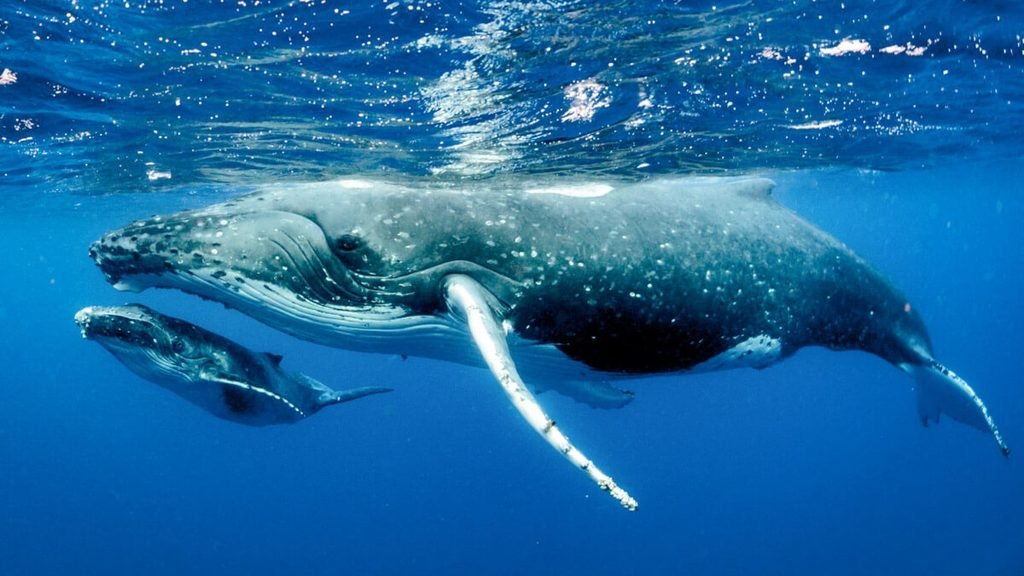
A few practical notes for this stretch:
- July and August are the busiest months, since they line up with school holidays in New Zealand and Australia
- September and October often give you similar weather with smaller crowds
- Book accommodation and inter-island flights early if you’re traveling in July or August
- Pack a light jacket for cooler evenings, since nights can feel breezy
If you are planning a trip to this famous island, read our One Foot Island Aitutaki Travel Guide for details about the beach, lagoon cruise, passport stamp, and practical visitor tips.
The Wetter Months: November to April
This stretch brings more humidity, warmer nights, and a higher chance of rain showers. It’s also officially cyclone season across the South Pacific, running from November 1 to April 30, as confirmed by the Cook Islands Meteorological Service and New Zealand’s official travel advisory.
That doesn’t mean every day is stormy. Many visitors still enjoy a trip during these months, especially if they’re chasing lower prices or want a quieter lagoon. Just build some flexibility into your plans.
- Expect short, heavy showers rather than all-day rain in most cases
- Humidity rises noticeably compared to the dry season
- February tends to be the hottest and most humid month
- Travel insurance that covers weather disruption is worth considering during this window
If a named cyclone does form nearby, local authorities and your accommodation will usually share evacuation guidance. It’s sensible to check the Cook Islands Meteorological Service bulletins in the days before you fly if you’re traveling between December and March.
Aitutaki Weather by Season
Here’s a quick overview to compare the two main seasons side by side.
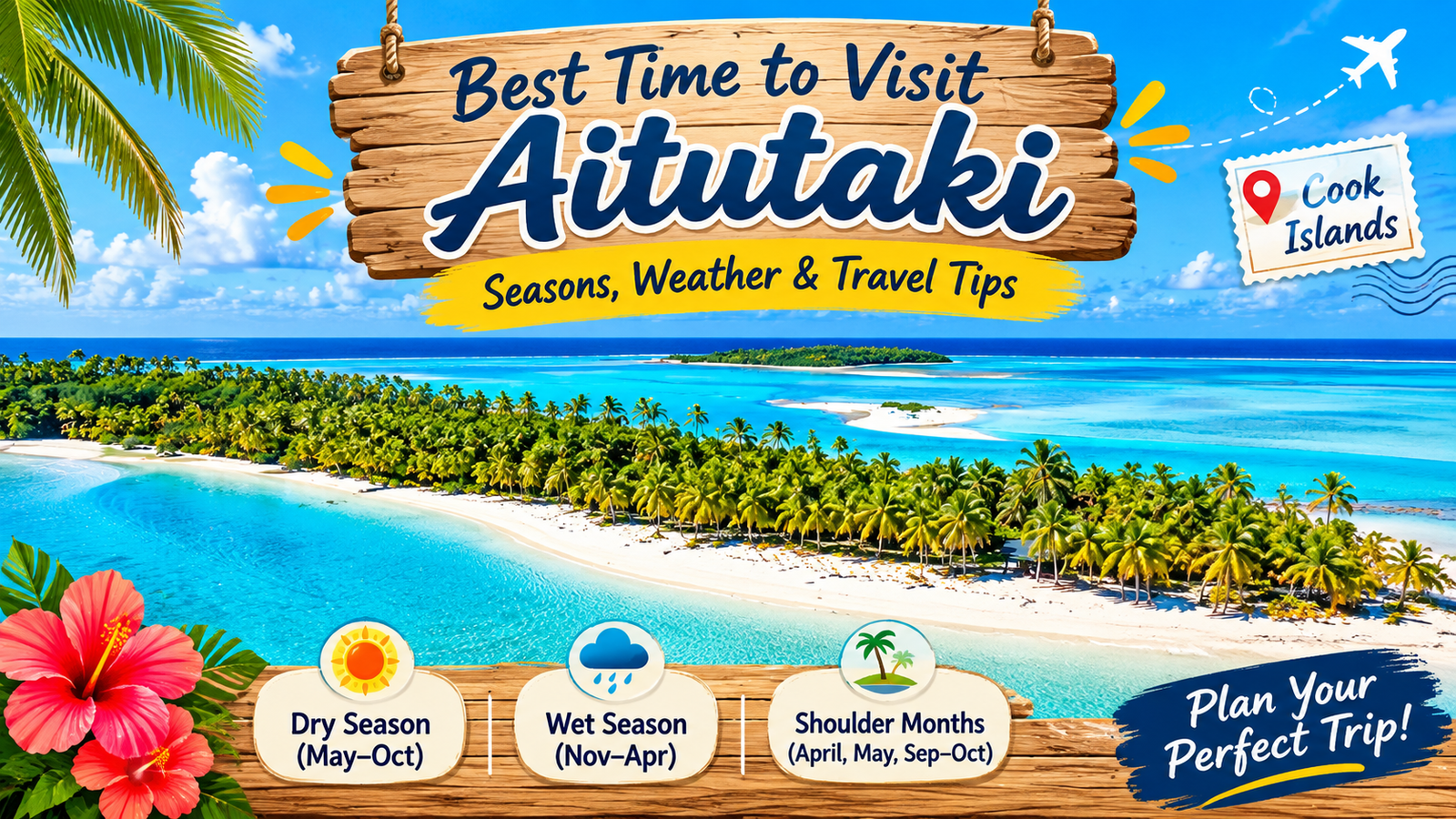
- Dry season (May–October): Lower rainfall, lower humidity, best underwater visibility, whale season overlap, busier in July and August
- Wet season (November–April): Warmer, more humid, occasional heavy showers, official cyclone season, generally quieter and sometimes cheaper
- Shoulder months (April, May, September, October): Often the sweet spot, with dry-season weather but smaller crowds than peak winter
Before choosing your travel dates, explore our Aitutaki Beach Guide to discover the best beaches, island stops, and lagoon experiences around Aitutaki.
Best Time to Visit Aitutaki on a Budget
If cost matters as much as sunshine, aim for the shoulder months rather than the July–August peak. Flight data from several booking platforms shows one-way domestic fares between Rarotonga and Aitutaki with Air Rarotonga, the islands’ main domestic carrier, commonly ranging from around $170 to $190 depending on the date and how far ahead you book.
International fares into the Cook Islands vary more. Air New Zealand’s own fare pages show one-way economy prices from Auckland to Aitutaki starting from roughly $586 to $638, though this changes constantly with demand and season.
- Shoulder season (April, May, September, October) often means lower hotel rates
- Midweek inter-island flights can sometimes be cheaper than weekend ones
- Booking your domestic flight alongside your international ticket can simplify connections
- Prices mentioned here are approximate and can change, so confirm current rates with the airline before booking
Best Time to Visit Aitutaki for Specific Activities
Different travelers want different things from this island, so here’s how the timing breaks down by interest.
- Snorkeling and diving: May to October, when visibility is clearest
- Whale watching: July to October, peaking around August and September
- Kitesurfing: May to October, when steady trade winds pick up across the lagoon
- Quiet, uncrowded beaches: November, or the shoulder months of April and May
- Romantic getaways and photography: Shoulder months, for soft light and fewer people in your shots
A Few Practical Travel Tips
Beyond picking the right month, a little planning goes a long way on a small island like this.
- Confirm your domestic flight with Air Rarotonga as soon as your dates are set, since seats are limited on small aircraft
- Pack reef-safe sunscreen, since Aitutaki’s lagoon is a fragile and protected marine environment
- Bring cash in New Zealand dollars for smaller shops and local markets, since not everywhere accepts cards
- Check your accommodation’s cancellation policy if traveling during the wet season
- Respect local customs, including modest dress when visiting villages or churches
Final Thoughts on Choosing Your Dates
There’s genuinely no single “wrong” month for Aitutaki, but there is a smarter choice depending on your priorities. For the most reliable weather and clearest water, the dry season from May to October is hard to beat. For a quieter trip with fewer visitors and potentially better rates, the shoulder months either side of that window tend to deliver the best of both worlds.
Whatever month you choose, double-check current flight schedules, weather outlooks, and entry requirements closer to your travel date, since conditions and prices can shift.
Frequently Asked Questions
What is the Best Time to Visit Aitutaki overall?
Most travelers get the best experience between May and October, during the dry season, when rainfall is lower and underwater visibility is clearer.
Is July or August too crowded in Aitutaki?
These months are the busiest because they overlap with school holidays in New Zealand and Australia. September and October offer similar weather with smaller crowds.
When is cyclone season in the Cook Islands?
The official tropical cyclone season runs from November 1 to April 30, according to the Cook Islands Meteorological Service and regional travel advisories.
When can I see whales in Aitutaki?
Humpback whales typically pass through Cook Islands waters from July to October, with sightings often peaking in August and September.
Is Aitutaki cheaper to visit in the off-season?
Generally yes. Shoulder months and the wetter season can bring lower accommodation rates and fewer crowds, though weather is less predictable.





4 Responses