
Nobody tells you this before you book: Anda Beach can feel completely different depending on when you show up. I learned that the hard way on my first trip to Bohol, packed bags, big expectations, and then two straight days of grey skies and choppy water. So if you’re searching for the best time to visit Anda Beach, this guide is the honest version, no vague answers.
The best time to visit Anda Beach is between December and May, during the Philippines’ dry season. That’s when the skies cooperate, the water turns that impossible shade of turquoise, and Anda genuinely earns its reputation as one of Bohol’s quieter, more beautiful coastlines. Local tourism data from the Bohol Tourism Office confirms visitor numbers peak between January and April, and for good reason.
Where Is Anda Beach and Why Timing Matters So Much
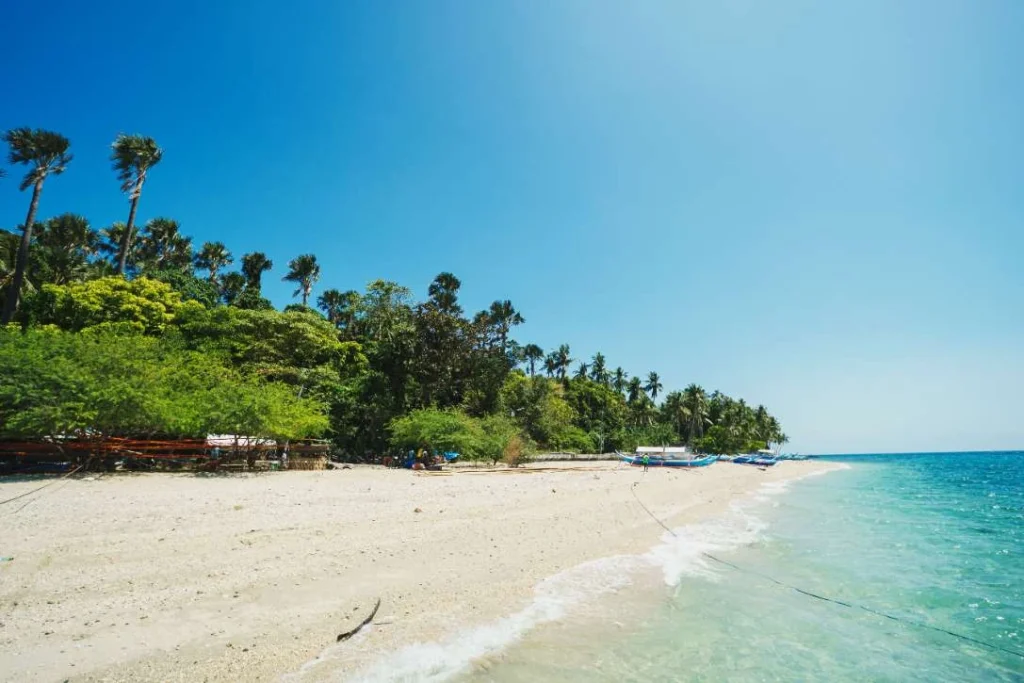
Anda is a small municipality tucked into the eastern tip of Bohol Island in the Visayas region of the Philippines. Unlike Panglao, which gets noisy and crowded, Anda has managed to stay relatively under the radar. Fewer resorts. Quieter roads. Fishing boats bobbed near the shore in the early morning.
But because it faces the Camotes Sea, it picks up weather patterns from both the northeast and southwest monsoons. The Philippine Atmospheric, Geophysical and Astronomical Services Administration (PAGASA) classifies Bohol under Climate Type 3, meaning it has a less pronounced dry season and rainfall can show up year-round, though some months are clearly better than others.
Anda Beach Weather: A Quick Year-Round Overview
Here’s the short version of what to expect across the year:
| Month | Weather | Sea Condition | Crowd Level | Avg. Temp |
| December | Mostly dry, short showers | Calm to moderate | Medium | 27°C |
| January | Clear and sunny | Very calm | High | 26°C |
| February | Clear and sunny | Very calm | High | 26°C |
| March | Hot and dry | Calm | Medium-High | 28°C |
| April | Very hot and dry | Calm | Medium | 30°C |
| May | Transitional, hot | Moderate | Low-Medium | 30°C |
| June | The rainy season starts | Moderate to rough | Low | 29°C |
| July–August | Frequent rain, storms | Rough | Very Low | 28°C |
| September | Rain, typhoon risk | Rough | Very Low | 28°C |
| October | Tapering rain | Moderate | Low | 28°C |
| November | Transition month | Moderate | Low-Medium | 27°C |
Best Time to Visit Anda Beach: The Dry Season Breakdown
December to February: Cool Breezes and Comfortable Beach Days
This is genuinely the sweet spot. Temperatures hover around 26–27°C, which feels refreshing rather than punishing. The sea is calm, visibility underwater hits 15–20 meters on good days, perfect for snorkeling around Anda’s house reefs, and the late afternoon light is honestly beautiful for photos.
December carries some Christmas rain: short, sharp afternoon showers that usually clear fast. But January and February are as reliable as it gets in Bohol. The Bohol Island State University’s local environmental studies confirm that February typically records the lowest average rainfall in the eastern Bohol area, making it ideal for beach and water activities.
One small thing worth knowing: resorts fill up fast from December 26 to January 5. Book at least 6–8 weeks ahead if you’re visiting over the New Year. Prices at mid-range resorts like Anda de Boracay Beach Resort go up by about 20–30% during this window.
March to May: Peak Sunshine, Island-Hopping Weather
March kicks into high gear. The rains have cleared completely, the sea flattens out, and temperatures start climbing toward 30°C. April is probably the hottest month; locals half-jokingly call it “summer,” but the water is gorgeous, and crowds thin out a bit compared to January.
This is also the best window for island-hopping. Boat operators out of Anda can take you to smaller sandbar-dotted islets nearby, and the calm waters make the crossing comfortable. The Department of Tourism (DOT) Region VII regularly promotes April as peak beach season for Bohol.
May starts transitioning. It’s still dry, but you’ll notice patchier clouds and the occasional afternoon storm building. Still totally worth visiting, just pack a light rain jacket.
What Is the Best Month to Visit Anda Beach?
The single best month to visit Anda Beach is February. The weather is at its most stable, temperatures are comfortable at around 26°C, and rainfall is at its yearly low. Sea visibility is excellent for snorkeling and diving, crowds are manageable, and accommodation prices haven’t yet hit peak season highs. For most travelers, February hits the best balance of all key factors.
Visiting Anda Beach During the Rainy Season
June to August: Fewer Crowds and Lower Prices
Here’s where it gets interesting. The rainy season doesn’t mean it rains all day, every day. In Anda, the rain usually arrives in bursts, a couple of hours in the afternoon, then it clears. The mornings are often fine, and there’s a different, moody kind of beauty to the beach when storms roll in over the sea.
The real upside is cost. Resort rates can drop by 30–40% compared to peak season. Anda Beach itself feels peaceful, almost empty on some days. If you’re a budget traveler or someone who genuinely enjoys having a beach mostly to yourself, June and July aren’t automatically bad choices.

The downside: water clarity drops. Snorkeling isn’t as good when visibility falls below 8 meters. Boat trips get cancelled frequently. And if a tropical storm is brewing in the Pacific, which PAGASA tracks and publishes on its public advisory page, Anda’s exposed eastern coast can deteriorate quickly.
September to November: Quietest Months, Highest Risk
September is the trickiest month. The Philippines’ typhoon season peaks around this time, and while Bohol sits south of the main typhoon belt, it’s not immune. The eastern coast, where Anda is, can get hit with wind and swell from storms passing north of the island.
November starts improving noticeably. Rain becomes less frequent, the skies open up, and by late November, you can already see glimpses of the dry season returning. It’s a decent window for adventurous travelers who want to catch the tail end of rainy season deals before peak season pricing kicks back in.
Best Time Based on Your Travel Style
| Travel Style | Best Months | Why |
| Swimming & Snorkeling | Jan–April | Calm seas, visibility up to 20m |
| Scuba Diving | Feb–March | Best underwater clarity of the year |
| Budget Travel | June–July | Rates drop 30–40%, and beaches are quieter |
| Honeymoon / Romance | January–February | Perfect weather, golden light, peaceful |
| Family with Kids | December–March | Stable conditions, calmer waters |
| Photography / Content | November–February | Dramatic light, lush post-rain greenery |
Discover the Ideal Time for Your Next Adventure. Read more in the Anda Beach Bohol Travel Guide: Where the Crowds End and Real Bohol Begins.
Is Anda Beach Good for Diving?
Yes, Anda Beach is consistently rated as one of Bohol’s underrated dive spots. The wall dives around the Anda area feature healthy coral gardens, sea turtles, and the occasional thresher shark sighting in deeper water. February and March offer the best visibility, up to 20 meters on clear days. Several small dive shops operate out of Anda, with single dives starting around ₱1,200–₱1,500 (roughly USD 21–26).
Sea Conditions at Anda Beach Throughout the Year
Good news: the water is always warm. Even in the coolest months (January–February), sea temperature stays around 27–28°C. By April and May, it climbs to 29–30°C, warm enough that you don’t even need a rash guard unless you’re spending hours in the water.
| Season | Water Temp | Visibility | Wave Height | Swimming Conditions |
| Dec–Feb (Dry) | 27–28°C | 15–20m | 0.3–0.8m | Excellent |
| Mar–May (Hot Dry) | 28–30°C | 12–18m | 0.5–1.0m | Very Good |
| Jun–Aug (Rainy) | 28–29°C | 5–10m | 1.0–2.0m | Fair to Poor |
| Sep–Nov (Monsoon) | 27–29°C | 5–8m | 1.5–3.0m | Poor to Fair |
Can You Swim at Anda Beach Year-Round?
Technically, yes, but conditions vary significantly. During the dry season (December to May), swimming is safe and enjoyable, with calm waters, warm temperatures, and good visibility. During the rainy season (June to November), stronger currents and rougher seas make swimming riskier. September and October are the months to avoid if swimming and water sports are your priority.
Crowd Levels: When Anda Beach Feels Most Peaceful
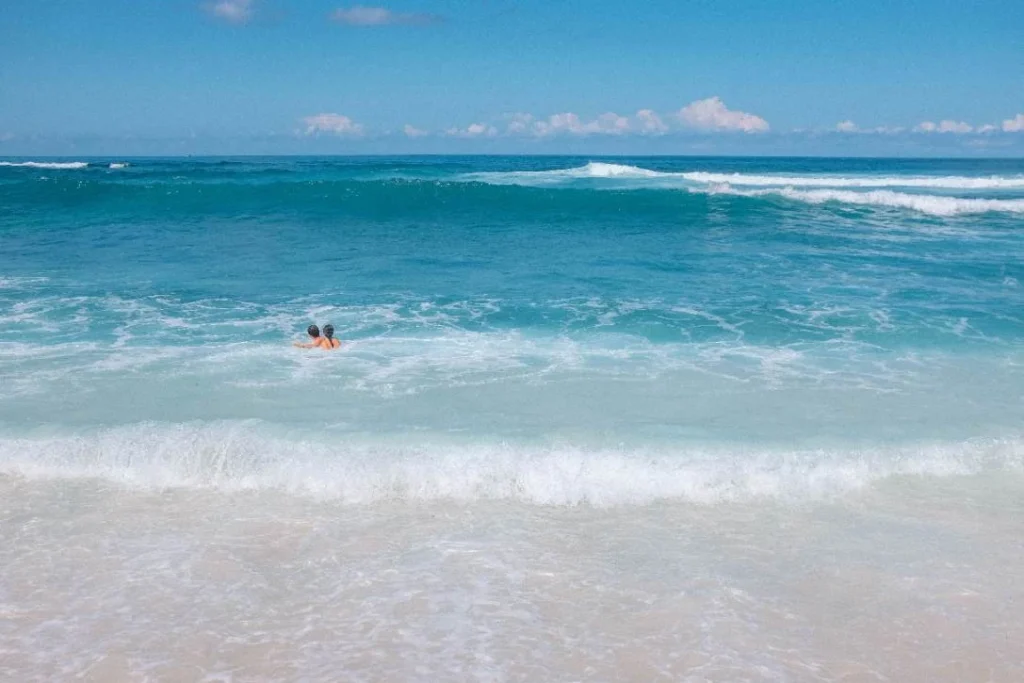
Anda never gets as crowded as Alona Beach in Panglao: that’s part of its charm. But there are still noticeable differences throughout the year.
- January: Busy on weekends, especially Filipino domestic tourists
- February: Moderate crowds: arguably the best balance of good weather and manageable visitor numbers
- March–April: Schools are out by late March; Holy Week (Semana Santa) is one of the busiest periods in all of Bohol: some resorts fully book out
- May–November: Noticeably quieter; on weekdays in June–August, you might have stretches of beach almost to yourself
The Bohol Tourism Office recorded over 1.2 million tourist arrivals to the province in 2023, with roughly 18% visiting the Anda area, a figure that’s grown steadily since Anda started appearing on travel blogs and social media more regularly.
When Is Anda Beach Most Crowded?
Anda Beach sees its highest crowds during Holy Week (Semana Santa), which falls in late March or April. This is the biggest domestic travel period in the Philippines. January is the second busiest time, driven by New Year holiday travel and foreign tourists. If you want a quieter experience, aim for February (still excellent weather, fewer visitors) or early rainy season months like June–July.
Local Festivals and Events Worth Planning Around
Bohol’s festival calendar is genuinely worth timing your trip around. The most famous is the Sandugo Festival, held every July in Tagbilaran City, celebrating the blood compact between Spanish explorer Miguel López de Legazpi and Datu Sikatuna in 1565. It’s a major event with street dances, cultural shows, and a lively local energy worth experiencing even if the beach weather isn’t at its peak.
Anda itself hosts a small local fiesta in March, with traditional food, fishing boat blessing ceremonies, and a real glimpse into community life that most tourists miss entirely. The Anda Municipal Tourism Office can confirm exact dates each year.

What to Pack for Each Season in Anda
| Item | Dry Season (Dec–May) | Rainy Season (Jun–Nov) |
| Rain jacket/poncho | Optional | Essential |
| Reef-safe sunscreen | High SPF, strong UV | Medium SPF |
| Rash guard | For long snorkel sessions | Always |
| Waterproof bag | Good idea | Necessary |
| Insect repellent | Recommended | Essential (more bugs) |
| Flip flops + closed shoes | Flip flops fine | Closed shoes for muddy paths |
| Underwater camera | Great visibility, worth it | Optional |
What Is the Cheapest Time to Visit Anda Beach?
The cheapest time to visit Anda Beach is June through August. Off-season rates mean beachfront guesthouses drop from an average of ₱2,500–₱3,500 per night to ₱1,500–₱2,200. Tour packages, boat trips, and restaurant prices also tend to be lower. If you can be flexible and work around rain, you can save ₱5,000–₱8,000 on a week-long trip compared to peak season.
Common Weather Mistakes Travelers Make Before Visiting Anda
- Assuming “Philippines = always sunny”: PAGASA data clearly show Bohol gets significant rainfall between June and October
- Booking non-refundable flights for September, which sits right in peak typhoon risk
- Ignoring the difference between Panglao weather forecasts and Anda: they’re on different sides of the island, and conditions can genuinely differ
- Not checking real-time sea condition updates from the local Coast Guard Station Tagbilaran before booking boat trips
- Visiting Holy Week without booking 2+ months ahead and then scrambling for accommodation
Is Anda Beach Worth Visiting During the Rainy Months?
Honestly? It depends on who you are. If a beach trip means snorkeling, swimming, and guaranteed sunshine, the rainy season is a real risk. You might get lucky with a stretch of dry days. Or you might spend three days watching rain from a resort porch.
But if you like having space, saving money, and experiencing a place without the tourist layer on top, the rainy season version of Anda has something real to it. The hills above the coast turn vivid green. Local restaurants are less rushed. Fishermen are happy to chat. I’d genuinely recommend June or early July to the right kind of traveler.
What Is the Rainy Season in Anda Beach?
The rainy season at Anda Beach runs from June to November, with peak rainfall in July, August, and September. Unlike the west coast of Bohol, the eastern side (where Anda is located) can receive rainfall from both the southwest monsoon (Habagat) and northeast monsoon (Amihan). September carries the highest risk due to typhoon activity in the broader Philippine Sea. PAGASA issues public weather advisories for Bohol province throughout this period.
Sample 3-Day Anda Beach Itinerary for Peak Season
1: Arrival and Beach Orientation
- Arrive via bus from Tagbilaran City (around 2.5 hours) or pre-arranged private van
- Check in, walk the main beach stretch near Anda proper
- Afternoon snorkel session off the main beach, visibility is best between 10 AM and 2 PM
- Dinner at a local carenderia, try the kinilaw (fresh fish ceviche) that Anda is known for
2: Diving or Island-Hopping
- Book a morning dive through your resort, wall dive sites are within 15 minutes by boat
- Afternoon: explore Quinale Beach, a quieter cove about 3 km from town
- Optional: visit the natural pool at Lamanoc Island, a short boat ride away
3: Slow Morning, Culture Stop
- Early morning swim before other guests are up, worth waking for
- Visit the heritage Cuartel (old Spanish colonial garrison) before heading back
- Catch the afternoon bus back to Tagbilaran for onward connections
The Perfect 3-Day Anda Beach Itinerary for First-Time Visitors. Read more in Anda Beach Itinerary: 3 Days of Cave Pools, White Sand, and No Crowds.
How Do You Get to Anda Beach from Tagbilaran?
From Tagbilaran City (the main entry point after arriving at Bohol-Panglao International Airport), Anda is approximately 96 km away and takes about 2.5 to 3 hours by bus or 2 hours by private van. Regular air-conditioned buses depart from the Dao Terminal in Tagbilaran from around 6 AM. The fare is roughly ₱120–₱150. Alternatively, private vans can be pre-arranged through most Tagbilaran guesthouses for ₱2,500–₱3,500 one-way, a worthwhile split in a group.
Heading to Anda Beach? Don’t Leave Without This Guide! Read more in How to Get to Anda Beach, Bohol (Without Getting Lost or Overpaying in 2026).

Choosing the Season That Fits Your Anda Beach Trip
Here’s what it really comes down to: if you want guaranteed sunshine, clear water, and the best snorkeling or diving Anda has to offer, plan for January through March. February is the sweet spot. If you want to save money and don’t mind rolling the dice on weather, June and July give you a quieter, more affordable experience that some travelers genuinely prefer.
Anda has managed to stay wonderfully untouristy by Philippine standards. The best time to visit Anda Beach is whenever you can actually get there, but if you have the choice, aim for the dry season and book your accommodation early. It’s the kind of place that rewards a bit of planning with something close to perfect.
Frequently Asked Questions
What is the best month to visit Anda Beach?
February is widely considered the best month. The weather is stable, rainfall is at its lowest, and the sea is calm and clear. Temperatures hover around 26°C, warm enough for beach days without the intensity of March and April heat. Accommodation is also slightly more affordable than the Christmas holiday peak period.
When is the rainy season in Anda Beach?
The rainy season runs from June through November. July and August see the most consistent rainfall. September carries the highest typhoon risk. November begins to improve, and by late November, Anda starts transitioning back toward drier, calmer weather.
Is Anda Beach crowded during peak season?
Compared to Alona Beach in Panglao, Anda is rarely overwhelming even at peak season. The exception is Holy Week (Semana Santa in late March or April), when the beach fills with Filipino domestic tourists, and accommodation becomes very hard to find at the last minute. January weekends are also notably busier.
Can you swim at Anda Beach year-round?
Swimming is safe and enjoyable during the dry season (December to May) when the seas are calm. During the rainy season, currents get stronger and waves rougher. Swimming is still possible on good days, but should be approached with more caution. Always check with local resort staff or the nearest Coast Guard station before entering the water during the rainy season.
What is the cheapest time to visit Anda Beach?
June through August offers the lowest accommodation rates, sometimes 30–40% below peak season prices. If budget is your main priority and you’re flexible about weather, this window gives the best value, just be prepared for the possibility of rainy days.