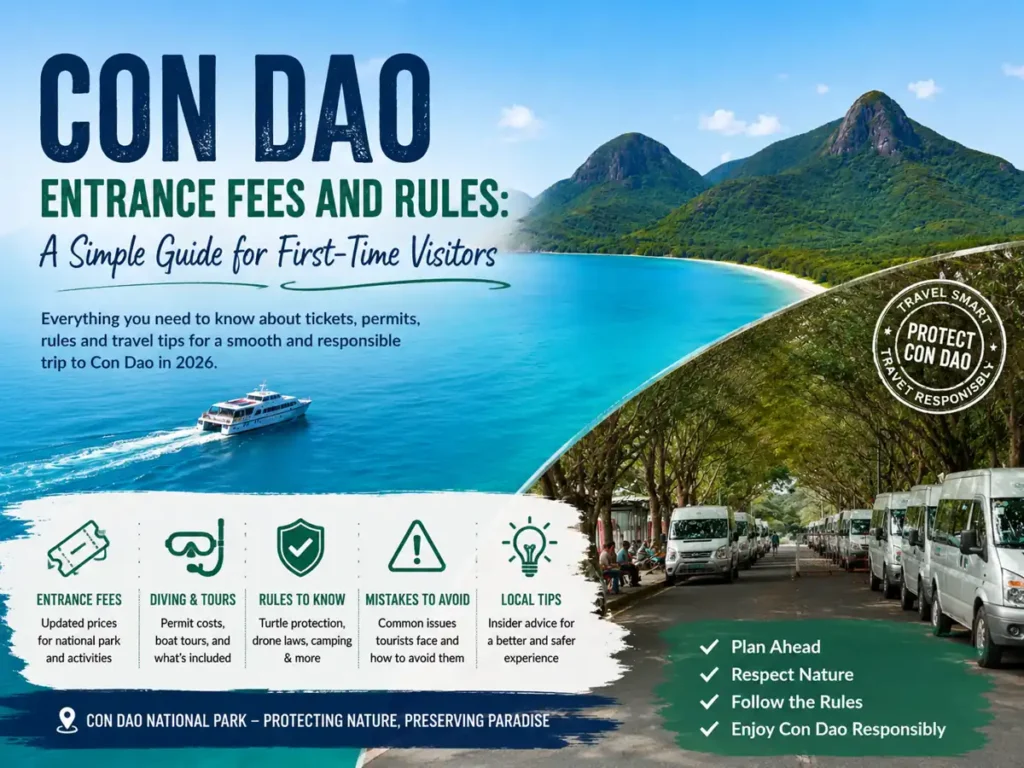
Con Dao entrance fee and rules are simple once you know them: the park charges 60,000 VND for adults, 20,000 VND for students, and 10,000 VND for children, and you can buy your ticket at the National Park headquarters on Vo Thi Sau Street or at any ranger station on the islands. You also need a permit from the Con Dao district management office before you enter, and rangers expect you to follow basic rules like not feeding the monkeys, staying on marked trails, carrying enough water, and returning before dark since some paths get slippery and hard to see.
Extra activities cost more, for example a turtle-watching tour runs 350,000 to 600,000 VND per person, and a baby turtle release costs 50,000 VND. Knowing the Con Dao entrance fee and rules before you go means no confusion at the gate, no fines for breaking rules you didn’t know about, and a smoother trip through this quiet, protected corner of Vietnam.
Do You Actually Need an Entrance Fee for Con Dao?
Short answer: yes. Con Dao National Park is a protected conservation zone, and every visitor entering the park area needs a valid ticket. This isn’t some optional donation box at the trailhead. Rangers check tickets, and they’re serious about it.
However, not every beach or area on Con Son Island requires a fee. The main town beaches, like Lo Voi and An Hai, are free to visit. It’s only when you enter the national park boundaries, the jungle trails, the protected beaches, and the outer islands that you need to pay.
The fees aren’t expensive at all. In fact, compared to most Southeast Asian national parks, Con Dao is very affordable. But you do need to know which fees apply to which activity. Otherwise, you’ll end up standing at a ticket booth, confused.
Where to Buy Your Tickets
You can purchase entrance tickets at the Con Dao National Park headquarters on 29 Vo Thi Sau Street in Con Son town. There are also ranger stations at some trailheads where you can buy on the spot. Cash is the safest option; ATMs are limited on the island, and card machines aren’t everywhere.
First time in Con Dao? Read our complete Con Dao Vietnam Travel Guide for First-Time Visitors before you go to avoid common travel mistakes and plan better.
Con Dao National Park Entry Fees (Updated 2026)
Here’s where people get confused. The national park has different fees depending on the route you take and what activity you’re doing. Let me break it down clearly.
| Ticket Type | Price (VND) | Price (USD Approx.) | Notes |
| Adult entrance (national park) | 60,000 | ~$2.40 | Valid for one entry |
| Student entrance | 20,000 | ~$0.80 | Student ID required |
| Children | 10,000 | ~$0.40 | Ages 6–15 |
| Children under 6 | Free | Free | Must be with an adult |
Each ticket covers one entry on one day. If you leave the park and come back the next morning, you’ll need a new ticket. I learned that the hard way when I tried reusing a ticket from the day before. The guard smiled, shook his head, and pointed at the ticket booth. Fair enough.
Beach Access Fees in Con Dao
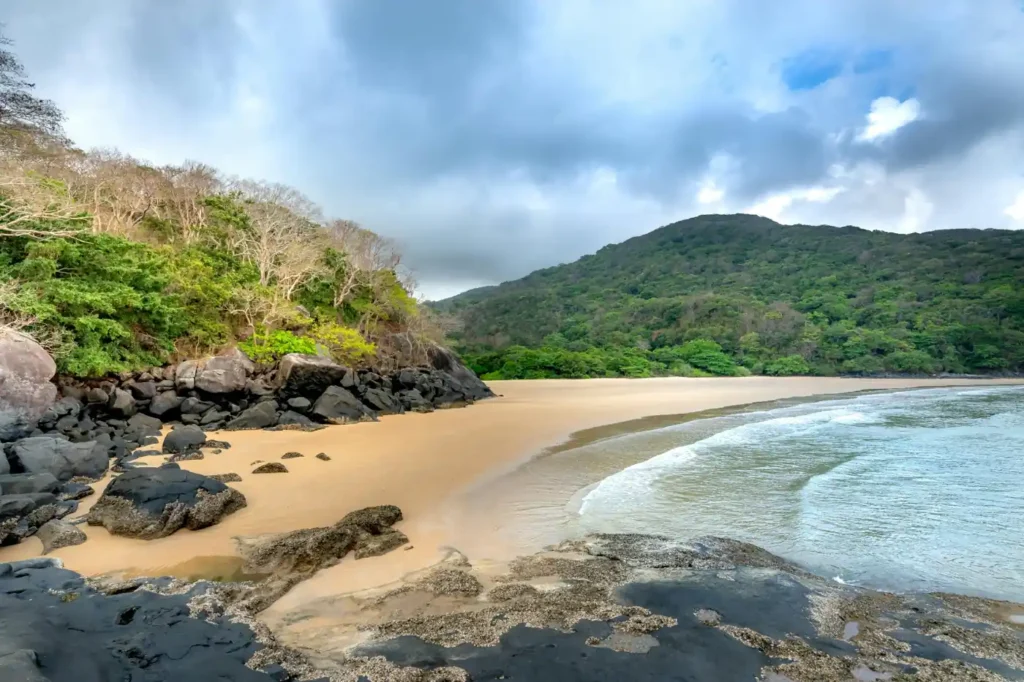
Most beaches directly in Con Son town are free. That includes the popular ones along the main road. But once you start hiking through the national park to reach the more remote beaches, like Ong Dung Beach, Bai Bang, or Dat Tham Beach, that’s when the park entry fee kicks in.
Some beaches on outer islands like Bay Canh and Hon Cau are only accessible by boat, and those trips include separate tour fees. As a result, you’ll typically pay a combined price that covers the boat, guide, and park entry.
A quick note from locals: the hidden beaches inside the park are worth every dong. They’re empty, quiet, and feel like your own private island.
Snorkeling and Diving Permit Costs
Con Dao is widely considered the best diving destination in Vietnam. The marine park around the archipelago protects over 400 coral species and hundreds of fish species. Naturally, there are costs involved.
| Activity | Cost Range (VND) | Cost Range (USD) | What’s Included |
| Snorkeling boat tour (half-day) | 700,000–1,000,000 | $28–$40 | Gear, guide, boat, park fee |
| Scuba diving (2 fun dives) | 1,900,000–2,250,000 | $75–$90 | Equipment, instructor, boat |
| Discover Scuba Diving (beginner) | 1,750,000–2,125,000 | $70–$85 | Pool session + open water dive |
| Night dive | 2,125,000–2,500,000 | $85–$100 | Guided night dive experience |
| Open Water certification | 9,500,000–10,500,000 | $380–$420 | Full PADI course, 3–4 days |
Most reputable dive centers like Con Dao Dive Center include marine park fees in their pricing. Still, it’s smart to confirm that before booking. On top of that, visibility in Con Dao waters can reach 20 to 30 meters during peak season, which makes the cost absolutely worth it.
What Is the Best Time for Diving and Snorkeling?
The dry season from March to September offers the calmest seas and clearest visibility. Water temperatures stay between 27 and 30 degrees Celsius. From October to February, the seas get rougher, and some dive operators reduce their schedules. So if underwater exploration is your main reason for visiting, plan around those months.
Boat Tour and Island Visit Charges
You can’t just rent a kayak and paddle to the outer islands. Visits to places like Bay Canh, Hon Tai, and Hon Cau require organized boat tours through licensed operators. The national park controls access to these islands to protect nesting turtles and coral habitats.
| Tour Type | Cost (VND) | Cost (USD Approx.) | Duration |
| Full-day guided island tour | 600,000–700,000 | $24–$28 | 6–8 hours |
| Turtle watching overnight (Bay Canh) | 350,000–600,000 | $14–$24 | Evening to morning |
| Baby turtle release experience | 50,000 | ~$2 | Early morning, 30 min |
| Private speedboat (custom trip) | 3,000,000+ | $120+ | Varies by itinerary |
The turtle watching tours are especially popular, and spaces fill up fast during nesting season. Groups are capped at a maximum of 6 people per shift, and each nesting site allows no more than 50 visitors per night. Booking early is essential.
Rules for Visiting Con Dao National Park
This is where things get important. Con Dao isn’t just a tourist island; it’s a nationally protected conservation area. The park management board enforces strict environmental rules, and they don’t make exceptions for tourists.
What You Must Follow Inside the Park
- Stay on marked trails at all times. Wandering off the trail damages root systems and disturbs wildlife habitats.
- Carry your trash out. There are no bins on most trails or remote beaches. Whatever you bring in, you take back.
- Do not collect shells, coral, sand, or any natural materials. This rule is heavily enforced.
- No feeding wild animals. Macaques and squirrels are curious, but feeding them changes their behavior permanently.
- Fires and barbecues are strictly banned inside park boundaries.
- Alcohol consumption is prohibited on protected beaches and during turtle watching tours.
Rangers patrol the trails regularly, and they take conservation seriously. This isn’t like some parks where the rules are technically posted, but nobody really cares. Here, they care.
Beach Rules and Environmental Guidelines
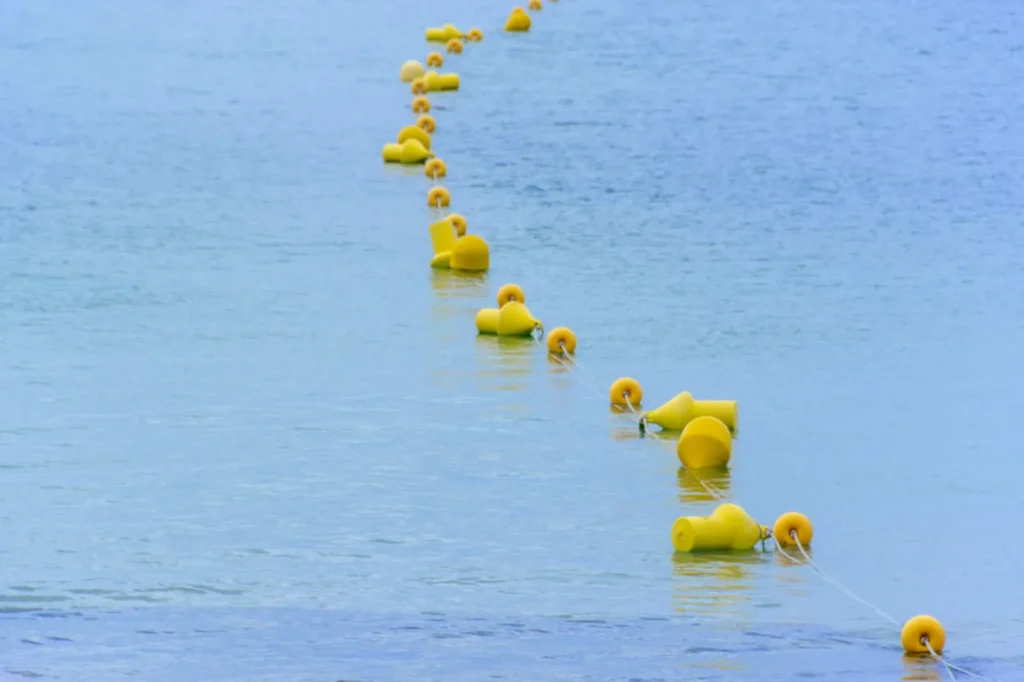
Vietnam keeps Con Dao’s beaches among the cleanest in the country by enforcing its rules strictly. On any beach within the national park zone, the following applies:
- No littering, fines can apply
- No loud music or amplified sound
- No camping without a permit
- No motorized water sports on protected beaches
- Coral collecting is illegal and carries real penalties
For beaches outside the national park, like Dam Trau or Lo Voi, the rules are more relaxed, but locals still appreciate visitors who respect the environment. It’s a small community. Word travels fast.
Turtle Watching Rules in Con Dao
Turtle conservation is probably the single biggest reason Con Dao stays protected the way it does. The islands are home to Vietnam’s largest population of nesting green turtles and critically endangered hawksbill turtles. From April to October, over 400 turtles return here to nest.
Key Rules During Turtle Watching
According to regulations introduced by the Con Dao National Park management board, these are the rules every visitor must follow:
- Turtle watching is allowed from 6:00 PM to 6:00 AM. Baby turtle releases happen between 5:30 AM and 7:30 AM.
- Maximum 50 visitors per nesting site per night, split into groups of about 10.
- Maximum 100 visitors per baby turtle release location, divided into two groups of 50.
- No flash photography near nesting turtles.
- No touching or approaching turtles closer than 2 meters.
- Follow all instructions from park rangers, no exceptions.
- Keep noise to an absolute minimum after dark.
If turtles don’t show up during your tour, a 50% discount on the tour fee applies. That’s a fair deal, and it shows the park values honesty over profit.
Photography and Drone Regulations
You can take photos freely on most trails and beaches. Nobody will stop you from snapping a sunset. But drones are a completely different story.
Vietnam requires a special flight license for every drone flight. Applications must go through the Ministry of Defense at least 14 days before the planned flight. As of July 2026, stricter enforcement rules apply around airports and protected zones. Flying a drone without a permit in Vietnam can result in fines between 20 and 30 million VND (roughly $800 to $1,200), and authorities can confiscate your equipment.
In Con Dao, you cannot fly drones over turtle nesting beaches, protected marine areas, or the national park without explicit permission. Some licensed tour operators bring professional drones for photography, but that’s their permit, not yours.
Can You Film Inside the National Park?
Personal video with handheld cameras or phones is fine. Commercial filming requires a separate permit from the park management board. If you’re a content creator or vlogger, check in advance with the park office.
Camping Rules on Con Dao Islands
Camping is possible but heavily regulated. You cannot just pitch a tent anywhere. Wild camping on national park beaches is not permitted. The park offers designated camping spots on certain islands, like Bay Canh, where overnight turtle-watching tours include tent accommodations arranged by the rangers.
| Camping Option | Availability | Permit Required? | Facilities |
| Bay Canh Island (ranger station) | During turtle season | Yes, through tour booking | Tents, fans, basic meals |
| Con Son town area | Year-round | Local accommodation rules | Hotels and guesthouses |
| Wild camping (park beaches) | Not allowed | N/A | N/A |
| Private island camping tours | Seasonal | Yes, a licensed operator is needed | Varies by operator |
If you want an overnight nature experience, the Bay Canh turtle tour is your best bet. You stay in tents with air mattresses and mosquito nets. It’s basic but memorable.
What Tourists Are Not Allowed to Do
Let me be blunt about a few things because I’ve seen all of these happen:
- Don’t take coral from the water. Even dead pieces. It’s illegal.
- Don’t feed monkeys in the park. They’ll get aggressive and dependent on tourists.
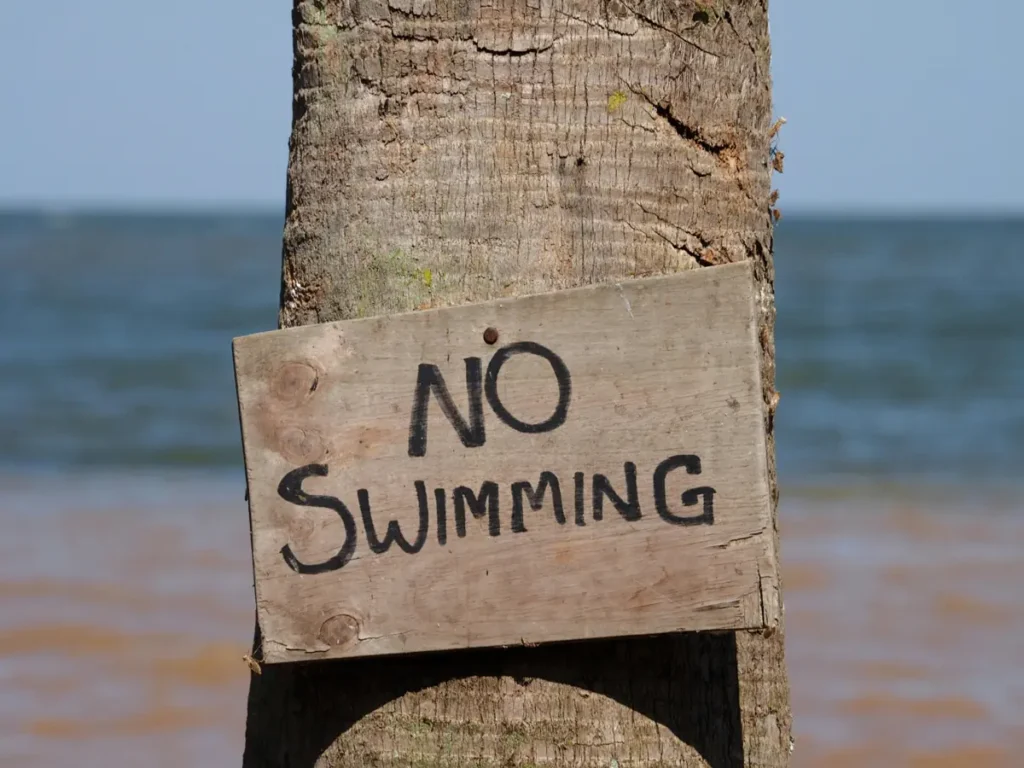
- Don’t swim in restricted marine zones. Some areas are closed for turtle nesting or coral recovery.
- Don’t ride motorbikes on park trails. Trails are for foot traffic only.
- Don’t litter. Seriously. The island has limited waste processing.
- Don’t enter restricted military zones; parts of Con Dao still have military installations.
The consequences range from verbal warnings to actual fines. Rangers here have authority, and they use it when needed.
Safety Tips for First-Time Visitors
Con Dao feels safe. Very safe, actually. Crime is almost nonexistent. But the nature here demands respect.
Trails inside the national park can be extremely slippery, especially during or after rain. Moss covers the paved path to some waterfalls, and multiple visitors have reported near-falls even while wearing good hiking shoes.Bring proper footwear. Not flip-flops.
Additionally, the humidity is intense. You will sweat more than you think. Bring at least 2 liters of water per person for any hike longer than an hour. There are no shops or water refill stations on the trails.
Medical facilities on the island are basic. The nearest hospital with full services is back on the mainland in Vung Tau. Travel insurance is strongly recommended.
Read about another beach destination: our Koh Kood vs Koh Chang vs Koh Samet guide compares vibes, beaches, costs, and travel styles to help you choose the right Thai island.
Best Time to Visit Con Dao Islands
For most visitors, the sweet spot is March to June. The weather is warm, the seas are calm, and you avoid the peak crowds that come during the Vietnamese holiday periods in July and August.
For turtle watching specifically, aim for June to September, that’s peak nesting season.
The rainy season from October to February brings rougher seas and limits boat trips. Some dive operators close during this period. However, hotel prices drop significantly, so budget travelers might find it worth the trade-off.
Important Things to Carry Before Visiting
- Cash in VND, ATMs exist but aren’t always reliable
- Reef-safe sunscreen (chemical sunscreens damage coral)
- Good hiking shoes with grip
- Waterproof bag or phone case
- Insect repellent; mosquitoes are present, especially at dusk
- Basic first aid kit, including motion sickness medication for boat trips
- Reusable water bottle
- Light rain jacket during wet season months
Tips to Avoid Fines or Restrictions
First, always buy your park ticket before entering. Don’t assume you can pay later or that nobody checks. They do.
Second, don’t try to visit restricted islands without a licensed tour operator. Independent boat trips to protected islands are not allowed. Third, if a ranger tells you an area is closed, it’s closed. They’re not being difficult; they’re protecting turtle nesting sites, recovering coral zones, or managing safety after weather events.
Finally, keep your ticket with you throughout your visit. Rangers can ask to see it at any checkpoint along the trail.
Final Travel Tips for Visiting Con Dao in 2026
Con Dao isn’t a party island. It’s not Phu Quoc. It’s not even close to that vibe. What it is, though, is one of the last genuinely pristine island destinations in Southeast Asia. The national park covers nearly 20,000 hectares across land and marine zones, protects over 1,000 plant species and hundreds of marine species, and holds Ramsar status as a wetland site of international importance.
The fees are minimal. The rules exist for good reason. And if you follow them, you’ll experience something rare, an island ecosystem that actually works the way it’s supposed to.
Respect the place. Buy the ticket. Leave nothing behind. That’s really all it takes.
Frequently Asked Questions About Con Dao Fees and Rules
How much does it cost to enter Con Dao National Park?
The entrance fee is 60,000 VND for adults (about $2.40 USD), 20,000 VND for students, and 10,000 VND for children aged 6 to 15. Children under 6 enter free.
Are Con Dao beaches free to visit?
Beaches in Con Son town, like Lo Voi and An Hai, are free. Beaches inside the national park require a park entry ticket. Remote island beaches are only accessible through paid boat tours.
Do I need a permit for snorkeling in Con Dao?
You don’t need a separate snorkeling permit as an individual. However, snorkeling in the marine park area requires going through a licensed tour operator, and their fees include the marine park entry cost.
Can I fly a drone in Con Dao?
Only with a proper Vietnamese drone flight license from the Ministry of Defense, applied for at least 14 days ahead. Flying without a permit is illegal and carries fines of 20 to 30 million VND. Flying over protected areas like turtle beaches is not allowed even with a general permit.
Is there a limit on visitors for turtle watching?
Yes. Each nesting site allows a maximum of 50 visitors per night, divided into groups of approximately 10 people. Baby turtle release events allow 100 visitors maximum, in two groups of 50. Booking ahead is essential, especially during peak season from June to September.
What happens if I break the rules in Con Dao National Park?
Depending on the violation, you can receive a verbal warning, a fine, or have equipment confiscated (in the case of illegal drone use). Coral theft and wildlife disturbance carry the most serious penalties.