
Most people fly into Lombok, look at the Gili islands, and call it done. And honestly, I get it, the Gilis are stunning. But if you stop there, you’re missing the part of Lombok that nobody really talks about: the hidden beaches in Lombok that feel like they belong to a different era of travel entirely. We’re talking stretches of sand where you might be the only person there. Beaches that require a bit of effort, a bit of sweat, and zero regret.
I’ve spent time across southern and eastern Lombok, following dusty roads and half-translated Google Maps directions, and what I found surprised even me. These aren’t just “off the tourist trail” in a vague sense. Some of these spots genuinely have no signage, no facilities, and no crowds. That’s exactly the point.
According to Indonesia’s Central Bureau of Statistics (BPS), Lombok received over 3.7 million domestic and international visitors in 2023, but the vast majority were concentrated in Mataram, Senggigi, and the Gili islands. That leaves the hidden beaches in Lombok almost entirely to those willing to do a little homework. This guide is the homework.
Quick Overview: Hidden Beaches in Lombok at a Glance
| Beach Name | Location | Best For | Crowd Level |
| Tanjung Bloam | East Lombok | Wild cliffs, empty shores | Very low |
| Selong Belanak (far end) | South Lombok | Quiet swimming | Low–moderate |
| Mawun Beach | South Lombok | Calm lagoon, photography | Low |
| Semeti Beach | South Lombok | Rock formations, solitude | Very low |
| Tangsi (Pink Beach) | East Lombok | Pink sand, snorkeling | Low |
| Gili Kedis | Southwest Lombok | Tiny island, personal escape | Very low |
Why Lombok Feels Like Bali Before the Crowds Came In
There’s a reason the comparison keeps coming up. Bali in the early 2000s was described by travel writers as untouched, raw, and quietly magical. Lombok in 2025 carries a similar energy in certain corners, particularly along its southern and eastern coastlines, where infrastructure is still catching up.
The West Nusa Tenggara Tourism Board has been actively promoting eco-tourism in Lombok since 2019, but the real secret is that development has moved slowly. That slowness, frustrating for some, is a genuine gift for travelers who want something real. No beach clubs pumping commercial music. No Instagram pods. Just the island.
I spoke with a local guide named Yusuf near Kuta Lombok, who put it simply: “People here don’t rush. The beach is here tomorrow, too.” That attitude shapes the entire experience.
Read more tips in our Selong Belanak Beach Guide before you plan your first Lombok surf day.
The Quiet Charm of Getting There: Curvy Roads, Worth Every Bend
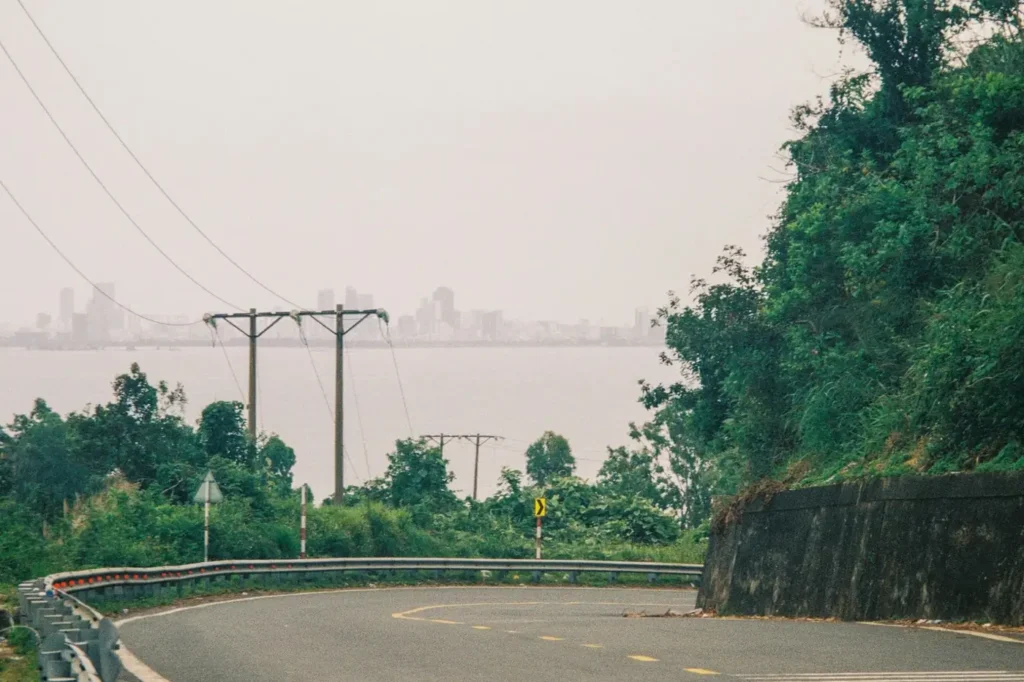
Let’s be honest about something. Getting to the hidden beaches in southern and eastern Lombok is not like pulling up to a resort with a car park and a welcome sign. Some of these roads are narrow, potholed, and lined with cassava fields. The GPS sometimes gives up. That’s part of the deal.
But here’s what those roads give you: a gradual transition from the busy world into something quieter. By the time you reach the clifftop above Mawun or descend toward Tanjung Bloam, you’ve already earned it a little. And that earning matters for how you experience what comes next.
Renting a scooter in Kuta Lombok costs around 60,000–80,000 IDR per day (roughly 4–5 USD). That’s the most flexible option for exploring. Alternatively, a private driver for a full day of beach-hopping typically runs 300,000–450,000 IDR (18–28 USD), which is genuinely good value when split between two people.
Getting Around: Practical Transport Facts
| Option | Cost (IDR) | Best For | Notes |
| Scooter rental | 60,000–80,000/day | Solo or duo travelers | Most flexible, easiest for narrow roads |
| Private driver | 300,000–450,000/day | Groups, comfort | Worth it for 3+ beaches in one day |
| Ojek (motorbike taxi) | 30,000–80,000/trip | Single destinations | Via Grab or local negotiation |
| Rented car + driver | 500,000–700,000/day | Families, luggage | Better for paved main roads |
Tanjung Bloam: Where Cliffs Drop Into Wild, Empty Shores
This one stopped me in my tracks the first time I saw it. Tanjung Bloam sits on the eastern coast of Lombok, near the small fishing village of Jerowaru, roughly 65 kilometers from Mataram. The cliffs here are dramatic in a way that photographs just don’t fully capture; they drop almost vertically into turquoise water, and the beach at the base is a sliver of white sand that looks almost fictional.
The road in is rough. You’ll pass through small farming communities and stretches of dry scrubland before the ocean suddenly appears below you. According to the Lombok Sumbawa Tourism Association, Tanjung Bloam is one of the least-visited coastal areas in East Lombok despite its extraordinary scenery.
Best visited in the dry season between May and October. Bring your own water, the nearest warung is about 15 minutes back along the road. The hidden beaches on Lombok’s east side, like this one, are genuinely raw experiences.
How do I get to Tanjung Bloam?
From Kuta Lombok, head northeast toward Jerowaru; the drive takes about 1.5 hours by scooter. The last stretch requires navigating narrow village roads. GPS coordinates (8°57’S, 116°30’E) work best for the final approach. There are no tour services that cover this area, so self-navigation or a local driver who knows East Lombok is essential.
Selong Belanak’s Secret Corners Beyond the Tourist Stretch
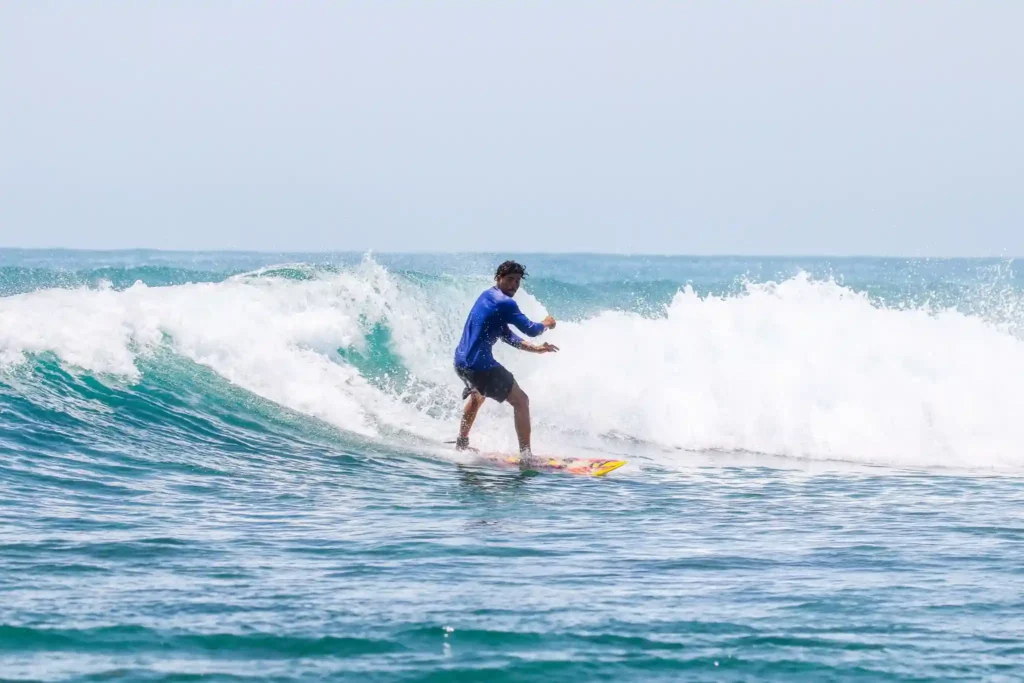
Selong Belanak is on most people’s Lombok list already; it’s a gorgeous crescent bay with calm surf, popular with beginner surfers. But most visitors park at the main access point and never walk beyond the first 200 meters. That’s where the opportunity is.
The far northern end of the bay, beyond where the scooter tracks fade out, is practically its own beach. The sand is just as fine, the water just as clear, and the crowd count drops to near zero. I walked down there on a Tuesday morning in July and counted four other people on what must have been 600 meters of beach.
The Surf Association of Lombok has certified Selong Belanak as a Grade B surf spot, suitable for beginners to intermediates at the main break. The far end has a different energy, more swell, more solitude, more reward for those who wander.
Mawun Beach: A Calm Lagoon That Feels Almost Private
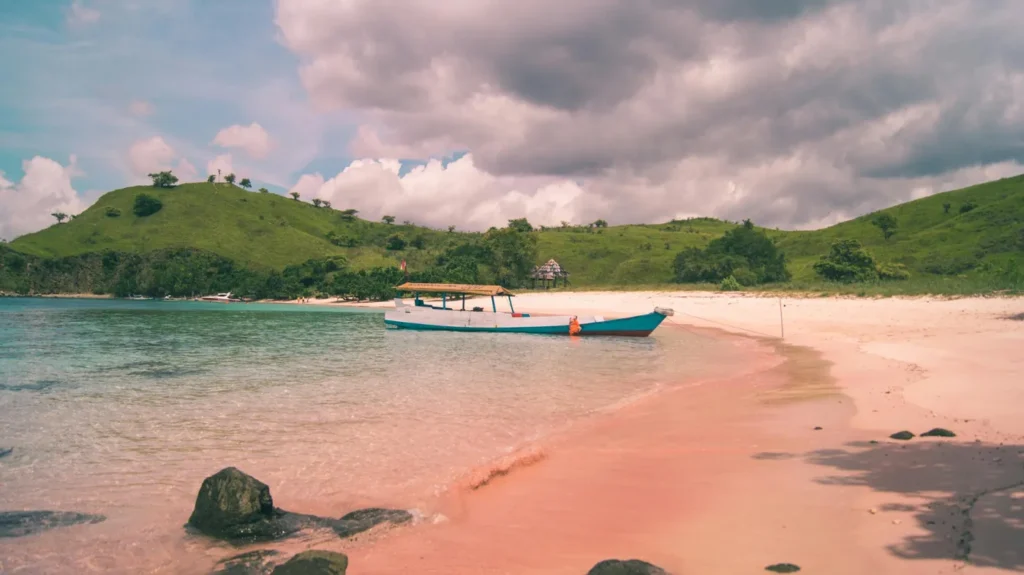
Mawun is technically known; it appears in guidebooks and the occasional travel blog. But the experience on the ground rarely matches the crowd you’d expect from its reputation. On three separate visits, the most I’ve counted was about 30 people across the whole beach. That’s quiet.
The bay is shaped like a perfect horseshoe, sheltered by green hills on either side, with water that shifts from pale jade near the shore to deep blue further out. It’s genuinely one of the most beautiful natural swimming spots in all of Indonesia, and you can access it for free.
The water here is protected enough that it’s calm even when surf is running elsewhere on the south coast. Families with children tend to do well at Mawun because of this. There’s a small warung near the parking area, run by a woman named Ibu Wati who’s been there for over a decade, that sells cold drinks and simple food. That little detail matters when you’re not sure what to expect.
Is Mawun Beach crowded?
Generally no. Mawun receives far fewer visitors than nearby Kuta or Selong Belanak. Weekday mornings are the quietest. It’s rarely busy even in peak season, making it one of the most reliably peaceful hidden beaches in Lombok’s south.
Not sure which island fits your trip? This Lombok vs Bali travel comparison makes the choice much easier.
Semeti Beach: Rock Formations That Look Unreal in Real Life
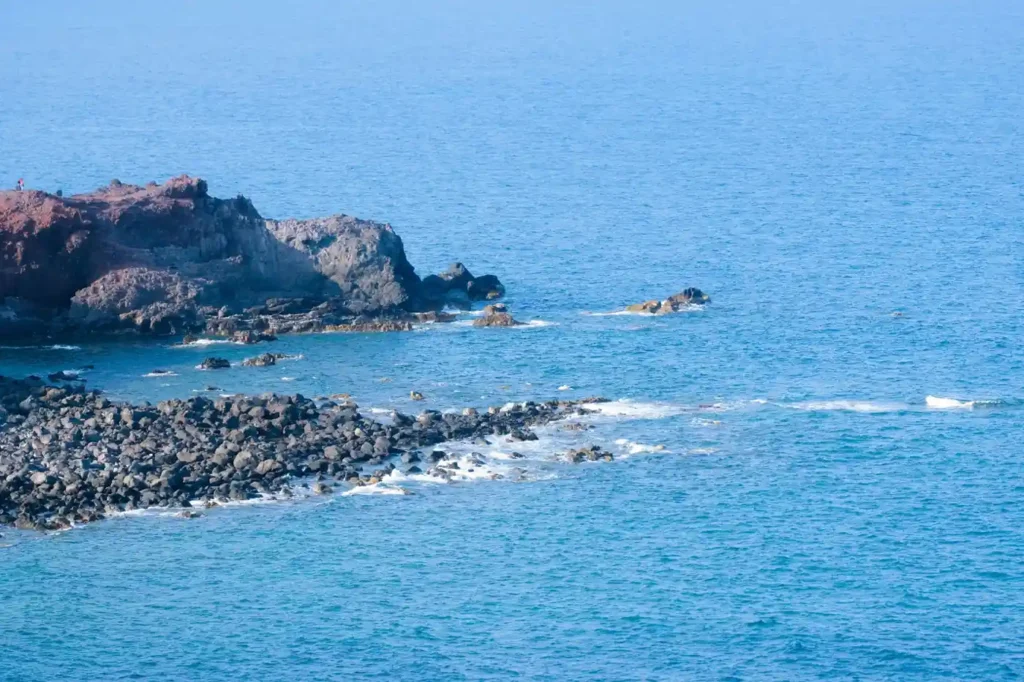
Semeti is the beach that gets the most gasps from first-time visitors. Not because of the sand or the water alone, though both are stunning, but because of the rock formations along the shore. These aren’t just scattered boulders. They’re sculptural, almost architectural shapes carved by millennia of wave action into forms that look like something from another planet.
The beach itself is small and not particularly suitable for swimming due to the strong currents and rocky base. But you’re not really going to Semeti to swim. You’re going to walk along those rocks at low tide, photograph the surf crashing through arched stone passages, and sit somewhere quiet while the wind does its thing.
According to a 2022 geological survey published by the Institut Teknologi Bandung (ITB), the rock formations at Semeti are primarily composed of ancient volcanic andesite, shaped over an estimated 15,000+ years of tidal erosion. The result is one of the most visually distinct coastlines in Eastern Indonesia.
Comparing the Best Hidden Beaches in Lombok: What to Expect
| Beach | Swimming | Photography | Facilities | Difficulty to Reach |
| Tanjung Bloam | Moderate | ★★★★★ | None | Hard |
| Mawun Beach | Good | ★★★★☆ | Small warung | Easy |
| Semeti Beach | Not recommended | ★★★★★ | None | Moderate |
| Tangsi Pink Beach | Good | ★★★★★ | Basic warungs | Moderate |
| Gili Kedis | Excellent | ★★★★☆ | None (day trip) | Easy (boat) |
Tangsi (Pink Beach): Not Just Pink, But Peacefully Remote
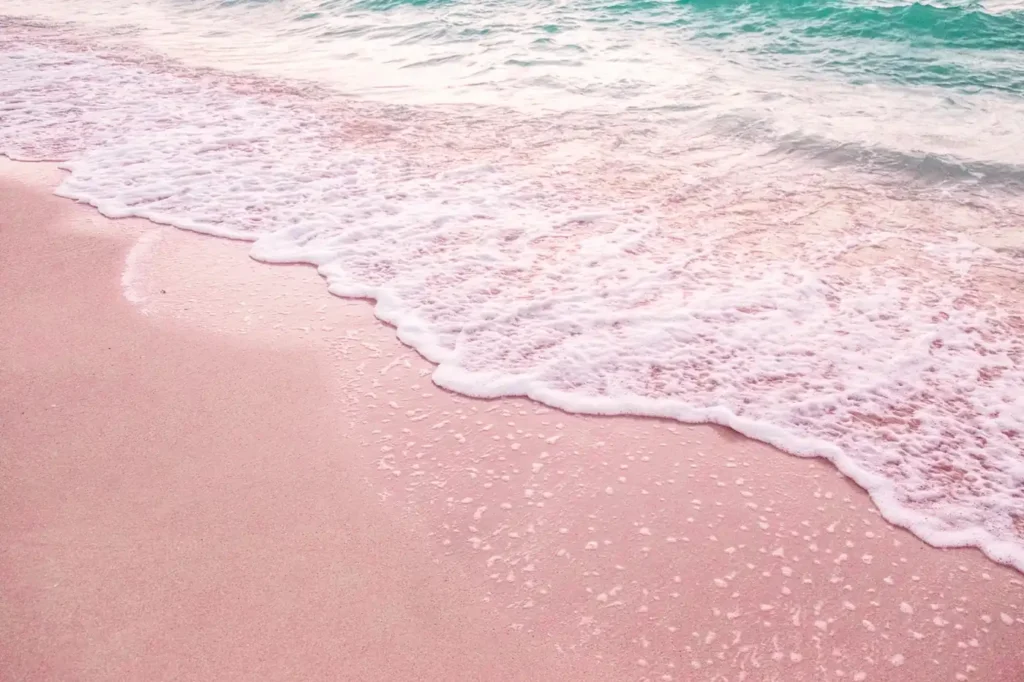
Pink Beach, officially called Pantai Tangsi, has started getting more attention in the last few years, but it still feels remarkably quiet compared to what you’d expect for a beach with pink sand. Yes, the sand genuinely is pink. The color comes from fragments of red coral mixed into the white sand, a phenomenon documented by Marine Biologists at the University of Mataram, who confirmed the unique coral composition in a 2021 coastal study.
The pink is most vivid in the morning light and after rain. Midday sun washes it out a bit. I’d recommend arriving before 8 AM if the color is what you’re primarily there to see.
Beyond the Instagram moment, Tangsi has solid snorkeling in the bay. The coral reef here is in relatively good condition, better than many more-visited spots. The East Lombok Fishermen’s Cooperative has been working with local authorities since 2020 to limit boat traffic near the reef, and that effort shows. Among secret beaches in Lombok, this one rewards multiple layers of appreciation.
Why is Pink Beach, Lombok pink?
The pink color comes from tiny fragments of red coral (Foraminifera) mixed into the white sand. The University of Mataram’s Marine Biology department confirmed in 2021 that this beach is one of only seven naturally pink sand beaches in the world. The color is most vivid early in the morning.
Gili Kedis: The Tiny Island That Feels Like a Personal Escape
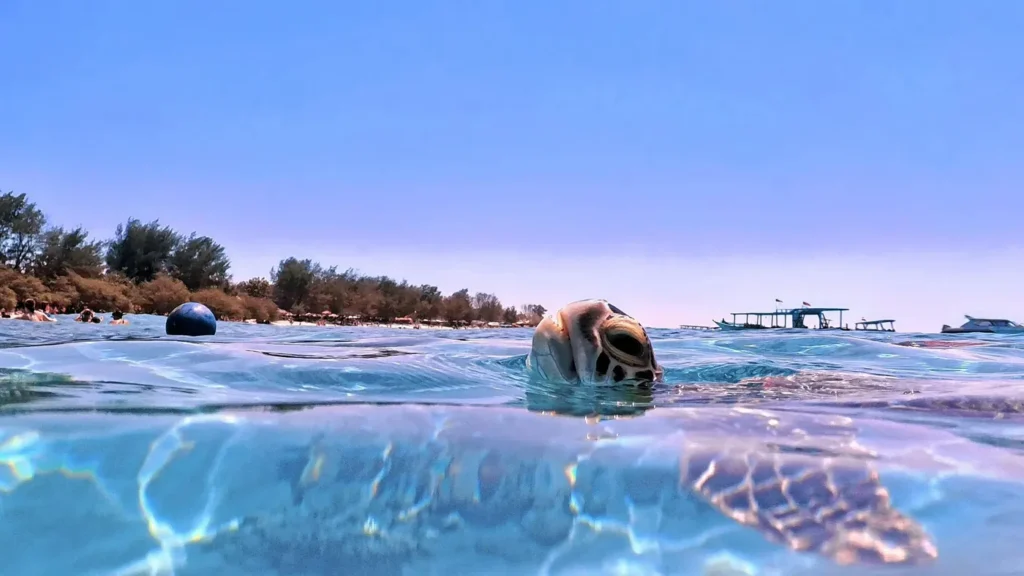
Of all the spots on this list, Gili Kedis might be the one that feels most like a private island. It’s tiny, you can walk the entire perimeter in under 10 minutes, and the water around it is almost impossibly clear. On a calm day, the visibility underwater easily reaches 10–15 meters.
Getting there requires a short boat trip from the harbor at Pelabuhan Tawun near Sekotong, in southwest Lombok. Local boatmen charge around 150,000–200,000 IDR for a return trip, including waiting time. The island has no permanent facilities, no shade structures, and no food. Bring everything you need.
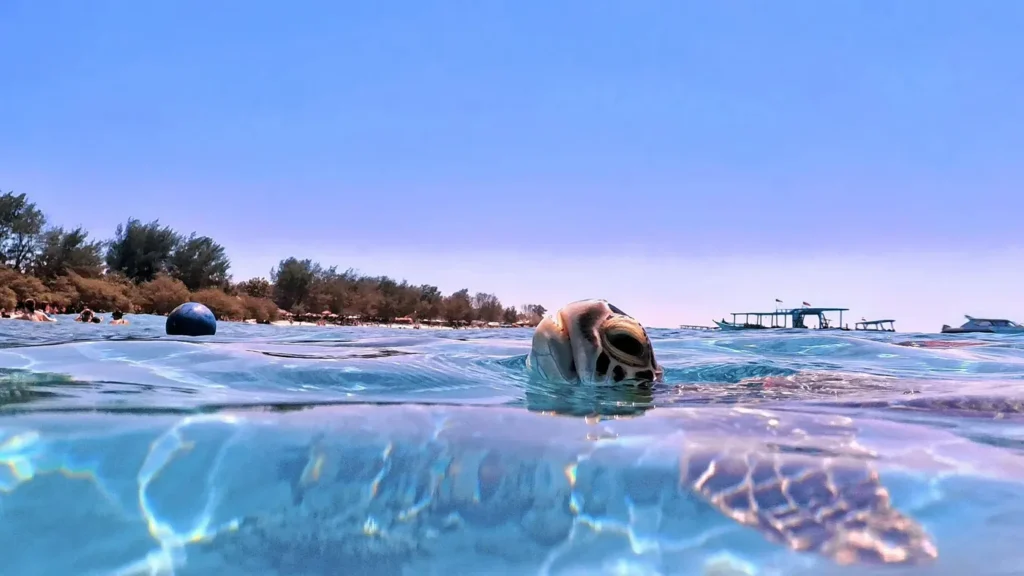
The Sekotong Marine Tourism Association, which operates in the southwest Lombok area, lists Gili Kedis as one of the five best snorkeling spots in the entire regency. Hawksbill turtles are sometimes spotted around the western side of the island in the early morning, a detail that still feels genuinely surprising every time it happens.
How do I get to Gili Kedis?
Take a boat from Pelabuhan Tawun near Sekotong in southwest Lombok. The crossing takes about 10–15 minutes. Local boatmen charge 150,000–200,000 IDR return. There are no scheduled services; negotiate directly at the harbor. Day trips only; there is no accommodation on the island.
How Locals Navigate These Hidden Spots Without the Hype
The honest answer is: they don’t navigate. They know. The fishing families of East and South Lombok have been using these coastlines for generations, not as tourist destinations but as working environments, spiritual spaces, and community land.
When I asked a group of fishermen near Tanjung Bloam how they felt about visitors coming to the area, one man named Pak Hendra shrugged and said, “People who come here are usually quiet. We don’t mind quiet people.” That felt like a genuine statement of welcome with conditions.
The best way to navigate these spots is to ask locally. Warung owners, guesthouse staff, and motorbike rental operators near Kuta Lombok often have detailed knowledge of access roads, tide timing, and which spots are currently accessible after storms. The Lombok Tourism Information Center in Praya also publishes an updated coastal access map twice a year, which is useful but rarely mentioned in international travel media.
Best Time to Visit If You Want Silence, Not Crowds
The dry season in Lombok runs from approximately May through October, with July and August being the most stable months weather-wise. However, these are also the busiest months for tourism overall, so “busy” is relative. Even peak season at Semeti or Tanjung Bloam means maybe 15–20 visitors on a good day.
For absolute solitude, the shoulder months of May, June, and September hit the sweet spot: good weather, calmer seas, and noticeably fewer visitors even by Lombok’s already-low standards. Local travel bloggers in the Indonesian travel community (including the popular Jelajah NTB community on Instagram, with over 85,000 followers) consistently recommend September as the ideal month.
Within any given day, arrive before 9 AM. The midday heat between 11 AM and 2 PM is intense across most of Lombok’s exposed coastline. If you can time a visit for the golden hour before sunset, the light on the cliffs and the pink sand at Tangsi is extraordinary.
What is the best time to visit the hidden beaches in Lombok?
May through October is the dry season and the safest window for beach visits. September offers the best combination of good weather and minimal crowds. Arrive before 9 AM on any given day for the most peaceful experience. Avoid November through March when rain and rough surf make some beaches inaccessible.
What to Pack When Beaches Don’t Have Shops or Signals
This cannot be overstated: most of the hidden beaches on this list have zero facilities. No food, no water, no toilet, no mobile signal in some cases. Packing correctly isn’t a travel tip; it’s a safety requirement.
- Minimum 2 liters of water per person, more in peak heat months
- Sunscreen SPF 50+, the Lombok sun is intense, and shade is scarce
- Packed lunch from a local warung before you leave (nasi bungkus travels well, costs 15,000–25,000 IDR)
- Closed shoes or grippy sandals for rocky beaches like Semeti and Tanjung Bloam
- Cash in IDR, parking fees, and boat trips are always cash only
- Portable phone charger and a downloaded offline map (Maps.me works well for rural Lombok)
- Small dry bag or waterproof pouch for boat crossings to Gili Kedis
- Reusable trash bag, pack out everything you pack in
Monthly Visit Conditions for Hidden Beaches in Lombok
| Month | Weather | Sea Conditions | Crowd Level | Recommended? |
| January–March | Wet, humid | Rough, some closures | Very low | No |
| April | Transitional | Improving | Low | Cautiously yes |
| May–June | Dry begins | Calm to moderate | Low | Yes |
| July–August | Peak dry | Calm | Moderate | Yes (arrive early) |
| September | Dry, optimal | Calm | Low | Best month |
| October | Late dry | Slight change | Low | Yes |
| November–December | Wet starts | Rough again | Very low | Generally no |
Leaving No Trace: Keeping Lombok’s Hidden Shores Truly Hidden
There’s something quietly contradictory about writing a guide to hidden beaches. The more people who read it, the less hidden they become. I think about that. But the alternative, people finding these spots without context or responsibility, tends to go worse.
The Lombok Environmental Agency (Dinas Lingkungan Hidup NTB) has flagged several southern Lombok coastal areas for increasing plastic pollution since 2022, particularly during the rainy season when waste washes in from inland waterways. Some of the most beautiful beaches on this list are also among the most vulnerable.
The principle is simple: take everything out that you bring in. Don’t leave food waste. Don’t touch the coral at Tangsi or Gili Kedis. And don’t share precise GPS coordinates on public social media for the most fragile spots; the general directions in this guide are enough for the right kind of traveler to find them.
Are the hidden beaches in Lombok protected areas?
Several are. Tangsi Pink Beach falls within the East Lombok Marine Conservation Zone, managed jointly by the Ministry of Marine Affairs and Fisheries (KKP) and local Lombok authorities. Visitors should avoid touching or collecting coral, and fishing is prohibited in designated zones. Violations carry fines under Indonesian Maritime Law No. 45/2009.
Final Thoughts: Why These Beaches Are Worth the Extra Effort
Every beach on this list requires something from you: a longer drive, an earlier alarm, a willingness to go without conveniences. And every single one of them gives back more than it takes. These hidden beaches in Lombok represent something that’s becoming genuinely rare in Southeast Asia: a coastline that hasn’t been packaged, curated, or Instagrammed into a product.
The Indonesian government’s National Tourism Strategic Area (KSPN) designation for Mandalika, which encompasses parts of South Lombok, has accelerated some infrastructure development nearby. But the further you move from the Mandalika circuit, the more intact the experience becomes. For now, at least.
Go soon. Go carefully. And leave it exactly as you found it.
Frequently Asked Questions
Q1: Are hidden beaches in Lombok safe to visit alone?
Generally, yes, but with caveats. The main safety considerations are the sea conditions (check surf forecasts before swimming at exposed beaches like Tanjung Bloam), the access roads (inform someone of your route if riding alone), and the lack of facilities. The Indonesian Search and Rescue Agency (Basarnas) advises all coastal visitors to share their itinerary with accommodation staff before heading to remote spots.
Q2: Do I need a guide to visit these beaches?
Not strictly necessary, but a local guide adds significant value at Tanjung Bloam and Semeti, where the access roads are unmarked. The Kuta Lombok Tourist Information Office can connect visitors with certified local guides for approximately 150,000–250,000 IDR per half-day.
Q3: Can I camp on hidden beaches in Lombok?
Camping is technically allowed on most non-protected beaches but requires self-sufficiency (bring all supplies, set up away from nesting areas). Tangsi Pink Beach is within a protected marine zone; overnight stays there are not permitted without special authorization from the local fisheries office.
Q4: How far is the nearest hospital from the remote beaches?
The nearest general hospital (RSUD Praya) is in Praya, Central Lombok, roughly 45–90 minutes from most southern beaches, depending on road conditions. The nearest clinic (Puskesmas) in the Jerowaru area serves East Lombok. Carrying a basic first aid kit and a local emergency contact number is strongly recommended.
Q5: Are these beaches suitable for children?
Mawun Beach and Selong Belanak (main area) are the most family-friendly due to calmer water and gentler access. Semeti and Tanjung Bloam involve rough terrain and strong currents, making them unsuitable for young children. Gili Kedis is suitable for older children comfortable with boat travel.
Q6: Is there an entrance fee for the hidden beaches in Lombok?
Most have a small informal parking fee of 5,000–15,000 IDR, collected by local community members managing the access road. This money goes directly to the local community rather than any government body. Gili Kedis requires a boat hire fee (150,000–200,000 IDR return), which is the primary cost.