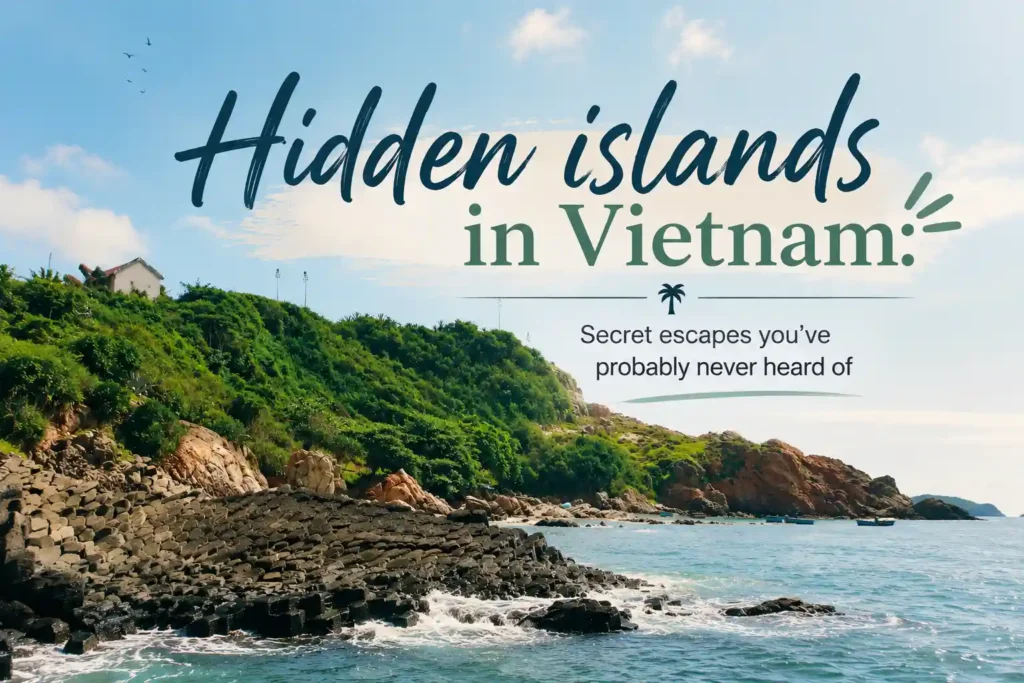
Vietnam has more than 3,000 hidden islands in Vietnam scattered along its 3,444-kilometre coastline, but most travelers only ever see one or two of them. Places like Nam Du, Ly Son, and Quan Lan have clear blue water, quiet fishing villages, and empty beaches with almost no tourists.
You can swim in calm water, eat fresh seafood from local boats, and watch daily life move slowly and simply. If you want to see a different side of the country, the hidden islands in Vietnam are a great place to start.
Why Vietnam’s Hidden Islands Are Worth Visiting
Vietnam’s popular destinations are popular for good reason. But they’re also crowded, increasingly expensive, and sometimes exhausting. These lesser-known islands offer something different: a slower pace, fresher seafood, and a connection to local life that’s hard to find elsewhere.
According to a 2024 report by the General Statistics Office of Vietnam, domestic and international tourist arrivals to island destinations outside the main hubs grew by 18% compared to pre-pandemic levels. Travelers are clearly looking for something beyond the standard circuit.
I’ve visited several of these islands personally, and the difference is stark. On Con Dao, I sat at a beachside table eating grilled lobster for under $8 while watching the sun go down. That kind of experience simply doesn’t exist in Nha Trang anymore.
When is the best time to visit the hidden islands in Vietnam?
The best time is generally November through April for southern islands (Con Dao, Nam Du, Binh Ba) and May through September for northern islands (Co To, Cat Ba). Always check local monsoon seasons before booking.
New to the island? Read Con Dao Vietnam Travel Guide for First-Time Visitors before planning your trip.
Best Time to Visit Vietnam’s Secret Islands
| Island | Best Season | Avoid | Notes |
| Con Dao | Nov – Apr | Sep – Oct | Turtle nesting season in Jun–Jul |
| Nam Du | Nov – Apr | May – Oct | Strong swells off-season |
| Binh Ba | Feb – Aug | Sep – Nov | Lobster harvest peaks in summer |
| Ly Son | Mar – Aug | Sep – Feb | Typhoon-prone in late years |
| Co To | May – Sep | Oct – Apr | Northern waters, cold in winter |
| Phu Quy | Nov – Apr | Jul – Sep | Monsoon affects ferry access |
Con Dao Islands: Vietnam’s Quiet Tropical Escape
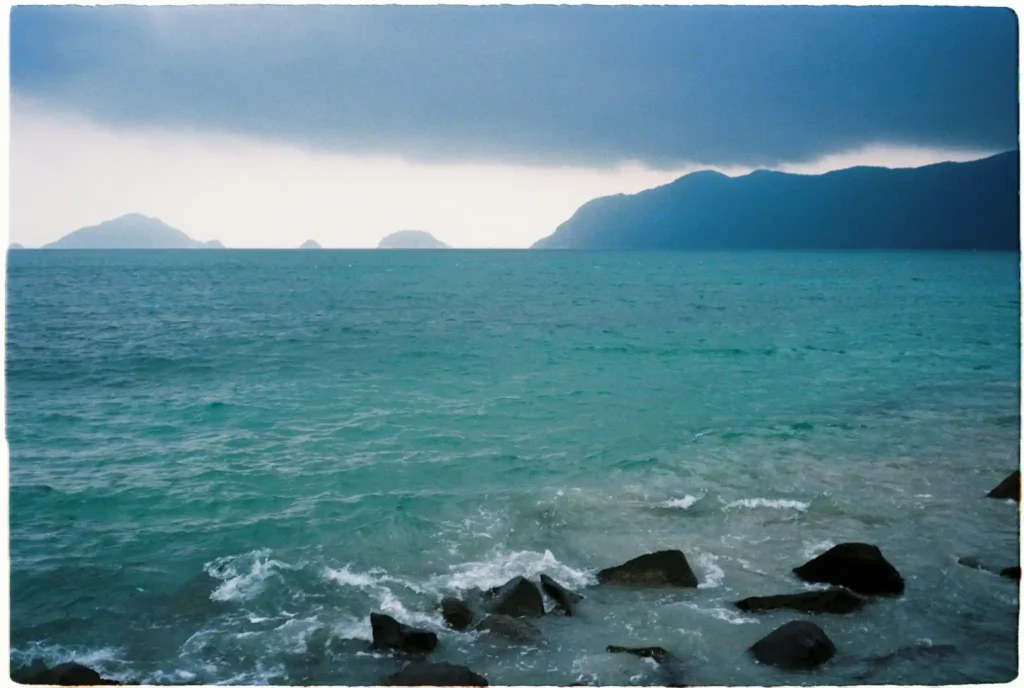
Con Dao sits about 230 kilometres off the southern coast of Vietnam. For a long time, it was known mostly for its colonial-era prison, which held thousands of political prisoners during the French and American war eras. Today, it’s something else entirely, one of the most beautiful and well-preserved island groups in Southeast Asia.
The Con Dao National Park covers roughly 80% of the archipelago’s land area and nearly 14,000 hectares of the marine protected zone. That’s why the reefs are still alive here. Locals told me that fishing restrictions within the park have made a visible difference over the past decade; the fish are simply bigger and more abundant than on comparable Vietnamese beaches.
Top Things to Do in Con Dao
- Snorkelling and diving around the protected reef at Bay Canh Island
- Visiting the historic Con Dao Prison and Hang Duong Cemetery
- Watching sea turtles nest at Dam Trau Beach (June to September)
- Hiking through Con Dao National Park with a licensed local guide
- Eating at local seafood stalls near the main pier, prices are still genuinely local
Best Beaches in Con Dao
Dam Trau Beach is the most photographed, with white sand, green sea, and no development behind it. Lo Voi Beach is quieter and takes about 45 minutes of hiking to reach, which filters the crowd nicely. Furthermore, Dat Doc Beach near the Con Dao Resort offers calmer swimming conditions for families.
Where to Stay in Con Dao
The Six Senses Con Dao is internationally known and genuinely spectacular, but it comes at international prices. For budget and mid-range travelers, the guesthouses along the main town road offer clean rooms from around 400,000 to 700,000 VND per night. Therefore, this island works across most budgets if you plan.
Wondering how much Con Dao really costs? Here’s the full budget breakdown for travelers.
Nam Du Islands: A Hidden Paradise in Southern Vietnam
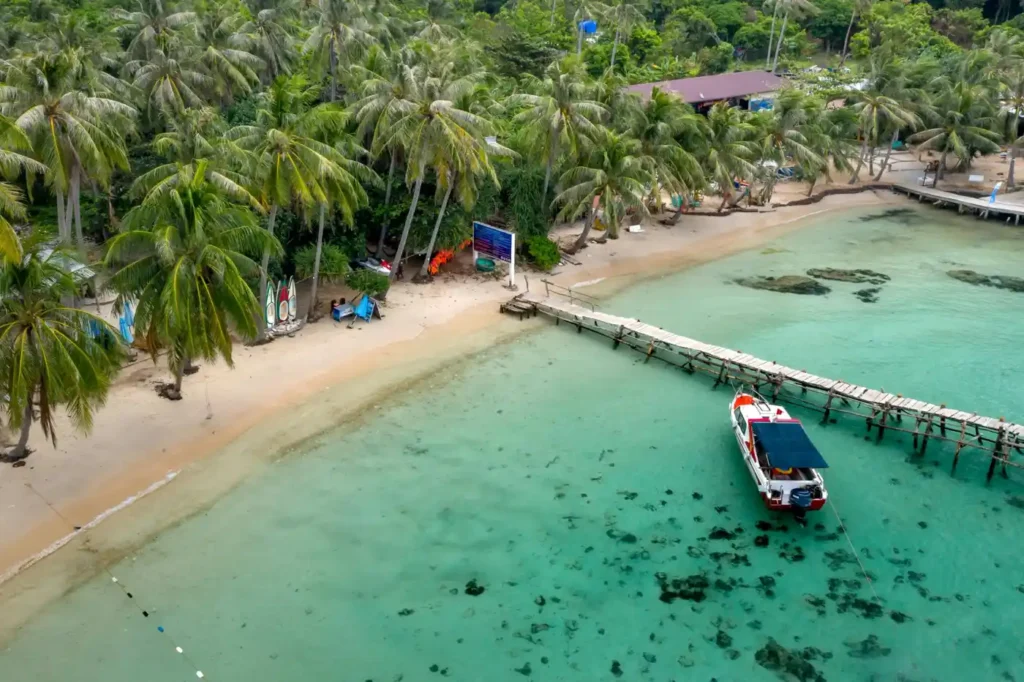
Nam Du is a cluster of about 21 islands located roughly 90 kilometres southwest of Rach Gia in Kien Giang province. Until fairly recently, reaching it required a long, uncomfortable boat ride. A faster ferry now operates from Rach Gia and makes the trip manageable for most travelers.
What makes Nam Du remarkable is how untouched it still feels. There are no international hotel chains, no beach clubs, and no cocktail menus. What you get instead is a fishing community that’s been living the same way for generations, with some of the most authentic seafood markets I’ve encountered anywhere in Vietnam.
How do you get to the Nam Du Islands?
Take a bus or flight to Rach Gia, then catch a high-speed ferry to Nam Du Island. The ferry takes approximately 2 hours and departs twice daily. Book tickets in advance during peak months.
Best Activities in Nam Du
- Renting a motorbike and circling the main island takes about 2 hours
- Swimming at Bai Cay Men beach, the clearest water on the island
- Watching the fishing boats return in the early morning is genuinely worth the early alarm
- Kayaking between the smaller islands on calm-weather days
Local Food to Try in Nam Du
The seafood here is exceptional and incredibly cheap by any standard. Grilled squid, steamed clams with lemongrass, and fresh crab with salt and chili are the things locals eat every day. Additionally, the local fish porridge sold near the pier in the morning is one of those foods that’s hard to describe but impossible to forget.
Binh Ba Island: The Lobster Island of Vietnam
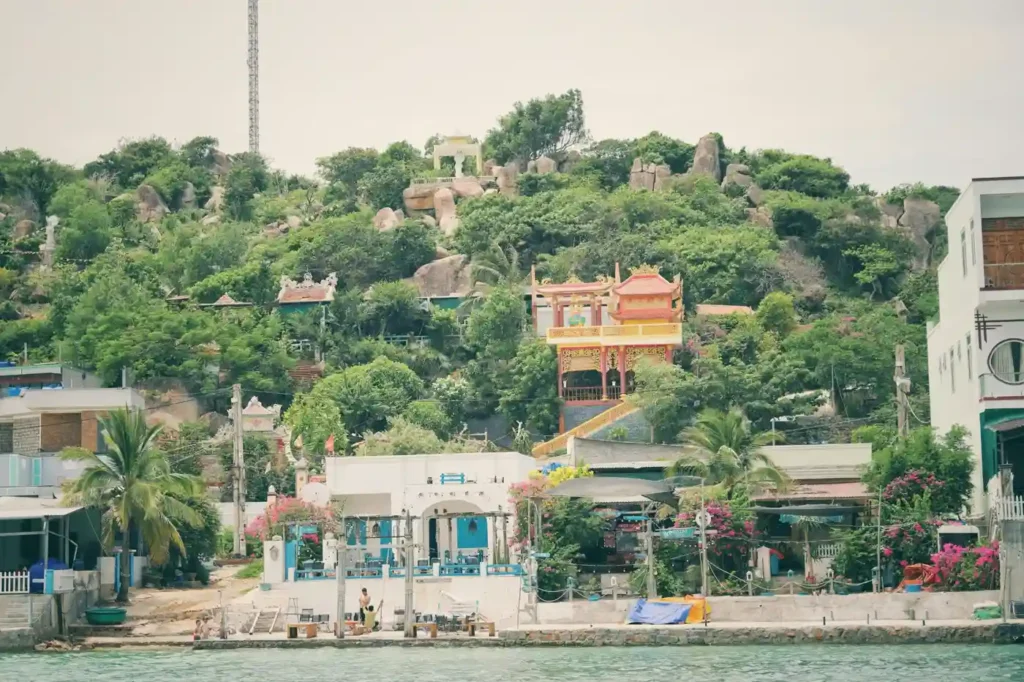
Binh Ba is a small island off the coast of Cam Ranh in Khanh Hoa province. It’s known specifically for one thing: lobster. The island has more lobster farms than any comparable stretch of Vietnamese coastline, and the results on the plate are outstanding.
Getting there involves a short 15-minute boat ride from the Cam Ranh pier. The island itself is tiny; you can walk it in a morning. But the combination of quiet beaches, lobster lunches, and the complete absence of tourist infrastructure makes it genuinely special. I’d describe it as the kind of place that gets ruined once it appears in a major travel magazine, so the window to visit it authentically may not stay open forever.
Best Beaches on Binh Ba Island
Bai Chuong is the main swimming beach, calm, clear, and lined with fishing boats that add to the character rather than detract from it. Bai Nha Hang is smaller and harder to reach, but locals use it precisely because tourists rarely find it.
Things to Know Before Visiting Binh Ba
- There are no ATMs on the island, so bring enough cash
- Accommodation is limited to basic guesthouses; book ahead in peak season
- Lobster prices are still reasonable but rising as awareness grows
- The island has a small military presence; photography restrictions apply in some zones
Ly Son Island: Vietnam’s Volcanic Island Gem
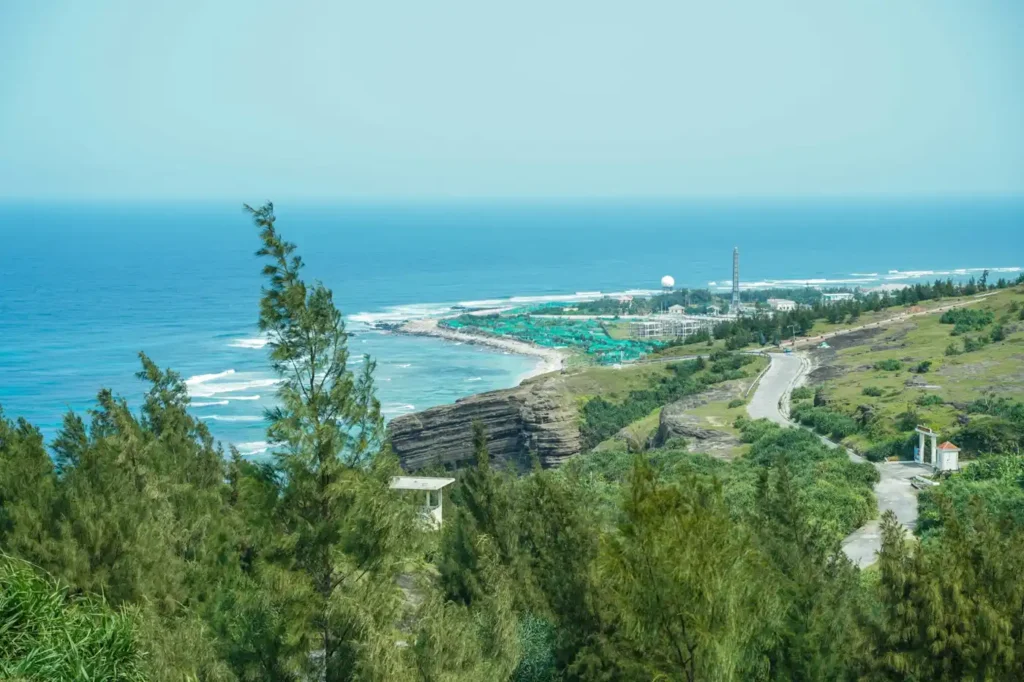
Ly Son sits about 30 kilometres off the coast of Quang Ngai in central Vietnam. It’s a volcanic island, and that origin is written into everything: the black rock formations, the fertile soil that produces Vietnam’s famous Ly Son garlic, and the dramatic coastal cliffs that drop straight into the sea.
The Vietnam Institute of Geosciences and Mineral Resources has documented Ly Son as one of Vietnam’s most geologically significant island sites. That academic recognition hasn’t yet translated into mass tourism, which is part of what makes it worth visiting now.
What is Ly Son Island famous for?
Ly Son Island is famous for its volcanic landscapes, ancient Cham temples, garlic farms, and the Gate of Tides (Cong Tien) rock formation. It’s one of Vietnam’s most distinctive and culturally rich hidden islands.
Famous Attractions on Ly Son Island
- To Vo Gate: a natural basalt arch rising from the sea, genuinely dramatic
- Gieng Tien well: an ancient freshwater well in volcanic rock
- Duc Pho Commune garlic fields: harvest season between February and April
- Hang Cau Beach: the most photogenic spot on the island
Best Time to Explore Ly Son
March through August offers the calmest sea conditions and clearest skies. Consequently, ferry services from Quang Ngai port run more reliably during this window. Outside those months, rough weather can disrupt access and make the hiking trails dangerous.
Binh Hung Island: Crystal Clear Waters and Peaceful Views
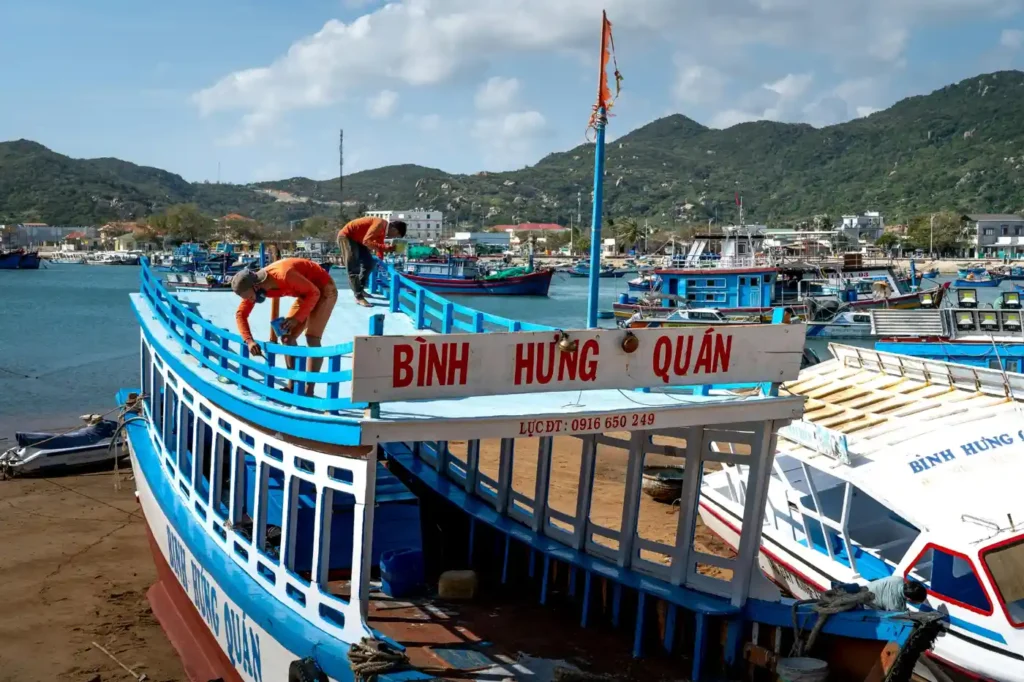
Binh Hung is located near Cam Ranh in Khanh Hoa province, not far from Binh Ba, but distinctly different in character. Where Binh Ba is defined by its lobster industry, Binh Hung is quieter, smaller, and focused almost entirely on natural beauty.
The water clarity here is exceptional, easily among the top five beaches I’ve swum at across all of Vietnam. The island has limited accommodation, with most visitors arriving for day trips by boat from the mainland. However, staying overnight changes the experience completely; the evenings are calm, and the stars are extraordinary.
Snorkelling and Boat Tours in Binh Hung
The reefs off the southern tip of Binh Hung are in good condition compared to many Vietnamese coastal areas. Local boat operators offer half-day snorkelling tours for around 150,000 to 200,000 VND per person. Furthermore, glass-bottom boat tours are available for non-swimmers who still want to see the underwater life.
Seafood Experiences on the Island
The floating seafood restaurants anchored near the main pier serve fresh catch daily. The menu is whatever came off the boats that morning, which means it changes but is always fresh. Prices are roughly 30 to 50% lower than comparable seafood in Nha Trang, another reason to make the trip.
Co To Island: A Hidden Island Near Hanoi
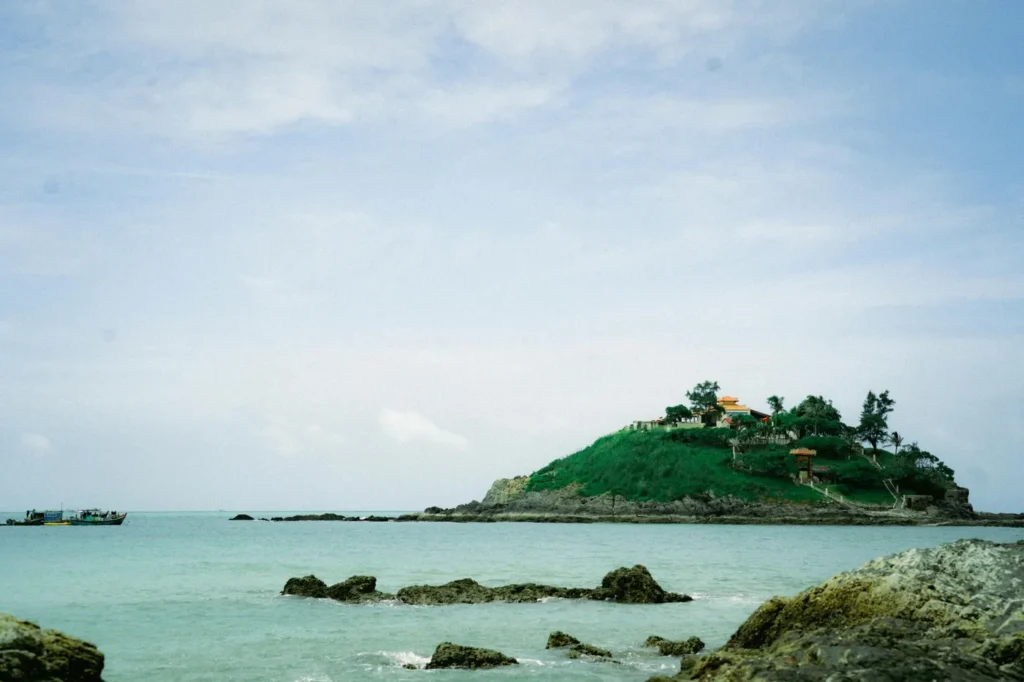
Co To is part of a small archipelago in Quang Ninh province, about 60 kilometres east of Van Don. It’s the closest of Vietnam’s hidden islands to Hanoi, making it accessible for a long weekend trip without the need for a flight.
The ferry from Van Don takes approximately 2 hours, and the island itself has a relaxed, end-of-the-road energy that’s hard to find this close to the capital. The local government has so far limited large-scale development, which means Co To still feels like it belongs to the people who live there.
How far is Co To Island from Hanoi?
Co To Island is approximately 250 kilometres from Hanoi. The typical route involves a 3-hour drive or bus to Mong Cai, then a transfer to Van Don ferry terminal. The ferry takes around 2 hours.
Best Beaches in Co To
Ban Chan Beach is the standout, long, wide, and reliably clean thanks to active management by the local authority. Hong Van Beach is preferred by locals for its gentler waves and good picnic spots. Additionally, the northern tip of the island has several unnamed coves that reward explorers willing to walk.
Things to Do on Co To Island
- Rent a motorbike and explore the island’s single circular road, which takes 3-4 hours with stops
- Visit the Co To lighthouse for panoramic views of the surrounding archipelago
- Try the local speciality, transparent noodle soup with crab, at any of the main town restaurants
- Kayak from the main beach toward the smaller uninhabited islands nearby
Phu Quy Island: Vietnam’s Underrated Coastal Escape
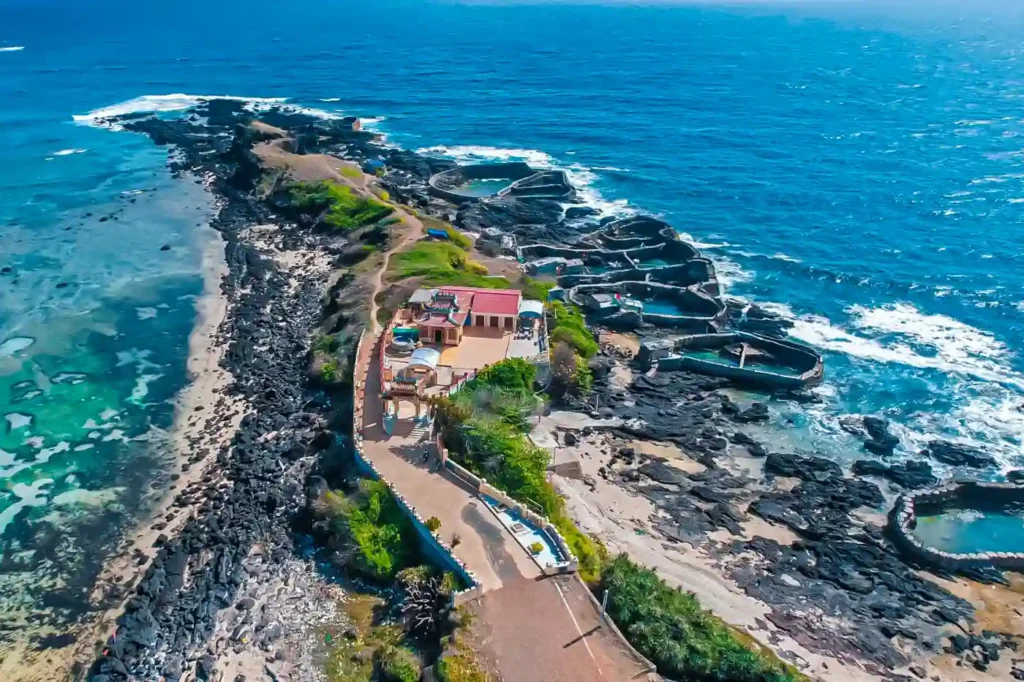
Phu Quy sits about 120 kilometres off the coast of Binh Thuan province in central-south Vietnam. It’s further offshore than most other islands on this list, which is exactly why it stays quiet. The ferry from Phan Thiet takes around 2.5 to 3 hours, depending on conditions.
The island has a strong Cham cultural heritage, visible in its temples and in the way the fishing community organises its seasonal calendar around traditional ceremonies. According to the Binh Thuan Province Tourism Department, Phu Quy received just under 70,000 visitors in 2023, a fraction of what comparable islands in Thailand or Indonesia attract.
Top Attractions on Phu Quy Island
- Linh Son Pagoda: a hillside temple with sweeping ocean views
- Ganh Han Rock: volcanic black rock formations along the eastern coast
- Van An Thanh Temple: a 300-year-old Cham worship site still active today
- Doi Dua viewpoint: the highest point on the island, accessible by motorbike
Travel Tips for First-Time Visitors
Bring all medications and any specific food requirements from the mainland; the island’s pharmacy options are limited. Ferry schedules are weather-dependent, so build buffer days into your itinerary. Moreover, the best local seafood is found not in restaurants but at the morning market near the harbour, where locals buy directly from returning boats.
Beaches, costs, crowds, and vibes; see the full comparison in Con Dao vs Phu Quoc: Which Vietnamese Island Is Better for Your Trip?
How to Travel Between Vietnam’s Hidden Islands
Island hopping in Vietnam is genuinely possible but requires planning. Most islands are not connected by direct ferry routes; instead, you return to the mainland and depart from a different port. Therefore, the most efficient approach is to group geographically close islands.
| Island | Nearest Port | Ferry Duration | Ferry Cost (approx.) |
| Con Dao | Vung Tau / HCMC | 12 hrs (boat) or fly | From 800,000 VND |
| Nam Du | Rach Gia | 2 hrs (speedboat) | From 200,000 VND |
| Binh Ba | Cam Ranh | 15 min (boat) | Around 50,000 VND |
| Ly Son | Sa Ky Port, Quang Ngai | 1.5 hrs (speedboat) | From 150,000 VND |
| Co To | Van Don, Quang Ninh | 2 hrs (ferry) | From 180,000 VND |
| Phu Quy | Phan Thiet | 2.5 – 3 hrs (ferry) | From 250,000 VND |
Essential Packing Tips for Island Trips in Vietnam
- Reef-safe sunscreen; several islands are within national marine parks where standard sunscreen is harmful
- Cash in VND; most smaller islands have no ATMs and don’t accept cards
- A waterproof dry bag for boat rides; waves can come over the sides on rougher crossings
- Light rain jacket; even in the dry season, short afternoon showers are common
- Power bank; electricity supply on smaller islands can be intermittent
- Basic first aid kit; medical facilities are minimal on most islands
What should I pack for Vietnam island trips?
Pack reef-safe sunscreen, cash in Vietnamese Dong, a waterproof bag, light clothing, motion sickness tablets for ferry rides, a power bank, and any prescription medication. ATMs are rare or absent on most smaller islands.
Budget Tips for Exploring Hidden Islands in Vietnam
Vietnam’s hidden islands are genuinely affordable, far more so than comparable destinations in Thailand or the Philippines. However, costs add up if you don’t plan carefully.
| Expense | Budget Option | Mid-Range | Notes |
| Accommodation | 200,000 – 400,000 VND | 500,000 – 1,200,000 VND | Book ahead in peak season |
| Ferry transport | 50,000 – 250,000 VND | Same cost | Fixed government pricing on most routes |
| Seafood meals | 80,000 – 150,000 VND | 200,000 – 500,000 VND | Morning markets cheapest |
| Motorbike rental | 100,000 – 150,000/day | Same cost | Check fuel — often not included |
| Snorkelling tour | 150,000 – 250,000 VND | 400,000 – 700,000 VND | Group tours are much cheaper |
Overall, a budget traveler can experience most of these islands comfortably for $25 to $40 USD per day, including accommodation, transport, food, and activities. That figure is difficult to match anywhere else in Southeast Asia at the same quality level.
Final Thoughts on Vietnam’s Secret Island Getaways
The hidden islands in Vietnam represent something increasingly rare in modern travel, places that reward effort with genuine authenticity. These aren’t manufactured experiences designed for Instagram. They’re real communities, real ecosystems, and real history that happen to sit in some of the most beautiful coastal scenery in Asia.
As Vietnam’s tourism industry continues to grow, and it will, the window to see these places as they currently exist is not permanent. The Vietnam National Administration of Tourism has flagged several of these islands for development investment in its 2025–2030 strategy document. That development will bring better infrastructure, but it will also bring crowds.
Go now. Go with curiosity. Leave things cleaner than you found them. And when someone asks you what the best part of Vietnam was, tell them it wasn’t on the standard itinerary.
Frequently Asked Questions
Q1: Are the hidden islands in Vietnam safe to visit?
Yes. Vietnam’s islands are generally very safe for tourists. Standard precautions apply, be cautious when swimming in rough conditions, keep copies of travel documents, and inform your accommodation of day-trip plans. Con Dao and Co To both have small local police stations.
Q2: Do I need a visa to visit Vietnam’s islands?
International travelers need a valid Vietnamese visa or e-visa to enter Vietnam, which covers island travel within the country. The e-visa is available online through the Vietnam Immigration Department portal and is valid for 90 days for most nationalities.
Q3: Which hidden island in Vietnam is best for snorkelling?
Con Dao and Binh Hung consistently offer the best snorkelling conditions due to their protected marine areas. Con Dao’s national park reefs are particularly well-preserved and accessible with local guides from the main pier.
Q4: Can I island hop between Vietnam’s secret islands?
Yes, but most islands require returning to the mainland first. The most practical pairings are Con Dao with Phu Quoc (via HCMC), Nam Du with Binh Ba (via the south coast), and Co To with Cat Ba (in the north). Allow at least 2 full days per island for a meaningful visit.
Q5: What is the cheapest hidden island to visit in Vietnam?
Binh Ba is likely the most budget-friendly, with minimal transport costs from Cam Ranh and cheap seafood on the island. Nam Du is also very affordable once you account for the ferry cost from Rach Gia.
Q6: Are these islands family-friendly?
Most of Vietnam’s hidden islands are suitable for families with older children. Con Dao and Co To have the best infrastructure for families. Islands like Nam Du and Phu Quy involve longer ferry rides that may not suit very young children.