Fast Wi-Fi, low costs, and great surf make Hiriketiya one of Sri Lanka’s best-kept secrets for remote work. This Hiriketiya digital nomad guide covers everything you need to know about this small horseshoe-shaped bay on the south coast of the island. Most cafes and guesthouses offer Wi-Fi speeds between 20-50 Mbps, fast enough for video calls and file uploads.
A comfortable monthly budget here starts around $700-900, covering a private room, food, and coworking access. The town has a growing digital nomad community, several dedicated coworking spaces, and a beach break that’s great for beginner and intermediate surfers. This Hiriketiya digital nomad guide gives you clear facts about internet speed, prices, cafes, visas, and daily life, so you know exactly what to expect before you arrive.
Where Is Hiriketiya & How to Get There Easily
Hiriketiya is a small bay village on Sri Lanka’s south coast, roughly 200 km from Colombo and just 8 km from Dikwella. The nearest airport with regular flights is Bandaranaike International Airport in Colombo. From there, your best options are:
- Private taxi: 4–5 hours, costs around $50–60 USD, most comfortable
- Train to Matara + tuk-tuk: Budget-friendly at under $10, roughly 6–7 hours total
- Intercity bus to Dikwella + local tuk-tuk: Under $5 but more chaotic
Once you arrive, Hiriketiya is entirely walkable. The bay is no more than 10 minutes end-to-end on foot, which makes daily commuting to cafes and coworking spots completely hassle-free.
Quick Answer: Best Season for Nomads
November to April is the dry season and the best time to live and work in Hiriketiya. Skies are clear, surf is consistent, and cafe crowds are manageable. Avoid May to September when the southwest monsoon brings heavy rain and intermittent power cuts.
Best Time to Live and Work in Hiriketiya
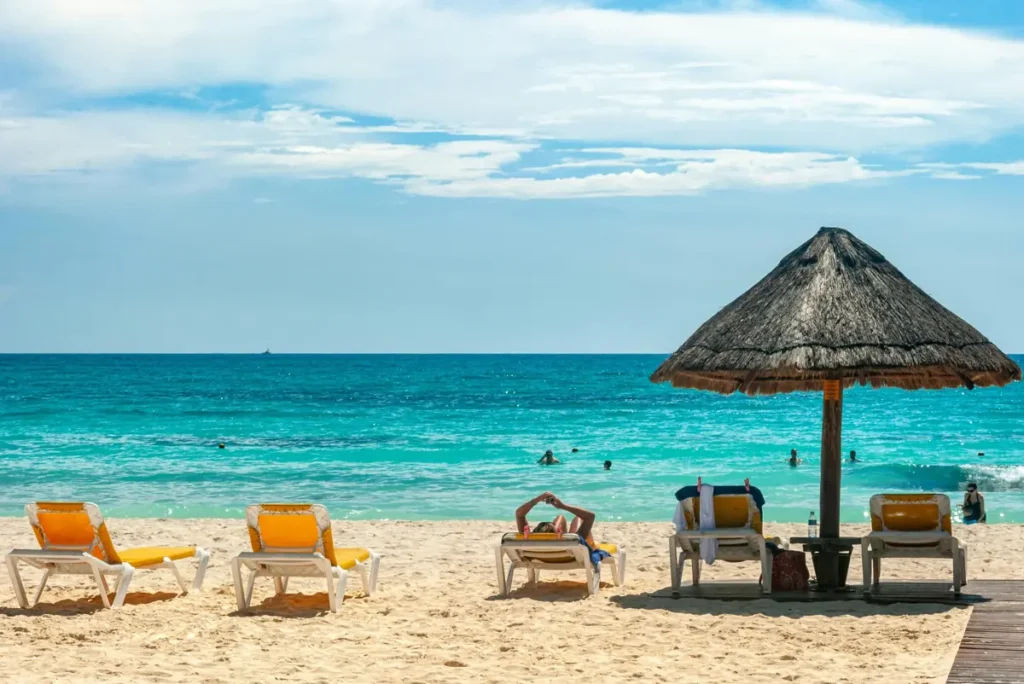
For digital nomads, November through April offers the sweet spot: stable weather, consistent electricity, and the best surf conditions. January and February tend to be peak tourist months, which means slightly higher accommodation prices but also a more vibrant nomad community to network with. Shoulder months like November and March offer excellent value, lower room rates, and nearly perfect weather.
Cost of Living Breakdown for Digital Nomads
One of the biggest draws of this remote work beach in Sri Lanka is how far your dollar, euro, or pound goes. Based on real spending data from nomads who’ve settled in the bay for weeks or months at a time, here’s a realistic monthly cost breakdown:
| Expense Category | Budget ($) | Mid-Range ($) | Comfort ($) |
| Accommodation (monthly) | 250–350 | 400–650 | 700–1,200 |
| Food & Dining | 150–200 | 250–350 | 400–550 |
| Cafes & Co-working | 30–60 | 60–100 | 100–150 |
| Transport (tuk-tuks, scooter hire) | 30–50 | 60–100 | 100–150 |
| SIM Data + Internet Top-up | 10–20 | 20–40 | 40–60 |
| Leisure (surf, yoga, day trips) | 40–80 | 100–180 | 200–350 |
| TOTAL ESTIMATE | $510–760 | $890–1,420 | $1,540–2,460 |
Compared to Bali, Lisbon, or Chiang Mai, Hiriketiya still offers exceptional value, especially at the budget and mid-range levels. A full month of comfortable living with fast Wi-Fi and three solid meals a day can cost under $1,200, a figure that many established nomad hubs simply can’t match in 2024.
Quick Answer: Best Cafe for Remote Work in Hiriketiya
Dots Bay House and The Bay Hiriketiya are the most nomad-friendly cafes with consistent Wi-Fi, power outlets, and a laptop-welcoming vibe. Expect speeds of 10–25 Mbps on good days.
Top Cafes with Wi-Fi for Remote Work

Finding a good cafe to work from is usually the first challenge nomads face in any new destination. In Hiriketiya, the cafe scene is small but surprisingly well-suited for remote work. Most spots are open-air, shaded, and positioned to catch the sea breeze, something any overheating MacBook owner will appreciate.
- Dots Bay House: Reliable Wi-Fi, great smoothies, chill atmosphere, often has digital nomads present
- The Bay Hiriketiya: Beach-facing, fast enough connection for video calls, serves quality food
- Hello Hiriketiya: Popular breakfast spot, limited sockets but decent signal
- Roo Cafe: Quieter, tucked slightly inland, good for focused deep-work sessions
Most cafes do not charge a separate co-working fee; buying a coffee or meal grants you access for several hours. During peak season, it’s polite (and practical) to purchase something every two to three hours to secure your spot.
Looking to explore more? Discover these Hiriketiya Hidden Beaches Nearby: 6 Secret Coastal Areas You Can’t Miss for a quieter, off-the-beaten-path experience.
Best Co-working & Work-Friendly Spaces
Unlike Canggu or Medellin, Hiriketiya doesn’t yet have a purpose-built co-working hub. However, several guesthouses and boutique stays have begun offering dedicated work desks and private Wi-Fi zones for their guests. Dune Hiriketiya and Dots Bay House have both established semi-structured work environments with stable enough connectivity to support developers, designers, and content professionals working full-time hours.
The absence of a formal co-working space is actually a feature for many nomads; it filters out large digital nomad crowds and preserves the intimate, low-key culture of the bay. As this Sri Lanka nomad destination continues to grow in popularity, dedicated co-working infrastructure will likely follow, but for now, the cafe-as-office model works well.
Quick Answer: Where to Stay in Hiriketiya
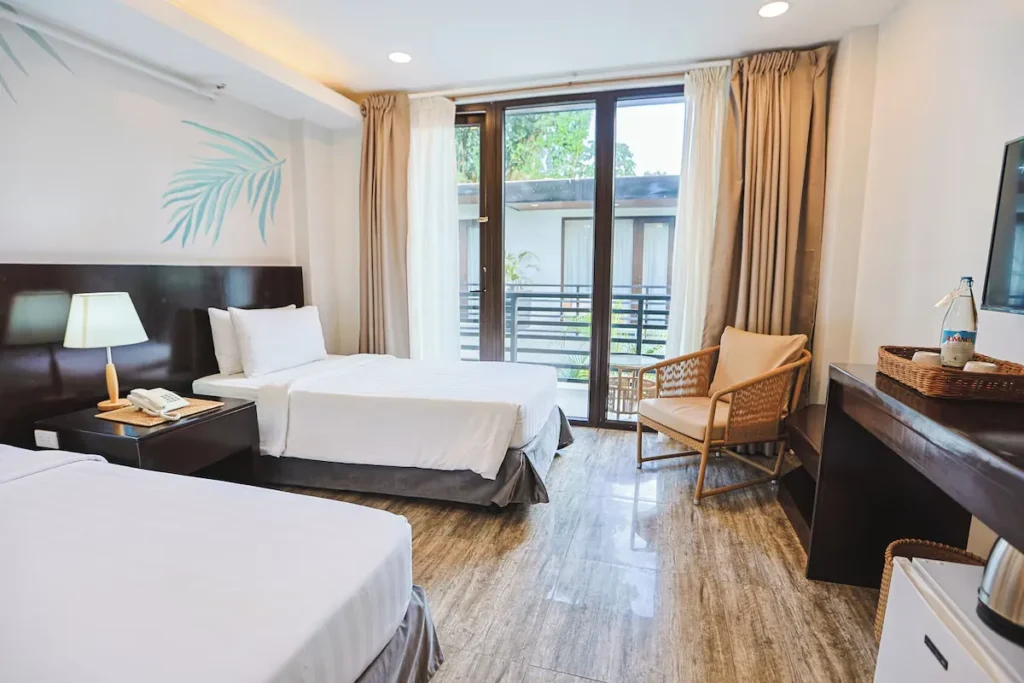
For budget stays, look for guesthouses around the back of the bay at $15–25/night. Mid-range boutique rooms at Dots Bay House or Dune run $40–80/night. Luxury options like The Loft or private villas can reach $120–200/night.
Accommodation Options: Budget to Luxury Stays
| Stay Type | Price/Night | Best For | Wi-Fi Quality |
| Budget guesthouses | $12–25 | Long-term solo nomads | Basic / variable |
| Mid-range boutique stays | $35–80 | Couples, comfort seekers | Good (10–25 Mbps) |
| Dune Hiriketiya | $60–100 | Work + surf balance | Good to very good |
| Dots Bay House | $50–90 | Community vibe, cafe access | Good |
| Private villas | $100–220 | Families, longer stays | Usually excellent |
| Monthly rentals (local) | $250–450/mo | 1–3 month stays | Variable, upgradeable |
Negotiating monthly rates directly with guesthouse owners is a well-established practice in Hiriketiya. If you’re planning a stay of four weeks or longer, always ask for a monthly deal; you can typically shave 25–40% off the nightly rate, sometimes more during low season.
Quick Answer: Which SIM Card is Best in Hiriketiya?
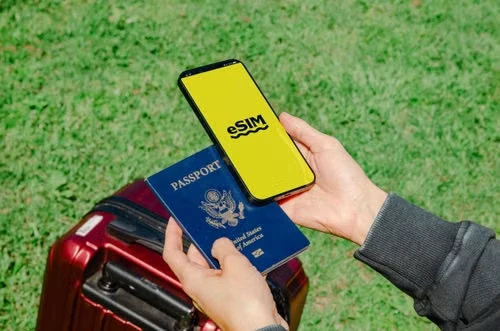
Dialog and Mobitel are the two most reliable networks in the Hiriketiya area. Dialog offers better 4G coverage and data packages. A 15 GB data pack costs approximately $5–7 USD and is sufficient for moderate work use.
Internet Speed, SIM Cards & Connectivity Tips
Internet reliability is the make-or-break factor for remote work, and Hiriketiya sits in a decent, though imperfect, position. Fixed-line fiber is not yet widely available in the bay, so most nomads rely on a combination of guesthouse Wi-Fi and personal mobile data as a backup.
- Dialog 4G: Best coverage, fastest speeds in the area, widely available SIM
- Mobitel: Good alternative, useful in areas where the Dialog signal dips
- Buy your SIM at Colombo Airport: Easiest and cheapest way to get set up
- Use a dual-SIM phone: Carry both Dialog and Mobitel for uninterrupted work sessions
- Speed expectations: 10–30 Mbps download on a good day; plan offline work during storms
For developers or data-heavy professionals, investing in a 4G LTE router with a Dialog SIM and a local monthly data plan is a smart move. Several nomads report sustaining 20–25 Mbps consistently through this setup, which comfortably supports video conferencing, cloud uploads, and real-time collaboration tools.
Daily Life: Food, Transport & Essentials
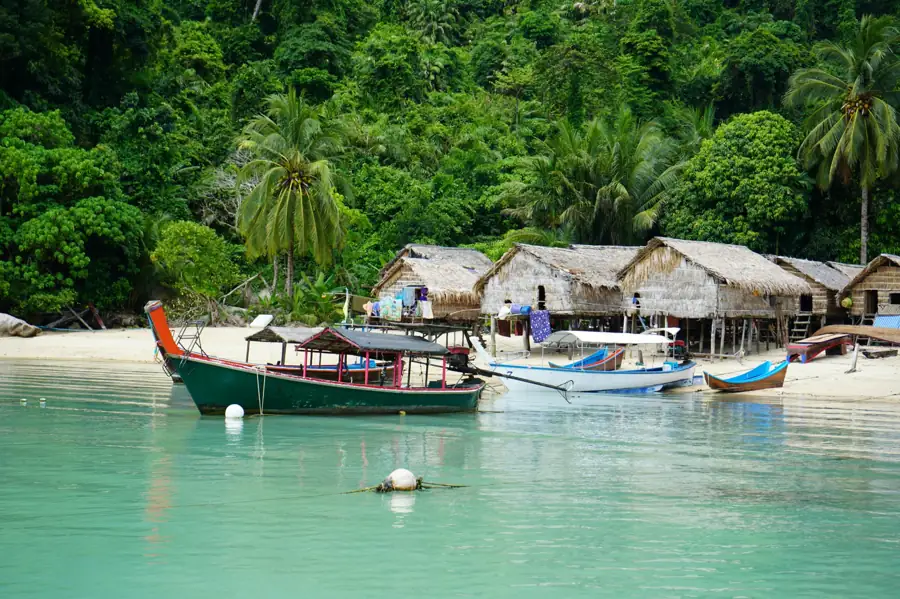
Life in Hiriketiya follows a rhythm that most nomads quickly grow to love. Mornings typically start with fresh fruit, a strong Sri Lankan tea or flat white, and a few hours of deep work before the heat peaks. Lunch is best eaten at one of the local ‘rice and curry’ spots just outside the main bay road, where a heaped plate of dhal, jackfruit curry, and coconut sambol costs under $2.
The village has a small pharmacy, a couple of minimarkets stocking essentials, and a weekly fresh produce market in nearby Dikwella. For anything beyond basics, a proper supermarket, ATM, or international bank, Matara (40 minutes by tuk-tuk) is your go-to. Transport within the bay is foot-powered; a scooter rental ($7–10 per day) unlocks day trips to Mirissa, Tangalle, and the famous Blow Hole at Kudawella. Tuk-tuks are plentiful and usually cost $1–3 for short hops.
Quick Answer: Is Hiriketiya Good for Beginners at Surfing?
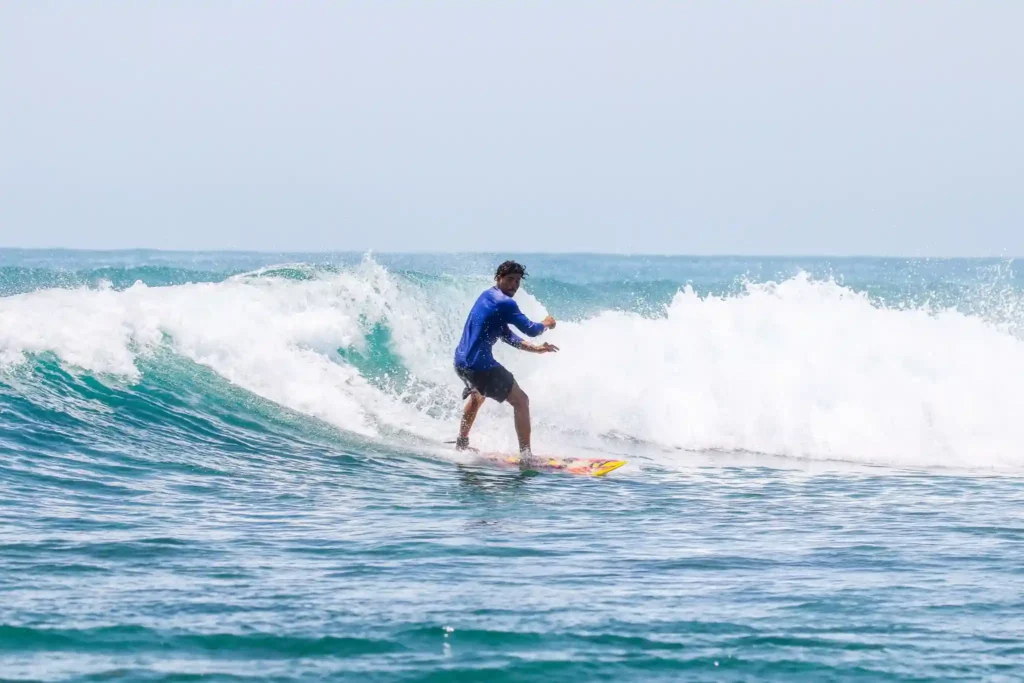
Yes. The horseshoe bay creates a sheltered swell ideal for beginner and intermediate surfers. Lessons start at around $20–30 per session. Advanced surfers should head to nearby Midigama or Weligama for more challenging breaks.
Things to Do After Work: Surf, Yoga & Chill Spots
The after-work lifestyle in Hiriketiya is one of the most compelling reasons nomads choose this bay over other work-from-beach destinations in Asia. Surfing, yoga, and community bonfires form the backbone of evening culture here.
- Surfing: Multiple surf schools operate on the beach; board rentals from $8–12/day
- Yoga: Several guesthouses offer daily sunrise and sunset sessions, often free for guests
- Swimming: The bay is calm enough for daily swims year-round (outside monsoon)
- Day trips: Mirissa whale watching, Galle Fort (1.5 hrs), Udawalawe National Park
- Evening social: Sunset drinks at Dots Bay or bonfire nights on the beach are a regular thing
Having genuine post-work activities that don’t involve screens is one of the underrated health benefits of the Hiriketiya nomad lifestyle. The surf community here actively supports work-life balance in a way that few urban co-working hubs can replicate.
Safety, Visa & Practical Travel Tips

Sri Lanka issues a 30-day Electronic Travel Authorization (ETA) on arrival, extendable to 90 days through the Department of Immigration in Colombo. The ETA costs $35 USD and should be applied for online before departure at www.eta.gov.lk. Hiriketiya itself is extremely safe, petty crime is rare, locals are genuinely hospitable, and solo travelers (including women) consistently report feeling comfortable. Practical tips worth knowing:
- Always carry cash (Sri Lankan Rupees), many places don’t accept cards
- Drink bottled or filtered water only; tap water is not potable
- Respect local customs around temples and conservative dress in villages
- Travel insurance with medical coverage is strongly recommended
- Register with your embassy if staying longer than 30 days
Quick Answer: Is Hiriketiya Right for Every Digital Nomad?
Hiriketiya is ideal for nomads who value nature, community, and low cost of living over urban amenities and fast infrastructure. It is not the right base for those requiring 50+ Mbps dedicated fiber, frequent international flights, or a large co-working ecosystem.
Pros and Cons of Living in Hiriketiya as a Nomad
| Pros | Cons |
| Very low cost of living vs. quality of life | No dedicated co-working space yet |
| Strong surf and yoga community | The Internet can be inconsistent during storms. |
| Beautiful natural setting, low crowds | Limited nightlife and entertainment options |
| Friendly, authentic local culture | ATMs and banks require a trip to Matara. |
| Growing nomad community, easy to meet people | Power cuts can occur in the monsoon season |
| A 30–90-day visa is easy to obtain | Limited flight connectivity (nearest airport: Colombo) |
| Year-round warm weather (outside monsoon) | Not suitable for high-bandwidth, intensive work reliably |
Planning your trip? Don’t miss our complete Hiriketiya Beach Travel Guide (2026) for the best things to do, where to stay, and insider tips.
Conclusion: Is Hiriketiya Worth It for Digital Nomads?
After weighing everything, the costs, the connectivity, the culture, and the community, the answer for most location-independent professionals is a resounding yes. Hiriketiya delivers a quality of life that very few beach destinations can match at this price point. It’s not flawless: the internet won’t always cooperate, and you’ll occasionally need to plan around power dips.
But the combination of a low cost of living, genuine local warmth, world-class surf, and a growing community of like-minded professionals makes it one of South Asia’s most exciting remote work beach locations to watch. If you approach it as a medium-term base, somewhere between one and three months, you’ll leave with better work habits, an improved surfboard stance, and probably a mild addiction to rice and curry. This hiriketiya remote work destination punches well above its weight, and based on the trajectory of nomad interest over the last two years, the time to go is now, before the crowds catch on.
Frequently Asked Questions (FAQs)
Q1: Is Hiriketiya good for digital nomads?
Yes. Hiriketiya is an excellent base for digital nomads who prioritize natural beauty, low cost of living, a surf-friendly lifestyle, and a tight-knit community. Wi-Fi quality is adequate for most remote work tasks when combined with a local SIM card as a backup.
Q2: What is the average cost of living in Hiriketiya per month?
A comfortable digital nomad lifestyle in Hiriketiya typically costs between $900 and $1,400 per month, covering accommodation, food, transport, internet, and leisure. Budget-conscious travelers can get by on $600–750/month.
Q3: What is the best SIM card for internet in Hiriketiya?
Dialog is widely regarded as the best SIM card for internet connectivity in Hiriketiya. It offers the strongest 4G signal in the area and affordable data packages. Mobitel is a useful secondary option.
Q4: Can I extend my visa in Sri Lanka as a digital nomad?
Yes. Sri Lanka’s ETA grants 30 days on arrival and can be extended to 90 days by visiting the Department of Immigration and Emigration in Colombo or applying through an authorized visa agent locally.
Q5: When is the best time to visit Hiriketiya for remote work?
November through April is the best period for working remotely from Hiriketiya. The weather is dry, surf conditions are ideal, and connectivity is at its most stable. Avoid the southwest monsoon (May–September) for extended stays.
Q6: Are there co-working spaces in Hiriketiya?
There are currently no dedicated co-working spaces in Hiriketiya. However, several cafes such as Dots Bay House and The Bay Hiriketiya function as informal work hubs with adequate Wi-Fi and a nomad-friendly atmosphere.
Q7: Is Hiriketiya safe for solo female travelers and nomads?
Yes. Hiriketiya is consistently rated as one of the safer beach destinations in Sri Lanka. Crime rates are very low, locals are hospitable, and the nomad community is welcoming. As with any destination, basic travel awareness is recommended.