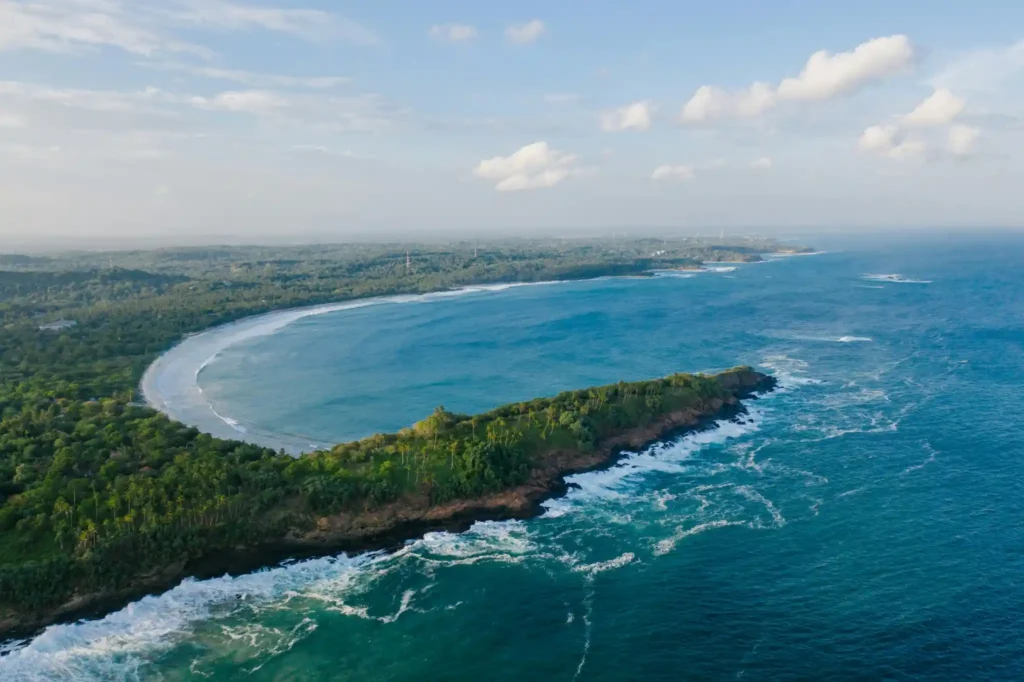
Hiriketiya and Mirissa are two beach towns on the south coast of Sri Lanka. They are only about 20 minutes apart by car, but they feel very different. Hiriketiya is a small, round bay with calm water, easy waves, and a quiet, relaxed feel. It is popular with surfers and people who like yoga. Mirissa is a longer beach with palm trees, and it is famous for whale watching boats, fresh seafood, and beach bars that stay open late at night.
When people search for Hiriketiya vs Mirissa Beach, they usually want to know which one best fits their travel style. Pick Hiriketiya if you want peace, good surf, and a small, cozy town. Pick Mirissa if you want more restaurants, activities, and a livelier nightlife. In the end, Hiriketiya vs Mirissa beach comes down to one simple thing: do you want a calm getaway or a lively beach town?
Hiriketiya vs Mirissa Beach: Quick Comparison Table
| Feature | Hiriketiya Beach | Mirissa Beach |
| Best For | Surfers, couples, slow travellers | Nightlife, whale watching, first-timers |
| Atmosphere | Calm, boutique, laid-back | Busy, social, energetic |
| Surfing | Excellent for beginners/intermediate | Limited and inconsistent |
| Nightlife | Very low-key | Strong beach party scene |
| Whale Watching | No direct departures | Best base in Sri Lanka |
| Food Scene | High-quality cafés & healthy eats | More variety, mixed quality |
| Luxury Hotels | Limited | Strong range available |
| Crowds | Lower year-round | Busy in peak season |
| Best For Couples | Peaceful romantic vibe | Fun + activity-focused |
| Budget Level | Better value overall | Pricier in peak season |
Quick Comparison:
- Choose Hiriketiya if you want surf, calm vibes, cafés, and authenticity.
- Choose Mirissa if you want nightlife, whale watching, and convenience.
Hiriketiya Beach Overview: A Hidden Horseshoe Bay Vibe
Hiriketiya is a small, crescent-shaped bay tucked just a few kilometres past Dickwella on the southern coast. Until about 2016, it was almost entirely off the radar. Today, it holds cult status among surfers, digital nomads, and slow travellers who discovered it before the crowds arrived, and who desperately want to keep it that way.
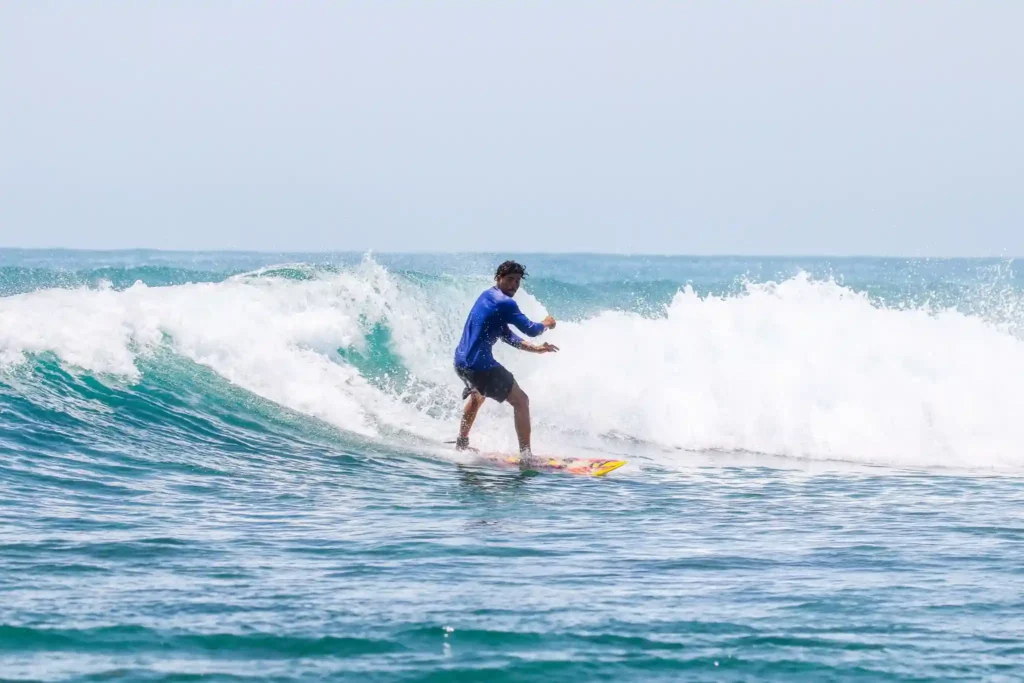
The beach wraps around a protected bay, which creates an incredibly consistent wave that breaks gently enough for beginners but still offers enough punch for intermediate surfers. Unlike many exposed surf beaches, the horseshoe shape means the water stays relatively calm inside the bay, making it safe for swimming even when surf is running.
What makes Hiriketiya stand out:
- A deeply relaxed, community-driven atmosphere where everyone seems to know everyone within a day
- A thriving café culture with specialty coffee, açaí bowls, and plant-based menus alongside fresh Sri Lankan curries
- Accommodation skewed toward boutique guesthouses, surf hostels, and eco-friendly stays
- No large resort developments, it has deliberately stayed small
The village itself is genuinely local. Fishing boats still launch from the sand at dawn, and tuk-tuks outnumber taxis. That authenticity is precisely what draws travellers who want to feel embedded in a place rather than merely visiting it.
Don’t just choose, experience it fully. Follow this perfect 3-day Hiriketiya Beach itinerary to surf better waves, find the best cafés, and unlock the hidden side of the bay.
Mirissa Beach Overview: A Lively Tourist Hotspot
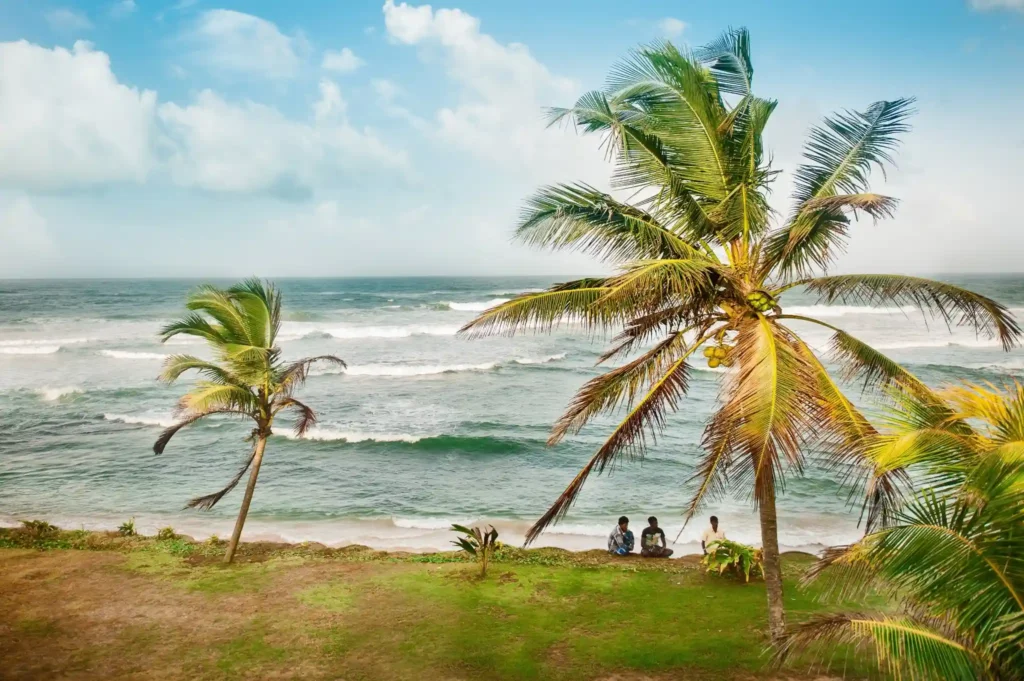
Mirissa needs far less introduction. It has spent the better part of a decade firmly on the Southeast Asia backpacker trail and has grown accordingly. The beach is a longer, wider sweep of golden sand flanked by coconut palms and framed by Parrot Rock, a small island formation at the eastern end that makes for one of the most photographed sunsets in Sri Lanka.
What Mirissa offers is scale and convenience. The main beach road is lined with restaurants, tour operators, beach bars, and guesthouses ranging from budget dormitories to boutique hotels with ocean views. During peak season (November to April), the strip pulses with energy from early morning whale-watching boat departures right through to late-night beach parties.
Mirissa’s fame is largely built on two things: whale watching and party culture. The waters off Mirissa are among the best in the world to spot blue whales and sperm whales between December and April, a fact backed by marine biologists who have documented consistent cetacean activity in these waters for decades. That globally recognised attraction draws visitors of all ages and travel styles, giving Mirissa a more diverse crowd than Hiriketiya’s surf-centric community.
Quick Answer: Which Beach is Better for Surfing?
Hiriketiya is better for beginner and intermediate surfers due to its protected bay, consistent wave shape, and gentle shore break. Mirissa has occasional surf but is not a dedicated surf destination and offers unpredictable, often messy conditions.
Surfing Comparison: Waves, Skill Levels & Best Seasons
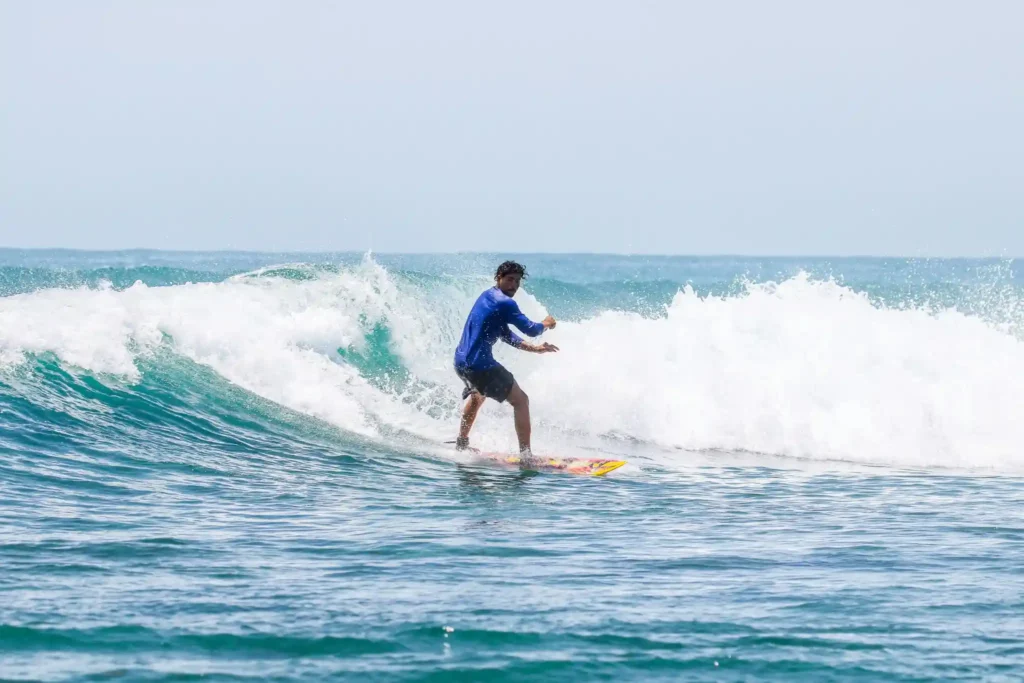
For anyone coming to the south coast primarily to surf, this comparison is critical. Both beaches offer surfing, but they serve very different surfers.
| Feature | Hiriketiya | Mirissa |
| Wave consistency | High bay creates reliable swells | Low, exposed, irregular breaks |
| Best for | Beginners to intermediate | Casual swimmers, not surfers |
| Surf schools | Multiple established schools on-site | Limited options |
| Best surf season | May to October (southwest swell) | Not a primary surf season |
| Wave height average | 1–3 feet (bay conditions) | Variable, often flat |
Hiriketiya’s surf schools have been operating for several years, with certified instructors offering structured lessons from two hours to full week-long packages. Several surf coaches based here have ISA (International Surfing Association) qualifications, ensuring that beginner surfers receive proper technique coaching rather than just being pushed into waves.
What Kind of Atmosphere Does Hiriketiya Have?
Hiriketiya has a slow, intentional, community-oriented atmosphere with minimal noise, no loud beach bars, and a crowd largely made up of surfers, yogis, and long-stay travellers. Evenings are quiet; the social scene revolves around café terraces and guesthouse rooftops.
Crowd & Atmosphere: Peaceful Escape vs Social Energy
This is arguably the most important comparison for most travellers, because it defines the emotional texture of your stay.
Mirissa, by contrast, runs at a consistently higher energy frequency. The beach is rarely quiet between November and April. Morning whale-watching boats create early energy, the midday beach fills with sunbathers and vendors, and by evening the bars along the strip light up. It is vibrant and fun, but if you’re seeking stillness, it will feel relentless.
The crowd composition also differs meaningfully. Hiriketiya tends to attract:
- Surfers staying one to three weeks
- Digital nomads working remotely from café-guesthouses
- Couples and solo travellers in their mid-20s to mid-40s
- Yoga and wellness retreat participants
Mirissa draws a broader demographic: families, honeymooners, group travellers, backpackers, and day-trippers who come specifically for whale watching or simply for the famous sunset.
Accommodation Options: Budget to Luxury Stays
What Are the Best Places to Stay in Hiriketiya vs Mirissa? (Quick Answer)
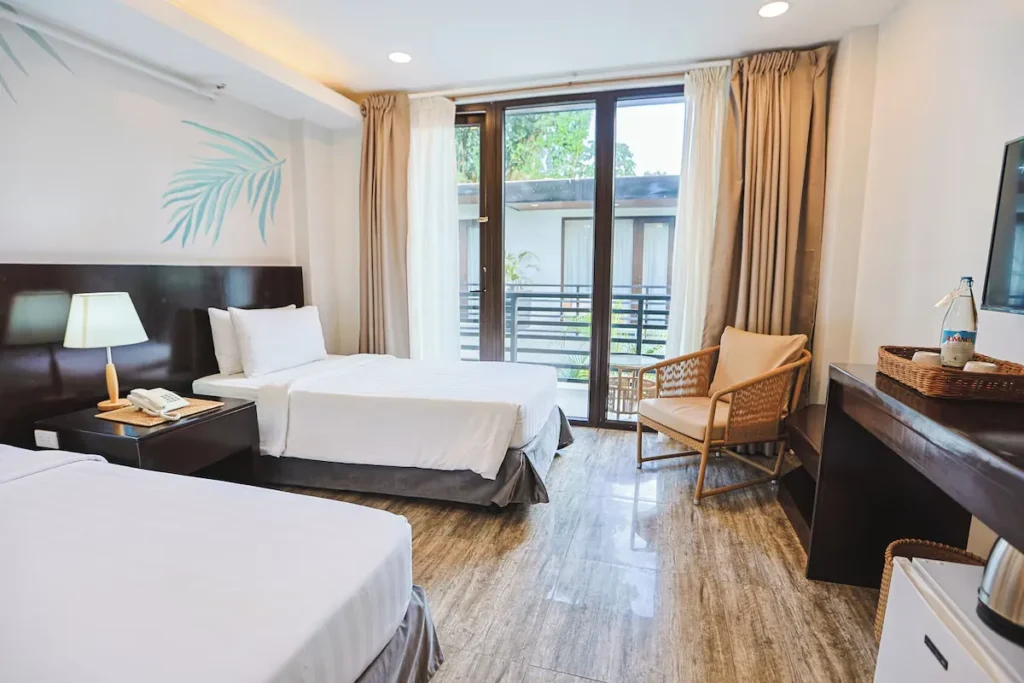
In Hiriketiya, budget travellers can find dormitory beds from around $8–$12 USD per night, while mid-range private rooms in boutique surf guesthouses run $25–$60. Luxury options are limited; the most premium stays are stylish eco-lodges and design-forward surf villas at $100; $200 per night. In Mirissa, the range is wider: budget rooms start similarly, but large boutique hotels and pool villas push into the $150–$400 range during peak season.
| Accommodation Type | Hiriketiya (USD/night) | Mirissa (USD/night) |
| Budget dorm | $8–$15 | $10–$18 |
| Mid-range private room | $25–$60 | $30–$80 |
| Boutique hotel | $60–$120 | $80–$200 |
| Luxury villa/hotel | $120–$200 | $150–$400 |
Booking well in advance is strongly advised for both destinations during December to March. During peak whale-watching season, Mirissa in particular sells out weeks ahead, and last-minute arrivals often find themselves paying premium prices or travelling further inland.
What Is the Food Scene Like in Hiriketiya vs Mirissa?
Hiriketiya’s food scene punches dramatically above its size. A cluster of genuinely excellent cafés and small restaurants serve everything from proper espresso and sourdough toast to Sri Lankan rice and curry, fresh tuna steaks, and inventive fusion menus. The quality-to-price ratio is outstanding, and because the community is tight-knit, restaurant owners take real pride in their menus.
Food & Nightlife: Cafés, Seafood & Beach Parties
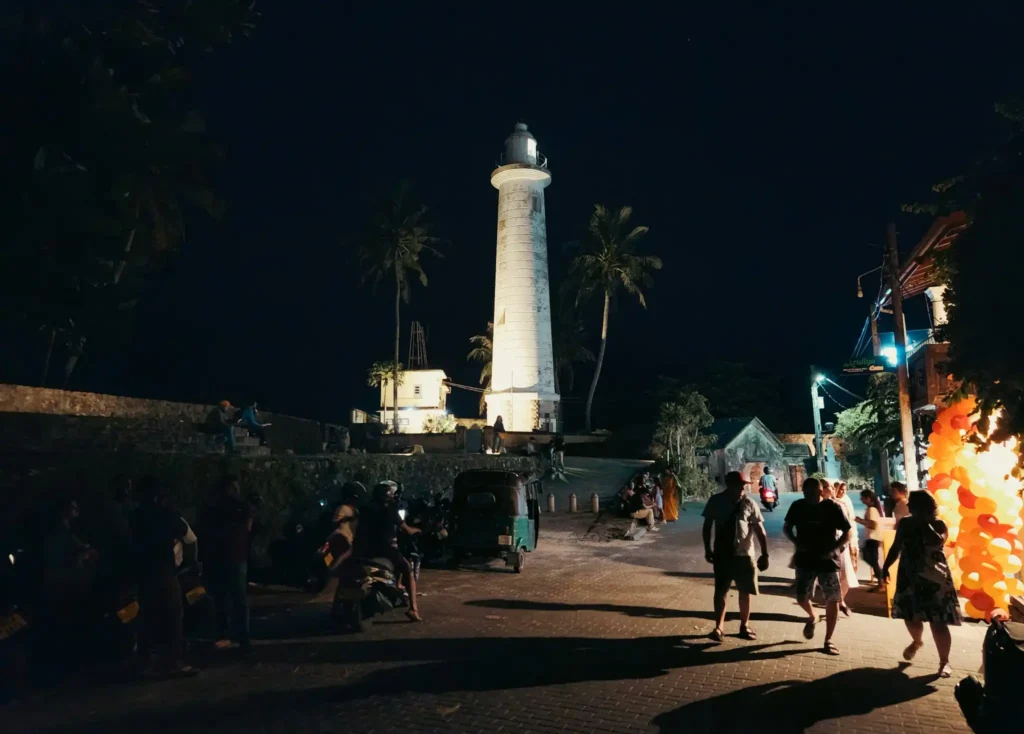
Mirissa’s dining is more expensive but less consistent. The main strip has dozens of restaurants, and quality varies enormously. The best spots, particularly those serving fresh seafood grilled to order, are genuinely excellent. However, tourist-trap menus with inflated prices are common, and doing your research before sitting down matters more here than in Hiriketiya.
For nightlife, the gap is significant. Hiriketiya has virtually none, a couple of low-key bars that close before midnight. Mirissa has beach parties, bars with DJ nights, cocktail buckets, and the kind of social scene that makes it a genuine nightlife destination during peak season.
Can You Go Whale Watching from Both Beaches?
Whale watching tours depart primarily from Mirissa Harbour, not from Hiriketiya. While some operators run transfers from nearby towns, including Dickwella (closest to Hiriketiya), guests staying in Hiriketiya will typically need a 30–45 minute tuk-tuk ride to reach departure points. From Mirissa, you walk to the harbour.
Activities Beyond the Beach: Whale Watching & More
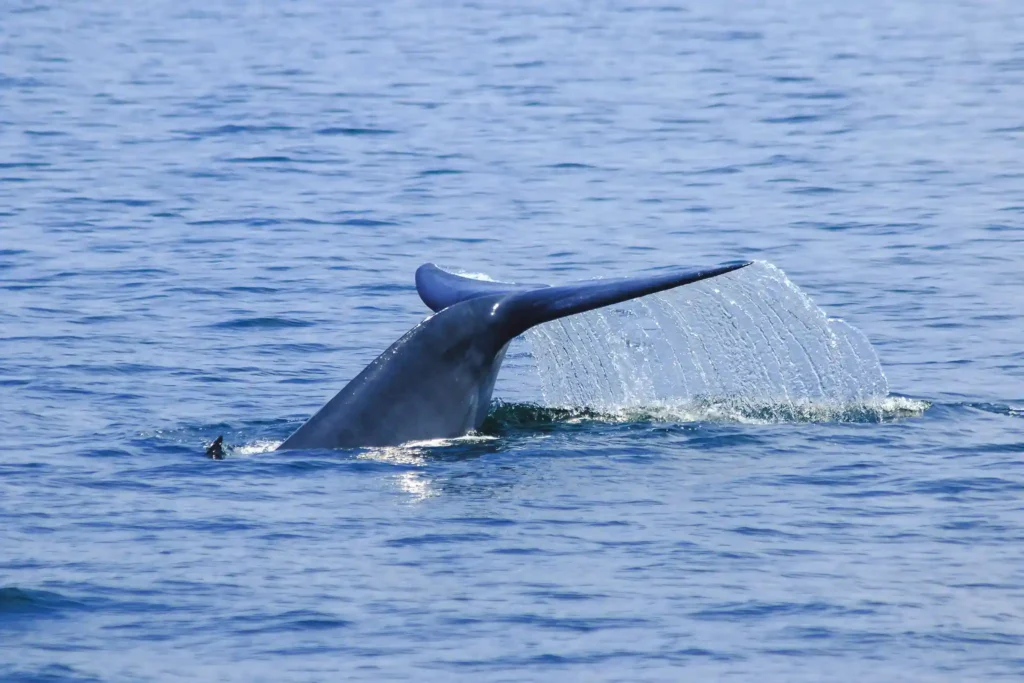
Both destinations sit within reach of Sri Lanka’s most impressive natural and cultural attractions, but Mirissa holds a decisive advantage in one area: whale watching.
Beyond whale watching, activities available across both areas include:
- Snorkelling and freediving
- Yoga and meditation retreats
- Cooking classes featuring authentic Sri Lankan cuisine
- Day trips to the Galle Fort (a UNESCO World Heritage Site roughly 1.5–2 hours west)
- Turtle watching at Rekawa Beach (closer to Hiriketiya)
- Sunset boat tours
The Rekawa Turtle Conservation Project near Tangalle, just east of Hiriketiya, offers one of the most authentic wildlife experiences on the south coast, with nightly turtle nesting watches run by local conservationists, with zero commercialisation. It is a genuinely moving experience that most Mirissa-based visitors miss entirely.
Want the full picture before you go? Dive into our Hiriketiya Beach Travel Guide to uncover where to stay, eat, surf, and experience this hidden gem.
Accessibility & Location: Getting There & Convenience
How Do You Get to Hiriketiya and Mirissa?
Both beaches are reachable from Colombo via the Southern Expressway. The drive to Mirissa takes approximately 2.5–3 hours; Hiriketiya adds roughly 30–45 minutes more. Neither has direct public transport, so most travellers use private taxis (bookable at Colombo airport), intercity buses to Matara or Dikwella, followed by local tuk-tuks, or pre-arranged guesthouse pickups.
| Logistics Factor | Hiriketiya | Mirissa |
| Distance from Colombo | ~180 km | ~150 km |
| Drive time | ~3.5–4 hours | ~2.5–3 hours |
| Nearest town | Dickwella (5 km) | Weligama (7 km) |
| ATMs nearby | Dickwella (limited) | On the main strip |
| Mobile connectivity | Good (Hutch/Dialog 4G) | Excellent |
Mirissa wins on raw convenience. ATMs, pharmacies, tour booking offices, and reliable internet are all immediately accessible. Hiriketiya requires a short tuk-tuk ride to Dickwella for banking and supplies, but most long-stay travellers find this a minor inconvenience rather than a problem.
Best Time to Visit: Weather & Travel Seasons
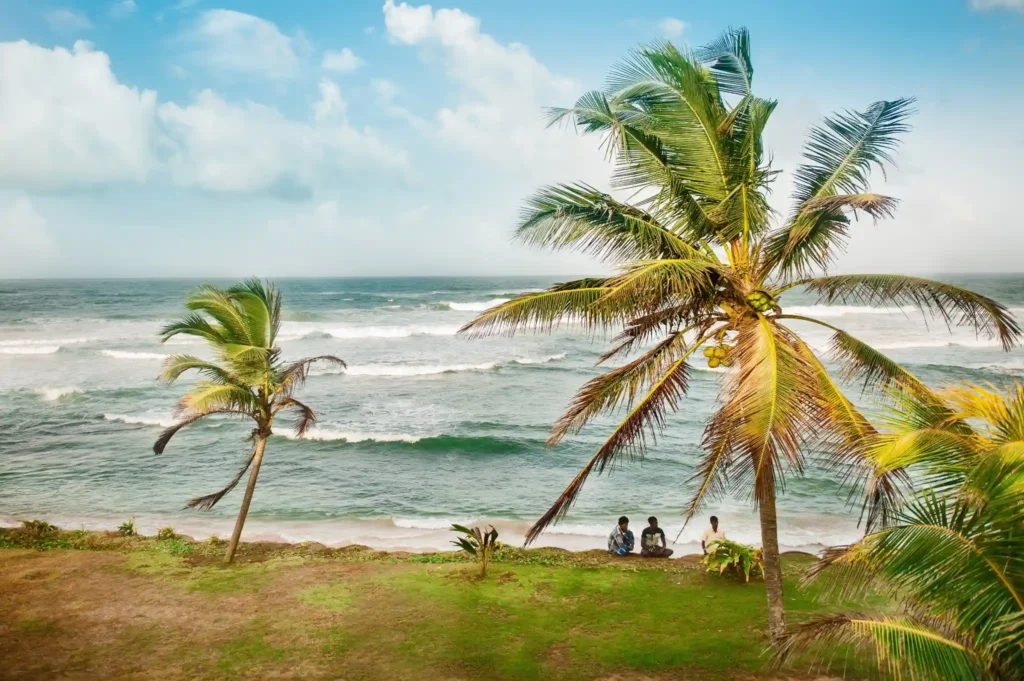
When Is the Best Time to Visit Hiriketiya and Mirissa?
The south coast experiences its best weather from November to April, when the northeast monsoon brings calm seas, sunny skies, and warm temperatures averaging 28–32°C. This is peak season for both beaches, and also peak season for whale watching in Mirissa.
For surfing in Hiriketiya, however, the southwest monsoon season (May to October) actually delivers better waves, even though the weather is less predictable and rainfall increases. Experienced surfers often prefer visiting during this shoulder period precisely because crowds thin dramatically and accommodation prices drop by 30–50%.
May through August offers a compelling combination: better surf, lower prices, fewer tourists, and Hiriketiya at its most genuine. Mirissa, during the same period, is significantly quieter; whale watching season has ended, and the beach party crowd largely disappears.
Pros & Cons: Quick Side-by-Side Comparison
Hiriketiya
Pros: Intimate community feel, excellent, consistent surf for beginners, outstanding café culture, authentic local atmosphere, proximity to Rekawa turtles, and lower crowds year-round.
Cons: Limited nightlife, fewer ATMs and facilities, smaller restaurant variety, no direct whale watching access, and fewer luxury accommodation options.
Mirissa
Pros: World-class whale watching, vibrant nightlife, wider accommodation range including luxury hotels, excellent transport links, diverse food scene, and iconic sunsets at Parrot Rock.
Cons: Noticeably more crowded in peak season, inconsistent restaurant quality, higher prices from November to April, and less authentic local feel compared to Hiriketiya.
Final words: Which Beach is Right for You?
After spending real time at both, surfing mornings at Hiriketiya, watching blue whales breach off Mirissa’s coast, eating too much fresh tuna at both, the honest answer is that neither beach is objectively better. They simply serve different travellers beautifully.
Choose Hiriketiya if you want to slow down, learn to surf, eat exceptionally well, and feel genuinely embedded in a small beach community. Choose Mirissa if you want whale watching, a social scene, convenience, and the full-spectrum Sri Lanka beach holiday experience.
The smartest move? Split your South Coast time between both. Three or four nights at each gives you the meditative calm of Hiriketiya and the spectacle of Mirissa, and that combination makes for one of the finest beach itineraries in all of Southeast Asia.
The debate of Hiriketiya vs Mirissa Beach ultimately comes down to your personal travel style, and now you have everything you need to make the right call.
FAQs
1. Is Hiriketiya or Mirissa better for first-time visitors to Sri Lanka?
Both are excellent choices, but it depends on your travel style. Hiriketiya suits travellers wanting a laid-back surf town with a boutique feel, while Mirissa is better for those seeking nightlife, whale watching, and a livelier tourist scene.
2. Which beach is better for surfing: Hiriketiya or Mirissa?
Hiriketiya is the clear winner for surfing, especially for beginners and intermediate surfers. Its protected bay creates cleaner, more reliable waves, while Mirissa has less consistent surf conditions.
3. Is Mirissa more crowded than Hiriketiya?
Yes. Mirissa is one of Sri Lanka’s most popular south coast beach destinations, so it becomes much busier during peak season (November to April). Hiriketiya is generally quieter and more relaxed.
4. Can you go whale watching from Hiriketiya?
Most whale watching tours depart from Mirissa Harbour. If staying in Hiriketiya, travellers usually need a 30–45 minute tuk-tuk ride to Mirissa to join a tour.
5. Which beach has better nightlife?
Mirissa has far better nightlife, with beach bars, parties, cocktail spots, and DJ nights. Hiriketiya has a quieter evening scene focused on cafés and relaxed social spots.
6. Is Hiriketiya cheaper than Mirissa?
Generally, yes. Hiriketiya often offers better value for boutique stays, surf hostels, and cafés. Mirissa can become more expensive during whale watching season and peak tourist months.
7. Which beach is better for couples?
Hiriketiya is ideal for couples wanting a peaceful, scenic, romantic getaway. Mirissa is better for couples who enjoy activities, nightlife, and a more energetic beach atmosphere.
8. How far apart are Hiriketiya and Mirissa?
They are approximately 35–40 km apart, depending on the route, and the journey usually takes around 45 minutes to 1 hour by tuk-tuk or taxi.
9. What is the best time to visit Hiriketiya and Mirissa?
The best weather on Sri Lanka’s south coast is from November to April. For surfing, Hiriketiya is also popular from May to October when swells improve.
10. Should I stay in Hiriketiya or Mirissa?
Stay in Hiriketiya if you want surf, wellness, and calm vibes. Stay in Mirissa if you want convenience, nightlife, whale watching, and a classic Sri Lanka beach holiday. Many travellers split time between both.