
If you’ve been asking yourself, “Is Pulau Kapas worth visiting?” while piecing together a Malaysia trip, you’re asking a smarter question than most. Most travelers stumble onto Kapas through a forum post or a travel blog vague enough to be useless. The real answer to “Is Pulau Kapas worth visiting?” is yes, but it depends almost entirely on what kind of traveler you are.
This island doesn’t sell itself through glossy resort brochures. It earns its reputation through something rarer: actual water clarity, actual quiet, and actual reef that hasn’t been wrecked yet.
That said, there are things nobody mentions upfront. This guide covers all of them.
Where Exactly Is Pulau Kapas: And Why Do Travelers Keep Talking About It?
Pulau Kapas sits about 17 km off the coast of Marang, a small fishing town in Terengganu on Malaysia’s east coast. The ferry from Marang Jetty takes 20 to 25 minutes and costs roughly RM 35 to RM 50 return per person, depending on the operator. It’s not remote in a grueling sense. Kuala Terengganu is only about 35 km away by road, and domestic flights into Kuala Terengganu Airport (TGG), managed by Malaysia Airports Holdings Berhad, run from Kuala Lumpur in under an hour.
The island is classified as a marine protected area under the Department of Marine Parks Malaysia, which falls under the Ministry of Natural Resources and Environmental Sustainability. That status matters. It limits commercial development, controls fishing activity, and keeps the reef in noticeably better shape than unprotected alternatives nearby.
The name “Kapas” means cotton in Malay, a reference to the white sand beaches visible from the water as you approach. It’s one of those names that turns out to be accurate.
Pulau Kapas Quick Facts
| Detail | Info |
| Distance from Marang Jetty | ~17 km |
| Ferry duration | 20 to 25 minutes |
| Return ferry cost | RM 35 to RM 50 per person |
| Island size | ~3.5 km long, ~1 km wide |
| Marine park status | Protected, Department of Marine Park Malaysia |
| Nearest airport | Kuala Terengganu Airport (TGG), ~35 km |
First Impressions: Is It Really as Peaceful as People Say?
Mostly yes, with one caveat.
On a regular weekday outside of school holidays, Pulau Kapas is genuinely calm. There are no persistent beach vendors, no tuk-tuks, no resort pools blasting music. The loudest sound is the surf hitting the shore and, occasionally, a boat engine pulling out from the jetty. Tourism Malaysia’s visit data for Terengganu consistently shows the island’s visitor volumes staying well below the Perhentian Islands, which makes the quiet feel real rather than marketed.
The caveat: Malaysian long weekends and school holidays flip the atmosphere considerably. When domestic tourism spikes, which the Terengganu State Parks Corporation notes peaks during April-May and July-August, the small island absorbs visitors quickly. Book ahead during those windows or adjust your expectations.
The Water at Pulau Kapas Feels Almost Unreal
This is what actually sells the island to people who’ve been there.
The water, particularly on the calmer western beaches, is a shade of turquoise that genuinely doesn’t look real in photos. Underwater visibility on a good dry-season day reaches 10 to 15 meters at the better reef spots. WWF-Malaysia’s marine conservation assessments for the Terengganu coastline have documented healthy coral coverage in several of the island’s protected reef zones, particularly on the northern and eastern sides where boat activity is lighter.
The first time you wade in, you’ll probably stop walking just to look down. The sand is white enough to reflect light through the water. It makes the whole thing look lit from below. That’s not just a nice touch; it’s the main reason people add this island to their itinerary and leave recommending it to everyone they know.
One thing that surprised me was how warm and calm the water felt, even early in the morning. Around 8 AM, the shoreline was almost silent except for small waves and a few snorkel boats pulling out slowly from the beach.
What You Can Actually Do on the Island Besides “Relax”
Pulau Kapas keeps things uncomplicated. No ziplines, no overpackaged water sport bundles, no themed bar crawls. What it offers is enough to fill two to three days without any filler:
- Snorkeling: Multiple reef spots within swimming distance of the main beaches. Gear rentals available from most chalets at RM 20 to RM 30 per set per day.
- Scuba diving: A handful of local operators offer dives, including a WWII-era wreck site in the surrounding waters.
- Kayaking: Chalet rentals run around RM 15 to RM 25 per hour. The eastern coves are worth paddling to.
- Jungle trekking: A short inland trail connects the main beach to quieter stretches on the eastern side, roughly 20 to 30 minutes one way.
- Open swimming: The shallows are calm enough for comfortable swimming during the dry season. Children and non-swimmers manage well.
- Photography: The reef, the cliffs, and the water color make this island very easy to photograph well.
Do You Really Need Your Own Snorkeling Gear on Pulau Kapas?
Yes, particularly if you care about mask fit. Rental gear is available, but quality is inconsistent; bringing your own mask and renting fins is a good middle ground.
Read more to experience Pulau Kapas before it gets popular, with everything you need to know for a relaxed and crowd-free island trip.
Snorkeling at Pulau Kapas: Worth Packing Gear For?
The reef quality varies by location. The spots farthest from boat traffic consistently perform better. Turtle Bay, one of the designated snorkel sites within the Department of Marine Park Malaysia’s protection zone, is the most reliable for wildlife sightings — green turtles, reef fish, and soft corals in reasonable condition. The Coral Garden area works well for beginners due to calmer water and shallower depth.
Morning sessions consistently beat afternoon. Wind picks up in the afternoon and reduces visibility. Plan your snorkel for the first two hours after you arrive.
Snorkeling Spot Comparison
| Spot | Best For | Difficulty | Best Season | Notes |
| Turtle Bay | Turtle sightings, reef fish | Easy | April to September | Protected marine zone |
| Coral Garden | Coral, shallow reef | Easy | Year-round | Good for beginners |
| Eastern Cove | Quiet water, variety | Moderate | April to August | Access via trail or kayak |
| Northern Reef | Visibility, deeper reef | Moderate | Dry season only | Calmer in mornings |
Quick Answer: Is 2–3 Days Enough to Experience Pulau Kapas?
Yes, two nights, three days is the ideal for most travelers.
How Many Days Do You Really Need Here?
A day trip from Marang is technically possible — the ferries allow it. But you’ll spend four to five hours in transit for roughly five to six hours on the island. That’s not enough to properly settle in, snorkel twice, and actually feel the island’s rhythm.
Two nights gives you everything: a full beach day, a sunset, a slow morning, a second snorkel session before the boats start running, and a relaxed checkout. Three nights suit divers or people who specifically want to do nothing at a serious level. Beyond that, the limited food variety and lack of activities will start to feel noticeable.
The Side of Pulau Kapas Most Instagram Posts Ignore
Here’s the part most travel content skips.
The island has a marine litter problem in certain areas. Ocean currents deposit plastic waste on some of the less-visited beaches, particularly on the eastern and northern stretches. Local resort operators and the Terengganu State Parks Corporation run periodic cleanup drives, and the Department of Marine Park Malaysia has ongoing waste management guidelines in place for all protected island zones in Malaysia. But on a small island with limited waste infrastructure and seasonal tourism pressure, this isn’t a solved problem.
You will probably see a plastic bottle or two at some point. It doesn’t ruin the experience. But going in knowing this is better than being blindsided when it looks different from the photos. Bring a small bag and take out what you bring in.
On the eastern side of the island, I noticed small piles of washed-up plastic tucked between rocks and driftwood. It wasn’t enough to ruin the experience, but it definitely made the island feel more real than the filtered versions online.
Is Pulau Kapas Better Than the Perhentian Islands?
Neither is objectively better. They target different travelers.
| Feature | Pulau Kapas | Perhentian Islands |
| Crowd level | Low to moderate | Moderate to high |
| Accommodation range | Budget to mid-range | Budget to mid-range |
| Snorkeling quality | Good to very good | Very good to excellent |
| Social/party atmosphere | Minimal | Available (Kecil side) |
| Total cost | Lower | Slightly higher |
| Ferry access | Easy (20 min from Marang) | Longer transfer from Kuala Besut |
| Diving infrastructure | Limited | More established |
| Domestic tourist volume | Lower | Higher |
Both sit under Malaysia’s marine park protection framework. Perhentian has more diversity, more nightlife options, and a more established diving scene. Pulau Kapas has a quieter, less commercialized atmosphere and lower prices. If you’ve already done the Perhentians and want something different, Kapas is a logical next step.
Food, Cafes & Beach Vibes: What the Island Feels Like After Sunset
There are no beach bars with curated cocktail menus on Pulau Kapas. That’s the whole point.
What exists after sunset is simple and good: chalet-side restaurants serving Malaysian standards, grilled fish, nasi goreng, mee goreng, fried rice, and fresh coconut. Dinner typically costs between RM 15 and RM 40 per person, depending on what you order. A few places do decent fresh seafood if you ask ahead.
One evening, almost every table near the beach stayed occupied long after dinner simply because nobody wanted to leave the view. The atmosphere felt more like a quiet fishing village than a tourist island.
The atmosphere after dark is surprisingly easy to like. Minimal light pollution means proper stars. You sit near the water on a plastic chair, eat something straightforward, and listen to the ocean. For a certain kind of traveler, that’s better than anything with a DJ and a cocktail list. For another kind, it’s going to feel limiting by night two. Know which type you are before you book.
How Expensive Is Staying on Pulau Kapas?
Budget rooms start at around RM 80 per night for a basic fan chalet. Beachfront bungalows with air conditioning and better bathrooms run RM 150 to RM 300 per night.
Pulau Kapas Budget Breakdown
| Expense | Typical Cost |
| Ferry (Return) | RM 35–50 |
| Chalet Stay | RM 80–300/night |
| Food | RM 15–40/meal |
| Snorkeling Gear | RM 20–30/day |
For most travelers, Pulau Kapas ends up significantly cheaper than Thailand’s island hotspots while feeling less commercialized.
Staying on Pulau Kapas: Budget Chalets or Beachfront Stays?
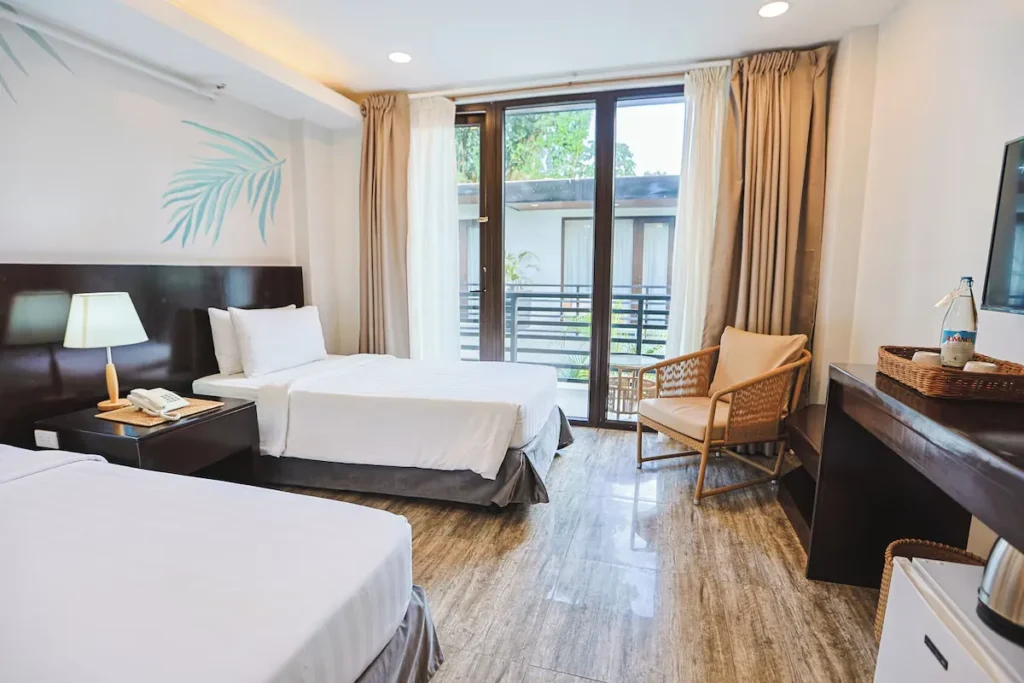
There is no luxury resort on Pulau Kapas. Every accommodation option is small-scale, locally run, and unpretentious. That keeps prices honest and the overall character of the island intact. Most chalets include a basic breakfast. WiFi is available but slow and unreliable across almost all properties.
Book ahead. The island has a limited total bed capacity. During April through September, particularly around Malaysian public holidays, popular chalets sell out weeks in advance. The Terengganu Tourism Board recommends confirming bookings at least three to four weeks before any long weekend visit during peak season.
When is the best time to visit Pulau Kapas?
March to October is the open window. The island closes November to February due to the northeast monsoon. Within the open season, April to early July offers the best combination of calm water, clear visibility, and manageable crowds.
The Best Time to Visit Pulau Kapas Without Ruining the Experience
Quick Answer: March to October is the open window. The island closes November to February due to the northeast monsoon. Within the open season, April to early July offers the best combination of calm water, clear visibility, and manageable crowds.
The Malaysian Meteorological Department classifies Terengganu’s east coast as one of Malaysia’s most monsoon-affected coastal regions between November and February. Ferry operators suspend services from Marang Jetty during this period, and virtually all chalets close. There is no option to visit during this window; it’s not just difficult, it’s physically inaccessible.
The July-August school holiday rush brings the highest domestic visitor volumes of the year. If you want the quiet version of Pulau Kapas, April through June is the more reliable choice.
Things I Wish I Knew Before Visiting Pulau Kapas
- No ATM on the island. Bring enough cash for your full stay plus a buffer for unexpected extras.
- Reef-safe sunscreen only. Chemical UV filters are banned in most Malaysian marine park zones. The Department of Marine Park Malaysia enforces this. Mineral-based SPF 50+ is the right call.
- Download everything before you leave Marang. Mobile data is weak across most of the island. Maps, bookings, and anything you might need, offline, before you board the ferry.
- The ferry doesn’t run in rough conditions. The weather can delay departures unpredictably. Build at least half a day of flexibility around your return date.
- Jellyfish appear occasionally, particularly after heavy rain. Ask the chalet staff before getting in if you’re not sure.
- Mosquitoes are active at dusk. Bring repellent or buy it from a chalet; this is a given on almost any island in this region.
- Bring extra cash because there’s no ATM anywhere on the island
- Download maps, ferry details, and hotel bookings before leaving Marang
- Pack reef-safe sunscreen since regular sunscreen harms coral zones
- Carry a dry bag because boats occasionally splash luggage during transfer
- Morning snorkeling is dramatically better than afternoon visibility
- Don’t expect fast WiFi even at higher-priced chalets
- Ferries can change timing quickly if weather conditions shift
So… Is Pulau Kapas Worth Visiting in 2026?
Yes. Clearly yes, given the right context.
For under RM 500 total, return ferry, two nights accommodation, and three days of food, you get access to a functioning protected reef, genuinely clear water, near-empty beaches, and a level of quiet that costs significantly more to find at comparable destinations in Thailand or Indonesia right now. The value-to-experience ratio here is unusually strong.
Is Pulau Kapas worth visiting for everyone? No. If you need nightlife, reliable connectivity, or resort-level facilities, you’ll run out of things to do before your first full day ends. But for travelers who came to actually be somewhere rather than scroll through it, this island delivers.
Quick Signs Pulau Kapas Is Perfect for You
You’ll probably enjoy Pulau Kapas if:
- Quiet beaches matter more to you than nightlife
- You enjoy snorkeling directly from the shore
- You prefer simple local stays over luxury resorts
- You don’t mind slower internet for a few days
- You want a less commercial island than Perhentian
This island may frustrate you if:
- You need strong WiFi for remote work
- You expect nightlife or social beach bars
- You dislike weather-related ferry uncertainty
- You prefer large resorts with full facilities
Final Thoughts: Who Will Love Pulau Kapas: And Who Probably Won’t
You’ll love Pulau Kapas if you:
- Want to genuinely disconnect, no screens, no notifications, no noise
- Snorkel or swim and care about reef quality
- Prefer fewer people over more options
- Are comfortable with basic, locally run accommodation and simple food
- Have two to three flexible days and a tolerance for slow travel
Pulau Kapas probably isn’t right for you if you:
- Need consistent WiFi or reliable mobile data for work
- Want nightlife, cocktails, or any kind of evening entertainment
- Are you traveling with toddlers or elderly family members with mobility concerns
- Only have one day and expect a complete island experience in it
- Dislike the unpredictability of weather-dependent ferry schedules
Pulau Kapas doesn’t pitch itself at you. It just sits there, 20 minutes off the coast of Marang, doing what it’s always done. Clear water. White sand. Quiet. If that’s what you came for, you’ll leave satisfied. If it’s not, no amount of good travel writing will change that, and that’s fair.
Frequently Asked Questions
Q1: Is Pulau Kapas worth visiting as a day trip from Marang?
A day trip is physically possible but genuinely not recommended. After accounting for both ferry rides, you have roughly five to six hours on the island, not enough to snorkel properly, explore the beaches, and actually feel the pace of the place. Two nights is the minimum stay that makes the trip feel worth the journey.
Q2: When does Pulau Kapas close and reopen each year?
The island is typically inaccessible from November to February due to the northeast monsoon. Ferry services from Marang Jetty are suspended, and most accommodations close during this period. The Malaysian Meteorological Department’s northeast monsoon advisories for Terengganu’s east coast govern the actual reopening timeline, which can vary slightly year to year.
Q3: How do you get to Pulau Kapas from Kuala Lumpur?
Fly or take an overnight bus to Kuala Terengganu, then travel roughly 35 km south to Marang Jetty by taxi or grab. Ferries to Pulau Kapas depart from Marang during daylight hours throughout the dry season. The full journey from Kuala Lumpur takes around four to five hours, including transfers.
Q4: Is Pulau Kapas safe for children?
Generally, yes, for older children comfortable in open water. The shallow western beaches are calm enough during the dry season. However, the lack of on-site medical facilities, the nearest clinic is on the mainland, means families should carry a basic first aid kit and exercise standard caution with young swimmers.
Q5: Is there WiFi or mobile data on Pulau Kapas?
Most chalets offer WiFi, but speed and reliability are inconsistent. Mobile data coverage is weak across almost the entire island. Download maps, booking confirmations, and anything you need before you leave Marang. Treating the stay as an offline experience is the more realistic expectation.
Q6: How does Pulau Kapas snorkeling compare to the Perhentian Islands?
Pulau Kapas has good snorkeling, particularly at Turtle Bay and the Coral Garden sites within the Department of Marine Park Malaysia’s protection zones. The Perhentian Islands generally offer a wider variety of dive and snorkel sites and a more established operator network. For a traveler doing their first Malaysian island snorkel, both deliver. For an experienced diver, Perhentian has more depth.