If you’ve been searching for a Selong Belanak surfing guide that actually tells you the truth about the waves, the crowds, and what to expect on your first session, you’re in the right place. Selong Belanak Beach in South Lombok is quietly becoming one of Indonesia’s top beginner surf destinations, and honestly? It deserves every bit of the attention it’s been getting.
I visited here during peak dry season, paddled out with complete beginners, chatted with local surf instructors, and spent two days watching the waves. This guide is built from that experience, not just pulled from a generic travel blog.
This complete Selong Belanak surfing guide covers everything: the best time to go, what the waves are actually like, surf schools worth your money, beginner tips, and a month-by-month breakdown. Whether you’ve never stood on a board or you’re looking to improve your technique somewhere new, this beach has a lot to offer.
Why Selong Belanak Is a Favorite for Beginner Surfers
Not every beach with waves is actually good for learning. Kuta Beach in Bali, for instance, gets incredibly crowded and the surf can be inconsistent. Selong Belanak is different in a way that genuinely matters for beginners.
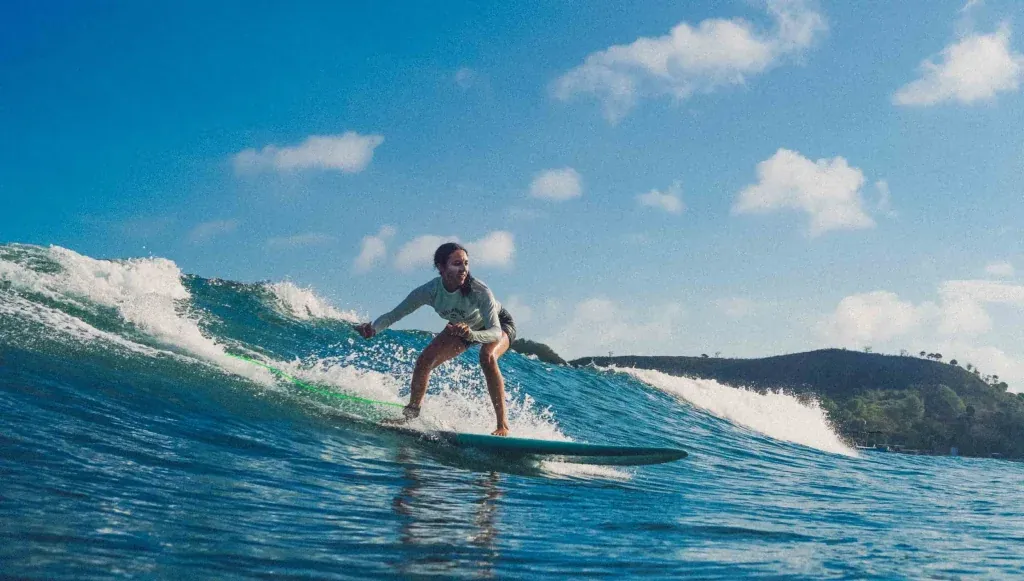
The bay is wide, curved, and naturally sheltered by headlands on both sides. This shape slows the swell down before it hits the shore, producing long, rolling waves that break gently and give you plenty of time to stand up. According to local surf instructors at Selong Belanak Surf School, waves here typically range from 0.5 to 1.5 meters during the dry season, which is almost perfect for learning.
Lombok’s tourism board, Dinas Pariwisata Lombok, has actively promoted Selong Belanak as a surf-friendly destination since 2019, and the infrastructure has gradually improved since then. More schools have opened, board rental shops have expanded, and the road access from Praya is far better than it used to be.
Also worth mentioning: the beach itself is stunning. White sand, turquoise water, and fishing boats pulled up on the shore. Some mornings it genuinely looks like a postcard, and that makes the whole experience feel a bit more special.
Quick Answer: What is the best time to surf at Selong Belanak?
The best time to surf at Selong Belanak is between May and September during Lombok’s dry season. Waves are consistent, winds are light, and conditions are ideal for beginners. Early morning sessions from 7 AM to 10 AM offer the cleanest surf.
Before paddling out, read more about Selong Belanak Beach Lombok in our complete travel guide.
Best Time to Surf at Selong Belanak Beach
Timing your trip honestly makes a bigger difference than most guides admit. Lombok has two distinct seasons, and they affect the waves dramatically.
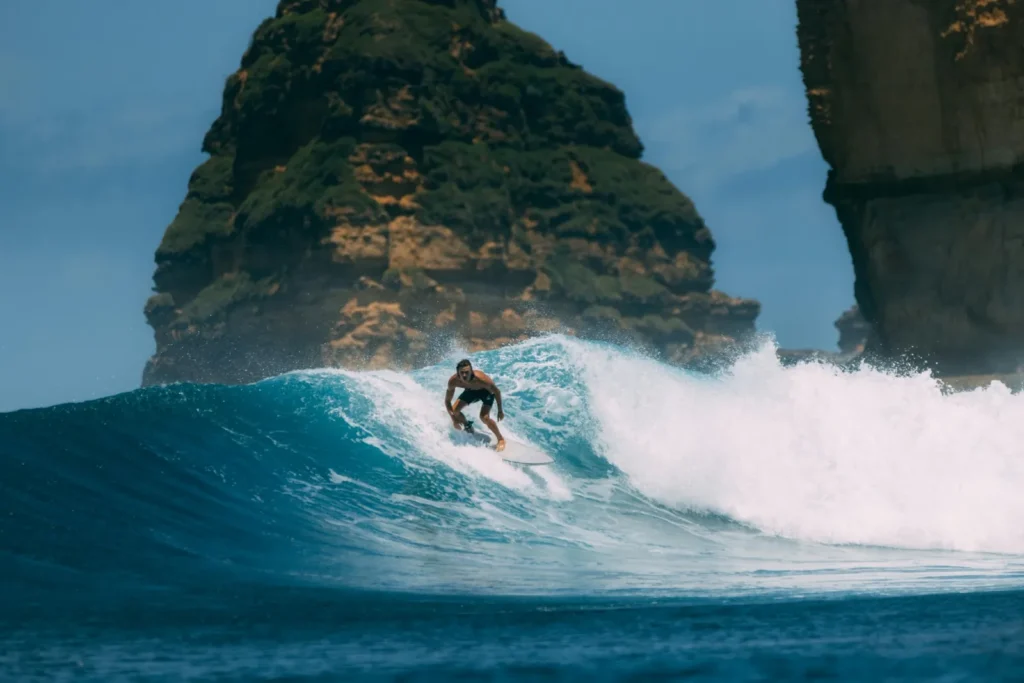
The dry season runs from approximately April through October. This is when the southeast trade winds are blowing offshore, grooming the waves into clean, predictable lines. Experienced surfers from the Lombok Surf Association consistently recommend June, July, and August as the peak months for wave quality.
The wet season from November to March brings rain, onshore winds, and choppy conditions. The waves can still be rideable, but they’re less consistent and harder to read as a beginner. If you’re coming specifically to learn, arriving between May and September is genuinely the smarter choice.
Within any given day, mornings are your best window. The offshore breeze is strongest before midday, keeping the wave faces clean. By early afternoon, the onshore wind starts to pick up slightly, and the surf gets a bit messy. Most serious learners I met were in the water before 9 AM.
| Month | Wave Height | Wind Condition | Beginner Suitability |
| January – February | 0.5–1.0m | Onshore / Choppy | Fair |
| March – April | 0.5–1.2m | Improving | Good |
| May – July | 0.8–1.5m | Offshore / Clean | Excellent |
| August – September | 0.8–1.5m | Offshore / Clean | Excellent |
| October – November | 0.5–1.0m | Transitional | Good |
| December | 0.5–0.8m | Onshore / Variable | Fair |
What the Waves Are Really Like Here
You’ll read descriptions like “mellow beach break” and “gentle rollers” in a lot of places. That’s mostly accurate, but it’s worth unpacking a bit more.
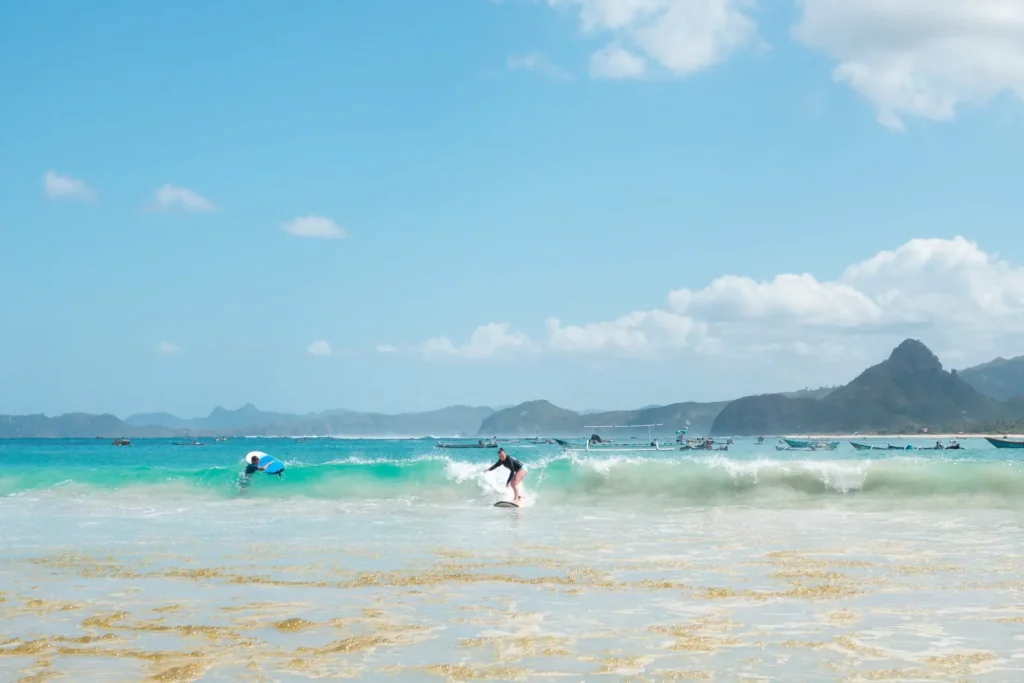
Selong Belanak has a sandy bottom, which is one of the key reasons it’s so beginner-friendly. Falls are less intimidating than on reef breaks, and you’re not going to scrape yourself on coral if you wipe out. The wave shape tends to be slow and long, meaning you’re not fighting against a fast, steep lip.
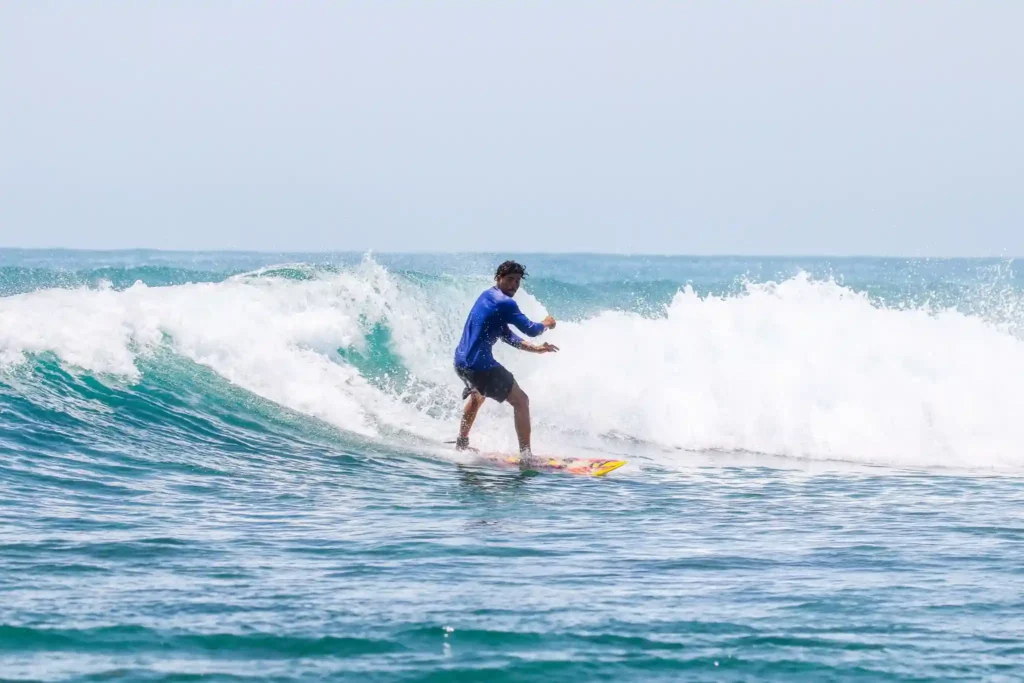
During peak dry season, sets arrive with reasonable consistency, usually every 8 to 12 seconds based on observations from local surf forecasters. The wave height averages around 1 meter, occasionally pushing to 1.5 meters when swells are stronger. That’s enough to practice pop-ups, trim work, and early turns, but not so powerful that it knocks you around constantly.
On bigger swell days, the outer section of the break gets more challenging, and intermediates make the most of it. Beginners can still work the inside shorebreak on those days without issue. The beach is long enough to spread out.
Is Selong Belanak suitable for complete beginners?
Yes. Selong Belanak is widely considered one of the best beginner surf beaches in Indonesia. The sandy bottom, gentle wave shape, shallow entry, and availability of certified surf instructors make it ideal for first-timers.
Is Selong Belanak Good for Complete Beginners?
Short answer: absolutely yes. There’s a reason surf schools here are consistently booked out during peak season.
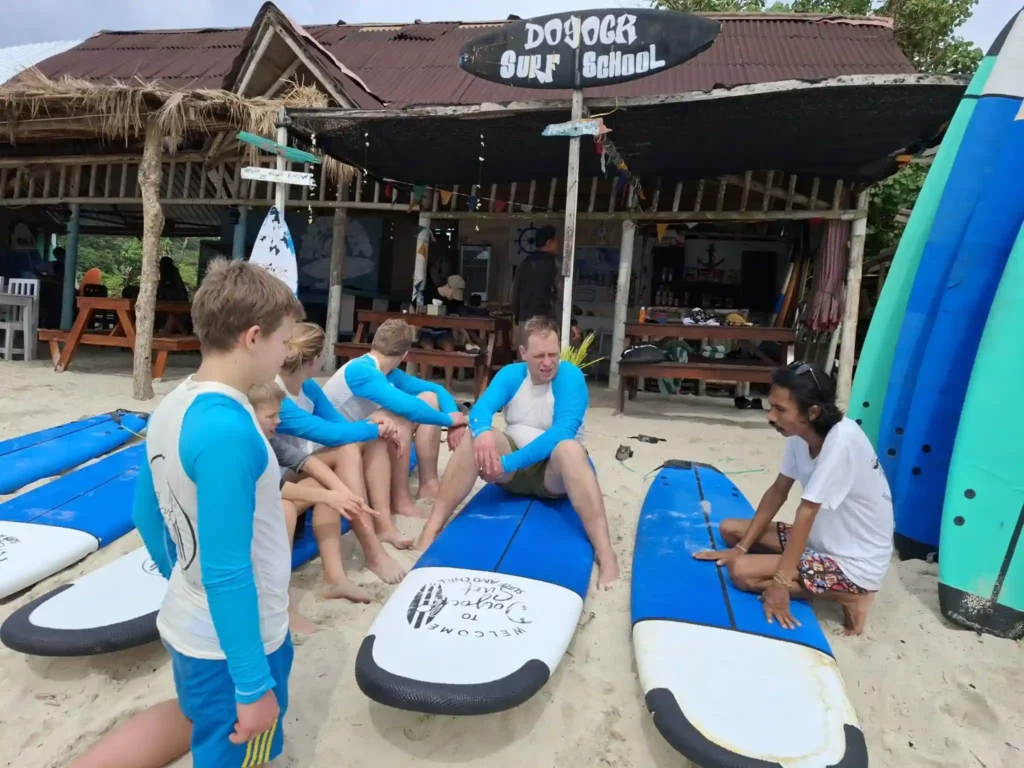
The entry point is shallow for a good distance, giving you time to get comfortable on the board before the waves reach you. Instructors at schools like Selong Belanak Surf Camp and Mantra Surf Club typically start students with a 45-minute beach lesson covering stance, paddling, and wave reading before they even get in the water. That structured approach builds confidence fast.
I watched a group of four first-time surfers from Germany stand up on their boards within their first one-hour lesson. Their instructor, a local Lombok surfer named Pak Rudi, was genuinely patient and methodical. That kind of experience is common here, not an exception.
One thing to note: even beginner-friendly beaches deserve respect. Always listen to your instructor, don’t paddle out alone on your first day, and be aware of other surfers around you. The Indonesian Surf Academy’s guidelines for beginner ocean safety apply at Selong Belanak just as they do anywhere else.
Surfboard Rentals Near the Beach
You don’t need to bring your own board. There are several rental options directly at or near the beach, and rates are reasonable by any standard.
Quick Answer: How much does surfboard rental cost at Selong Belanak?
Surfboard rental at Selong Belanak costs approximately 50,000 to 75,000 IDR (around USD 3 to 5) per hour, or 150,000 to 200,000 IDR for a full day. Foam longboards and fish boards are most commonly available.
| Board Type | Hourly Rate (IDR) | Full Day Rate (IDR) | Best For |
| Foam Longboard (8–9 ft) | 50,000–65,000 | 150,000–180,000 | Complete beginners |
| Foam Funboard (7 ft) | 55,000–70,000 | 160,000–200,000 | Early learners |
| Fish / Hybrid | 65,000–75,000 | 180,000–220,000 | Intermediate surfers |
| Shortboard (fiberglass) | 70,000–80,000 | 200,000–250,000 | Advanced surfers |
Most rental shops also include a leash with the board. Ask specifically about board condition before renting, especially if you’re taking a longer session. Foam boards at some older shops can get waterlogged and heavy, which makes learning harder than it should be.
Read more about prices, transport, and beach expenses in our Selong Belanak Cost Guide.
Which surf schools operate at Selong Belanak?
The top surf schools at Selong Belanak include Selong Belanak Surf School, Mantra Surf Club, and Dream Divers & Surf Lombok. Most offer beginner group lessons from around IDR 250,000 per person, including board and rash guard.
Best Surf Schools Around Selong Belanak
If you’re serious about learning, paying for a proper lesson is 100% worth it. The beach break here is forgiving, but good instruction still makes the difference between standing up on day one versus day three.
- Selong Belanak Surf School – The most established name in the area. Group lessons start at IDR 250,000 per person for 90 minutes, including board and rash guard. Instructors are certified and speak English.
- Mantra Surf Club – Known for smaller class sizes (maximum 4 students per instructor) and a genuinely relaxed atmosphere. A great pick if you don’t like large group sessions.
- Dream Divers & Surf Lombok, Combines surf and dive packages, useful if you want variety across your Lombok trip. Their surf instructors have strong reviews on TripAdvisor.
- Independent beach instructors. Several freelance instructors approach visitors on the beach. They can be good value, but ask for their certifications and check recent reviews before committing.
Morning Surf or Sunset Session?
The honest answer is: mornings win, almost every time.
Early sessions before 10 AM consistently have cleaner waves, lighter crowds, and better light for photos if that matters to you. The offshore breeze is at its peak in the early morning, holding the wave faces up nicely. By midday, the onshore wind softens things up, and the waves get a bit less defined.
That said, there’s something genuinely lovely about a sunset session here. The light goes golden, the fishing boats are heading back in, and the beach gets quieter as the day visitors leave. If you’re already based nearby and you’ve done a morning session, an hour in the water at golden hour is a great way to end the day.
For lesson bookings, most schools offer two slots: 7 AM to 9 AM and 4 PM to 6 PM. If you have to choose, take the morning slot. You’ll be fresher, the conditions will be cleaner, and you won’t be squinting into the sun the whole time.
What to Expect From the Crowd and Atmosphere
Selong Belanak is noticeably less crowded than the surf beaches in South Bali, and that gap is part of what makes it special right now. During peak dry season, you’ll see maybe 20 to 40 surfers spread across a wide beach, which barely registers as a crowd compared to Kuta or Seminyak.
The local vibe is relaxed and genuinely friendly. Locals who run the surf schools and warungs are used to tourists but haven’t become indifferent to them. Small talk is easy, and you’ll often get genuine recommendations about where to eat or what to do nearby.
The lineup itself is mostly shared between beginners in lessons, intermediate visiting surfers, and a small number of local rippers who mostly surf the better peaks further out. Conflicts in the water are rare. The unwritten rule at any beginner beach applies here: stay aware of where others are, call your wave, and don’t drop in.
Surf Conditions Month by Month
| Month | Avg Wave Height | Water Temp (°C) | Crowd Level | Recommended For |
| Jan – Feb | 0.5–1.0m | 28–29 | Low | Off-season explorers |
| Mar – Apr | 0.5–1.2m | 28–29 | Low-Medium | Early-season beginners |
| May – Jun | 0.8–1.5m | 27–28 | Medium | Beginner to intermediate |
| Jul – Aug | 1.0–1.5m | 26–28 | Medium-High | All levels, best conditions |
| September | 0.8–1.5m | 27–28 | Medium | Excellent value period |
| Oct – Nov | 0.5–1.0m | 28–29 | Low-Medium | Quiet sessions, decent waves |
| December | 0.5–0.8m | 29 | Low | Budget travelers, light crowds |
What should beginners know before surfing Selong Belanak for the first time?
Always take at least one lesson before paddling out independently. Wear reef-safe sunscreen, stay within the beginner zone, respect right-of-way rules in the lineup, and drink plenty of water. Rip currents are rare here, but always check conditions before entering.
Tips Before You Paddle Out
- Book your lesson in advance during July and August – schools fill up quickly, and walk-ins are often turned away.
- Apply reef-safe sunscreen only. Lombok’s marine environment is actively protected, and standard sunscreens contain chemicals harmful to coral ecosystems.
- Start on a foam longboard. Fiberglass boards look cooler, but foam gives beginners far better stability and safety.
- Stretch every session. Shoulder injuries from paddling are more common than wipeout injuries, especially on day one.
- Stay hydrated. Surfing in tropical heat is more physically demanding than it looks from the beach. Bring at least 1.5 liters of water.
- Carry cash. The beach area is mostly cash-based. The nearest ATM is in Selong town, about 8 km away.
Can Kids Learn Surfing Here Too?
Yes, and this comes up more often than you might expect. Families traveling through Lombok frequently ask whether Selong Belanak is a realistic option for kids, and the answer is genuinely positive.
Most surf schools here accept students from age 7 or 8 upward, provided children are comfortable in the water and can follow basic instructions. Selong Belanak Surf School offers dedicated family and junior packages during peak season, which include smaller boards sized for kids and instructors experienced with younger learners.
The shallow, sandy entry makes it much less intimidating for children than most surf beaches. I saw a pair of kids, maybe 9 and 11, absolutely beaming after standing up for the first time. Their parents were recording from the shoreline. It’s one of those travel moments that genuinely sticks with you.
Just make sure younger surfers are comfortable swimming in mild ocean conditions before their first lesson. And stick to morning sessions: the cooler temperature and calmer conditions are much better for kids.
Where to Stay for Easy Beach Access
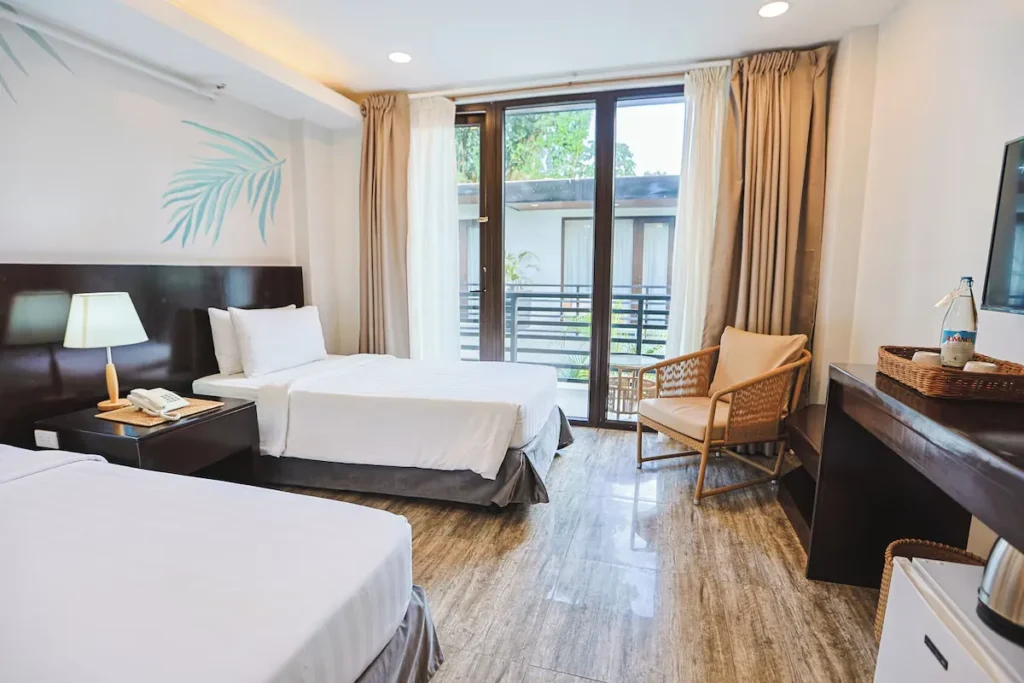
Proximity to the beach matters when you’re trying to get early morning surf sessions without a long drive. Fortunately, there are solid accommodation options at multiple price points close to Selong Belanak.
- Selong Belanak Resort – The closest high-end option with direct beach access. Rooms from around USD 80 per night in peak season.
- Suites Selong Belanak – Mid-range option popular with surfers. About 500 meters from the beach. Basic but clean and well-located.
- Local guesthouses (losmen) in Selong town – Budget travelers can find rooms from IDR 150,000 per night with a 15-minute scooter ride to the beach.
- Surf camp packages – Several schools offer accommodation plus lessons bundled together, which works out cheaper than booking separately and gives you the convenience of being right where you need to be.
Best Cafes to Chill After Surfing
Post-surf food is a serious part of the experience. Your body needs real fuel after two hours in the water, and fortunately, the cafe scene around Selong Belanak has improved noticeably in the past couple of years.
- Warung Selong – Directly on the beach. Nasi goreng and fresh coconut are the go-to orders. Prices are genuinely local (nasi goreng around IDR 25,000). The view from the open-air deck is hard to beat.
- De Surfer Cafe – A bit more set up for international visitors, with decent smoothie bowls and filter coffee. Popular with surf school guests.
- Local warungs near the parking area – Mie goreng, bakso, and cold Bintang. Nothing fancy, but satisfying and cheap. Locals eat here every day.
What mistakes do beginners commonly make at Selong Belanak?
The most common mistakes include paddling out without a lesson, choosing a board that’s too small, skipping sunscreen, timing sessions during midday heat, and not watching the waves before entering. Most of these are easy to avoid with a bit of planning.
Common Mistakes First-Time Surfers Make Here
- Paddling out too far too soon. Stay in the beginner zone near the shore until your instructor signals otherwise.
- Renting a fiberglass shortboard on day one. It looks impressive, but it will make learning twice as hard.
- Skipping the beach warmup. Shoulder and lower back strain are common from paddling without any prep.
- Forgetting to watch the waves before entering. Spend 10 minutes observing the break before you paddle out. You’ll understand the rhythm of the sets.
- Going during midday heat without adequate water. Dehydration in the sun is a real issue, especially for visitors from cooler climates.
Is Selong Belanak Worth Visiting Just for Surfing?
Honestly? Yes, even if you only surf for two days. But most people who come here end up staying longer than they planned.
The beach itself is beautiful enough to warrant a visit regardless of surfing. The landscape around South Lombok, the rice paddies, the quiet roads, the traditional Sasak villages nearby, all of it adds up to an experience that feels genuinely different from the usual Bali circuit.
That said, as a dedicated surf destination, this Selong Belanak surfing guide stands behind it strongly. The wave quality, the instruction available, the low crowds, and the price point make it one of the most accessible surf learning environments in all of Southeast Asia. According to Lombok’s Surf Tourism Report 2023 (published by the West Nusa Tenggara Provincial Government), Selong Belanak recorded over 12,000 surf visitors during the dry season, a 40% increase from 2021 levels.
That growth is happening because word is spreading among the surf community. The beach that was mostly known to local surfers and a few in-the-know travelers five years ago is now firmly on the radar. Coming now, while it’s still manageable and relaxed, is the right call.
Things to Do Nearby After Your Surf Session
- Mawun Beach: A 15-minute drive away and completely different in character. Calm, protected, and gorgeous for swimming after your surf session.
- Sade Village: A traditional Sasak village about 20 minutes away. Worth a stop to understand the local culture beyond the beach.
- Kuta Lombok: Not to be confused with Kuta Bali. This version is quieter, has its own beach, and some decent restaurants and coffee spots.
- Tanjung Aan: One of Lombok’s most visually striking beaches. About 20 minutes from Selong Belanak and a completely different vibe.
- Rinjani Volcano viewpoint: For those staying longer. On a clear day, you can see the peak from the south coast, and a guided trek is one of the best experiences Indonesia offers.
Final Thoughts on Surfing at Selong Belanak Beach
If you only take one thing from this Selong Belanak surfing guide, make it this: don’t wait too long to go. The beach is still uncrowded, the surf schools are still excellent value, and the experience hasn’t been commercialized beyond recognition yet.
The waves are genuinely forgiving for beginners. The instructors are knowledgeable and patient. The setting is beautiful. And after your session, you’ll find a cold coconut and a plate of nasi goreng waiting for you at a warung that’s been there for years.
That combination is rarer than it sounds. Go during the dry season, book a lesson, use a foam board, and arrive early. Everything else will fall into place.
Frequently Asked Questions
Q1: Is Selong Belanak good for complete beginners with zero experience?
Yes. Selong Belanak is consistently recommended by surf instructors and the Indonesian Surf Academy as one of the best beaches in Indonesia for complete beginners. The sandy bottom, gentle wave shape, and quality instruction available make it ideal for first-timers.
Q2: How much does a surf lesson cost at Selong Belanak?
Group lessons typically cost between IDR 250,000 and IDR 350,000 per person for a 90-minute session, including board and rash guard. Private lessons range from IDR 400,000 to IDR 600,000 per hour. Prices vary slightly by school.
Q3: Can I surf at Selong Belanak without a lesson?
Technically, yes, but it’s not recommended for beginners. Even a single lesson dramatically accelerates your progress and reduces the risk of injury to yourself or others in the water. Independent paddling is fine once you have basic wave knowledge and etiquette down.
Q4: Are there lifeguards at Selong Belanak Beach?
There are no permanent lifeguards stationed at Selong Belanak. Surf school instructors monitor their students in the water, but outside of lesson hours, you’re responsible for your own safety. Always surf with awareness and avoid going out alone as a beginner.
Q5: What is the water temperature at Selong Belanak?
Water temperature averages between 26°C and 29°C year-round. A rash guard is recommended for sun protection rather than warmth. Wetsuits are generally not needed.
Q6: How do I get to Selong Belanak from Lombok International Airport?
Lombok International Airport (LOP), managed by Angkasa Pura I, is located near Praya. From the airport, Selong Belanak is approximately 35 to 45 minutes by car or scooter, depending on traffic. A private driver from the airport typically costs IDR 150,000 to IDR 200,000. Scooter rental in Kuta, Lombok runs about IDR 60,000 to IDR 80,000 per day.
Q7: Is Selong Belanak safe for kids to learn surfing?
Yes, provided children are comfortable in the ocean and old enough to follow instructions (typically age 7 and above). Several schools offer junior surf packages. The shallow sandy entry and calm wave conditions make it a genuinely family-friendly learning environment.