
Things to Do in Boracay range from cliff jumping at Ariel’s Point to island hopping around Crystal Cove and Crocodile Island, and most visitors need at least four days to fit in the best ones. Every trip starts with a $4.86 USD environmental fee and a terminal fee at Caticlan Jetty Port, both required before setting foot on the island. White Beach remains the top choice for swimming and sunset watching, split into three stations, with Station 2 offering the most restaurants, bars, and shops within walking distance.
Puka Beach, on the island’s quieter north side, gives a calmer alternative for anyone wanting fewer crowds and clearer water. Beyond the beaches, Things to do in Boracay include parasailing, helmet diving, and sunset sailing on a traditional paraw boat, so both thrill seekers and relaxed travelers find plenty to fill their itinerary.
Plan Your Perfect Boracay Island Escape. Read more about 9 Reasons Boracay Island Is Famous but Not for Everyone.
What Are the Best Things to Do in Boracay Right Now?
White Beach relaxation, island hopping to Crystal Cove and Puka Beach, and cliff diving at Ariel’s Point rank as the three most-booked activities for 2026 visitors. Kitesurfing at Bulabog Beach during Amihan season, roughly November through April, and sunset paraw sailing round out the island’s signature experiences.
Practical Tips for Enjoying Things to Do in Boracay in 2026
Boracay’s fee structure changed little in 2026, though enforcement grew stricter under the Boracay iPass digital system. Every visitor pays an environmental fee at the Caticlan jetty port, plus a terminal fee on both entry and exit. Officers check hotel bookings and valid ID before boarding, and single-use plastic violations carry fines starting at $40.52 USD. The table below breaks down exactly what to expect at the port this year.
| Fee Type | Amount (Foreign Tourists) | When Paid |
| Environmental Fee | ₱300 (about $5 USD) | Once, on arrival |
| Terminal Fee (Entry) | ₱150 (about $2.50 USD) | On arrival |
| Terminal Fee (Exit) | ₱150 (about $2.50 USD) | On departure |
| Boat Transfer Fee | ₱50-100 (about $1-2 USD) | Each boat ride |
Aklan residents and children aged five and below skip these fees with valid proof of age or residency. Smoking and drinking stay restricted to designated zones on White Beach, and the island’s carrying capacity is capped near 19,215 people under Aklan Provincial Government ordinances.
1. Relax on White Beach
White Beach stretches four kilometers along Boracay’s west coast, and its powder-soft sand consistently ranks among the finest in Asia according to the Philippine Department of Tourism. Ground coral, not quartz, makes up the sand, which explains the unusual softness underfoot. Three distinct stations divide the beach, each with a different pace and price point. Morning hours before eight offer the calmest water and best light for photos.
Station 1
Station 1, on the northern end, holds the widest stretch of sand and the calmest water for swimming. Boutique resorts and higher price points dominate this section. Noticeably quieter, it stays that way even during peak season.
Station 2
Station 2 sits at the busiest, most commercial middle section, packed with restaurants, bars, and D’Mall’s shopping strip. Budget travelers gravitate here for the density of affordable food stalls and nightlife within easy walking distance.
Station 3
Station 3, the southernmost stretch, attracts backpackers and families with cheaper accommodation and a slower, more local atmosphere. Fewer crowds gather here, though the walk to D’Mall takes considerably longer on foot.
2. Watch the Sunset at White Beach
Boracay’s west-facing shoreline turns White Beach into one of Southeast Asia’s most photographed sunset spots, especially near Station 1 and Willy’s Rock. Golden hour typically falls between 5:30 and 6:15 PM depending on the season. Paraw sailboats often glide past during this window, adding silhouettes to the horizon. Arriving thirty minutes early secures a decent spot on the sand.
The dry season, from November to April, gives the clearest skies and the most reliable sunset views, while sunsets during the July to September rainy months can be hit or miss due to cloud cover. Beachfront bars near Station 1, like those clustered around D’Mall, fill up fast after 5 PM, so grabbing a table early is worth it if a drink with the view matters.
3. Go Island Hopping
Joiner island hopping tours cost roughly 800 to 900 pesos, about 14 to 16 dollars, for a shared boat, while private premium packages with lunch run closer to 55 to 100 dollars per person. Typical stops include Crystal Cove, Puka Beach, and Crocodile Island, though the route shifts with the season: June through November usually means Ilig-Iligan Beach, while December through May favors Coral Garden and Balinghai Beach. Entrance fees for stops like Crystal Cove aren’t always bundled in, so a little extra budget avoids surprises.
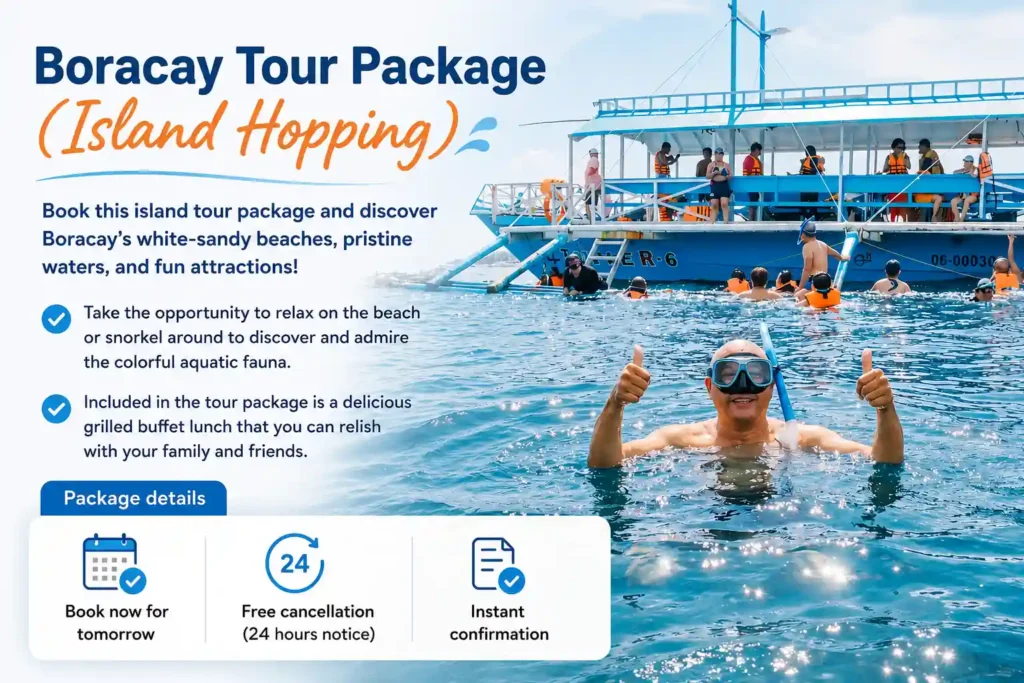
Honestly, this is a fun way to see more of Boracay in one day. You’ll get to snorkel, visit beautiful beaches like Puka, and enjoy a BBQ lunch along the way. Take a look at the tour and see if it fits your trip.
4. Try Paraw Sailing
Traditional paraw boats, recognizable by their double outrigger and colorful sails, cost around 120 dollars per group for a standard sunset ride. Handcrafted by local boatbuilders, these vessels represent one of the Philippines’ oldest sailing traditions still in daily use. Sunset departures fill fastest between November and April, when Amihan winds keep the water glassy.
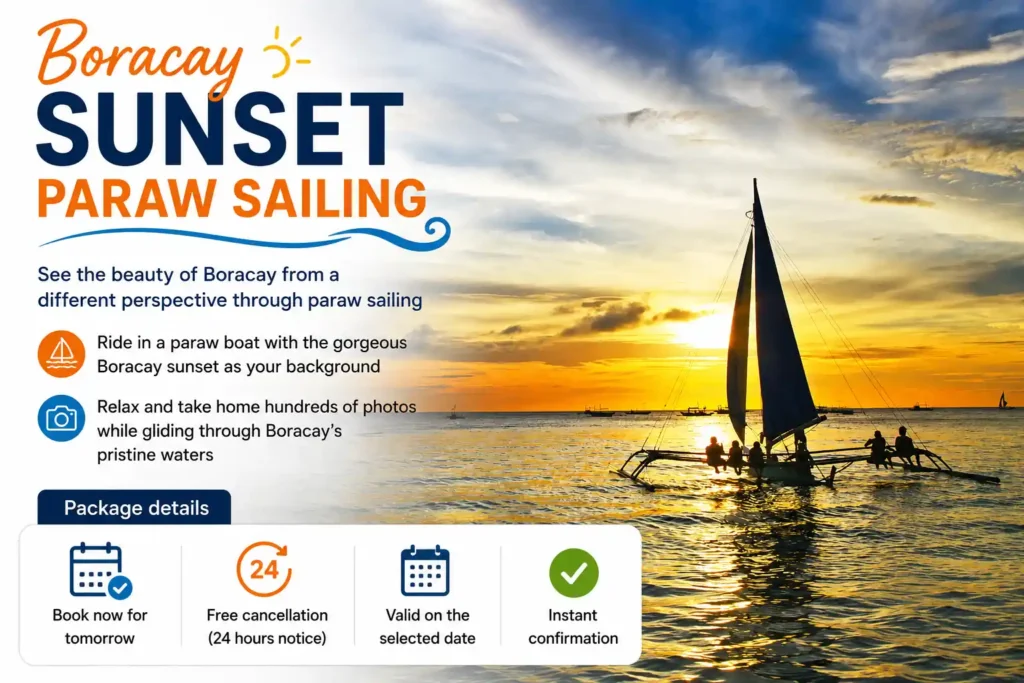
Want to end your Boracay day on a beautiful note? A paraw sunset sail is perfect for that. Book your spot and enjoy the golden views out on the water.
5. Visit Puka Shell Beach
Puka Beach sits at Boracay’s northern tip, roughly a $2.43 tricycle ride from Station 1, trading White Beach’s crowds for coarser, shell-flecked sand. Puka shells, the ones behind the 1970s necklace trend, still wash up here in small numbers. Fewer resorts line this stretch, keeping the atmosphere noticeably quieter than the main beach. A handful of drink shacks sell fresh coconuts and cold beer, and no cover charge applies for the sunset.
6. Relax at Diniwid Beach
Diniwid Beach hides just north of Station 1, reachable by a short cliffside footpath connecting it to the main White Beach strip. Small and secluded, this cove suits travelers wanting a quiet picnic away from the main tourist flow. Entrance costs nothing, and a handful of boutique resorts and cafes line the sand. Sunset from this angle looks noticeably different from Station 1, framed by rock formations on either side.
7. Try Kitesurfing at Bulabog Beach
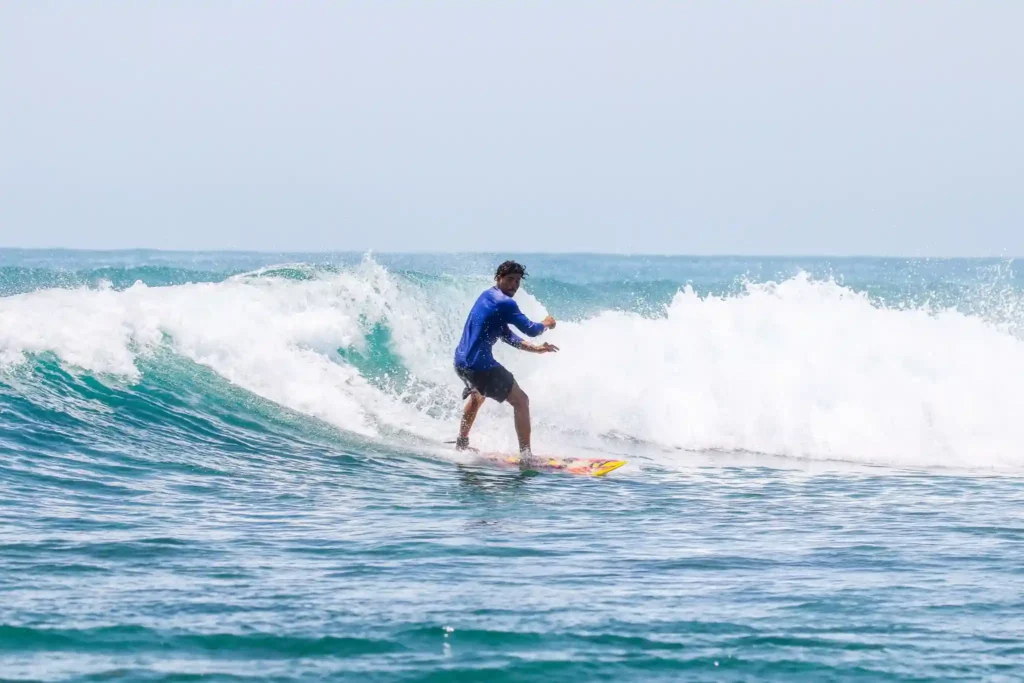
Bulabog Beach, on the island’s eastern shore, ranks among Asia’s top kitesurfing destinations thanks to steady Amihan winds blowing November through April. Beginner lessons run roughly $32–$49 per hour, while multi-day IKO-certified courses cost closer to $325–$405.
Wind speeds average 15 to 25 knots during peak months of December through March, and no entrance fee applies to the beach itself.
Timing water activities around Boracay’s two monsoon seasons makes the biggest difference to trip quality, and the table below lays out what each season means for swimmers, sailors, and kitesurfers.
| Season | Months | White Beach Conditions | Bulabog Beach Conditions |
| Amihan (Dry) | November – April | Calm, clear, ideal for swimming | Windy, prime kitesurfing season |
| Habagat (Wet) | June – October | Choppier, occasional rain | Calm, wind drops significantly |
| Peak Crowds | Dec 20-Jan 5, Holy Week | Very busy, book ahead | Busy kite schools, book ahead |
8. Go Parasailing
Parasailing lifts riders roughly 100 to 150 meters above the water for panoramic coastline views. Solo flights cost around 2,500 pesos, about 45 dollars, while tandem rides run closer to $71 for two people. Launch and landing happen directly from a speedboat, so no runway or prior experience is required. Flights typically last eight to twelve minutes, and morning slots usually offer calmer wind for a smoother ride.
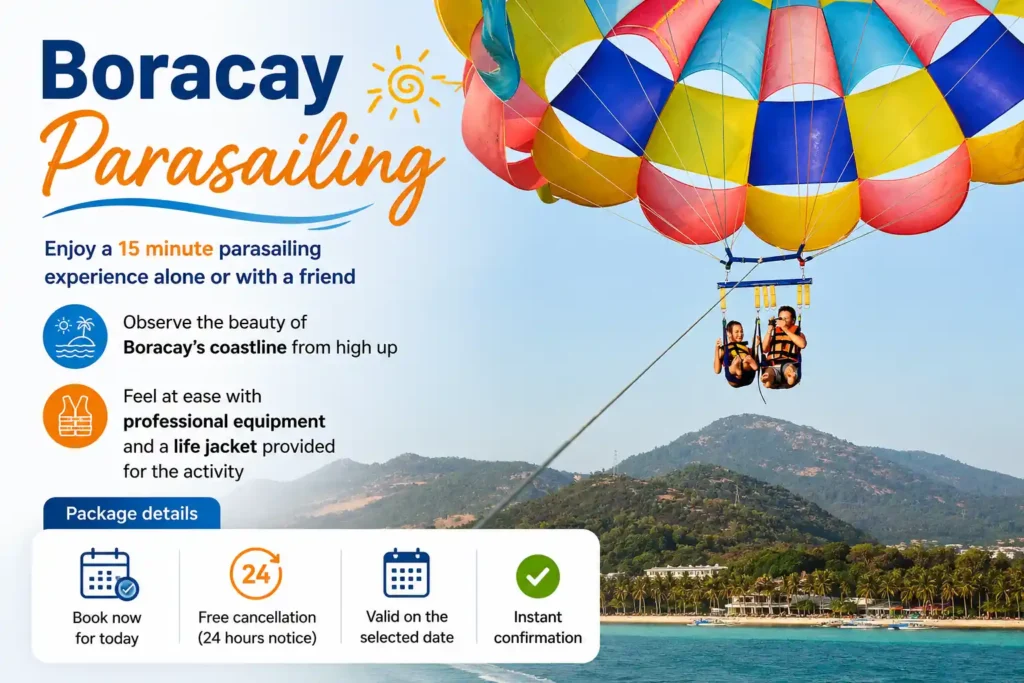
Looking for a little adventure in Boracay? Take a parasail ride and enjoy the island from above. Going with a friend makes it even more fun.
9. Go Snorkeling
Crocodile Island and Coral Garden rank among the most popular snorkeling spots, both reachable through standard island hopping tours for an added fee of roughly $1.62 per site. Visibility improves noticeably during Amihan season, typically November through April. Gear rental costs little, and most operators already include masks, fins, and snorkels in the package price. Fish life stays reliably colorful even in shallow water.
10. Try Scuba Diving
Certified dive centers around Boracay offer introductory dives for beginners at roughly $56.76 per person in a group, or $81 solo. Full open-water certification courses typically require three to four days of combined classroom and pool training. Dive sites around Yapak and Crocodile Island feature coral walls and drop-offs, with occasional turtle sightings.
11. Go Helmet Diving
Helmet diving lets non-swimmers walk along the ocean floor wearing an air-fed helmet, no swimming skill required, for roughly $11–$24 depending on the operator. A short briefing precedes the twenty- to thirty-minute underwater walk, and an instructor stays close throughout. Children as young as five can usually join with parental consent. Combo packages bundling helmet diving with island hopping and parasailing run around 97 dollars for a full day.
12. Visit Willy’s Rock
Willy’s Rock rises from the shallow water near Station 1, topped by a small statue of the Virgin Mary and instantly recognizable in nearly every Boracay postcard. Visitors can wade out to the rock during low tide, though the walk requires care on slippery, coral-covered footing. No entrance fee applies, and sunset light hits the rock directly, making late afternoon the best window for photos.
13. See Boracay From Mount Luho
Mount Luho, the island’s highest point at roughly 100 meters, offers a 360-degree viewing deck overlooking both White Beach and Bulabog Beach at once. A short zipline connects the summit to a lower platform for anyone wanting an adrenaline add-on. Entrance and zipline fees run modestly, typically well under 40 dollars combined.
14. Go Cliff Diving at Ariel’s Point
Ariel’s Point sits roughly 35 to 45 minutes by outrigger boat from White Beach, on the Panay mainland coast near Buruanga. Five diving platforms range from 3 meters up to 15 meters, with staff assessing jumpers before allowing access to the highest board.
Day packages, running roughly 55 to 70 dollars, include the round-trip boat, a BBQ buffet lunch, snorkeling and kayaking gear, and unlimited drinks. Boats depart once daily around 11:15 AM and return to White Beach by 5 PM.
15. Try Kayaking and Paddleboarding
Calm mornings near Station 1 and Bulabog Beach suit kayaking and stand-up paddleboarding best, before wind and boat traffic pick up. Rental rates run roughly 10 to 25 dollars per hour depending on the operator and equipment. Crystal kayaks, with clear bottoms revealing the water below, have become a popular option at around 25 dollars per session.
16. Visit Crystal Cove Island
Crystal Cove Island features two natural caves, a rope bridge, and a small beach reachable only by boat as part of most island hopping itineraries. Entrance fees run separately from the main tour cost, typically 100 to 200 pesos per person. Cave exploration ranks as the main draw, with narrow passages leading down to hidden coves lit by natural skylights. Weekday visits feel far less crowded than weekend stops.
17. Explore Tambisaan Beach
Tambisaan Beach sits on the island’s eastern side, quieter and less developed than the western stations, functioning as a launch point for several dive operators. Local fishing boats still dock here regularly, giving the beach a working, lived-in character. Very few tourists make it out here, which is exactly the appeal.
18. Discover Ilig-Iligan Beach
Ilig-Iligan Beach, a favorite stop on Habagat-season island hopping routes between June and November, offers dense mangrove forest right alongside the sand. Nearby, a small cave and rock formations add a short, easy hike between boat stops. Fewer facilities exist here, so packing water and snacks makes sense beforehand.
19. Explore Balinghai Beach
Balinghai Beach, tucked into a small cove on the northwest coast, features a wooden platform built into the cliffside for jumping into deep, clear water below. Coral Garden season visitors, typically December through May, often add this beach to their island-hopping route. Access requires a boat, since no road reaches this cove directly.
20. Enjoy Boracay’s Beachfront Nightlife
Station 2 anchors most of Boracay’s nightlife, with beachfront bars running fire dancing shows, live bands, and DJ sets well past midnight most nights. Several options suit different moods:
- Station 1 lounges suit quieter drinks with an ocean view
- Beach bonfire parties pop up seasonally near Stations 2 and 3
- Rooftop bars at hotels like The Tides offer sunset cocktails away from the crowd
- Fire dancing shows run at several resorts starting at around 4 dollars per person
Curfew rules on music volume kick in after certain hours in residential zones, though the main strip stays lively regardless.
21. Explore D’Mall Boracay
D’Mall, the open-air shopping and dining strip in Station 2, functions as Boracay’s commercial center, packed with souvenir shops, restaurants, and convenience stores. Foot traffic peaks in the evening, when pathways fill with vendors, street performers, and diners. Prices here run higher than local markets, though convenience and variety keep it busy year-round.
22. Shop and Eat at D’Talipapa
D’Talipapa wet market, just steps from D’Mall, sells fresh seafood by the kilo that nearby restaurants will then grill or cook to order for a small fee. Bargaining is expected, and prices drop for anyone willing to negotiate rather than accept the first quote. Arriving before the dinner rush around 5 PM means better selection and shorter waits.
23. Try Fresh Seafood and Filipino Food
Grilled seafood, adobo, and sisig rank among the most-ordered dishes across Boracay’s beachfront restaurants, with prices varying widely by location. Budget meals at local eateries away from the main strip cost roughly 3 to 5 dollars, while beachfront dining with a view runs closer to 15 to 25 dollars per person. Fresh coconuts, sold by vendors up and down White Beach, cost around 1 to 2 dollars. Halo-halo, the layered Filipino dessert, appears on nearly every menu.
24. Enjoy a Beachfront Massage
Beach masseuses set up shop directly on the sand across all three stations, offering hour-long massages for roughly 400 to 600 pesos, about 7 to 11 dollars. Proper spas inside resorts charge closer to 25 to 40 dollars per hour but add air conditioning and private rooms. Late afternoon slots, timed right before sunset, tend to sell out fastest among returning visitors. Negotiating the price beforehand is common practice and generally expected on the beach.
How Many Days Do You Need in Boracay?
Four to five days covers Boracay’s major activities comfortably, including a day for island hopping, one for water sports like parasailing or diving, and time left for the beach itself. Shorter two-day trips work for a quick stopover, though rushing through cliff diving, kitesurfing, and island hopping leaves little room for rest.
Budgeting gets easier once costs sit side by side, so the table below gives a quick snapshot of 2026 prices across the island’s most popular activities.
| Activity | Typical Price (USD) | Duration |
| Island Hopping (joiner) | $14-16 | 3-5 hours |
| Parasailing (solo) | ~$45 | 10-15 mins |
| Helmet Diving | $12-27 | 20-30 mins |
| Ariel’s Point Cliff Diving | $55-70 | Full day |
| Intro Scuba Dive | $60-90 | Half day |
| Zipline (Mount Luho) | ~$40 | 15-20 mins |
Final Thoughts Before You Book Your Trip
Twenty-four activities barely scratch the surface of this small island, yet they cover every budget and energy level a traveler might want. Things to Do in Boracay range from ten-dollar beach massages to full-day cliff-diving adventures, proving the island still balances affordability with genuine adventure in 2026.
Checking fees through the official Boracay iPass portal before departure saves time at the jetty port, and building flexibility around the Amihan and Habagat seasons keeps any trip running smoothly.
FAQs About Things to Do in Boracay
What is the best month to visit Boracay?
November through April, known as Amihan season, offers the calmest seas and best weather for swimming, island hopping, and kitesurfing, according to PAGASA, the Philippine weather agency.
How much does island hopping cost in Boracay?
Joiner island hopping tours cost roughly 14 to 16 dollars per person, while private tours with lunch and premium stops run 55 to 100 dollars.
Is Boracay good for a first-time visit to the Philippines?
Yes, Boracay’s compact size, English-speaking staff, and wide range of activities make it an accessible entry point for first-time visitors to the Philippines.
Do I need to pay an entrance fee to visit Boracay?
Yes, all visitors pay a 300-peso environmental fee and a 150-peso terminal fee each way at the Caticlan jetty port, collected through the Boracay iPass system.
What is the best beach in Boracay besides White Beach?
Puka Beach and Diniwid Beach rank as the top alternatives, offering quieter sand and noticeably fewer crowds than the main White Beach stretch.
Is Boracay safe for solo travelers?
Boracay is generally considered safe for solo travelers, with well-lit main areas, active tourist police presence, and a compact, walkable layout across all three stations.
Can beginners try cliff diving at Ariel’s Point?
Yes, Ariel’s Point offers five platforms from 3 to 15 meters, and staff assesses each guest’s comfort level before allowing access to the higher jumps.