
Some beaches feel easy in almost any month, but Goyambokka is different. The best time to visit Goyambokka Beach can change the whole mood of your trip, from calmer seas and softer heat to hotel prices and crowd levels. Since Tangalle sits inside Sri Lanka’s south-coast beach belt, timing your visit well matters more than most first-timers expect. Official Sri Lanka tourism sources place Tangalle in the country’s main south-coast leisure corridor, and the south of the island is one of Sri Lanka’s strongest beach regions overall.
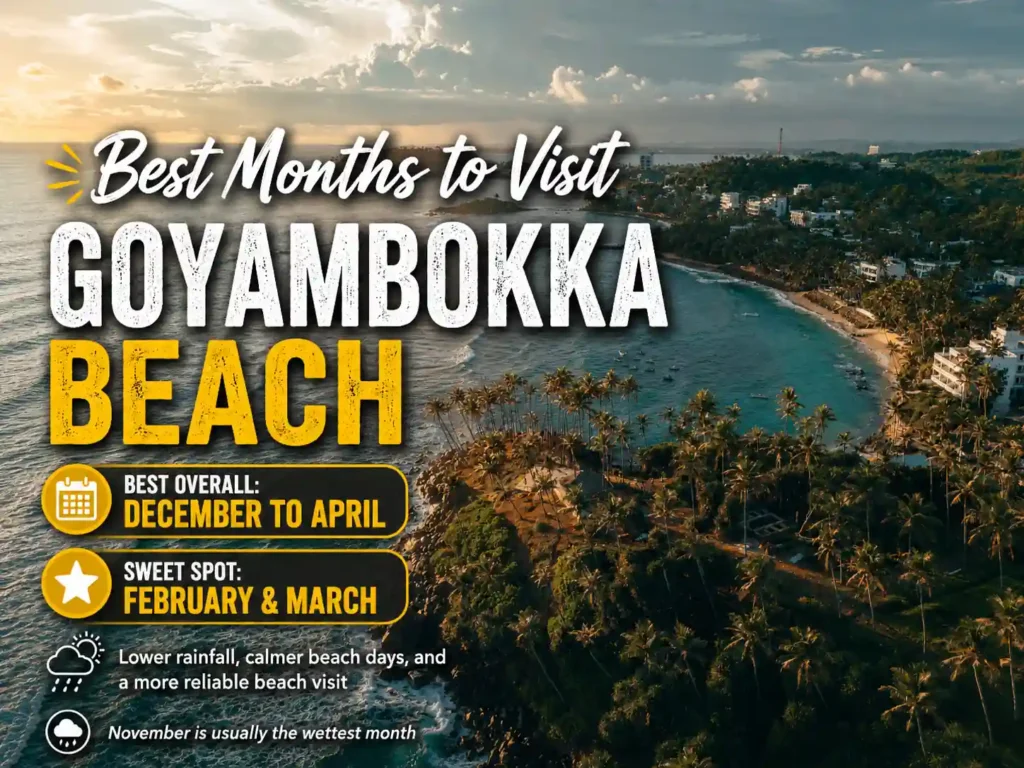
In simple words, December to April is the best window for most visitors. This is when Goyambokka usually feels more beach-friendly, with warmer days, less rain, and better conditions for swimming or relaxing by the shore. If you want the cleanest pick, February is the month I would choose first.
Goyambokka Beach at a Glance
| Travel detail | What it means for your trip | Why it matters |
| Location | Goyambokka Estate, Tangalle, Hambantota District | The area is clearly tied to Tangalle in official Sri Lanka tourism listings. |
| Region | Southern Province beach zone | SLTDA describes the Southern Province as the heartland of Sri Lanka’s leisure and beach tourism. |
| Coastline context | Sri Lanka has over 1,600 km of coast | That is why beach timing matters so much here. |
| Nearby travel base | Tangalle is one of the south-coast water sports and beach destinations listed by Sri Lanka Tourism. | It is not a random stop; it sits inside a major travel belt. |
| Airport access | Mattala Rajapaksa International Airport serves the Hambantota region | Useful if you are building a south-coast route. |
What is the single best month to visit Goyambokka Beach?
February is probably the cleanest pick for most travelers. It has the lowest rainfall in the annual Tangalle climate table at 71 mm, and average temperatures stay warm at around 26.6°C.
Best Months to Visit Goyambokka Beach
If you want the safest all-round answer, aim for December to April, with February and March as the sweet spot. Tangalle’s long-term climate table shows February at 71 mm of rain, March at 106 mm, and April at 180 mm, while November jumps to 284 mm, the wettest month in the data set. The Department of Meteorology also notes that the south-west monsoon begins to establish around May, which is a good sign that sea and weather conditions can turn less friendly after the early-year stretch.
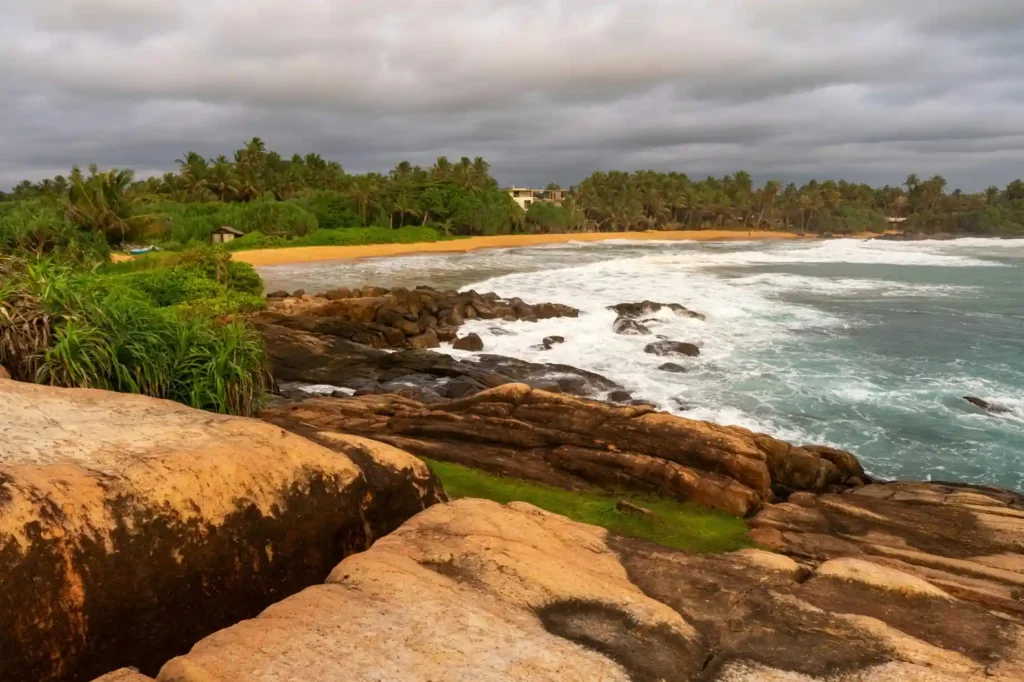
That does not mean you should panic about the rest of the year. It just means timing changes the beach mood. In the cooler, drier months, the water is easier to enjoy, the walk feels less sweaty, and the whole day feels lighter. In wetter months, the beach can still be beautiful, but it becomes more of a “watch the ocean” trip than a “spend all day in the water” trip. That is the honest version.
Which Season Fits Your Goyambokka Trip Best?
Not every traveler visits Goyambokka for the same reason. Some people want calm swimming days, some want quiet beach walks, and others just want a beautiful place to slow down for a few nights. That is why choosing the right season matters more than simply picking the “best” month.
For a first-time visit, stay close to the dry-season window because it gives you the easiest version of the beach. You can plan your day with less stress, spend more time outside, and enjoy the shore without constantly checking the sky. This is the better choice for families, couples, and anyone building Goyambokka into a bigger south-coast itinerary.
For slower travel, the quieter months can still work well. The beach may not feel perfect every day, but it can feel more personal. You might get softer mornings, fewer people around, and a more relaxed Tangalle atmosphere. Just keep your plans loose, especially if swimming is not your only reason for visiting.
The easiest way to decide is this: choose the drier months for comfort, the quieter months for space, and sunset hours for the most memorable mood. That way, your trip feels planned around your travel style, not just the weather chart.
Weather Breakdown Month by Month
| Month | Avg temp | Rainfall | Rainy days | What it feels like |
| January | 26.1°C | 88 mm | 10 | Warm, fairly comfortable, good for beach time. |
| February | 26.6°C | 71 mm | 10 | Best dry-season feel, very strong pick. |
| March | 27.1°C | 106 mm | 14 | Still excellent, a little warmer. |
| April | 27.2°C | 180 mm | 18 | Hotter and wetter, but still useful if you go early. |
| May | 27.0°C | 175 mm | 19 | Humid, with monsoon pressure rising. |
| June | 26.7°C | 132 mm | 17 | Mixed conditions, not a total write-off. |
| July | 26.5°C | 112 mm | 16 | Better than people expect, but still changeable. |
| August | 26.3°C | 119 mm | 16 | Warm and usable, especially for quiet trips. |
| September | 26.3°C | 153 mm | 17 | A shoulder month with a few weather surprises. |
| October | 26.2°C | 229 mm | 19 | Wet and less predictable. |
| November | 25.9°C | 284 mm | 18 | Wettest month in the data, best avoided for beach-first plans. |
| December | 25.9°C | 185 mm | 16 | Improving again, and a strong travel month. |
Quick best-time summary
- Best overall months: December to April
- Best single month: February
- Best for swimming: January to March
- Best for fewer crowds: May to September
- Best avoided for beach-first trips: October and November
- Best time of day: Early morning for calm, sunset for views
Peak Season: When the Beach Feels Most Alive
Peak season usually feels like December through April on Sri Lanka’s south coast. That is when the weather is friendliest, the sea is usually more manageable, and the beach becomes a proper holiday escape instead of a gamble. Sri Lanka Tourism’s own data shows the country’s arrivals peak in the first and last quarters of the year, which is a helpful clue that availability can tighten during those windows.
What does that mean in real life? Book a little earlier. Not because Goyambokka is overrun, but because the south coast is popular, and Tangalle sits in the middle of that demand curve. That is also why registered stays around Goyambokka Estate matter. Sri Lanka Tourism lists places such as Anantara Peace Haven Tangalle Resort at Goyambokka Estate, and the official accommodation database also shows licensed guesthouses in Tangalle.
Peak season travel tips
- Book stays earlier if visiting between December and April.
- Choose weekdays if you want a calmer beach feel.
- Expect better beach weather but slightly higher booking pressure.
- Carry sun protection because dry-season days can still feel strong.
- Visit early in the morning if you want photos without many people.
When should you avoid Goyambokka Beach?
If you want the most reliable beach weather, avoid the wettest stretch from October to November. November is the rain peak in the climate table, and October is also heavy with rain and high humidity.
Off-Season: Quiet Moments & Fewer Crowds
The quieter side of the calendar is usually May to November, especially the wetter months. You can still get a lovely beach day, but the sea is more changeable, the air feels heavier, and the weather asks for more patience. In Tangalle, rainfall rises again from October and reaches its highest point in November at 284 mm.
That said, the off-season has a charm of its own. The beach can feel more private, and some travelers actually like that softer energy. If your style is slow travel, long walks, and fewer people around, the off-season can still work. It just works best when you are not depending on perfect swimming weather every single day. That is the main trade-off.
Off-season travel tips
- Keep your plan flexible because the weather can change the day quickly.
- Choose a stay close to the beach so short, clear-weather windows are easier to use.
- Focus on walks, photography, cafés, and slow travel instead of daily swimming.
- Avoid planning a long beach-only holiday in October or November.
- Check sea conditions before entering the water.
Sea Conditions and Swimming Safety by Season
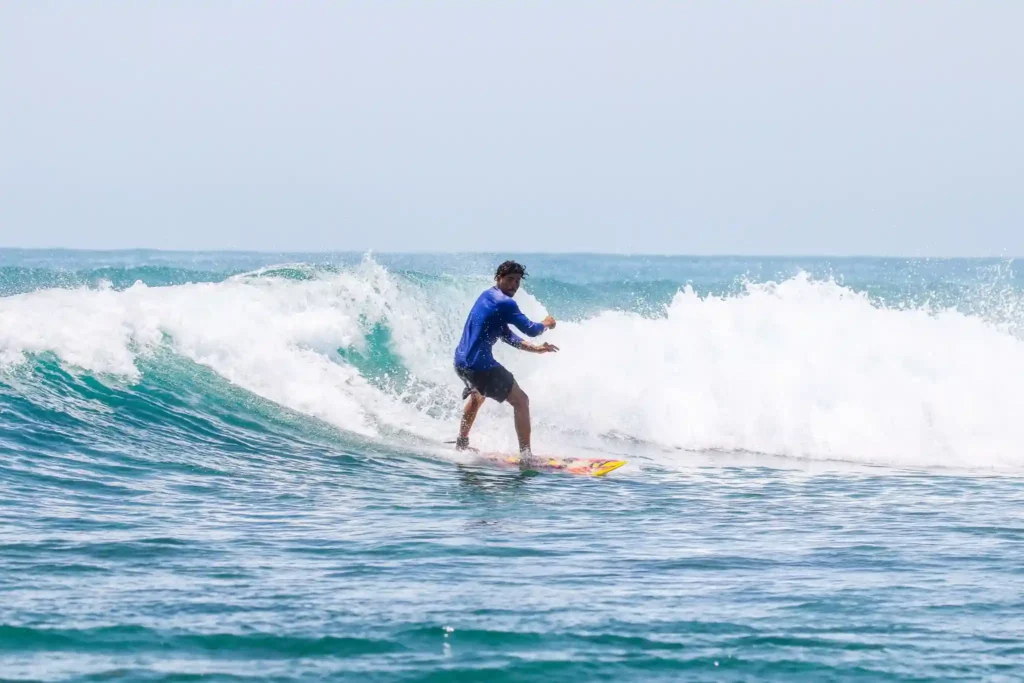
The practical rule is simple: if you mainly want to swim, keep your trip in the drier part of the year. If you mainly want the view, the quieter months can still work fine. Sri Lanka Tourism also notes that Tangalle is among the country’s prime water-sports locations, which tells you the coast can be active and wavey rather than lazy and lagoon-like.
| Season | Sea condition | Swimming feel | Best use of the beach |
| December to April | Usually, the safest and most pleasant window | Better for casual swimming and long beach stays | Best overall beach holiday season. |
| May to September | More mixed, with monsoon influence building | Swimming becomes less reliable | Better for beach walks, photos, and relaxed stays. |
| October to November | Wettest and most changeable | Least dependable for swimming | Better for short visits than long beach days. |
- Swim only when the sea looks calm and manageable.
- Avoid entering the water during rough waves or strong currents.
- Dry-season months are better for casual swimming.
- Wet-season visits are better for views, walks, and photos.
- Ask your hotel or locals about daily sea conditions before swimming.
Want calm waters and safer swimming? Read more in Is Goyambokka Beach Safe to Swim? Read This First to discover the best seasons to visit.
Budget Travel: When You Can Get Better Value
This is an inference, not a fixed price law: when national arrivals are strongest in the first and last quarters of the year, beach areas in the south usually feel tighter on availability too. That is why shoulder months can sometimes give better value. Sri Lanka Tourism’s seasonal arrivals pattern and the Southern Province’s heavy beach-tourism focus both point in that direction.
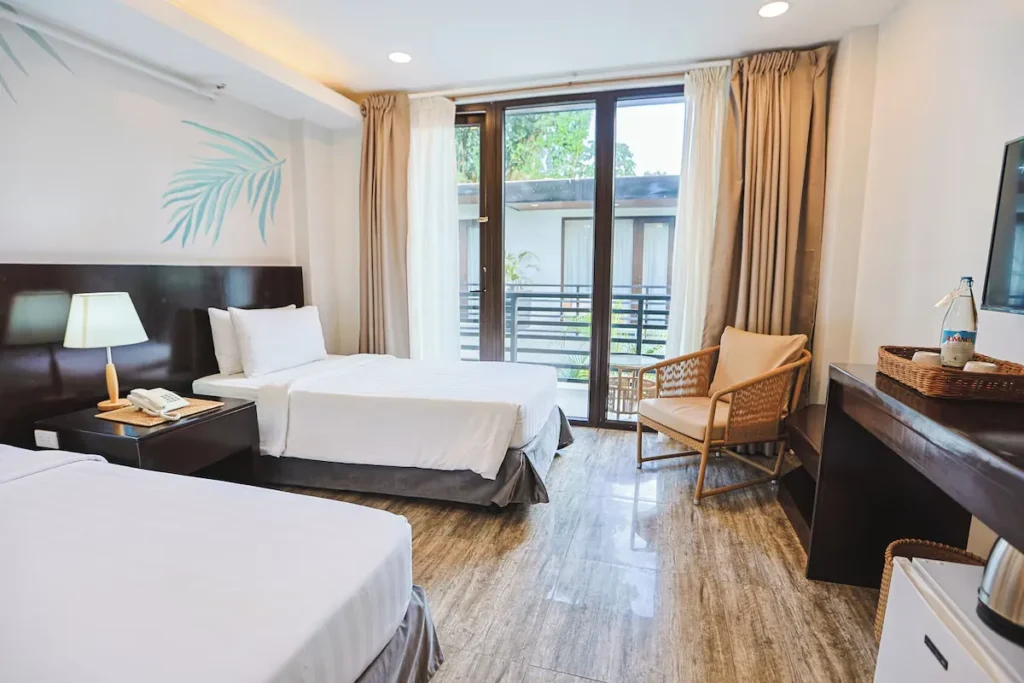
For stays, it helps that the area is not short on registered options. The official Sri Lanka Tourism database lists Anantara Peace Haven Tangalle Resort at Goyambokka Estate with a valid 2026 licence, and the tourism registry also shows Goyambokka View Guesthouse in Tangalle. That gives you a decent spread, from higher-end resort style to smaller local stays.
| Travel window | Booking pressure | Budget angle | Smart move |
| December to April | Higher | Rooms can sell faster because this is the strongest beach season | Book early, especially for weekends. |
| May to September | Moderate | Often easier to find flexible stays | Good for travelers who trade perfect weather for more space. |
| October to November | Lower demand for pure beach trips | Best chance for bargain-style planning, but with weather risk | Only choose this if rain is okay with you. |
Can you visit Goyambokka Beach on a budget? Read more in Goyambokka Beach Sri Lanka Travel Guide: This Beach Feels Like a Secret to find out.
Festivals & Local Vibes Around the Year
This is one of the nicer things about a Tangalle beach trip: the local rhythm can shift without the beach losing its charm. Around holiday periods, you may see more Sri Lankan families travelling, a bit more traffic on the coast road, and a softer, more local atmosphere. That is not a bad thing. It just feels different.
| Period | Local vibe | Why it matters |
| April | More movement, more family travel | Sinhala & Tamil New Year falls on 14 April 2026, and the surrounding days are holiday-heavy in Sri Lanka. |
| Early May | Quiet but festive in its own way | Vesak Full Moon Poya Day falls on 1 May 2026, with the next day also listed as a holiday. |
| Late June | Softer local rhythm | Poson Full Moon Poya Day is on 29 June 2026. |
| Late July | Another holiday bump | Esala Full Moon Poya Day falls on 29 July 2026. |
| Any Poya day | More local observance, fewer “party beach” vibes | SLTDA notes that Poya days are holidays in Sri Lanka, and entertainment venues may close. |
What is the best time of day on Goyambokka Beach?
Early morning is the nicest window. The light is softer, the heat is milder, and the beach feels calmer before the day warms up. That matches Tangalle’s climate pattern, where sunshine hours stay steady, but the humidity climbs later in the day.
Sunrise vs Sunset: Best Time of Day on the Beach
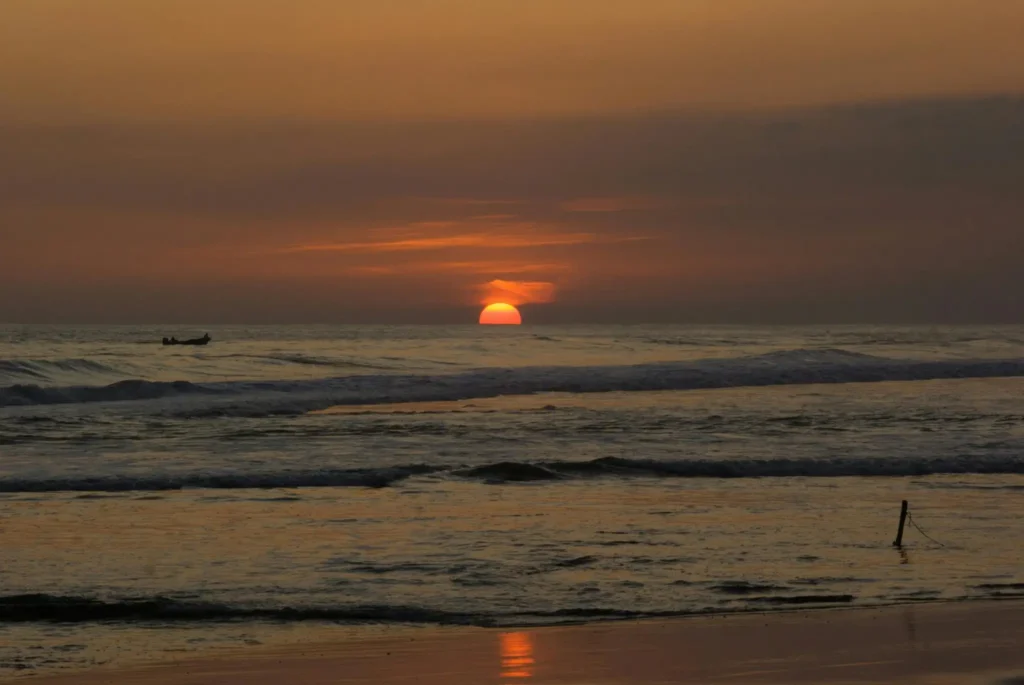
If you only have one choice, I would pick sunset for atmosphere and sunrise for peace. That is the real difference. Goyambokka has enough open coastline to make both work, but the sunset hour usually gives the more emotional finish to the day. A travel listing for the beach even highlights it as a place for one of Sri Lanka’s iconic sunsets.
| Time of day | Best for | Why |
| Sunrise | Quiet walks, cooler air, photos | The beach is usually calmer, and the heat is still gentle. |
| Late morning | Swimming and long beach stays | Good light, but the sun starts to bite. |
| Sunset | Romantic views and photos | Goyambokka is widely described as a strong sunset beach with open ocean views. |
- Choose sunrise if you want quiet photos and cooler air.
- Choose sunset if you want the most scenic beach atmosphere.
- Late morning works better for beach time, but can feel hotter.
- Avoid staying too long under direct midday sun.
- Bring water if you plan to walk along the beach.
Final Thoughts: Choosing the Right Time for Your Trip
So, what is the best time to visit Goyambokka Beach? For most people, it is December to April, with February and March as the clearest sweet spot. That is when the weather is most beach-friendly, the sea is usually easier, and the whole Tangalle coast feels like it is showing off a little. If you want quieter days and can accept some rain risk, shoulder months can still be lovely, especially for slow travel and photography.
The simplest rule is this: choose dry season for swimming, shoulder season for value, and sunset hours for the most memorable view. That one choice changes the trip more than people expect. And for a beach like Goyambokka, timing is not a small detail. It is the whole story.
FAQs
1) What is the best month to visit Goyambokka Beach?
February is the strongest pick for most travelers because it is the driest month in the Tangalle climate table, with 71 mm of rainfall.
2) Is Goyambokka Beach good for swimming?
Yes, but it is most reliable in the drier part of the year. Outside that window, the sea can be less predictable.
3) Is Goyambokka Beach crowded?
It is usually quieter than many famous Sri Lankan beaches, but crowd levels rise in the peak travel months because the south coast is one of the island’s main leisure zones.
4) What is the rainiest month in Tangalle?
November is the rainiest month in the climate table, with 284 mm of rainfall.
5) Is sunset or sunrise better at Goyambokka Beach?
Sunset usually gives the more dramatic view, while sunrise feels calmer and more private.
6) Are there good places to stay near Goyambokka Beach?
Yes. Sri Lanka Tourism lists registered accommodation at Goyambokka Estate and Tangalle, including resort and guesthouse options.