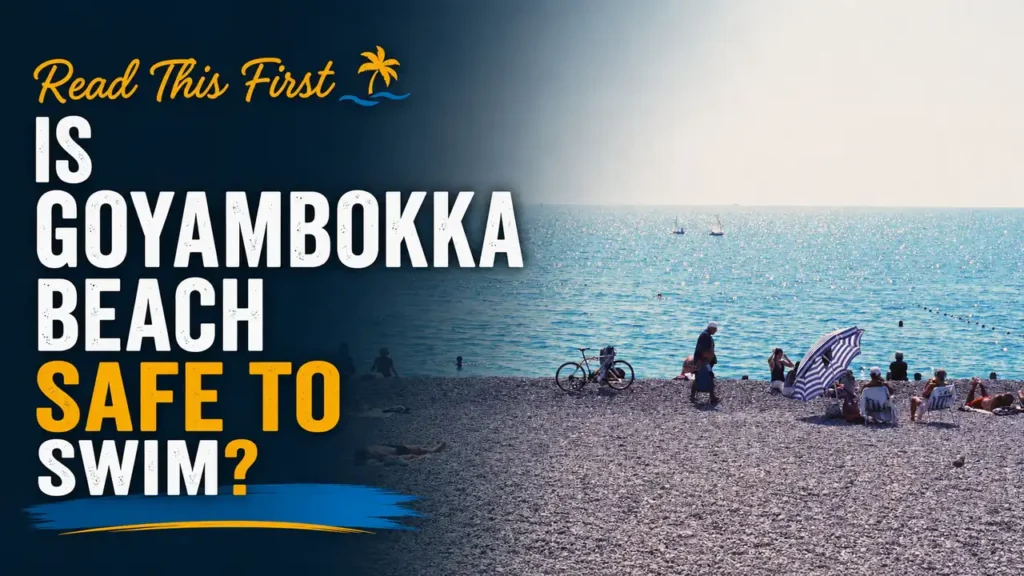
If you’ve been Googling “is Goyambokka Beach safe for swimming” before your Sri Lanka trip, you’re already doing the right thing. Most travelers just show up, jump in, and figure it out. Some of them have a brilliant time. Others don’t. Goyambokka is genuinely one of the most beautiful beaches in the Tangalle area, tucked away, quieter than the main strip, with that soft golden sand that makes you want to stay forever.
But is Goyambokka Beach safe for swimming every single day? Not always. And that honest answer is exactly what this guide is about.
What the Ocean Conditions Are Usually Like
Goyambokka Beach sits along the southern coast of Sri Lanka, roughly 7 km from central Tangalle town. The Sri Lanka Tourism Development Authority (SLTDA) classifies this stretch of coastline as a semi-protected beach, meaning it gets some shelter from rocky outcrops on both ends, but it’s still directly exposed to the Indian Ocean.
During the southwest monsoon (roughly May to October), the sea here can get rough. I visited in late June once, and honestly, the waves were taller than I expected for such a tucked-away spot. Whitecaps start forming when winds pick up past 15–20 knots, which happens fairly often during monsoon months. Outside of that window, November through April, especially, the water can be genuinely calm. Almost mirror-like on the right mornings.
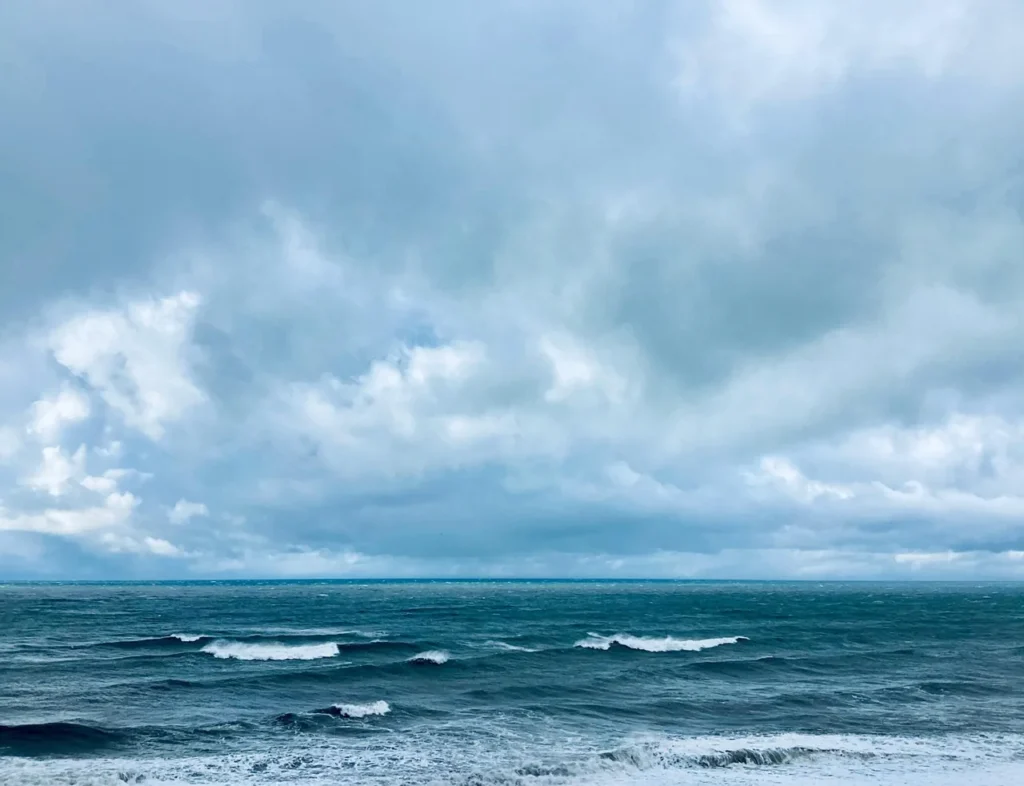
The beach faces roughly southwest, which means early mornings are usually calmer before afternoon onshore winds build. If you’re a morning swimmer, that’s your golden window.
Monthly Swimming Conditions at Goyambokka Beach
| Month | Wave Height (avg) | Sea Condition | Swimming Suitability |
| November | 0.3–0.8 m | Calm to Mild | Excellent |
| December | 0.3–0.6 m | Calm | Excellent |
| January | 0.4–0.8 m | Calm to Mild | Very Good |
| February | 0.5–1.0 m | Mild | Good |
| March | 0.5–1.0 m | Mild | Good |
| April | 0.6–1.2 m | Moderate | Caution Advised |
| May | 1.0–2.0 m | Rough | Not Recommended |
| June–September | 1.5–2.5 m | Very Rough | Avoid |
| October | 1.0–1.8 m | Rough to Moderate | Avoid / Caution |
Data reference: Sri Lanka Meteorological Department seasonal wave forecasts and local fishermen’s tide observations compiled by Tangalle Divisional Secretariat.
Are Strong Currents a Problem at Goyambokka Beach?
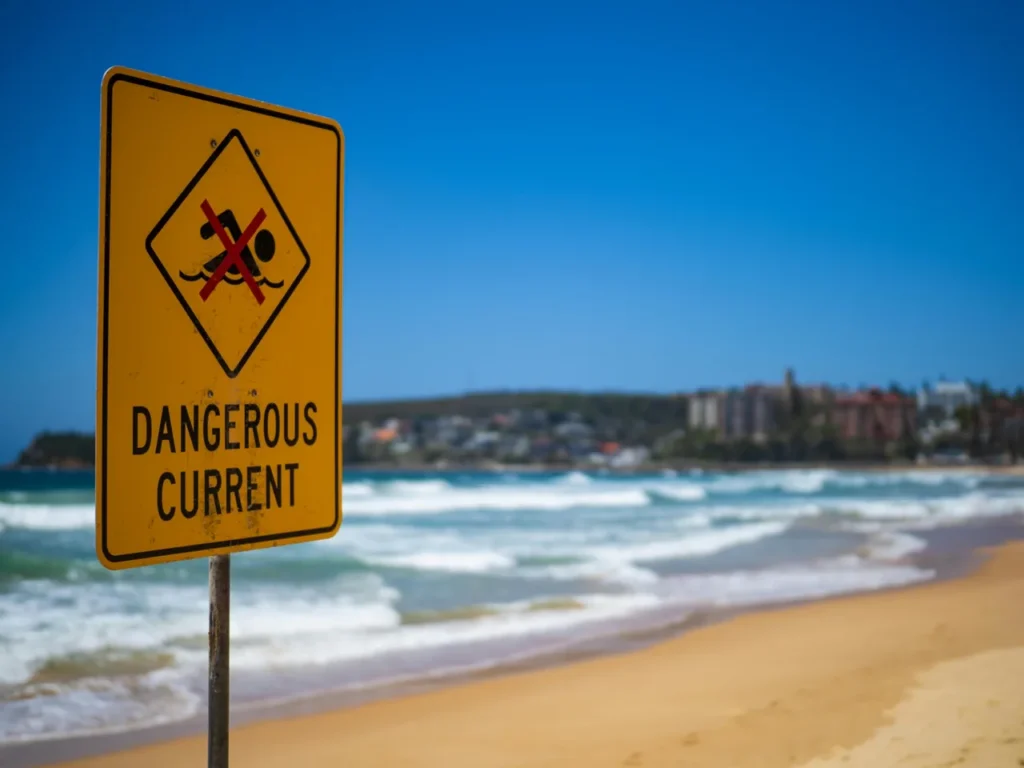
This is the part that catches people off guard. The beach looks peaceful from the shore. The water is clear, sometimes shallow near the edges, and there are rarely any posted warning signs. But yes, rip currents and lateral drift currents do occur here, particularly after heavy rainfall or during the transitional months (April and October) when sea patterns are unpredictable.
Local fishermen from the nearby Goyambokka fishing village, some of whom have worked these waters for 20+ years, told me directly that the central section of the beach, near where a small stream meets the sea, is the spot most prone to current pull. After heavy rain, that freshwater runoff creates a channel effect that intensifies outward drift.
Are There Rip Currents at Goyambokka Beach?
Yes. Rip currents can and do form at Goyambokka Beach, especially near the central stream outlet and during transitional monsoon months. They are not constant but are most likely after rainfall or on days when wave sets are irregular. The Sri Lanka National Aquatic Resources Research & Development Agency (NARA) notes that southern coastal beaches experience seasonal current shifts that are difficult to predict without local knowledge.
The Safest Spots to Swim Along the Beach
Not all parts of Goyambokka are equal. The beach stretches about 400 meters in a gentle curve, and the conditions vary noticeably from one end to the other.
- Northern end (near the rocks): Usually the calmest section. The natural rock formation breaks incoming swells and creates a slightly sheltered pocket. Best for casual swimming and families with children.
- Central section: Wider and more exposed. This is where the stream outlet creates current risk. Swimmers with strong experience only, and only during dry-season calm days.
- Southern end: Moderate exposure. Good for intermediate swimmers during peak season. Check conditions each morning before entering.
I’d personally always start at the northern end. Even on days when the central section looked inviting, the undertow near that streambed felt noticeable if you waded in past waist depth.
Which Part of Goyambokka Beach Is Safest for Swimming?
The northern end of Goyambokka Beach, near the natural rock formation, is generally the safest area for swimming. The rocks reduce incoming swell intensity and provide a partially sheltered pocket. Avoid the central section near the stream outlet, especially after rain, due to current risks.
When Swimming Conditions Can Change Quickly
One thing about southern Sri Lanka beaches, conditions can flip in under an hour. A calm morning can turn into a choppy, unsettling sea by 1 PM. This isn’t rare. It’s actually pretty normal during shoulder months.
According to data from the Sri Lanka Meteorological Department, afternoon onshore wind speeds along the southern coast can increase by 10–15 knots between 10 AM and 2 PM, particularly from March through May. That translates to a real and noticeable difference in wave behavior.
Locals I spoke with at a small guesthouse near the beach gave a simple rule of thumb: if you can hear the surf from the road, it’s already too rough to swim safely. Sounds simple, but it actually works as a rough gauge before you even get to the water.
Can Beginners and Children Swim Here Comfortably?
During peak dry season (December to February), Goyambokka is actually quite friendly for beginner swimmers and children, especially at the northern end. The water stays relatively calm, visibility is good (3–5 meters on clear days), and the beach shelves gradually rather than dropping off suddenly.
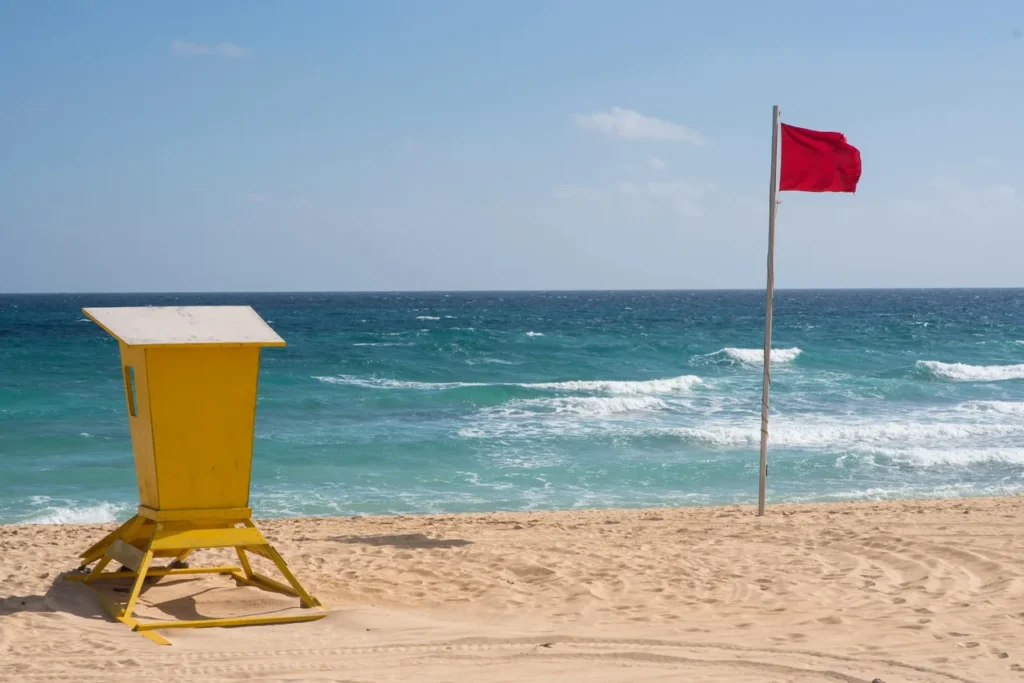
That said, the Sri Lanka Red Cross Society and the SLTDA both recommend that children should never swim without adult supervision on any southern coast beach, regardless of visible sea conditions. There are no lifeguards stationed at Goyambokka Beach. This is not a staffed resort beach.
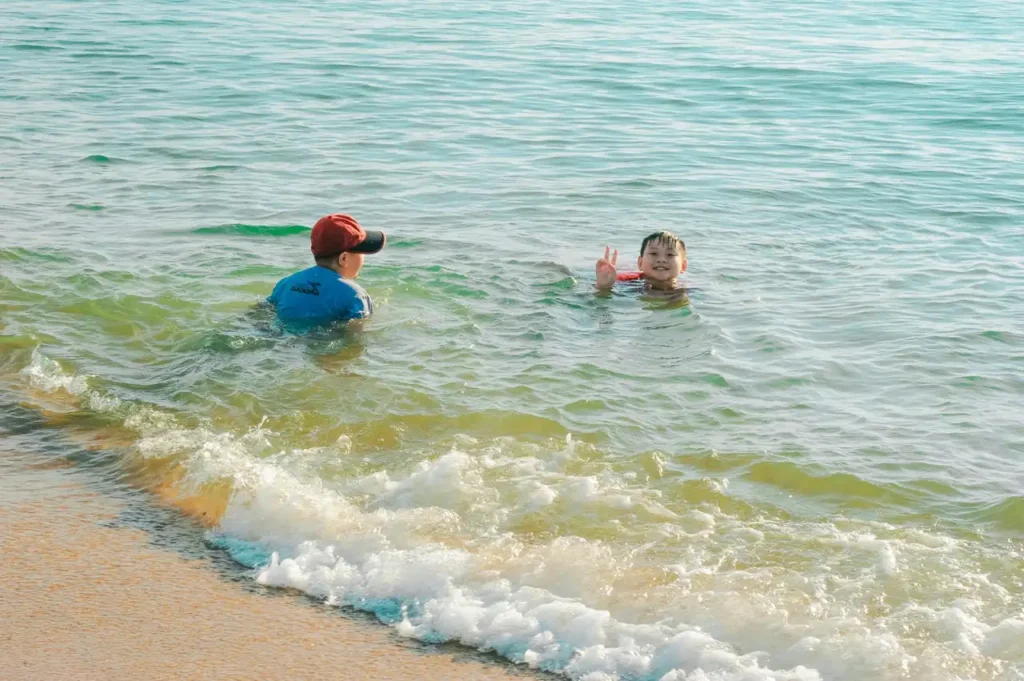
Outside of December to February, I would honestly not take young children into the water here. The sea can look deceptively calm and then surprise you.
Swimmer Type vs. Recommended Conditions
| Swimmer Type | Safe Months | Recommended Zone | Extra Notes |
| Young Children (under 10) | Dec–Feb only | Northern end, shallow | Adult supervision essential; no lifeguard on site |
| Beginner Adults | Nov–Mar | Northern end | Stay in waist-depth water |
| Intermediate Swimmers | Nov–Apr | North & South ends | Check morning conditions; avoid after rain |
| Experienced Swimmers | Nov–Apr | Full beach | Caution at the central section near the stream outlet |
| Strong Open Water Swimmers | Nov–May (with caution) | All zones | Still avoid the June–October monsoon period |
Safety Tips Most First-Time Visitors Miss
These aren’t the generic “don’t swim alone” tips you’ve read a dozen times. These are the specific things that catch Goyambokka visitors off guard:
- Check the stream outlet before entering the central section. If the stream is flowing visibly into the sea, there’s likely enhanced current activity right at that confluence.
- Don’t swim within 2 hours of heavy rainfall. The freshwater runoff dramatically changes current patterns for a few hours post-rain.
- Enter the water at an angle to incoming waves, not head-on. This sounds obvious, but tourists almost always wade in straight, which makes it harder to manage larger sets.
- Tell someone where you’re swimming. The beach is not heavily monitored, especially outside of peak season.
- If caught in a current, don’t fight it directly. Swim at a 45-degree angle to the shore until you exit the current’s pull, standard rip current escape technique endorsed by the National Water Safety Council of Sri Lanka.
- Wear reef shoes or swim fins if you plan to go deeper. The seabed has patches of small rocks and occasional coral debris that can cut feet.
Top Safety Rules for Swimming at Goyambokka Beach
Avoid the central beach section near the stream outlet after rainfall. Check conditions before 10 AM when seas are typically calmest. The beach has no lifeguard coverage, so swim with a companion and stay within the depth you can comfortably stand in during your first few visits.
Is There Lifeguard Coverage or Emergency Help Nearby?
To be straightforward about this: Goyambokka Beach does not have dedicated lifeguard coverage as of 2024. This is confirmed by the Tangalle Divisional Secretariat, which oversees public beach access in the region.
The nearest hospital is Tangalle General Hospital, approximately 7 km from the beach — about a 15-minute drive. There is a smaller clinic at Medaketiya, roughly 3 km away, that handles minor injuries and first aid. In a serious emergency, the national ambulance service (1990) serves the Tangalle district, though response times to the beach itself can vary.
Some guesthouses near the beach, particularly the ones along Goyambokka Road, do have basic first aid kits and can assist with minor cuts or jellyfish stings. The Buckingham Place Hotel, one of the better-known properties near the beach, has a water safety information sheet they give to guests. Not every visitor knows to ask for it.
What Emergency Services Are Available Near Goyambokka Beach?
Goyambokka Beach has no on-site lifeguard service. The nearest medical facility is Tangalle General Hospital (7 km, approx. 15 minutes by vehicle). For emergencies, call Sri Lanka’s national ambulance line: 1990. Basic first aid is available at some nearby guesthouses on Goyambokka Road.
The Best Months for Calm and Safe Swimming
If you want the best possible swimming experience at Goyambokka, plan your visit between mid-November and mid-March. This is when Sri Lanka’s southern coast enjoys its dry inter-monsoon and northeast monsoon season, which generally brings calmer seas to this stretch of coastline.
December and January are peak months, not just for swimming safety but for overall beach conditions. Water temperatures average a comfortable 27–29°C, visibility underwater is excellent, and the beach itself is at its most photogenic. These months also coincide with high tourist season, which means more people around (good for safety) but also busier accommodation options.
Best Months to Visit Goyambokka Beach for Swimming
| Month | Avg Water Temp (°C) | Avg Wave Height | Visibility | Overall Rating |
| November | 28°C | 0.4–0.8 m | 3–5 m | ⭐⭐⭐⭐ |
| December | 28°C | 0.3–0.6 m | 5–7 m | ⭐⭐⭐⭐⭐ |
| January | 27°C | 0.4–0.8 m | 5–7 m | ⭐⭐⭐⭐⭐ |
| February | 27°C | 0.5–1.0 m | 4–6 m | ⭐⭐⭐⭐ |
| March | 28°C | 0.5–1.0 m | 3–5 m | ⭐⭐⭐⭐ |
Looking for the perfect beach weather? Explore the Best Time to Visit Goyambokka Beach (And Why Timing Changes Everything).
What Travelers Say About Their Swimming Experience
Browsing recent travel reviews and blog accounts from verified visitors (via TripAdvisor and Google Reviews for Tangalle area accommodations), the feedback on Goyambokka swimming splits pretty clearly along seasonal lines.
Visitors who came between November and February consistently describe the water as calm, warm, and beautiful. One solo traveler from Germany wrote about swimming for over an hour without feeling any current pull, just clear water, a quiet beach, and the occasional fish. That’s the Goyambokka most people dream about.
On the flip side, reviews from travelers who visited in May or June tell a different story. Several mentioned being surprised by wave force or uncomfortable undertow, even when the beach looked inviting from the shoreline. One family from Australia mentioned their teenage son was knocked over twice in knee-deep water during an October visit. Nobody was hurt, but they hadn’t expected that from a beach that looked so gentle.
That gap between appearance and reality is honestly the most important thing to understand about this place.
How Goyambokka Compares to Other Beaches Around Tangalle
| Beach | Lifeguard? | Currents Risk | Best For | Peak Season Safety |
| Goyambokka Beach | No | Moderate (seasonal) | Calm-season swimming, couples, quiet getaways | High (Nov–Mar) |
| Medaketiya Beach | No | Low–Moderate | Budget travelers, local vibe | High (Nov–Mar) |
| Tangalle Main Beach | Seasonal (limited) | Moderate | Families, day trippers | Medium |
| Rekawa Beach | No | Low (calmer bay) | Turtle watching, gentle swimming | High (Nov–Apr) |
| Hiriketiya Beach | Yes (seasonal) | Low–Moderate | Surfers, beginners, social scene | Year-round (with caution) |
Note: Hiriketiya Beach, about 35 km west, has become popular partly because it has some seasonal lifeguard presence and a more consistent crowd. If you’re traveling with very young children or are a nervous swimmer, Hiriketiya or Rekawa Bay might actually be better choices.
Red Flags and Warning Signs to Watch For
Signs You Should Not Enter the Water Today
- Brown or murky water near the shoreline: indicates freshwater runoff and likely current disruption
- White foam patches forming rapidly on flat-looking water: often signals surface rip activity beneath
- Locals not in the water: fishermen and residents know the sea. If nobody local is swimming, there’s usually a reason
- Visible debris or floating matter: often appears after rainfall and indicates disrupted sea patterns
- Wind picking up rapidly from offshore direction: can cause sudden current reversals
- Jellyfish on the sand or in the shallows: Goyambokka can see box jellyfish and moon jellyfish during certain months; the Sri Lanka Wildlife Conservation Society recommends avoiding water entry when jellyfish are present
One practical trick I’ve used: ask the nearest guesthouse owner or beachside vendor about conditions before getting in. They won’t always volunteer information, but if you ask directly, most will tell you straight.
Warning Signs That Goyambokka Beach Is Unsafe for Swimming
Key red flags include: brown or murky water near shore (runoff currents), no locals swimming, visible foam patches on calm-looking water (surface rip signs), and jellyfish presence in the shallows. When any of these are visible, postpone your swim.
The Final Answer: Is Goyambokka Beach Safe for Swimming?
Yes, but conditionally. Is Goyambokka Beach safe for swimming during the dry season, at the northern end, on a calm morning, without recent heavy rainfall? Absolutely. It’s one of the more beautiful and peaceful swimming spots on Sri Lanka’s south coast, and thousands of travelers enjoy it without incident every year.
But is Goyambokka Beach safe for swimming during the monsoon months, near the central stream outlet, without checking conditions, with young children, and no swimming experience? No, it’s not. The beach has real current risks, no lifeguard coverage, and conditions that can change faster than most visitors expect.
The honest answer sits right in the middle. Plan your visit for November through March, spend your first swim at the northern end, check conditions before dawn, and don’t underestimate what the Indian Ocean can do even on a day that looks perfectly calm. Do those things, and Goyambokka will probably be one of the highlights of your entire Sri Lanka trip.
Frequently Asked Questions
Is Goyambokka Beach safe for swimming year-round?
No. Goyambokka Beach is safest for swimming between November and March. During the southwest monsoon (May–October), the sea becomes rough, with wave heights frequently exceeding 1.5 meters and significant rip current risk. Avoid swimming during this period.
Are there lifeguards at Goyambokka Beach?
No. As of 2024, Goyambokka Beach does not have dedicated lifeguard coverage. The nearest medical facility is Tangalle General Hospital, approximately 7 km away. Always swim with a companion and stay within safe depth.
Is Goyambokka Beach safe for children?
During the dry season (December–February), the northern end of the beach is generally safe for children under close adult supervision. Outside this period, or near the central section of the beach, it is not recommended for young swimmers.
Where is the safest spot to swim at Goyambokka Beach?
The northern end of the beach, near the natural rock outcrop, is consistently the calmest and safest section. It offers partial shelter from incoming swell and is best for beginner and family swimming during peak season.
What are the main swimming risks at Goyambokka Beach?
The main risks are seasonal rip currents (especially near the central stream outlet), rapidly changing weather conditions in shoulder months, the absence of lifeguard coverage, and occasional jellyfish presence. These risks are manageable with proper seasonal planning and local awareness.
When is the best time to swim at Goyambokka Beach?
December and January offer the best overall swimming conditions, calm seas, warm water (27–28°C), good underwater visibility, and low current risk. Early morning (before 10 AM) is the safest daily window due to calmer wind conditions.
How does Goyambokka Beach compare to Hiriketiya Beach for swimming safety?
Hiriketiya Beach, about 35 km west, generally offers more consistent swimming safety due to its bay shape, year-round visitor activity, and seasonal lifeguard presence. Goyambokka is quieter and more scenic during peak season but lacks safety infrastructure. For nervous swimmers or families with young children, Hiriketiya may be the safer choice.