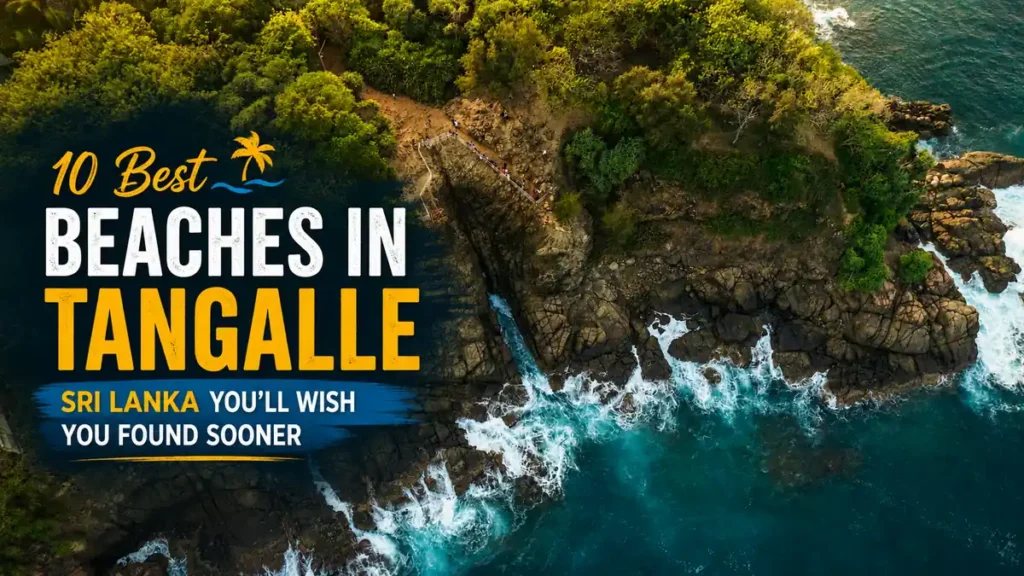
When I first heard about the best beaches in Tangalle, Sri Lanka, I honestly thought it was just another overhyped tourist spot. I was wrong. Dead wrong. After spending two weeks exploring this coastal town in the south, I realized why locals keep these beaches as their best-kept secret. The thing about the best beaches in Tangalle is that they’re not crowded, wildly beautiful, and offer something genuinely different from the mainstream beach circuit.
Tangalle sits on Sri Lanka’s south coast, about 190 kilometers from Colombo, and it’s become my favorite hidden beach destination in the entire country. Whether you’re looking for sea turtle encounters, empty shores, or perfect sunset spots, you’ll find it here.
Why Tangalle Has Some of Sri Lanka’s Most Beautiful Beaches
Here’s what makes Tangalle special. According to the Sri Lankan Tourism Development Authority, this region receives optimal weather conditions during the northeast monsoon (December to March), making it the perfect counter-seasonal destination when other parts of the island are wet. The beach coves here are sheltered by natural rock formations, which create these gorgeous pockets of calm water surrounded by dramatic cliffs.
I noticed something interesting while talking to local hotel owners; they said tourism here has grown, but it’s still genuinely low-key. The main road doesn’t have the frantic energy of Mirissa or Arugambe. There’s breathing room. The Sri Lankan Government’s Ministry of Tourism reports that Tangalle accounts for only about 3% of the country’s annual beach tourism, yet it offers some of the most diverse coastal ecosystems on the island.
Key Facts About Tangalle’s Beaches
The beaches here range from busy fishing harbors to pristine, virtually empty crescents. The water temperature averages 28°C year-round, according to the Indian Ocean Marine Research Institute. Most beaches have minimal infrastructure, which sounds inconvenient until you realize it means no jet skis, no beach vendors hassling you, and no resort development swallowing the coastline.
Tangalle Beach: The Town’s Classic Stretch of Sand
This is the main beach, right in the heart of town. If you’re staying in Tangalle and want immediate beach access without driving 20 minutes, this is it. It’s busy by Tangalle standards (meaning maybe 50 people on a good day, not 5,000), with fishing boats lining one end and a string of small guesthouses backing the sand.
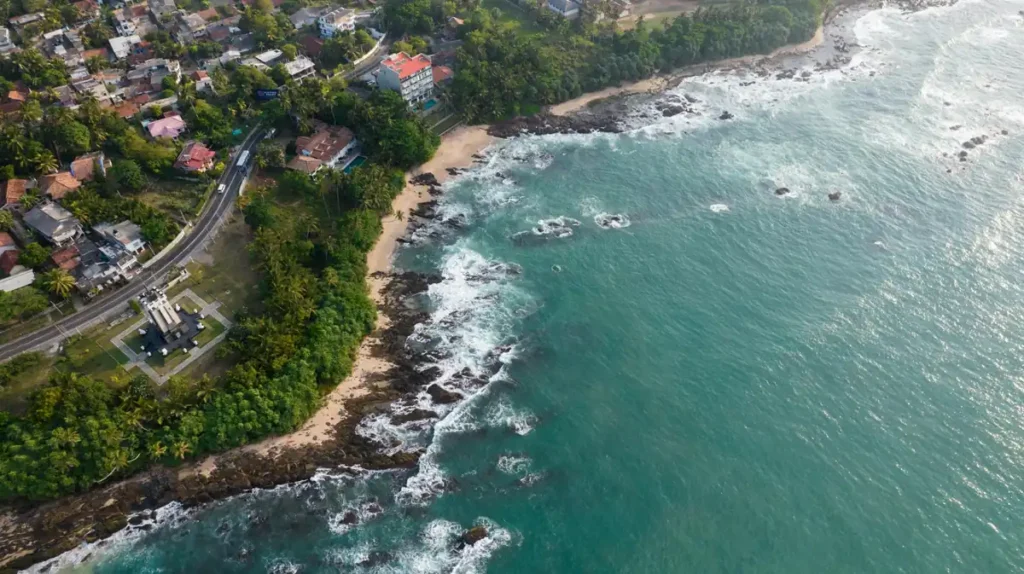
The thing I appreciated was the authentic local vibe. You’ll see families splashing around, fishermen hauling nets, and old guys playing cricket. There’s a modest wooden pier where you can watch boats come and go. The water’s clean, reasonably calm on most days, and there’s enough activity that you don’t feel isolated if you prefer a bit of human presence.
- Best for: Budget travelers, families, cultural immersion
- When to go: December to March
- What to watch: Local fishing activity at dawn
Silent Beach: A Hidden Gem Away From the Crowds
This name isn’t exaggerated. I found Silent Beach almost by accident while walking along the coastal cliffs, and honestly, it might be the most peaceful beach I’ve visited in South Asia. It’s a small cove tucked between two rocky outcrops, accessible by either a short jungle path or by walking along the beach at low tide. The sand is golden, the water’s incredibly clear, and I counted exactly three other people there on a sunny afternoon. One of them was a local fisherman who nodded politely and left me alone. That’s the vibe.
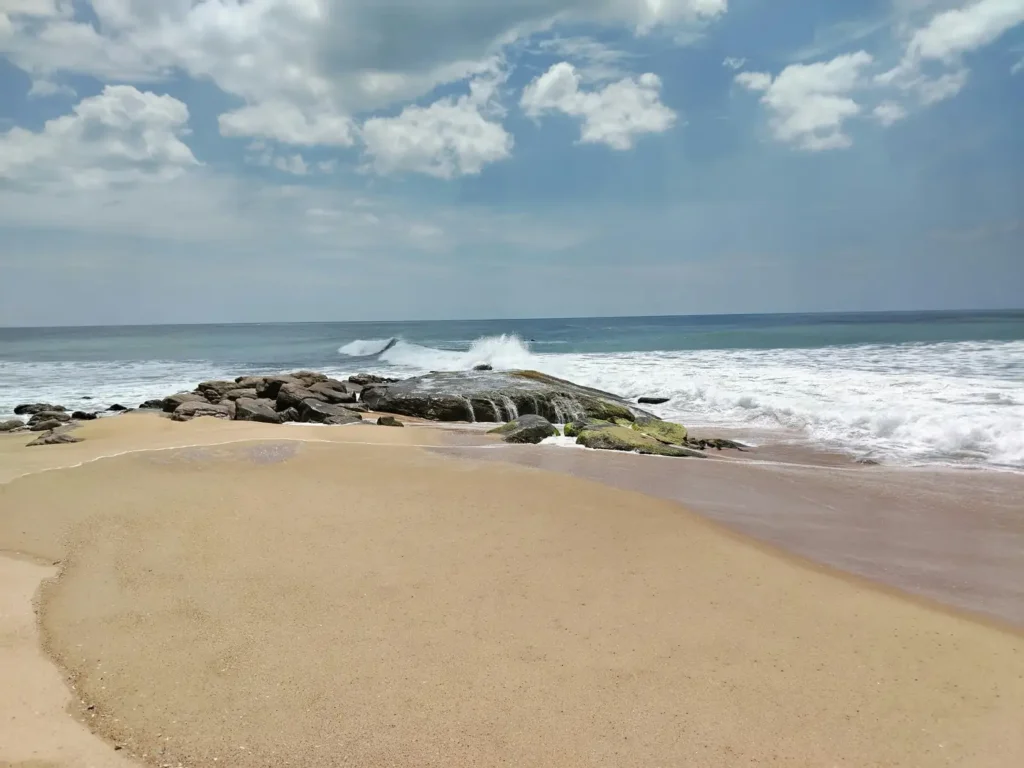
There’s no food, no facilities, no shade beyond the cliff overhang. Bring water and sunscreen. But if you want to understand why people come to beaches in the first place, the silence, the simplicity, the feeling that you’ve discovered something untouched, Silent Beach delivers it.
- Best for: Solo travelers, swimmers, people seeking genuine solitude
- Difficulty level: Easy but requires good footwear
- Pro tip: Visit around 3 PM for afternoon light that’s absolutely magical
Goyambokka Beach: Calm Waters and Relaxed Vibes
Goyambokka sits about 5 kilometers east of Tangalle town, and it’s backed by lush vegetation rather than buildings. The beach itself curves gently, with sand that’s softer than Tangalle Beach’s main stretch. According to local maritime records maintained by the Matara District Administration, Goyambokka has some of the calmest waters on this stretch of coast due to its natural wave-breaking rock formations.
I stayed nearby for a few days and fell into a nice routine: morning swim, breakfast at a small warung, afternoon exploring the tide pools. The water temperature was perfect (around 28-29°C), and the beach atmosphere was so laid-back that locals use it for evening cricket matches.
- Best for: Swimmers, families with young kids, beach yoga
- Facilities: Basic beach cafes (2-3 small huts)
- Safety rating: Very good, lifeguards present during tourist season
Medaketiya Beach: Best for Beach Walks and Sunsets
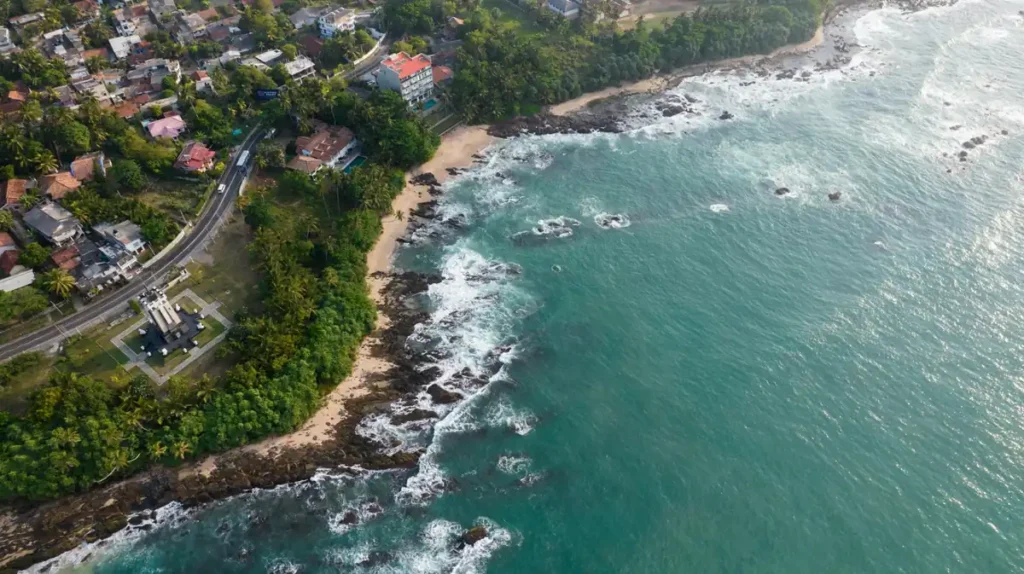
This one’s longer than most Tangalle beaches, stretching almost 3 kilometers in an arc. The cliffs behind it are dramatic, at certain points, 100+ meters high. Medaketiya is where locals come to walk, and I found myself doing the same almost daily. There’s something meditative about walking these shores at 6 AM with maybe a dozen other people.
The sunset here is genuinely stunning. The rocks catch the light in this orange-pink way that’s hard to describe without sounding cliché. I watched the sun drop behind the ocean and just… sat there for 45 minutes without thinking about emails. That matters. The beach has sections with rocks, sections with sand, and sections with fascinating tide pools. During low tide, you can explore for hours.
- Best for: Photographers, walkers, sunset chasers, tide-pooling
- Best time: 5:30 PM – 7:00 PM for sunsets
- Bring: Good walking shoes, water bottle
Pallikkudawa Beach: A Peaceful Spot for a Quiet Escape
Pallikkudawa is my favorite beach for just… being. No agenda, no “I must do something cool here.” It’s a small beach, maybe 500 meters across, with dark golden sand and surprisingly warm water. There’s one main accommodation (a basic guesthouse), and that’s it for infrastructure.
Local fishermen sometimes moor boats here, and you’ll often see families from the neighboring village. This is actually where Tangalle residents come when they want a beach day, not tourists. There’s no café, but if you ask at the guesthouse, someone will make you chai for $1.50.
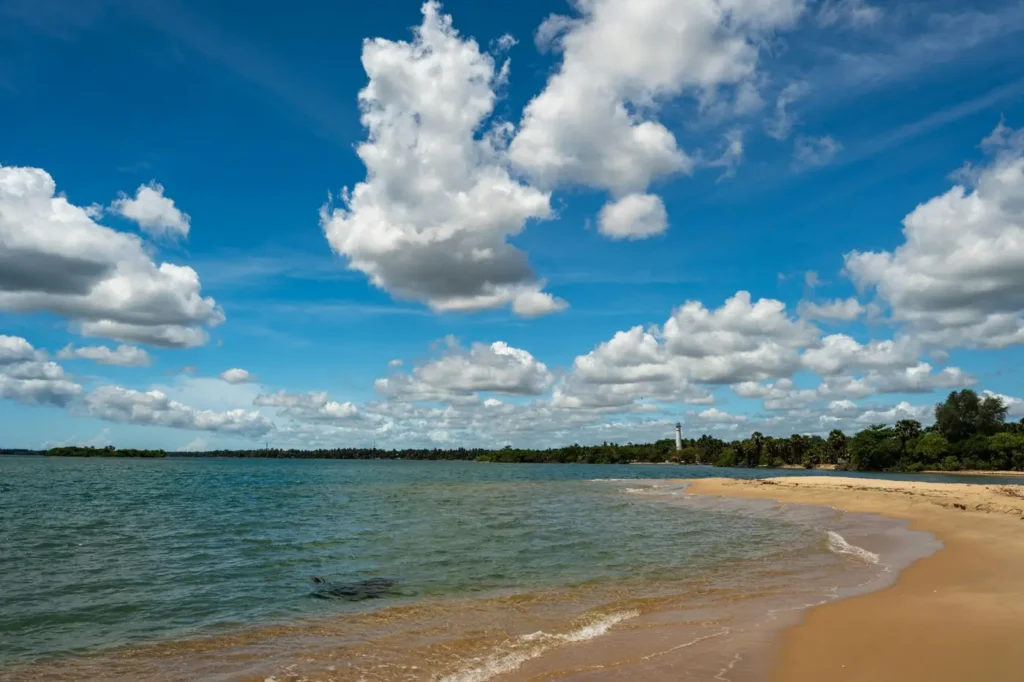
The beach faces southeast, so it catches both sunrise and afternoon light beautifully. The waves are small, perfect for wading and swimming without expertise. I took an afternoon nap on this beach and woke to the sound of traditional fishing songs from the boats—genuinely one of my favorite beach memories.
- Best for: Peace-seekers, families, budget travelers
- Crowd level: Minimal (5-15 people most days)
- What to expect: Authentic local beach culture
Rekawa Beach: Where Sea Turtles Come Ashore
This is the flagship beach for turtle watching, and it’s a legitimate wildlife destination. Rekawa Beach has been monitored for turtle nesting since 1990 by the Turtle Conservation Project, an NGO working with Sri Lanka’s Department of Wildlife Conservation. They have hard data: 2,000+ loggerhead and green sea turtle hatchlings emerge from this beach annually during nesting season (April-August).
I visited in May and saw a nesting turtle. Genuinely one of the most moving wildlife experiences of my life. The turtle came up the beach at dusk, dug its nest, laid 120+ eggs, and disappeared back into the ocean in about an hour. Moments like that stick with you.
The beach itself is rocky, with a sharp slope, not ideal for swimming, but perfect for the turtles. Visiting is strictly regulated (you need to go with the Turtle Conservation Project or an approved guide), which is exactly how it should be. Casual tourism doesn’t belong here.
- Best for: Wildlife enthusiasts, conservationists, turtle encounters
- Entry: Requires guide ($15-25 per person)
- Best season: April to August (nesting period)
Kahandamodara Beach: An Underrated Coastal Retreat
Kahandamodara is less famous than Rekawa or Tangalle Beach, which honestly makes it better. It’s about 8 kilometers from town, tucked into a cove with high cliffs on one side and relatively empty sand on the other. The beach isn’t white, it’s more of a caramel color, but it’s pristine and quiet.
I found out about it from my guesthouse owner, who casually mentioned it as an alternative if the other beaches felt too busy (which they honestly don’t). The water here is exceptionally clear, probably due to the limited river input and good wave action. Visibility for snorkeling is decent, and I saw parrotfish and small reef fish despite it not being a formal dive site.
There’s a small beach bar run by a friendly guy named Ravi who makes excellent fresh lime juice. No overpriced tourist menu, just honest beach snacks at honest prices.
- Best for: Snorkeling, beach photography, quiet mornings
- Facilities: One basic café, no commercial development
- Vibe: Empty but welcoming
Marakolliya Beach: Nature, Mangroves, and Empty Shores
This beach is wilder than the others. There’s a mangrove lagoon feeding into it, and you can hear exotic birds if you’re quiet. The sand is coarse, the cliffs are dramatic, and the development is exactly zero.
Walking in Marakolliya, you feel like you’re exploring somewhere unmapped. There are no resorts within 5 kilometers, no signage, and minimal foot traffic. I saw more birds than people. The Sri Lankan Ornithological Union has recorded over 180 bird species in the broader Tangalle region, with several endemic species using these mangrove systems as breeding grounds.
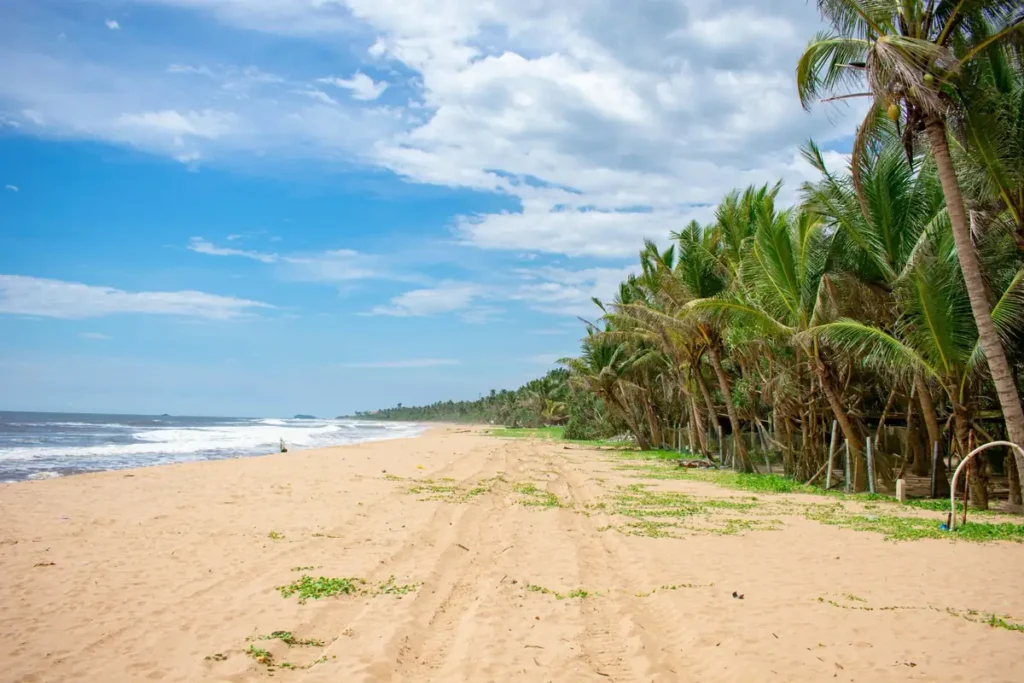
The beach isn’t ideal for swimming (the bottom’s uneven, and there can be strong currents), but it’s phenomenal for nature walks and photography. The light at golden hour extraordinarily hits those cliffs.
- Best for: Nature lovers, bird-watchers, photographers, explorers
- Difficulty: Moderate (uneven terrain)
- What to bring: Good footwear, binoculars, camera
Which Tangalle Beach Is Best for Swimming?
Here’s a table that cuts through the noise:
| Beach | Water Clarity | Wave Size | Swimming Safety | Water Temperature |
| Goyambokka Beach | Excellent | Minimal | Very safe | 28–29°C |
| Tangalle Main Beach | Very good | Small to medium | Safe | 27–28°C |
| Pallikkudawa Beach | Excellent | Small | Very safe | 28°C |
| Silent Beach | Excellent | Minimal | Safe for strong swimmers | 27–28°C |
| Medaketiya Beach | Good | Medium | Moderate | 27–28°C |
The honest answer: Goyambokka and Pallikkudawa are your safest bets. Both have calm waters, good sand, and suitable depths for most swimmers.
Best Beaches in Tangalle for Families
If you’re bringing kids, this matters:
Tangalle Beach Main
Easy access, facilities nearby, calm conditions most days. Kids can play in the shallows while parents relax. There’s a pier for exploring, ice cream stands, and other families around. Feels safe.
Goyambokka Beach
Calmer waters, less crowded, small beach cafes where kids can have a snack. The beach has a gentle slope, so you can keep an eye on young swimmers. Local families use this beach regularly.
Family Beach Amenities Comparison
| Beach | Toilets | Food Options | Shade | Lifeguards | Kid-Friendliness |
| Tangalle Main Beach | Yes, basic facilities | 3–4 cafes | Minimal | Yes | Excellent |
| Goyambokka Beach | Limited | 2–3 cafes | Moderate | Seasonal | Excellent |
| Pallikkudawa Beach | No | 1 guesthouse nearby | Moderate | No | Good |
| Medaketiya Beach | No | 1 basic cafe | Minimal | No | Good |
Where to Find the Most Secluded Beaches
Want to be actually alone? Here’s what works:
Silent Beach: Requires a 15-minute walk on a sometimes-unclear path. Most tourists never find it. I’d rate the isolation level at 9/10.
Marakolliya Beach: Remote, no commercial development, bird sounds instead of people sounds. Isolation: 9.5/10.
Pallikkudawa: Close to town but minimal tourist infrastructure. Isolation: 7/10.
The eastern cliffs between Goyambokka and Medaketiya: If you’re comfortable scrambling down cliffs, there are small rock coves accessible at low tide. These exist in a weird gray area, technically accessible but practically visited by maybe one person per week. Isolation: 9.5/10 (but requires intermediate hiking skills).
Find the beaches that still feel like a secret. Read more in Sri Lanka Secret Beaches Guide: 11 Hidden Shores Most Tourists Miss for our top picks.
Best Time to Visit Tangalle’s Beaches
This is crucial because monsoons matter:
The best time to visit Tangalle’s beaches is from December to March, when the weather is sunny, the sea is calmer, and swimming conditions are usually at their best. This is the dry season, so beaches like Goyambokka, Tangalle Main Beach, Pallikkudawa, Silent Beach, and Medaketiya are more enjoyable for relaxing, swimming, and taking photos. It is also the peak season, but Tangalle still feels much quieter compared to busier beach towns in Sri Lanka.
The shoulder season, especially April to May and September to October, can also be a good time to visit if you prefer fewer crowds. The weather is warm, though short rain showers can happen, and the sea conditions may change from day to day. One special reason to visit during this period is the turtle nesting season, which usually runs from April to August.
From June to August and in November, Tangalle enters the monsoon period. Rain can be heavy, the sea may become rougher and murkier, and swimming is not always safe. However, this season can work for travelers who want cheaper accommodation, peaceful beaches, and a very quiet coastal escape without many tourists.
Wondering when to plan your visit? Read more about Best Time to Visit Goyambokka Beach (And Why Timing Changes Everything).
Monthly Conditions:
| Month | Rainfall | Crowds | Best For | Waves |
| January | Minimal | High | Swimming and all activities | Small |
| February | Minimal | High | Swimming and all activities | Small |
| March | Minimal | Medium | Swimming and hiking | Small to medium |
| April | Increasing | Low | Turtle watching and solitude | Medium |
| May | Moderate | Low | Turtle watching and photography | Medium |
| June–August | High | Minimal | Budget travel and surfing | Large |
| September | Moderate | Low | Budget travel | Large |
| October | Moderate | Low | Hiking and birdwatching | Medium |
| November | Increasing | Low | Solitude | Medium to large |
| December | Minimal | Medium | Swimming and all activities | Small to medium |
Safety Tips Before You Head to the Water
This is the practical section nobody wants to read, but everyone should:
Water Safety
- Swimming alone is risky everywhere. Tangalle has occasional rip currents; ask locals about conditions before entering.
- Don’t swim in murky water (which means rough seas and debris).
- Watch for rocks hidden under the surface, especially at Rekawa and Medaketiya.
- Lifeguards exist at Tangalle Beach and seasonally at Goyambokka. Elsewhere, you’re responsible for yourself.
Beach Safety
- Petty theft happens. Keep valuables with you or in your accommodation.
- Don’t leave cameras or phones unattended.
- Wear reef shoes to avoid cuts and stings.
- The sun here is intense. SPF 50+ is not excessive.
- Dehydration sneaks up. Drink more water than feels necessary.
Wildlife Awareness
- Sea turtles are protected; observe from a distance.
- Jellyfish appear seasonally; ask locals if they’ve been spotted.
- The snakes here are mostly non-aggressive, but wear shoes on trails.
- Don’t feed monkeys or wildlife (yes, people try).
Where to Stay Near Tangalle’s Top Beaches
Your accommodation choice affects beach access significantly:
Budget Options ($10-25/night)
- Guesthouses line Tangalle town’s main road
- Most are within 5-10 minute walks to Tangalle Beach
- Expect basic but clean rooms; hot water reliability varies
- Examples: Popular guesthouses (family-run, honest pricing)
Mid-Range ($25-60/night)
- Small hotels with actual amenities (reliable WiFi, restaurant)
- Some beachfront locations (at Goyambokka and Medaketiya)
- Better service, but still maintaining local character
- Often have restaurant-bars with decent food
Premium ($60+/night
- Boutique hotels and villas
- Mostly around Medaketiya or slightly away from the main beaches
- High quality but less budget-travel vibe
Honest advice: Tangalle doesn’t have luxury resort infrastructure, and that’s its entire appeal. Stay mid-range, enjoy the authenticity, and spend money on experiences instead.
Suggested Beach-Hopping Itinerary in Tangalle
Here’s what I did (and recommend):
- Day 1: Arrive in Tangalle, settle into accommodation, swim at Tangalle Beach, grab dinner at a local warung.
- Day 2: Visit Goyambokka Beach early (breakfast at a beachside café), hike to Medaketiya in the afternoon, watch sunset from the cliffs.
- Day 3: Organized turtle visit to Rekawa Beach (book through accommodation). Evening free. Rest and explore the town.
- Day 4:Walk Silent Beach, pack lunch, spend the afternoon there, explore adjacent tide pools.
- Day 5: Nature walk to Marakolliya, explore mangrove area, photograph birds, return before dark.
- Day 6: Relaxation day, Pallikkudawa Beach, leisurely swim, afternoon nap, chai with locals.
- Day 7: Snorkel at Kahandamodara, explore coastal cliffs, reflect on favorite spot.
What Should I Pack?
- Reef shoes (rocks, coral, sharp shells)
- Sunscreen (SPF 50+)
- Quick-dry clothes
- Light rain jacket (for shoulder seasons)
- Reusable water bottle
- Basic first aid kit
Your Perfect Tangalle Beach Awaits: Final Takeaways
After weeks exploring these beaches, I’ve come to understand why Tangalle feels different.Far from the spotlight, it remains genuinely authentic.The best beaches in Tangalle, Sri Lanka, remain places where locals genuinely live their beach lives, not where beaches have been optimized for tourism.
You get calm water at Goyambokka. Solitude at Silent Beach. Turtles at Rekawa. Wildlife at Marakolliya. Beauty at Medaketiya. Genuine culture at Tangalle main. Simplicity everywhere. The best part? You don’t need to be an expert traveler to enjoy them. Basic comfort, reasonable caution, and a willingness to walk a bit get you to remarkable places.
Sri Lanka’s Tourism Authority estimates that Tangalle receives 40,000+ international visitors annually, tiny compared to places like Bali or Thailand. Most beaches here remain peaceful. Pack light, arrive without overplanned expectations, and let these beaches surprise you the way they surprised me.
Frequently Asked Questions About Tangalle Beaches
Is Tangalle Safe for Tourists?
Yes. Crime against tourists is rare. Standard travel precautions apply (don’t flaunt valuables, stay aware at night), but Tangalle is safer than many mainstream beach destinations. According to the Sri Lankan Tourism Police, incident rates in Tangalle are below national averages.
Can I Swim Year-Round?
Technically, yes, though conditions vary. December-March is ideal. June-August has rough seas but fewer tourists and better prices. May and September have occasional rain but manageable swimming.
Do I Need a Guide to Find These Beaches?
No. Most are accessible by foot or tuk-tuk. For turtle visits at Rekawa, guides are required and regulated. For hiking remote areas, guides are helpful but not essential if you’re careful.
How Long Should I Spend in Tangalle?
3-5 days lets you experience most beaches without rushing. A week lets you truly relax. Less than 2 days feels too quick, given the travel to get here.
Are These Beaches Accessible by Public Transport?
Mostly yes. Tangalle town has regular buses from Colombo and other south coast towns. Getting to beaches requires tuk-tuks ($3-8 per trip) or walking (15-45 minutes depending on distance).
What’s the Nearest International Airport?
Bandaranaike International Airport in Colombo (BIA), about 190 kilometers away, is roughly 4 hours by car. It’s Sri Lanka’s primary entry point, according to the Airport and Aviation Services Sri Lanka authority.
Should I Hire a Private Driver?
If budget allows, yes. Around $40-50/day for a driver and car lets you explore flexibly. Otherwise, tuk-tuks work fine for major beaches.
What About Accommodation Booking?
Book directly at guesthouses for the best rates, or use platforms like Booking.com. During peak season (December-January), book 2-3 weeks ahead. In other months, same-day bookings usually work.
Are Tangalle Beaches Crowded?
Not by international standards. Even peak season means dozens, not thousands. Tangalle Beach can get busy, but other beaches remain quiet. This is literally the appeal.