
Aitutaki Lagoon Travel starts with a 50-minute flight from Rarotonga, and Air Rarotonga flies the route every day. Once you land, most visitors book a lagoon cruise to snorkel in clear water and enjoy a beach picnic at One Foot Island. The best time to go is May to October, when the weather is drier and cooler. For smooth Aitutaki Lagoon Travel, book your flights, hotel, and cruise early, then rent a scooter or bike to get around.
Why Aitutaki Lagoon Travel Tops Every Pacific Bucket List
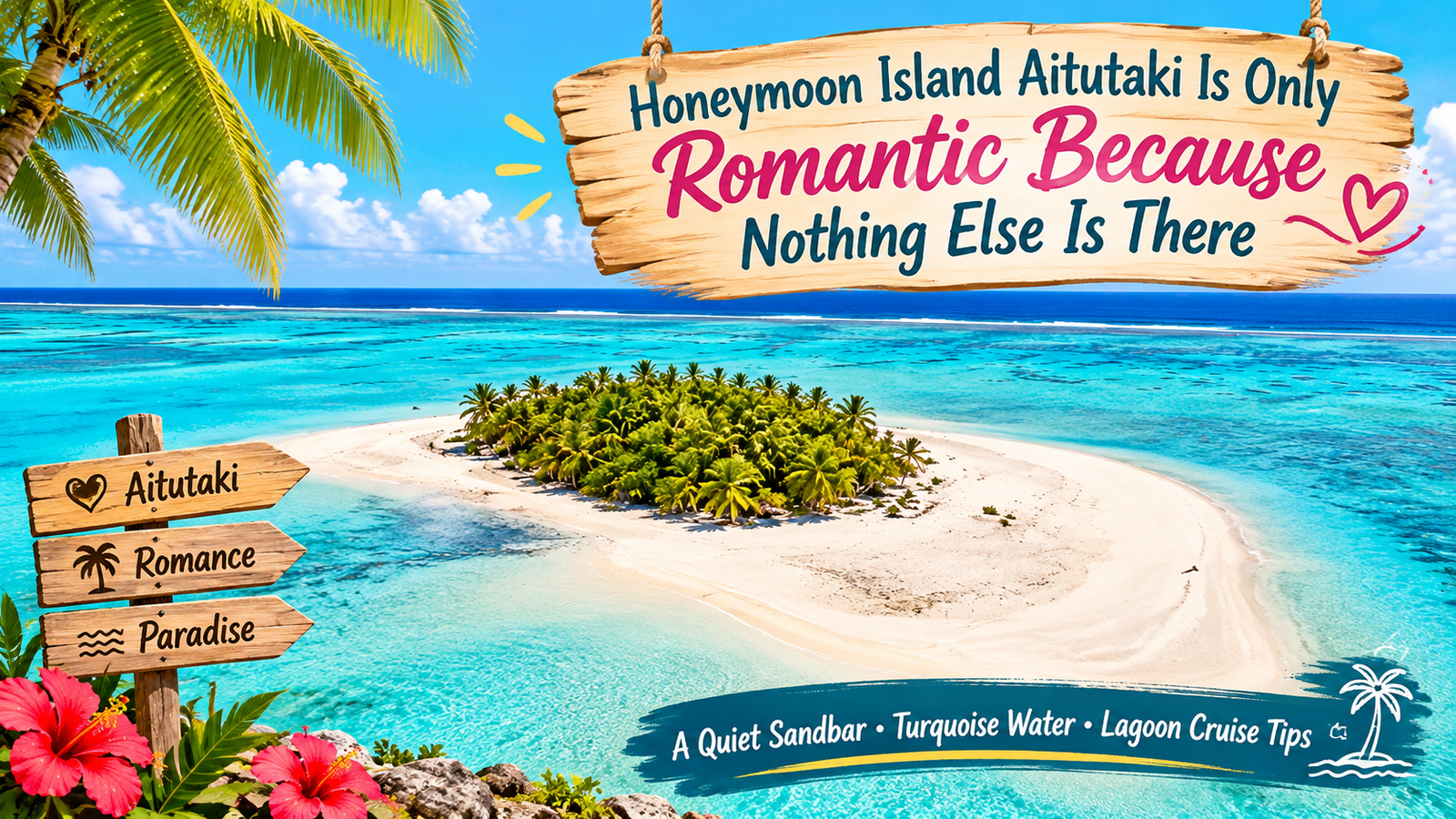
Aitutaki sits about 220 kilometers north of Rarotonga, and its lagoon is often described as the most beautiful in the world, according to the Cook Islands Tourism Corporation. The island is home to roughly 1,800 people and surrounded by around 15 motu scattered across a huge, shallow lagoon.
What makes it so special isn’t just the color of the water. It’s the quiet. There are no big resorts crowding the shoreline, no traffic jams, and no rush. Everything here moves at island speed.
A few things set Aitutaki apart from other lagoon destinations:
- The lagoon is shallow and calm, so swimming and snorkeling feel safe even for beginners.
- One Foot Island lets you get a novelty passport stamp while standing in genuinely stunning scenery.
- The main island still feels local, with small villages, churches, and working farms.
- It’s quieter than Bora Bora or the Maldives, with fewer crowds at most viewpoints.
Getting There: Flights, Fares and Entry Rules
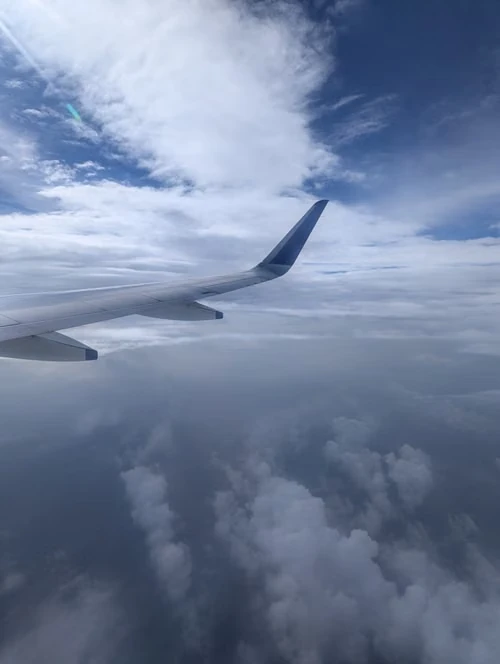
There’s no direct international airport on Aitutaki, so every trip starts in Rarotonga. From there, Air Rarotonga (airraro.com) operates the only scheduled flights to Aitutaki, with several departures most days and a flight time of around 50 minutes.
Round-trip fares between Rarotonga and Aitutaki commonly fall somewhere between $350 and $450, though prices shift with season and how early you book. A popular option is the Aitutaki Day Tour, a same-day package combining return flights, a lagoon cruise, and lunch, priced by Air Rarotonga at a few hundred New Zealand dollars per person. Since fares change often, it’s worth checking Air Rarotonga’s official site directly before you commit to dates.
Visa and Entry Requirements You Should Know
Most nationalities don’t need a visa to visit the Cook Islands for tourism. According to the UK Government’s travel advice, visitors can stay up to 31 days visa-free, with New Zealand citizens allowed up to 90 days.
A few entry basics worth knowing before you fly:
- Your passport should be valid for at least six months beyond your departure date.
- You’ll need proof of onward or return travel booked already.
- Extensions are possible at the immigration office, up to a maximum stay of five months total.
Where to Stay Around the Lagoon
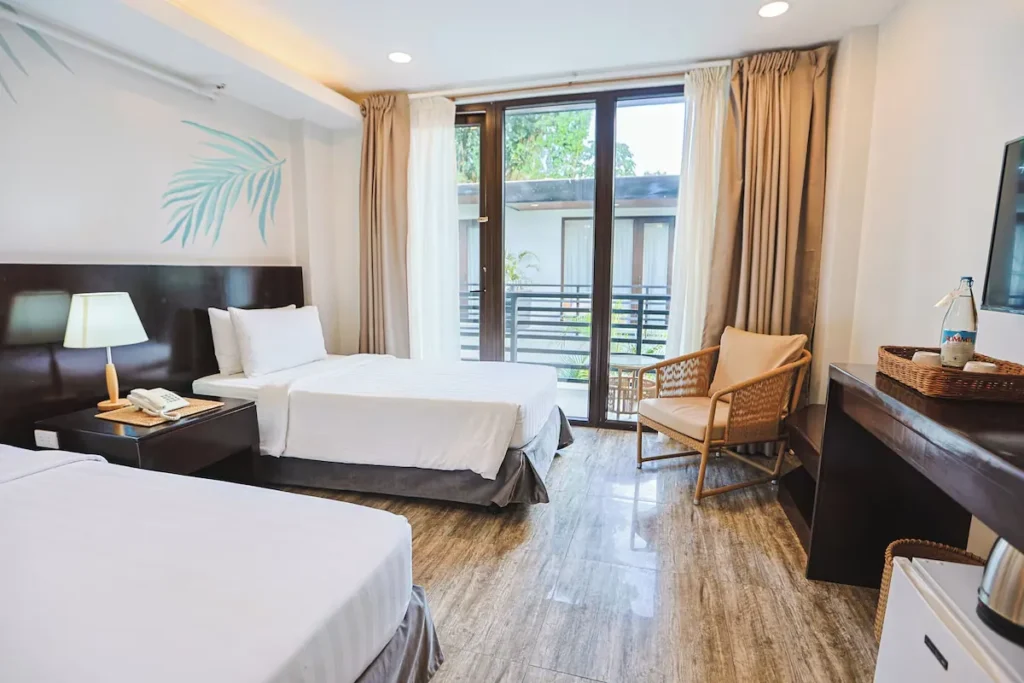
Accommodation on Aitutaki ranges from simple beach bungalows to overwater villas, and the right choice really depends on your budget and what you want from the trip. Prices and availability change by season, so treat the figures below as a general guide rather than a fixed rate.
- Budget to mid-range: Beachfront guesthouses and small lodges often run from around $150 to $350 a night.
- Mid to upper range: Established resorts with lagoon views typically land between $350 and $900 a night.
- Luxury overwater stays: The island’s private island resort, known for its overwater bungalows, can exceed $1,000 a night depending on dates.
Choosing the Right Base for Your Aitutaki Lagoon Travel Plans
If snorkeling straight off the beach matters to you, pick a property close to O’otu Beach, where most lagoon cruises depart. Couples chasing total privacy tend to prefer the motu resorts, while families often do better on the main island, closer to shops and the airport.
It’s worth booking well ahead for the busier months, since Aitutaki has a limited number of rooms compared with bigger island destinations.
Best Things to Do in the Lagoon
Almost everything worth doing on Aitutaki happens on or around the water, and that’s really the point of coming here.
- Lagoon cruise: A half-day or full-day boat trip stopping at several motu, including the famous One Foot Island, remains the single most popular activity.
- Snorkeling with giant clams: Several tour operators stop near a protected clam sanctuary where you can see them up close.
- Kayaking or paddleboarding: Many resorts offer free or low-cost gear to paddle out to the nearest motu yourself.
- Island drive: Renting a scooter or small car for a loop of the main island takes just a couple of hours and shows you village life away from the beaches.
- Sunset at the lookout: Climbing Maungapu, the island’s highest point, rewards you with a view over the entire lagoon.
Most lagoon cruises include snorkeling stops, a barbecue lunch, and time to relax on a private beach, so a single tour can easily fill your day. One of the highlights of exploring the lagoon is visiting One Foot Island. Read our One Foot Island Aitutaki Travel Guide to learn about its famous beach, passport stamp, snorkeling spots, and visitor tips.
Best Time to Visit and Weather
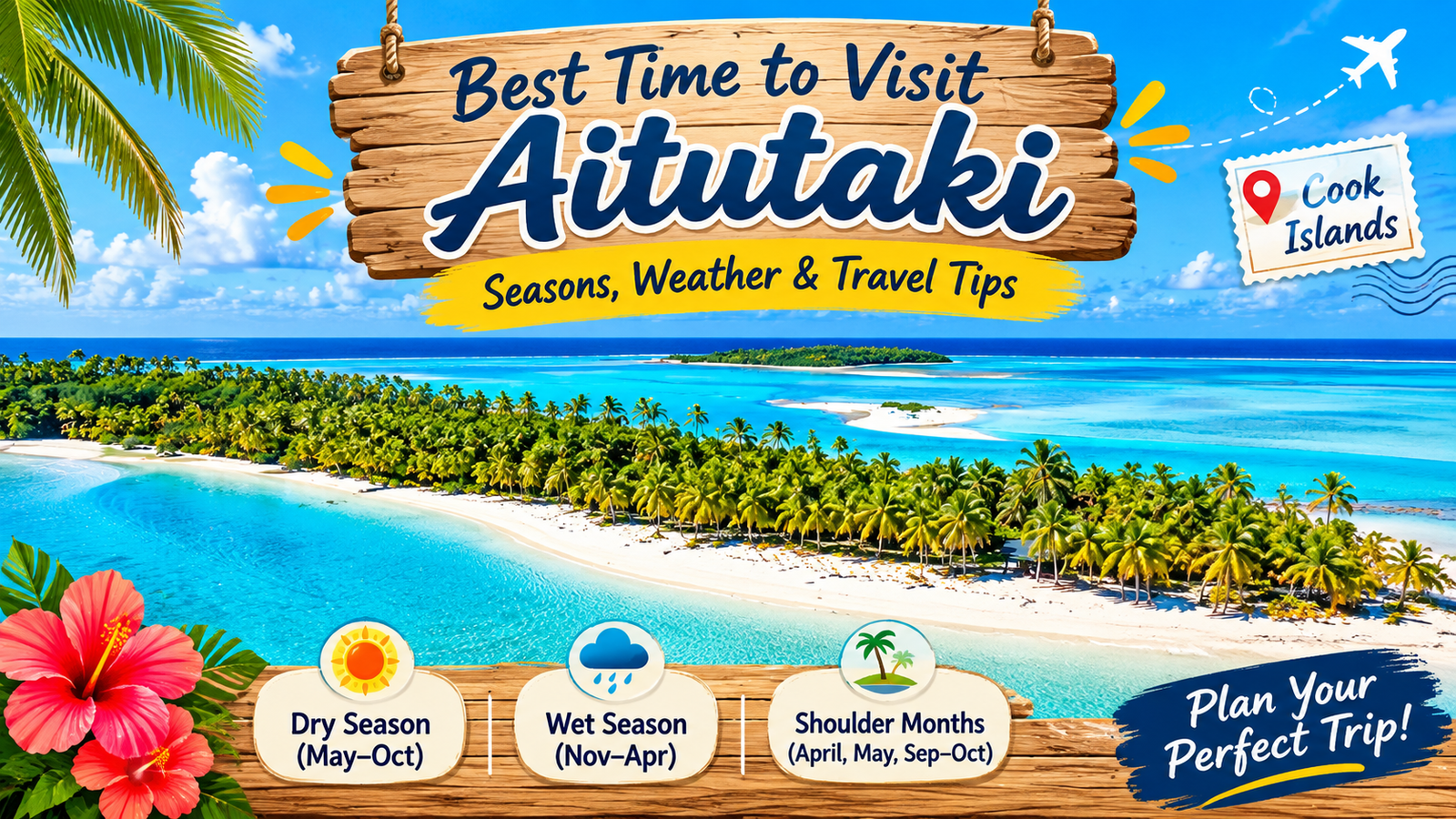
The Cook Islands have a tropical climate split roughly into a dry season from April to November and a wetter, warmer season from December to March. Many travelers planning Aitutaki Lagoon Travel aim for the dry months, when humidity drops and rainfall is less frequent.
That said, Aitutaki rarely gets uncomfortably hot, and even the wetter months bring mostly short, passing showers rather than constant rain. If you want cooler evenings and drier days, aim for June to August; if you don’t mind a bit more humidity for better flight deals, the shoulder months can work out cheaper. If you are planning your trip around beach weather and outdoor activities, read our guide to the best time to visit Aitutaki for seasonal weather details and travel tips.
Practical Tips for a Smooth Trip
A little preparation goes a long way on a small island with limited shops and services.
- Bring enough cash, since ATMs on Aitutaki are limited and not every business accepts cards.
- Pack reef-safe sunscreen and reef shoes, since parts of the lagoon floor are coral and rock.
- Book your lagoon cruise a day or two in advance during busier months, as boats do fill up.
- Confirm your accommodation includes breakfast or self-catering options, since restaurant choices are limited outside resorts.
- Always check official sources for current entry rules, fares, and fees before you travel, since these details can change.
None of this needs to be complicated. Most visitors find that a few days on Aitutaki is enough to feel completely unwound, and leaving a little flexibility in your schedule makes the whole trip easier to enjoy.
Frequently Asked Questions
How many days should I spend on Aitutaki?
Most travelers find two to three days enough to enjoy a lagoon cruise, a snorkeling trip, and some time to relax, though a longer stay suits anyone wanting to slow down further.
Do I need a visa for Aitutaki Lagoon Travel?
Most nationalities can enter visa-free for up to 31 days, based on current Cook Islands entry rules, though it’s wise to confirm requirements for your specific passport before flying.
How do I get from Rarotonga to Aitutaki?
Air Rarotonga operates the only flights between the two islands, with a flight time of about 50 minutes and multiple departures on most days.
Is Aitutaki expensive to visit?
Costs vary widely depending on accommodation choice, from budget guesthouses to high-end overwater villas, so it’s possible to visit on a modest budget or splurge on luxury.
What is the best month to visit Aitutaki?
The dry season, roughly April through November, generally offers the most comfortable weather, though exact conditions vary year to year.

2 Responses