
Chabahar Beach sits on Iran’s Makran Coast, where the Gulf of Oman meets golden sand and rocky cliffs. Unlike the deserts and mountains that most people connect with Iran, Chabahar Beach offers warm water, mild weather, and a calm coastal life all year round. Local fishermen sell fresh catch right by the shore, and small seafood stalls line the waterfront with simple, tasty meals.
Visitors can also explore nearby hidden coves, watch colorful sunsets over the water, or try surfing in one of the few spots in the country where the waves make it possible. Because so few international travelers know about it, the beach still feels quiet, natural, and untouched by mass tourism.
The Unique Beauty of Iran’s Makran Coast
Stretching for nearly 1,000 kilometers along southeastern Iran, the Makran Coast is one of the country’s most untouched coastal regions, with Chabahar serving as its main gateway. Unlike crowded tourist destinations, this coastline offers a quieter and more authentic travel experience, known for its rugged cliffs, traditional fishing villages, and long, undeveloped beaches. Travel experts and regional tourism studies often describe the Makran Coast as one of the least explored yet most visually diverse coastal areas in the Middle East.
What makes this region especially remarkable is the dramatic change in landscapes within a relatively short distance. Travelers can move from soft sandy beaches to volcanic rock formations and rare mudflat zones in just a few hours. The famous Martian Mountains, also known locally as Kuh-e Namak, add another layer of uniqueness with their surreal, moon-like appearance. Because of this rare combination of geological features, the Makran Coast is increasingly recognized by geographers, travel researchers, and adventure tourism experts as one of Asia’s most distinctive natural coastal regions.
Makran Coast Feature Breakdown
| Feature | Description | Best Time to See |
| Sandy Beaches | Long, open stretches near Chabahar city | October – March |
| Rocky Cliffs | Eroded sandstone formations along the shore | November – February |
| Mudflat Zones | Unique flat coastal terrain, great for photography | Winter months |
| Offshore Islands | Small uninhabited islands accessible by boat | November – April |
| Mangrove Forests | Rare coastal mangroves near Ramin port | Year-round |
Think Iran is only deserts and ancient cities? These 7 Hidden Beaches in Iran You’ve Probably Never Heard Of might completely change your mind.
Best Things to Do at Chabahar Beach
There’s more to do here than most people realize, and none of it feels manufactured or touristy. That’s the appeal.
- Walk the long open beaches near Tis village, where locals fish at dawn
- Take a boat trip out to the small offshore islands for snorkeling
- Visit the Lipar Wetland, a flamingo habitat about 70 km from the city
- Explore the Martian Mountains at golden hour for extraordinary photography
- Shop at the local bazaar for Baluchi handicrafts and spices
- Watch the traditional fishing boats return each morning at the port
Locally, people also recommend simply sitting at the waterfront in the evening. Chabahar has a genuinely different atmosphere compared to Tehran. It’s warmer in personality, unhurried, and the coastal culture here feels much more connected to the sea than anything you’d find in central Iran.
What is Chabahar Beach best known for?
Chabahar Beach is famous for its rugged Makran coast, powerful waves, fresh seafood, and unique spots like the Martian Mountains and Lipar Wetland, making it one of Iran’s most beautiful beach destinations.
Famous Beaches Around Chabahar You Should Visit
The main city beach is pleasant, but honestly not the highlight. The real gems are slightly further out.
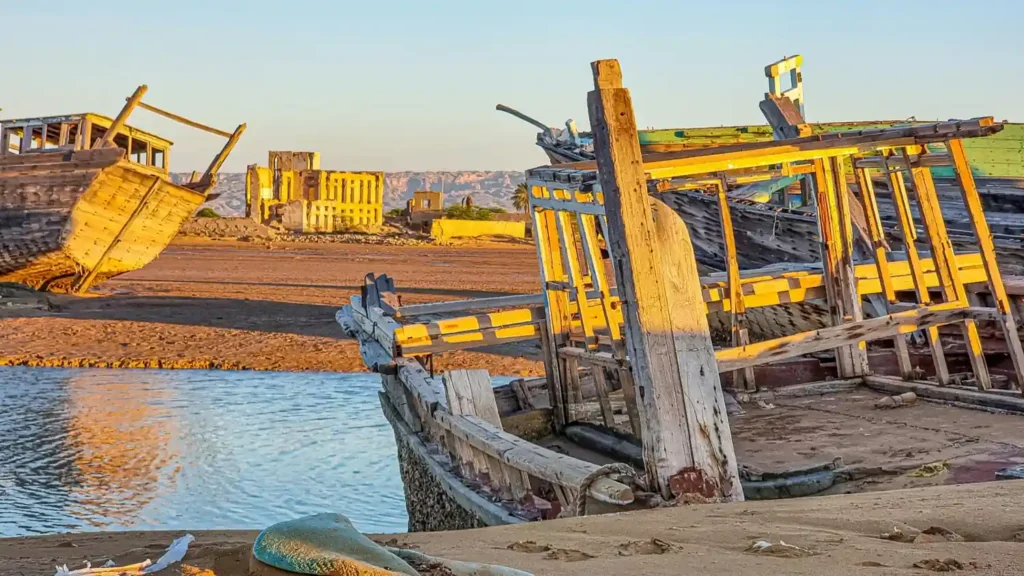
Ramin Beach is arguably the most photogenic stretch near Chabahar. The rock formations here are unlike anything else on the Iranian coast, and the water turns a deep blue-green during calm weather. Additionally, Tis Beach, located near the ancient port of Tis, about 20 kilometers from the city, offers a quieter experience with traditional fishing communities and historical ruins nearby. Furthermore, Pozm Inlet is a sheltered cove popular with local families that stays calmer than the open-sea beaches, making it a good option for swimming.
Rocky Cliffs, Blue Waters, and Sunset Views
One thing that really stood out to me was the incredible evening light along the cliffs. As the sun sets over the Gulf of Oman, the sandstone cliffs glow in rich shades of orange and red, creating views that feel similar to the landscapes of the American Southwest. Because of this unique scenery, many photographers travel to Chabahar just to capture these moments.
The cliffs around Chabahar were formed over millions of years through wave erosion and seismic activity. Many of the rock formations look almost man-made, with layered patterns, arches, and sharp shapes carved naturally over time. This dramatic landscape is one reason Chabahar is becoming more popular in travel photography and is now seen as one of the most visually impressive coastal areas in the Middle East and South Asia.
Chabahar Area Beaches Comparison
| Beach | Distance from City | Best For | Crowd Level |
| City Beach (Chabahar) | In city | Evening walks, sunsets | Moderate |
| Ramin Beach | ~15 km | Photography, exploration | Low |
| Tis Beach | ~20 km | History, fishing culture | Very Low |
| Pozm Inlet | ~30 km | Swimming, family visits | Low-Moderate |
| Pasabander Beach | ~45 km | Surfing, open water | Very Low |
Why Chabahar Is Called Iran’s ‘Four Seasons’ City
Chabahar is known for its mild weather throughout the year. Unlike many parts of Iran that face very hot summers and cold winters, Chabahar stays comfortable because of its coastal location near the Gulf of Oman. Temperatures usually range from around 16°C in winter to 32°C in summer, making it a good destination to visit in any season.
Why is Chabahar called the ‘Four Seasons’ city?
Chabahar is called Iran’s Four Seasons city because its coastal microclimate keeps temperatures relatively mild throughout the year. Unlike most of Iran, it rarely experiences extreme cold or unbearable summer heat, making it accessible in every season.
Best Time to Visit Chabahar Beach
The best time to visit is from October to March, when the weather is pleasant, the sea is calmer, and conditions are ideal for snorkeling and photography. November and December are busy months, so it’s smart to book accommodation early.
It’s better to avoid June to August because humidity rises, occasional heavy rain occurs, and rough seas can affect outdoor activities.
Chabahar Beach Seasonal Travel Guide
| Season | Months | Weather | Recommended For |
| Best Season | Oct – Mar | Mild, 16–26°C | All activities, swimming and photography |
| Shoulder Season | Apr – May | Warm, 26–32°C | Surfing, early mornings on the beach |
| Hot Season | Jun – Aug | Hot & humid, 32–38°C | Limited — indoor culture only |
| Transition | September | Cooling down | Budget travel, fewer tourists |
Local Food and Seafood Experiences in Chabahar

It almost looks unreal, but Hormuz Red Beach in Iran: A Surreal Sea of Red You Have to See is one of the wildest natural beaches on Earth.
This is honestly one of the most underrated parts of visiting Chabahar. The seafood here is genuinely exceptional, and it’s priced in a way that still feels like a pleasant surprise even by Iranian standards. The fishing industry here has operated for centuries, and the variety of fresh catch available at local restaurants and the port market reflects that.
Grilled lobster, sautéed prawns with local spices, and fish curry prepared Baluchi-style are all dishes worth seeking out specifically. The Baluchi spice palette leans toward cardamom, dried lime, and a smokier heat than you’d find in Persian cuisine from the north. Additionally, local flatbreads cooked over an open fire pair well with the seafood, feeling genuinely traditional rather than tourist-adapted.
Locals consistently recommend eating at small spots near the fishing port rather than larger restaurants closer to the main hotels. The fish is fresher, the prices are lower, and the experience is considerably more authentic.
What food is Chabahar famous for?
Chabahar is famous for its fresh seafood, including lobster, prawns, and locally caught fish prepared with Baluchi spices like cardamom and dried lime. The city’s fishing port provides some of the freshest seafood available anywhere in Iran.
Surfing and Water Activities at Chabahar Beach
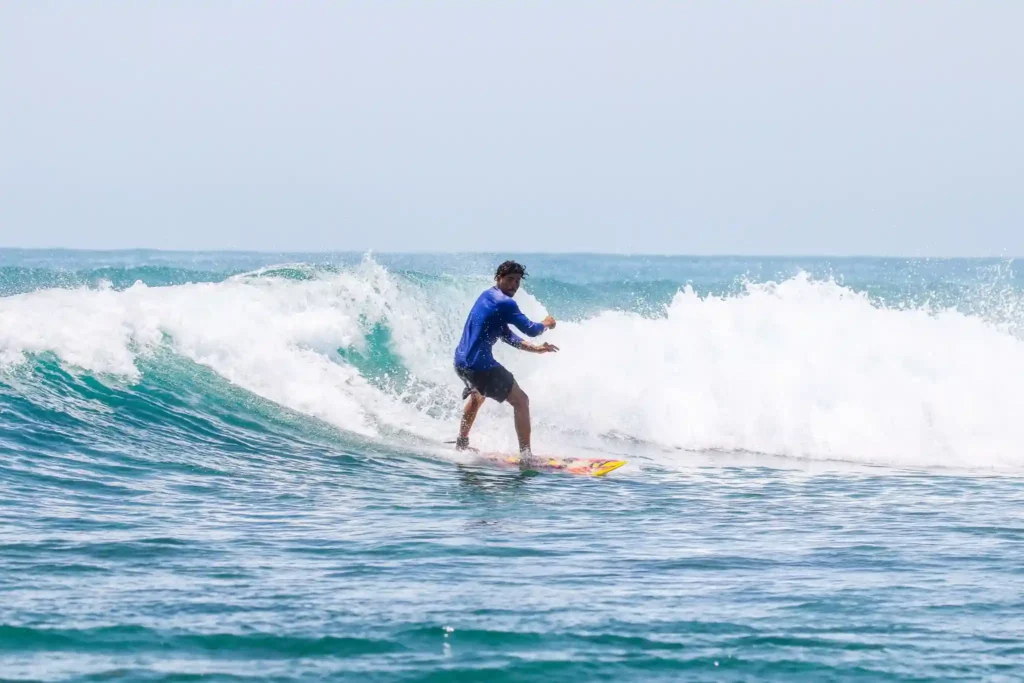
This might be the most surprising section for people who haven’t followed surf travel closely. Chabahar has a real, legitimate surf scene. The swells coming off the Gulf of Oman produce waves that attract intermediate and experienced surfers, particularly along the more exposed beaches south of the city.
Iran’s surf culture is still developing, but Chabahar is clearly at the center of it. The Iran Surfing Federation has recognized several spots in the area, and international surf travelers have begun documenting sessions here in recent years. There are no large surf schools yet, which means the lineup stays uncrowded even when conditions are good.
Beyond surfing, activities include:
- Kayaking in sheltered inlets and the Pozm cove area
- Snorkeling off rocky outcrops during calm periods
- Traditional fishing excursions arranged through local guides
- Boat trips to offshore islands, typically costing around 500,000 to 800,000 IRR per group
- Paddleboarding in calm coastal zones near the city
Can you surf at Chabahar Beach?
Yes. Chabahar Beach and nearby exposed shores receive consistent swells from the Gulf of Oman that are suitable for intermediate and advanced surfers. The Iran Surfing Federation has recognized the area, and the lineups remain uncrowded since the local surf scene is still developing.
Hidden Natural Attractions Near Chabahar
Most visitors don’t realize how much lies within a two-hour drive of the city. Consequently, they miss some of the most impressive scenery in all of Iran.
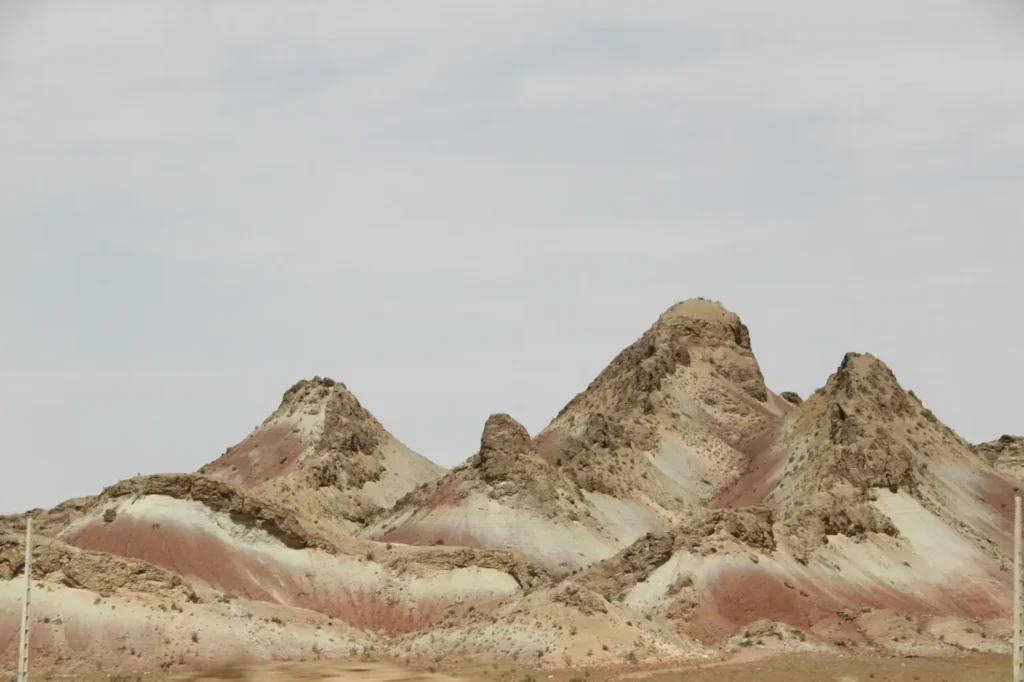
The Martian Mountains (Kooh-e Namak) are genuinely otherworldly. These grey-green mudstone hills, eroded into ridges and spires, look like a film set for a sci-fi movie. They’re about 45 minutes from the city and completely free to visit. Beyond that, Lipar Wetland is a protected wetland about 70 km west of Chabahar that hosts flamingos and dozens of other migratory bird species. The Iranian Department of Environment lists it as a protected zone, and it’s one of the few places in the country where you can see flamingos in the wild.
There’s also the ancient port of Tis, which served as a major maritime hub during the medieval Islamic period. Remains of the old city walls and a Seljuk-era mosque still stand near the coast, making the area interesting for travelers with a historical bent alongside beach interests.
Natural Attractions Near Chabahar
| Attraction | Distance | Type | Entry |
| Martian Mountains | ~45 km | Geological landscape | Free |
| Lipar Wetland | ~70 km | Protected bird habitat | Free |
| Tis Ancient Port | ~20 km | Historical coastline | Free |
| Offshore Islands | Boat from the port | Marine exploration | Boat hire cost |
| Ramin Cliffs | ~15 km | Rocky coastal scenery | Free |
Travel Tips for Visiting Chabahar in 2026
A few things that make a real difference in how smoothly the trip goes:
- Fly directly from Tehran Imam Khomeini or Mashhad, Iran Air and Mahan Air both operate routes
- Book accommodation at least two weeks ahead in the October–February peak season
- Carry cash in Iranian rials, as international cards don’t work in Iran
- Dress modestly and respect local norms, which in Chabahar lean toward Baluchi culture rather than typical Persian urban norms
- Hire a local guide for day trips outside the city; it’s affordable and significantly improves the experience
- Download offline maps before arriving, since internet access can be intermittent in remote coastal areas
Foreign nationals entering Iran need a valid visa, which for most nationalities must be arranged in advance through the Iranian Ministry of Foreign Affairs or via visa-on-arrival at major airports, depending on your passport. Always verify the latest entry requirements through your country’s foreign affairs ministry before booking.
Is Chabahar Beach Safe for Tourists Right Now?
Chabahar has a notably different security profile compared to other parts of Sistan-Baluchestan Province. The city itself is a designated Free Trade Zone, which has brought significant investment and a more stable economic environment than the surrounding rural areas. The Iranian government has actively promoted Chabahar as a tourism destination, particularly since the port’s international expansion began.
That said, the broader province does have areas with higher security sensitivity, and most travel advisories recommend staying on established tourist routes. As of early 2026, multiple European and Asian governments categorize Chabahar specifically as a lower-risk zone compared to inland parts of the province. Always check the current advisory from your government before traveling, since conditions can shift.
Is Chabahar Beach safe for tourists?
Chabahar city and its beach areas are generally considered safe for tourists, particularly compared to other parts of Sistan-Baluchestan Province. The city’s Free Trade Zone status has supported development and stability. Always check your government’s current travel advisory before visiting.
How the Iran War Situation Is Affecting Tourism in Chabahar
Regional tensions have created uncertainty for Iran tourism broadly since 2023, and Chabahar hasn’t been completely immune to that. However, the city’s geographic distance from the areas most affected by tensions in western and northwestern Iran means the direct impact on Chabahar has been limited.
Chabahar’s role as a major international port, with agreements involving India, Afghanistan, and Central Asian nations, gives it a level of diplomatic relevance that has generally insulated it from the worst disruptions affecting other parts of the country. Nevertheless, travel insurance covering political disruption is strongly recommended for any trip to Iran right now, regardless of destination.
Chabahar Port’s Strategic Importance During Regional Tensions
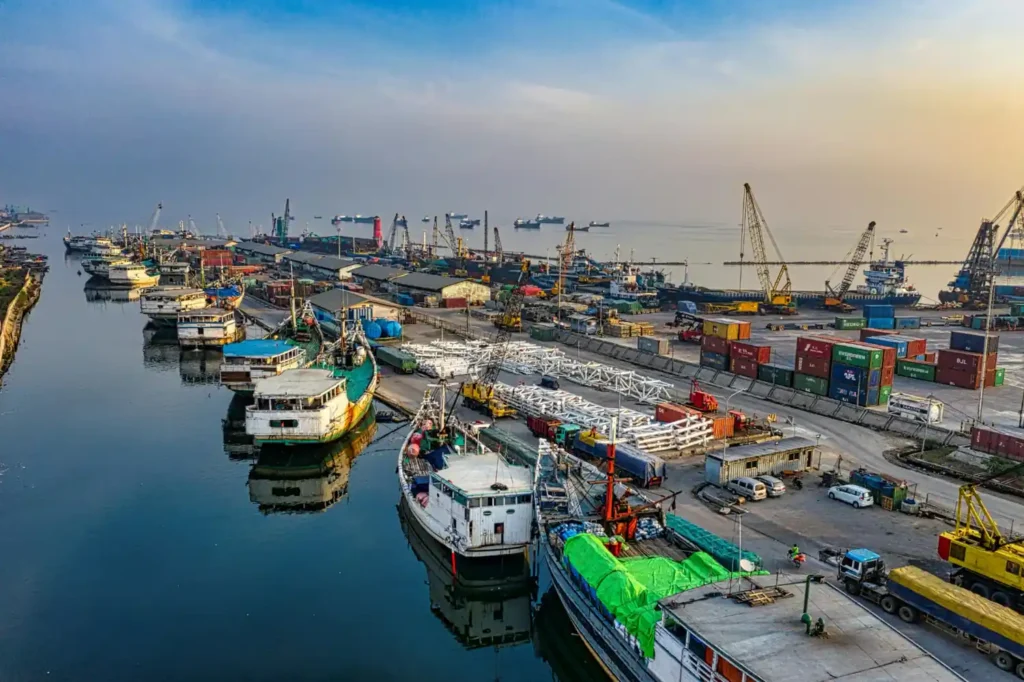
Chabahar Port is more than a tourist destination; it is one of the region’s most strategically important ports. India has heavily invested in the Shahid Beheshti terminal through official agreements with Iran to strengthen trade routes connecting South and Central Asia without passing through Pakistan.
This international importance has helped Chabahar remain relatively stable during regional tensions, as the port supports the economic interests of multiple countries. For travelers, this means the city continues to maintain reliable connectivity and commercial activity even during uncertain periods.
Why Chabahar Beach Is Becoming Popular Among Travelers Again
A growing number of travelers now prefer destinations that feel authentic and less commercialized. Chabahar matches this trend perfectly. As overcrowding affects famous tourist spots like Bali and Santorini, many travelers are searching for quieter places with real culture and natural beauty.
At the same time, domestic tourism in Iran has grown steadily, especially among visitors from Tehran and Isfahan who visit Chabahar for winter beach trips. This has improved roads, hotels, and restaurants while keeping the region’s original charm intact.
Travel photographers and experienced travel writers often describe Chabahar as one of Asia’s most unique coastal destinations. Its untouched landscapes and peaceful atmosphere are slowly gaining attention in independent travel communities.
Why Chabahar Beach Deserves a Spot on Your Travel List
Chabahar offers a very different experience from the typical image many travelers associate with Iran. Rather than crowded resorts or heavily commercialized beaches, the region is known for its dramatic coastal cliffs, peaceful shorelines, fresh seafood, and authentic local culture. Areas along the Makran Coast, including villages such as Tis and Ramin, give visitors a chance to experience a quieter and more traditional side of the country that remains largely untouched by mass tourism.
One of the strongest reasons travelers are becoming interested in Chabahar is its natural and cultural authenticity. Visitors can explore empty beaches, photograph unique sandstone formations during sunset, watch local fishing communities at work, and enjoy the warm hospitality of the Baluchi people. Unlike many famous coastal destinations that have become overcrowded, Chabahar still provides a calm and uncrowded atmosphere, making it especially appealing for photographers, nature lovers, surfers, and cultural travelers seeking a more genuine experience.
Based on growing regional tourism trends and recent travel coverage, Chabahar is also becoming easier to visit as infrastructure and tourism services continue to improve. New roads, better accommodations, and increased domestic tourism are gradually helping international travelers access the region more comfortably while the destination still maintains its raw beauty and local identity.
For travelers searching for a coastal destination that combines scenery, culture, and originality, Chabahar stands out as one of the most distinctive beach regions in the Middle East and South Asia. Whether the goal is photography, seafood, adventure, or discovering a lesser-known destination, Chabahar offers an experience that feels memorable, authentic, and refreshingly different from mainstream tourist beaches.
Frequently Asked Questions
Q1: Do I need a visa to visit Chabahar Beach?
Yes. Most international visitors need an Iranian visa, which can be arranged in advance through the Iranian Ministry of Foreign Affairs. Some nationalities qualify for a visa-on-arrival at Tehran or Mashhad airports. Always check the latest requirements with your country’s foreign affairs department before booking.
Q2: What is the best month to visit Chabahar?
November through February is the sweet spot. Temperatures are comfortable, the sea is calmer, and natural attractions like the Lipar Wetland flamingos are at their most active. December is particularly popular with domestic Iranian tourists.
Q3: Is there surfing at Chabahar Beach?
Yes. The Gulf of Oman produces real surf conditions, particularly at exposed beaches south of the city like Pasabander. The Iran Surfing Federation recognizes the area, and the lineups are generally uncrowded. Beginners should take caution as no formal surf schools operate on site.
Q4: What currency do I need in Chabahar?
Iranian Rials (IRR) or Tomans, which is the colloquial term for 10 rials. International cards don’t work in Iran due to sanctions, so you must carry sufficient cash from your home country or exchange it at the airport upon arrival.
Q5: Is Chabahar Beach suitable for families?
Yes, particularly for families with older children. Pozm Inlet and the city beach offer calmer swimming conditions. The open sea beaches like Ramin are better suited for adults and confident swimmers due to stronger currents.
Q6: What makes Chabahar different from other Iranian cities?
Chabahar sits in Baluchestan, a region with a distinct culture, language, and cuisine compared to Persian-dominated central Iran. The coastal setting, the seafood-forward food culture, the milder climate, and the proximity to remarkable natural landscapes all make it feel like a genuinely different travel experience even within Iran.