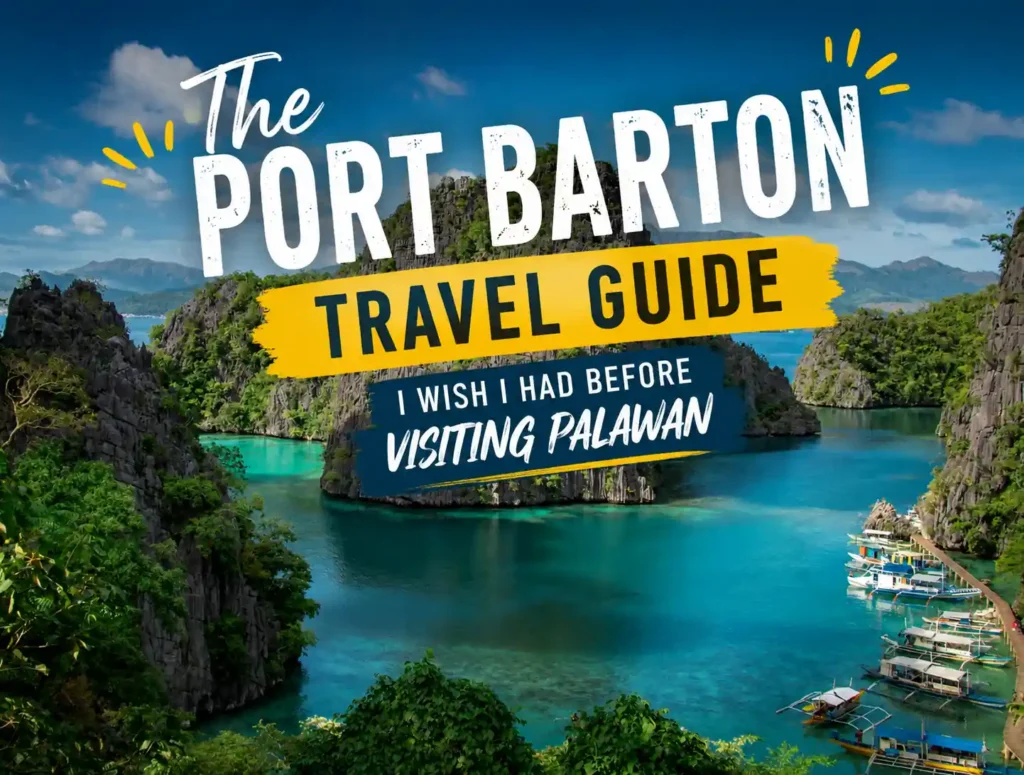
Port Barton is a small coastal town on Palawan’s west coast, sitting between Puerto Princesa and El Nido. This Port Barton travel guide covers the essentials: how to get there, where to stay, and which islands to visit without the crowds you’d find elsewhere. You can reach Port Barton by van from Puerto Princesa in about three hours, or by a rougher, more scenic road from El Nido.
The town itself is tiny, one main street, a stretch of beach, and a handful of guesthouses run by locals rather than big resort chains. From here, boat trips out to the surrounding islands cost a fraction of what you’d pay in El Nido, and you’ll often have the water to yourself. This Port Barton travel guide focuses on giving you exactly what you need to plan the trip well, without wasting time on filler you won’t use.
Why Port Barton Feels Different From the Rest of Palawan
Honestly? It’s the pace. The Department of Tourism of the Philippines has long promoted Palawan as a top eco-tourism destination, and Port Barton sits within the San Vicente municipality, one of the areas the local government has deliberately kept low-impact. There are no beach clubs here blasting music at noon. No hawkers following you down the main road.
What you do get is a coral-fringed bay, a proper white sand beach stretching in front of town, and about twelve restaurants that actually care about their food. The Long Beach of San Vicente, officially measured by the Philippine government at roughly 14.7 kilometers, is one of the longest undeveloped beaches in Asia, and it starts just a few kilometers up the coast. That alone says something about the kind of place this is.
I visited during the shoulder season and spent four days here. On the first evening, I sat at a beachfront table watching fireflies come out over the water. No soundtrack except the waves. That doesn’t happen at El Nido’s main beach anymore.
How to Get to Port Barton From Puerto Princesa

The most common route. From Puerto Princesa International Airport (PPS), which is the main entry point to Palawan and handled over 2.1 million passengers in 2023 according to the Civil Aviation Authority of the Philippines, you have two main options.
The first is a shared van, which departs from the San Jose terminal area near the public market. Journey time is roughly four to five hours, depending on road conditions and stops. The road through Roxas has improved significantly in recent years following national infrastructure investments, but it’s still not a smooth highway for the full stretch. Cost per person runs around 350 to 450 pesos.
The second option is a private van, which takes the same amount of time but gives you more flexibility for stops and is easier with luggage. Expect to pay 2,500 to 4,000 pesos for the full vehicle.
| Transport | From | Duration | Approx Cost |
| Shared Van | Puerto Princesa | 4–5 hours | 350–450 PHP/person |
| Private Van | Puerto Princesa | 4–5 hours | 2,500–4,000 PHP |
| Shared Van | El Nido | 3–4 hours | 400–500 PHP/person |
| Motorbike Habal-habal | Roxas town | 1.5–2 hours | 300–400 PHP |
Read more about van routes, travel costs, real journey times, and what independent travelers should know in our How to Get to Port Barton from Puerto Princesa Independent Traveler’s Guide.
How to Get to Port Barton From El Nido
This route takes three to four hours by shared van and involves a transfer through San Vicente. Some travelers go directly; others stop in San Vicente town for a night and check out Long Beach first. Either works.
There’s no direct bus service. Everything goes through vans, which fill up from designated terminals. Book a day ahead if you’re traveling during peak season (December to April), because vehicles fill fast and locals say missing the morning van means waiting until afternoon or haggling for a private ride.
Best Time to Visit Port Barton Without Regretting It Later
November through May is the sweet spot. The dry season (roughly November to April) brings calm seas, perfect island-hopping conditions, and manageable heat. Avoid June to October if island hopping is your priority, the southwest monsoon (habagat) can make boat trips impossible for days.
Read more about island hopping costs, crowd differences, nightlife, and which side of Palawan actually fits your travel style in our Port Barton vs El Nido Which Palawan Destination Should You Visit?
Best Time to Visit Port Barton
The Philippine Atmospheric, Geophysical and Astronomical Services Administration (PAGASA) classifies Port Barton’s climate as Type 3, meaning there’s no pronounced dry season, but the dry months are distinct. In practical terms, December through April gives you the most reliable weather, calmest seas, and the highest chance of uninterrupted island hopping.
May is a shoulder month, still generally good but with some afternoon showers starting. I went in late April and had one rainy morning out of four days. Everything else was flawless. June onward starts getting genuinely unpredictable, and some boat operators stop operating entirely during strong habagat.
The off-peak months from June to October do have advantages: accommodation prices drop, the few tourist crowds thin out even more, and you’ll likely be negotiating boat rates with more leverage. If you don’t care about island hopping and just want a quiet week by a beautiful bay, it actually works fine.
Port Barton Itinerary: 3 Days That Actually Feel Relaxed
Day 1: Arrive, settle in, beach evening
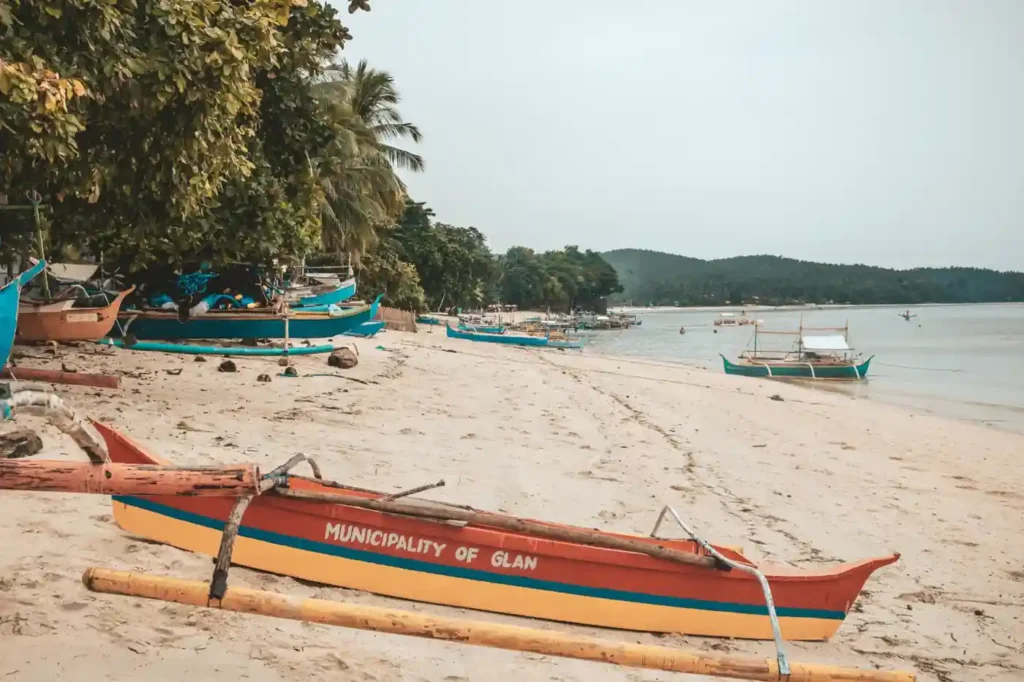
Don’t try to squeeze in an island-hopping tour the same day you arrive. If you’re coming from Puerto Princesa, you’ve been on a van for five hours. Drop your bags, eat something good, and walk the beach. Port Barton’s town beach at sunset is genuinely lovely, and people consistently underestimate it.
Day 2: Island Hopping
Book through your accommodation or directly with the boat association. The Port Barton Boat Owners and Operators Association (PBOOA) is the main organizing body and maintains set rates that give some price consistency. A full-day shared island hopping tour covering three or four stops typically runs 800 to 1,200 pesos per person, including snorkel equipment.
Read more about hidden islands, turtle snorkeling, boat tour costs, and local tips in our Port Barton Island Hopping Experience Based Guide to Palawan’s Lustrous Paradise.
Day 3: Long Beach and a slow day
Rent a motorbike or take a habal-habal to San Vicente and spend a few hours on Long Beach. The 14.7 km beach is honestly staggering in scale. Most of it is empty. Come back for a sunset beer in town and a final dinner somewhere good.
Port Barton Budget Travel Cost Breakdown
| Expense | Budget (PHP) | Mid-Range (PHP) | Notes |
| Accommodation/night | 400–800 | 1,200–2,500 | Dorms to private cottages |
| Meals (3x per day) | 250–400 | 500–900 | Local spots vs. tourist restaurants |
| Island Hopping (full day) | 700–900 | 1,200–2,000 | Shared vs. private boat |
| Transport (getting there) | 350–450 | 2,500–4,000 | Shared vs. private van |
| Daily incidentals | 100–200 | 300–600 | Drinking water, snacks, etc. |
Quick reality check:
Port Barton is one of the few places left in Palawan where you can still have a genuinely beautiful beach day without spending your entire budget on tours, transfers, and overpriced cafés.
A backpacker spending carefully can do Port Barton on 1,200 to 1,800 pesos per day, including accommodation, food, and activities. A couple in a mid-range cottage with private island hopping and proper dinners will spend closer to 5,000 to 7,000 pesos per day combined. Both are genuinely good value by Southeast Asian standards.
What are the best things to do in Port Barton besides island hopping?
Swimming on the town beach, visiting Long Beach in San Vicente, mangrove kayaking, snorkeling off the headlands, eating fresh seafood every night, and simply doing nothing in a hammock. Port Barton rewards slow travelers.
Read more about island hopping plans, hidden beaches, daily budgets, and how to spend 3 perfect days in our Port Barton Itinerary: Your Complete 3-Day Guide to Palawan’s Paradise.
Things to Do
- Kayak through the mangroves near the river mouth; half-day paddles are available through local guides
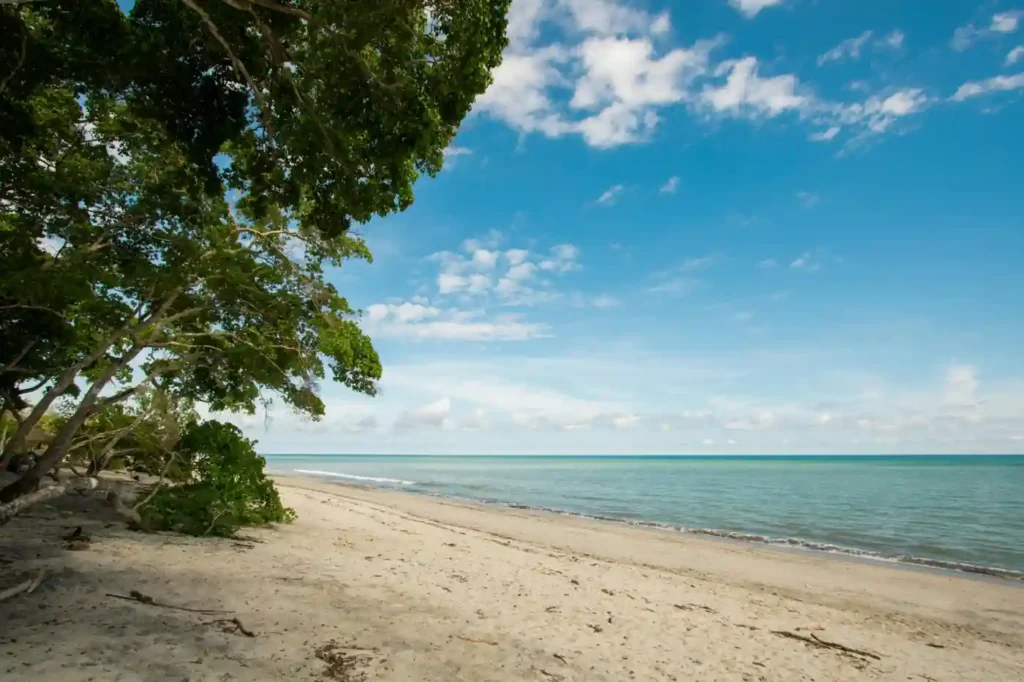
- Snorkel directly off the beach near the rocky headlands on the south end of town
- Visit Cawa-Cawa Beach, a short hike or boat ride away, and almost always empty
- Rent a motorbike and explore the road toward San Vicente through rice fields and fishing villages
- Eat at the same beachfront spot every night until you know the owner’s name, very much encouraged
- Catch a local fiesta if timing works out; barangay celebrations happen year-round and are genuinely welcoming to visitors
Read more about hidden beaches, island hopping spots, waterfalls, and slow travel experiences in our Port Barton Things to Do Travel Guide.
Port Barton Island Hopping Tour Guide for First-Timers
The standard tour covers three to five islands, depending on what you book. Popular stops include Exotic Island (Albaguen), German Island (Cañabungan), and Capsalay Island, which has one of the most photogenic lagoons in northern Palawan. Turtles are frequently spotted around the reef areas, which have been partially protected under the local Bantay Dagat (sea patrol) program run by the San Vicente municipality.
Shared boat tours are the norm. If you’re traveling solo or as a couple, you’ll join a group of up to ten people, typically. The boats are outrigger bangkas, and while they’re completely normal for Philippine island hopping, they’re not speedboats. Pack a dry bag for your phone. The PBOOA recommends booking at least a day ahead during peak season and sets routes that include proper life jackets on all vessels.
How much does island hopping in Port Barton cost?
A shared boat island hopping tour costs approximately 700 to 1,200 PHP per person, including snorkel gear. Private boat rental runs 3,500 to 5,500 PHP for the vessel. Rates are set by the local boat operators’ association.
Port Barton Beaches: A List Worth Saving
| Beach | Distance from Town | Best For | Crowd Level |
| Port Barton Town Beach | In town | Sunsets, evening walks | Low–Moderate |
| Cañabungan (German Island) | 20 min by boat | Snorkeling, swimming | Low |
| Exotic Island Beach | 25 min by boat | Picnics, clear water | Low |
| Long Beach, San Vicente | ~20 min by road | Space, photography | Very Low |
| Capsalay Island | 35–40 min by boat | Lagoon, sea turtles | Low |
Most travelers choose El Nido first.
But a surprising number quietly admit later that Port Barton was the place they actually enjoyed more. Less dramatic? Maybe. Less exhausting? Absolutely.
Read more about hidden coves, quieter beaches, island hopping routes, and where to escape the crowds in our Port Barton Beaches Peaceful Coves, Island Hopping & Vacation Guide.
Port Barton vs El Nido: Which One Is Actually Better?
This is the comparison every traveler asks eventually. The honest answer is that they’re doing different things, and the right choice depends entirely on what kind of trip you want.
El Nido is spectacular. The limestone karsts are genuinely world-class, and the Bacuit Archipelago consistently ranks in global “best beach” lists, including Condé Nast Traveler’s annual rankings, where El Nido regularly appears. But it has also grown significantly. The town has a plastic waste issue that local environmental groups are actively working to address, accommodation prices have risen sharply, and the island-hopping tours have become crowded enough that some spots feel like they need a queuing system.
Port Barton has none of El Nido’s drama, in both senses. The islands are less dramatic visually, but the experience is more personal. Locals say they’ve seen the pace change slowly over the past five years, but it’s still a place where fishermen outnumber tourists on most mornings. If you’ve already done El Nido, Port Barton is the obvious next step. If you’re choosing between them for a first Palawan visit, El Nido probably wins for sheer visual impact, but Port Barton wins for actually enjoying yourself.
Port Barton Hotels and Resorts: Every Budget Covered
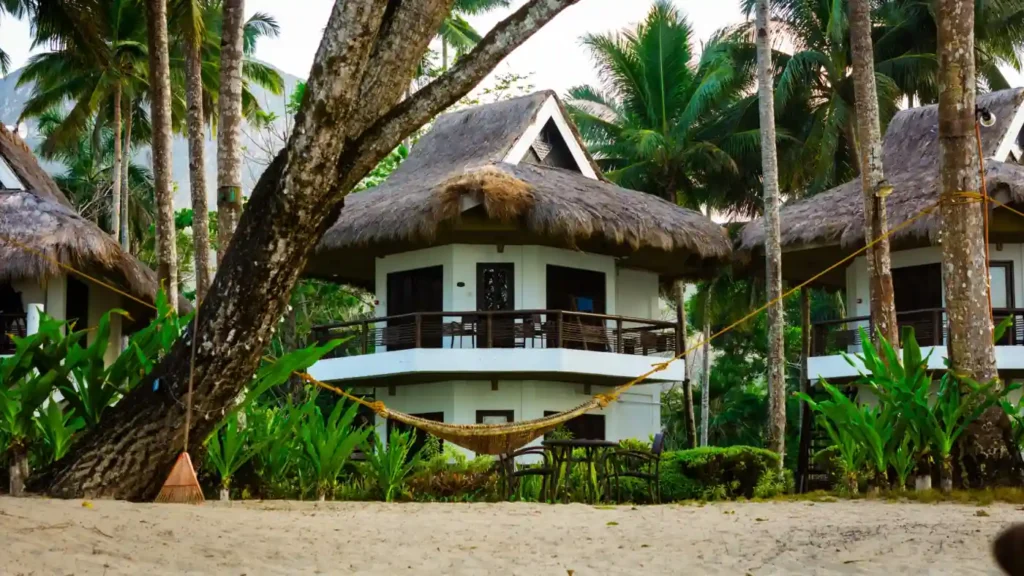
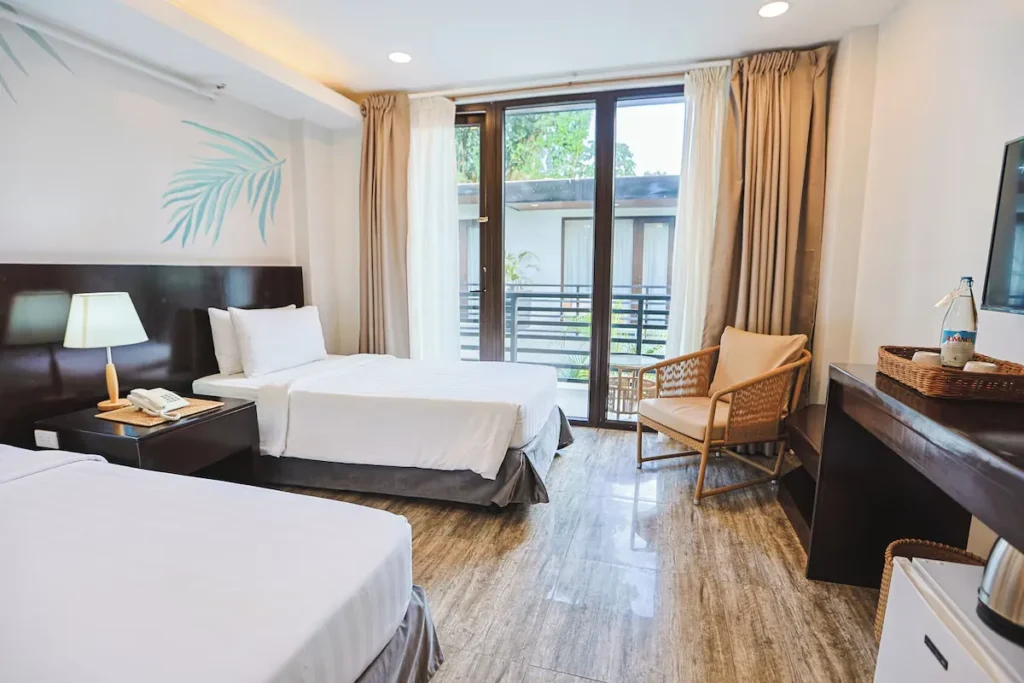
Accommodation in Port Barton ranges from fan-cooled dorm beds to beachfront cottages with sea views. There are no international chain hotels here, which is part of the appeal. Everything is small, family-run, and within a ten-minute walk of everything else.
- Budget dorms and basic rooms: 400–800 PHP/night. Expect a fan, a cold shower, and usually a decent view. Several guesthouses along the beach road fall in this range.
- Mid-range private cottages: 1,200–2,500 PHP/night. Most have air-conditioning, private bathrooms, and direct beach or garden access.
- Upper-range beachfront stays: 3,000–5,000 PHP/night. A handful of small resorts offer real comfort without leaving the laid-back Port Barton atmosphere.
Book ahead from November through April. The town has a limited number of beds, and good spots fill up quickly. Off-season, walk-ins are almost always possible.
Read more about beachfront cottages, budget stays, and peaceful seaside resorts in our Best Port Barton Hotels and Resorts Complete Stay Guide.What is Port Barton nightlife actually like?
Low-key and genuinely pleasant. A few beachfront bars stay open until around midnight with live acoustic music a few nights a week. There are no clubs. Evenings here are about cold beers, good conversation, and fireflies over the bay.
Port Barton Nightlife: What Evenings Really Look Like
Don’t come here expecting a party. Do come here expecting one of the more enjoyable evenings you’ll have anywhere in the Philippines. The town’s handful of beachfront bars, places like El Nido’s Lio setup but 10% of the size, are perfect for winding down. Some have fire pits. A couple of hosts live acoustic sets a few nights a week.
The eating is quietly excellent. Fresh seafood caught the same day is the standard rather than the exception. Locals running restaurants here have mentioned that quality is a point of local pride, and it shows. Grilled barracuda with garlic rice and a cold San Miguel is a reliable order anywhere along the main strip.
Read more about beachfront bars, acoustic nights, fire pits, and where evenings actually feel relaxed in our Port Barton Nightlife Best Bars, Beach Parties & Late-Night Eats.
Is Port Barton Safe for Tourists in 2026?
Yes. Port Barton is a small community where tourism is a main livelihood, and locals are genuinely invested in visitors having a good experience. The Philippine National Police has a barangay-level presence, and the local government has a community watch structure that keeps the area orderly.
Standard common-sense travel precautions apply. Don’t leave valuables unattended on the beach. Use reef-safe sunscreen, which is both an environmental responsibility and increasingly expected by local boat operators who follow DENR (Department of Environment and Natural Resources) guidelines on marine protected areas. The reefs here are actively maintained by local marine wardens, and it matters.
The water is generally safe for swimming near town in calm conditions. Always ask local boat operators about current conditions before swimming off islands, as currents between landmasses can be deceptive.
Read more about solo travel safety, scams to avoid, swimming conditions, and local tips in our Is Port Barton Safe for Tourists? Complete Safety Journal.
Port Barton WiFi and Internet: The Reality Check
Don’t expect fast island internet everywhere. This Port Barton WiFi & mobile data guide shows where the signal actually works, which SIM to buy, and what remote workers should know first.
It works, but not well. Mobile data through Globe or Smart is the most reliable option, and the signal is generally sufficient for messaging and basic browsing in the town center. Streaming and video calls are hit or miss. Some guesthouses advertise WiFi, but in practice, speeds are slow enough to be frustrating if you’re trying to work remotely.
The truth is that this is part of what makes Port Barton worth going to. The National Telecommunications Commission (NTC) has been working on improving connectivity in underserved areas of Palawan, but Port Barton isn’t on the priority list yet. Use the disconnection as a feature, not a bug.
Port Barton Entrance Fee and Local Rules
There’s a small environmental fee collected at the municipal level when you arrive, typically 50 to 100 pesos. This supports the local Marine Protected Area network managed by the San Vicente Local Government Unit (LGU), which covers several of the islands on the standard hopping tours.
Island-hopping passengers are also charged a per-island fee of around 50 to 100 pesos at some stops. This is normal and goes toward conservation efforts. Snorkeling is regulated in certain zones to protect coral from anchor damage, and local wardens are present at most protected reef areas.
No plastic bags in the water. No touching coral. Don`t feed fish. These aren’t just signs; boat operators enforce them, and locals care.
Port Barton Travel Tips for First-Timers
- Bring enough cash. There are no ATMs in Port Barton. The nearest reliable one is in Roxas town, which is an hour away. Bring more pesos than you think you need.
- Book your boat tour in person on arrival, not through a middleman app. You’ll get better information and fairer prices directly through the PBOOA desk in town.
- Pack reef-safe sunscreen only. This is both required by local rules and the right thing to do.
- Bring a power bank. Electricity in town occasionally dips during evenings, and accommodation chargers aren’t always reliable.
- Start your return van to Puerto Princesa early. The morning departure at 7–8 AM gets you to the city by early afternoon with time to spare before flights. Afternoon vans cut it close.
- Talk to your guesthouse owner about current conditions. They’ll know which islands had rough seas that week, which snorkel spots are clearest, and whether any fishing festivals are happening nearby.
Read more about why travelers skip El Nido crowds for the slower beaches, island hopping, and peaceful sunsets in our Port Barton Travel Guide The Untouched Paradise of Palawan.
Why Leaving Port Barton Feels Harder Than You Expect
Some destinations impress you for a day. Port Barton lingers long after you leave. Maybe it’s the quiet mornings by the water, the slow island hopping days, or the way evenings feel genuinely peaceful instead of performative. Whatever it is, this little fishing town has a way of making travelers slow down without even realizing it.
That’s what makes this Port Barton travel guide different from the usual tropical getaway advice. Port Barton isn’t about ticking attractions off a list. It’s about finding a calmer version of travel that still feels real. No giant crowds, no overdeveloped beaches, and no pressure to constantly “do more.” Just good food, warm locals, clear water, and enough quiet to finally breathe again.
If you’re planning a Palawan trip and wondering whether Port Barton is worth adding, the answer is simple: go before the rest of the world catches up to it.
Frequently Asked Questions
Q1: Is Port Barton worth visiting if I’ve already been to El Nido?
Yes, absolutely. Port Barton offers a completely different experience — quieter, more local, less commercialized. Many travelers who’ve done El Nido say Port Barton was the highlight of their Palawan trip, specifically because of how different it felt.
Q2: How many days do I need in Port Barton?
Three days is the minimum that feels worthwhile. Two days is possible, but rushed. Four or five days is genuinely comfortable and lets you combine island hopping, Long Beach, and some proper slow time.
Q3: Can I get to Port Barton without going through Puerto Princesa?
Yes. You can travel from El Nido via shared van to San Vicente. This takes three to four hours and works well as part of a Palawan loop itinerary.
Q4: Are the islands clean at Port Barton?
Generally yes. The local marine protected area program and active enforcement by the San Vicente LGU and barangay sea wardens have kept most of the key snorkeling islands in good condition. Bring your own trash bag anyway and pack out everything you bring in.
Q5: Is Port Barton good for solo travelers?
Very much so. Shared island hopping tours naturally bring solo travelers together, accommodation is affordable, and the town is small and easy to navigate safely. Solo female travelers specifically mention Port Barton as one of the more comfortable spots in the Philippines.
Q6: What’s the main street like in Port Barton?
One main road runs parallel to the beach with guesthouses, restaurants, and a few small shops on both sides. It takes about ten minutes to walk end to end. Everything you need is on or just off this road.