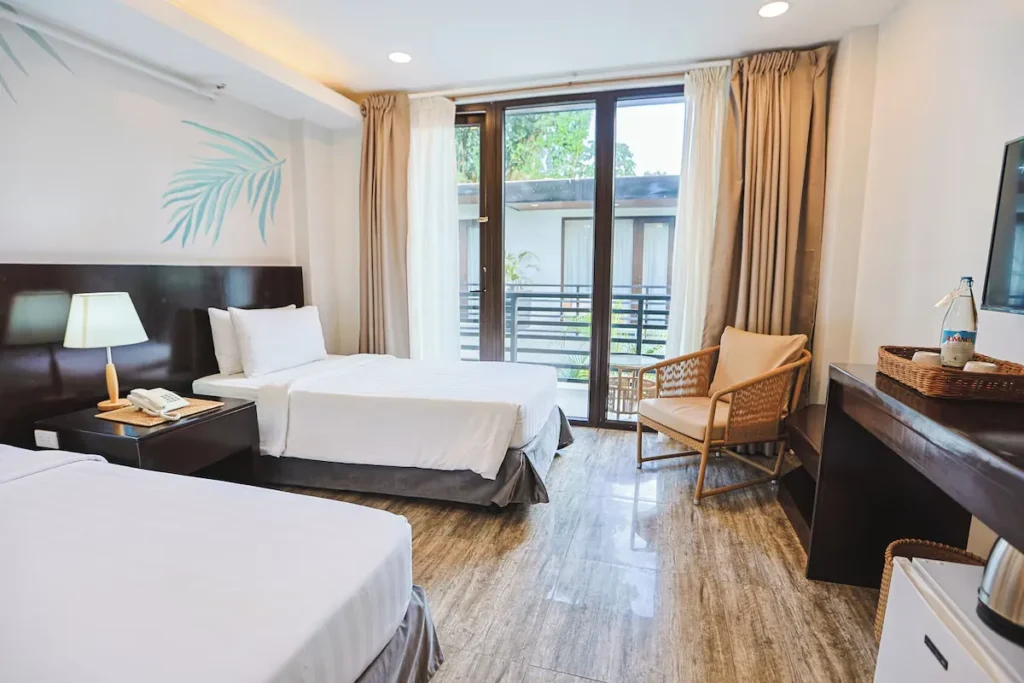
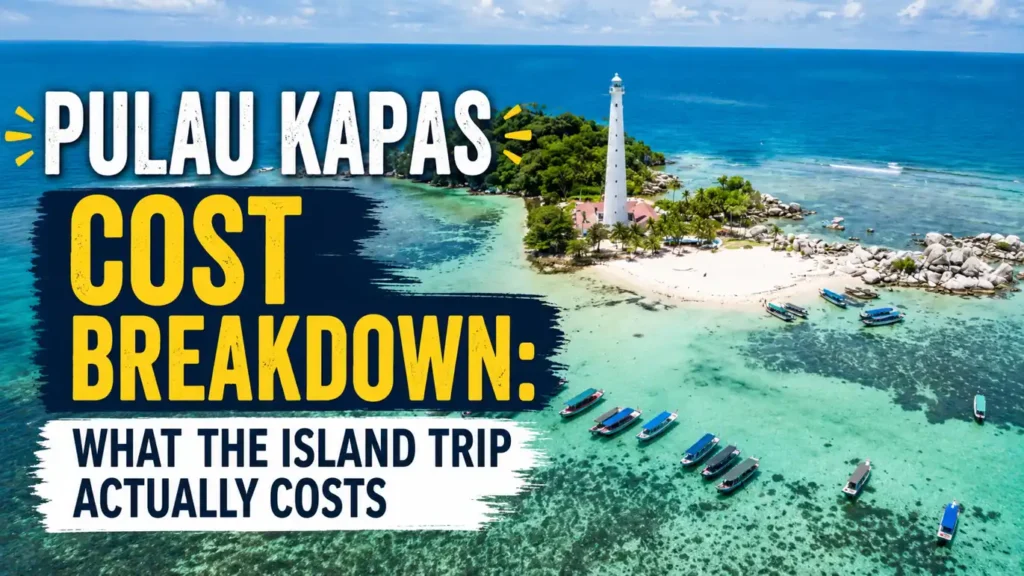
A full Pulau Kapas Cost Breakdown starts with the boat transfer, since that’s the one cost every visitor must pay. The speedboat from Marang jetty to Pulau Kapas usually costs between RM40 and RM50 for a return trip, and this price stays about the same no matter which resort or homestay you pick on the island. Once you land, there are no real entry fees, so most of your money goes toward food, snorkel gear rental, and a place to sleep if you stay overnight.
For a single day trip, the boat fare, a simple lunch, and snorkel gear can add up to around RM120, which matches what many budget travelers actually spend. This Pulau Kapas Cost Breakdown shows that the island rewards simple planning: pack light, share a boat with other travelers to split the fare, and eat at local food stalls instead of resort restaurants to keep your costs low.
Total Pulau Kapas Trip Cost at a Glance
Before diving into the details, here’s a quick snapshot of what a typical trip costs. These figures are based on real 2026 prices from licensed operators at Marang Jetty and accommodation providers on the island.
| Expense | Budget Traveler | Mid-Range | Family (4 pax) |
| Transport to Marang | RM25–35 (bus) | RM100–250 (flight) | RM200–500 (flight) |
| Boat (return) | RM35–45 | RM35–45 | RM140–180 |
| Accommodation/night | RM80–120 | RM200–350 | RM300–450 |
| Food (per day) | RM30–50 | RM60–90 | RM150–220 |
| Activities | RM35–60 | RM100–200 | RM200–400 |
| Daily Total (approx) | RM120–180 | RM300–450 | RM600–900 |
These are realistic starting points, not best-case scenarios. Prices during school holidays and public holidays can jump by 20 to 40 percent, which we’ll cover later.
One island feels calm and untouched. The other is full of energy, nightlife, and island hopping, here’s how to choose between Pulau Kapas and Perhentian.
How Much Does It Cost to Reach Pulau Kapas?
Getting to Pulau Kapas takes a bit of planning because the island sits roughly 6 kilometers off the coast of Marang, Terengganu. You have to reach the mainland first, then cross by boat.
Flight Costs to Kuala Terengganu
Sultan Mahmud Airport (TGG), managed by Malaysia Airports Holdings Berhad, is your closest air gateway. AirAsia and Malaysia Airlines both serve this route from Kuala Lumpur. One-way fares typically run between RM100 and RM250, depending on how early you book. I’ve seen last-minute fares hit RM350+, so booking at least three to four weeks ahead makes a real difference. The flight itself is only about 50 minutes.
From the airport, a cab to Marang town costs roughly RM50 to RM80, depending on whether you grab a metered taxi or negotiate a fixed rate. There’s no direct bus service between the airport and Marang that’s reliable enough to count on.
Bus Costs From Kuala Lumpur to Marang
If you’re on a tight budget, the overnight bus from TBS (Terminal Bersepadu Selatan) in Kuala Lumpur to Marang is a solid option. Operators like Transnasional and KKKL Express charge around RM25 to RM35 for this route. The journey takes five to six hours, depending on traffic. You arrive in Marang town, then it’s a short RM10 to RM15 ride to the jetty.
Taxi and Local Transport Expenses
Within Marang, there’s not much public transport. Most travelers grab a Grab car or flag down a local taxi. Jetty transfers from Marang town to Marang Jetty are short, usually under 5 minutes, and cost a fixed rate of RM10 to RM15. Budget RM20 to RM30 round trip just for local ground transfers.
Marang Jetty to Pulau Kapas Boat Fee
Quick Answer: How much is the boat from Marang to Pulau Kapas? The standard return boat fare from Marang Jetty to Pulau Kapas is RM35 to RM45 per person in 2026. Boats are operated by licensed local operators regulated by the Terengganu State Fisheries and Maritime Department. The crossing takes about 15 to 20 minutes, depending on sea conditions.
Most operators run scheduled departures from around 8 AM to 5 PM. Outside these hours, you’ll need to charter a private boat, which costs RM150 to RM200 for the whole boat regardless of passenger count. Always keep your return ticket, and confirm the last boat timing before you leave the jetty.
Pulau Kapas Accommodation Costs
Budget Chalets and Backpacker Stays
Quick Answer: What is the cheapest place to stay on Pulau Kapas? Budget chalets on Pulau Kapas start from around RM80 to RM120 per night for a basic fan room with an attached bathroom. Options like Kapas Beach Chalet and Qimi Chalet are popular with backpackers for their beachfront location and no-frills setup. These fill up fast during weekends and holidays, so early booking genuinely matters here.
Mid-Range Beach Resorts
Mid-range resorts like Primula Kapas Island Resort offer air-conditioned rooms, better beds, and some beach facilities. Expect to pay RM200 to RM350 per night. These resorts also include basic Wi-Fi, though connection quality on the island is limited regardless of where you stay. Tourism Terengganu officially lists over 10 licensed accommodation providers on the island.
Family-Friendly Stay Options
Families generally do better booking a chalet with a separate bedroom or a resort package that includes meals. Package deals that bundle two nights’ stay with breakfast and dinner can bring per-person costs down to RM200 to RM300 for a family of four. A few chalets offer family rooms from RM250 to RM350 per night.
How early should you book Pulau Kapas accommodation?
Book at least four to six weeks ahead for school holidays and three to seven days ahead for regular weekends. The island has very limited rooms overall.
Is It Better to Book Early?
Absolutely yes. Pulau Kapas has a limited number of rooms overall, probably fewer than 200 beds across the entire island. During Malaysian school holidays, which the Ministry of Education Malaysia schedules in December, June, and March, everything books out weeks in advance. Off-peak weekday stays are your best shot at lower rates and quieter beaches.
Learn more about Pulau Kapas, the quiet Malaysian island travelers keep falling in love with before the crowds eventually catch on.
Food Prices on Pulau Kapas
Average Breakfast, Lunch, and Dinner Costs
Food on the island costs more than on the mainland, which is normal for any island destination. Most meals come from small guesthouses or simple beach restaurants. Here’s a realistic breakdown:
| Meal | Budget Option | Mid-Range | Notes |
| Breakfast | RM5–10 | RM12–18 | Nasi lemak, toast, eggs |
| Lunch | RM10–18 | RM20–35 | Rice meals, noodles |
| Dinner | RM15–30 | RM35–60 | Fish, veg, rice set |
| Drinks | RM3–8 | RM8–15 | Teh tarik, coconut water |
| Daily food total | RM35–65 | RM75–120 |
Cheap Local Food vs Tourist Cafes
The cheapest meals come from the chalets themselves. Many budget places serve set meals for RM10 to RM15 that include rice, a protein, and vegetables. These are honestly solid values. The few beach cafes with printed menus and nicer seating charge noticeably more, sometimes double for the same food. If you’re watching your budget, eat where the staff eats.
Seafood Prices on the Island
Fresh fish and prawns are available, but they’re not as cheap as you might expect. A grilled fish (ikan bakar) starts from around RM18 to RM25, depending on size. Prawns and squid dishes run RM25 to RM45. Local fishermen supply the island daily, and quality is generally good. That said, for serious seafood feasts, Marang town on the mainland offers much better value and a wider selection.
How much does snorkeling cost at Pulau Kapas?
Snorkeling trips around Pulau Kapas and nearby Pulau Gemia cost RM35 to RM50 per person. Most boat operators at the jetty on the island run organized snorkeling trips twice daily. Equipment rental is usually included.
Activity Costs in Pulau Kapas
Snorkeling Trip Prices
The surrounding waters fall under the Terengganu Marine Park, managed by the Department of Marine Parks Malaysia (Jabatan Taman Laut Malaysia), which means visibility and coral health are actively protected.
Kayak and Paddleboard Rentals
Kayaks rent for RM15 to RM25 per hour. Paddleboards are similar, around RM20 to RM30 per hour. A few resorts include non-motorized water equipment in their room packages, so it’s worth asking before you pay separately.
Jungle Trekking Expenses
The jungle trail across the island is free. It connects the main beach on the west to the quieter eastern side, taking roughly 20 to 30 minutes one way. There are no guides required for this trail, though the Terengganu Forestry Department advises visitors to wear proper shoes and avoid the trail during and after heavy rain.
Diving Packages and Certification Costs
| Diving Option | Price (RM) | Includes |
| Fun dive (2 dives) | RM150–200 | Equipment, guide |
| PADI Open Water Course | RM900–1,200 | Full certification |
| PADI Advanced Open Water | RM1,000–1,300 | 5 specialty dives |
| Equipment rental only | RM40–80 per session | BCD, regulator, wetsuit |
Dive operators on Pulau Kapas follow PADI Malaysia standards. There are two or three certified dive centers on the island. Worth noting, visibility around Kapas can hit 15 to 20 meters on good days, which genuinely rivals better-known dive spots in Malaysia at a fraction of the price.
Daily Budget Breakdown for Different Travelers
How much does a full day on Pulau Kapas cost?
| Traveler Type | Accommodation | Food | Activities | Daily Total |
| Backpacker (solo) | RM80 chalet | RM40 | RM35 snorkeling | RM155–180 |
| Couple (mid-range) | RM280 resort | RM100 | RM100 combined | RM380–480 |
| Family of 4 | RM350 family room | RM200 | RM200 combined | RM750–900 |
Hidden Costs Travelers Often Forget
Cash Withdrawal and ATM Issues
There are no ATMs on Pulau Kapas. None. This is the one that catches the most unprepared travelers. Bring enough ringgit for your entire stay plus a comfortable buffer. The nearest ATM is back in Marang town. Bank Negara Malaysia recommends carrying RM50 to RM100 per person per day as a general cash buffer for cash-heavy destinations like island resorts.
WiFi and Mobile Data Costs
Wi-Fi quality on the island is inconsistent at best. Most accommodations offer free Wi-Fi, but don’t rely on it for video calls or large uploads. A local SIM card with a data plan from Maxis, Celcom, or U Mobile costs RM10 to RM30 and gives you better control. Coverage from the Marang coastal cell towers reaches the island, so a signal exists, just not consistently.
When do Pulau Kapas prices go up?
Prices rise noticeably during Malaysian school holidays (December, June, and March), weekends, and public holidays.
Extra Charges During Peak Season
Accommodation can cost 30 to 50 percent more. Boat departures also fill up faster. The Malaysian Association of Tour and Travel Agents (MATTA) consistently advises travelers to book peak-season island trips at least a month ahead.
Best Time to Visit Pulau Kapas on a Budget
The island is officially closed during the northeast monsoon season, typically from November to February or early March. The Malaysian Meteorological Department tracks monsoon patterns across the South China Sea, and Terengganu is one of the most affected coastal states. During this closure period, all accommodations and boat services shut down completely.
The sweet spot for budget travelers is April to June and September to October. You get decent weather, lower prices, and noticeably fewer people. July and August are still good weather-wise, but tend to be busier with domestic tourists.
Money-Saving Tips for Pulau Kapas
- Travel mid-week instead of weekends. Prices and crowd levels both drop.
- Book accommodation directly with the chalet rather than through booking platforms. You often get better rates.
- Pack your own snacks and drinks from Marang town. Island prices run 20 to 30 percent higher than mainland prices.
- Ask about package deals at the accommodation. Many chalets bundle breakfast, dinner, and activities for cheaper than paying separately.
- Confirm your return boat time early each morning. Missing the last boat means an unplanned overnight stay.
Is Pulau Kapas Worth the Cost in 2026?
Honestly, yes. Without question. Pulau Kapas gives you something most Malaysian beach destinations can’t anymore: genuine quiet. The island is small enough that even on a busy weekend, it never feels like Langkawi or the Perhentians in peak season. You get clean water, good coral, proper silence, and a beach that hasn’t been overdeveloped.
For a solo backpacker, a two-night trip including transport from Kuala Lumpur runs roughly RM500 to RM700 all-in. Hard to beat for an island this clean and peaceful. For couples and families, costs scale up, but the value holds, especially compared to Bali or Phuket for similar experiences.
Final Thoughts on Planning a Pulau Kapas Budget Trip
The biggest takeaway from this Pulau Kapas cost breakdown is simple: this island is still accessible, still beautiful, and still affordable if you plan. Bring cash, book early during holidays, eat where the locals eat, and confirm your boat schedule. Do those four things, and you’ll spend less than expected on one of the nicest island trips in Peninsular Malaysia.
Check current accommodation availability through Tourism Terengganu’s official portal and confirm monsoon dates with the Malaysian Meteorological Department before finalizing your travel window.
Frequently Asked Questions
Q1: What is the average total cost of a Pulau Kapas trip from Kuala Lumpur?
A complete two-night trip from Kuala Lumpur, including bus or budget flight, boat fare, accommodation, food, and activities, typically costs RM400 to RM700 per person for budget travelers and RM800 to RM1,400 for mid-range.
Q2: Is Pulau Kapas cheaper than the Perhentian Islands?
Generally yes. Accommodation on Pulau Kapas tends to run 15 to 25 percent cheaper than comparable stays on Pulau Perhentian Kecil. Boat fares are also lower. However, Perhentian offers more diving options and larger resort facilities.
Q3: Are there any entrance fees for Pulau Kapas?
There is no formal island entrance fee. However, marine park snorkeling trips sometimes include a small conservation levy of RM5 per person, collected by the Department of Marine Parks Malaysia to support reef conservation.
Q4: Can I use credit cards on Pulau Kapas?
Most small chalets and warung-style restaurants are cash only. Larger resorts may accept cards, but you should not rely on them. Bring enough Malaysian ringgit for your entire stay before leaving the mainland.
Q5: How far in advance should I book for a peak season visit?
For school holidays in June and December, book accommodation at least four to six weeks ahead. Weekday visits during the off-peak period of April to June can usually be booked one to two weeks out.
Q6: Is the island suitable for non-swimmers?
Yes. The main beach is sheltered and has calm, shallow water close to shore. Non-swimmers can enjoy the island through beach walks, snorkeling with a lifejacket provided by operators, kayaking, and jungle trekking.