Mirissa Beach Entrance Fee and Rules and The Truth That Saves Your Trip
The Mirissa Beach entrance fee and rules are easy to understand: there is no entrance fee, because the beach is open and free for everyone. However, you should still know a few simple Mirissa Beach entrance fee and rules before you visit, because some things near the beach do cost money, and a few local rules can affect your trip if you don’t know them. Knowing this early helps you plan a smooth, stress-free day in Mirissa.
Unlike some paid coastal attractions in Asia, Mirissa has stayed refreshingly open. According to the
According to theSri Lanka Tourism Development Authority, public beaches across the country, including Mirissa, are classified as open-access areas, meaning no ticket booth, turnstile, or government fee applies. That said, this doesn’t mean the whole experience is free; boat trips, gear rentals, and parking spots are run by private operators who set their own prices, and it pays to know these before you get there.
When Do You Need to Pay: Mirissa Beach Entrance Fee and Rules Explained
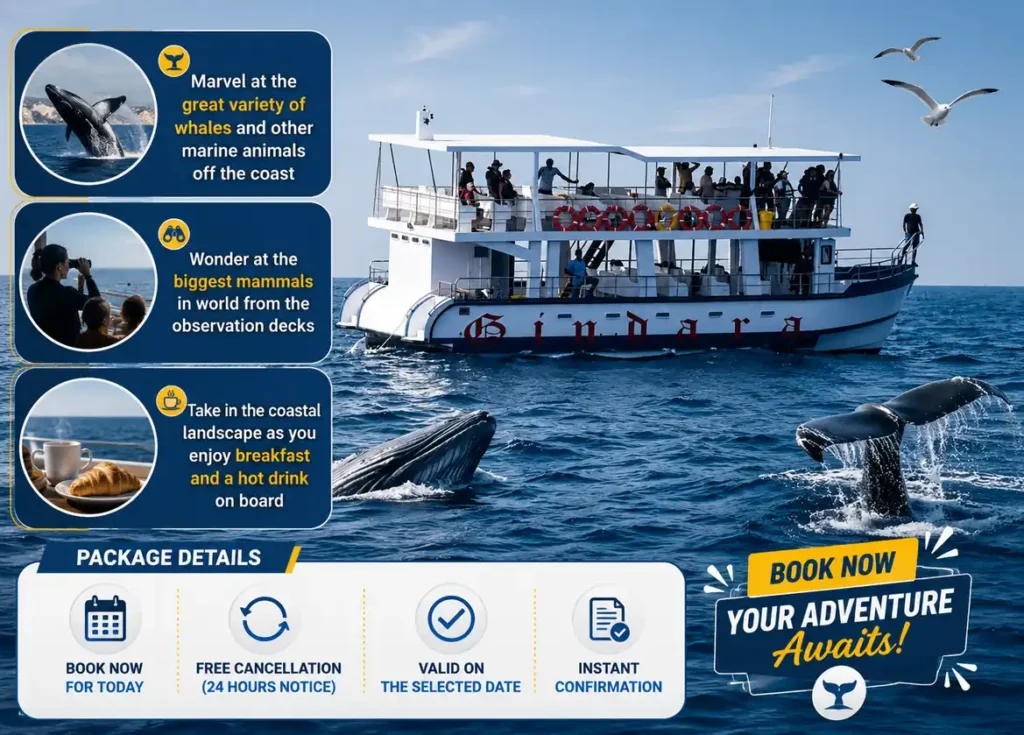
You don’t pay anything to walk onto Mirissa Beach or watch the sunset from Parrot Rock. You do pay for whale-watching boat trips (roughly LKR 5,000–10,000), surf lessons, sunbed rentals, snorkeling gear, and vehicle parking near busy stretches. So while there’s no official Mirissa Beach entrance fee and rules do exist, most of them concern behavior and safety rather than money.
Because it’s public land, the beach technically never locks its gates, but here’s when you’ll actually want to visit.
Time of Day
Hours
Best For
Daily access
Open 24 hours
No official closing time
Recommended visit window
6:00 AM – 9:00 PM
Safety, visibility, and food stalls open
Whale watching departures
6:00 AM – 7:30 AM
Calmest seas, best sightings
Main Rules Every Visitor Should Follow
Even without a formal entry fee, Mirissa runs on a set of common-sense rules that locals genuinely expect visitors to respect. Ignoring them won’t get you fined most of the time, but it can get you into real trouble in the water or with the local community.
Swimming and Water Safety Rules
Swim only in areas without visible rocks or reef, especially near Parrot Rock where currents run stronger.
Avoid swimming alone after dark since the beach has minimal lighting and no lifeguard coverage at night.
Check with beachside staff about rip currents before entering the water, particularly outside the November-to-April calm season.
Beach Etiquette and Responsible Tourism Tips
Keep noise reasonable near guesthouses, since much of Mirissa’s shoreline sits close to residential homes.
Dress modestly once you step off the sand and into the town, as Sri Lanka is a conservative country outside tourist zones.
Support local, family-run beach shacks rather than skipping straight to large chain resorts.
Rules for Surfing and Other Water Sports
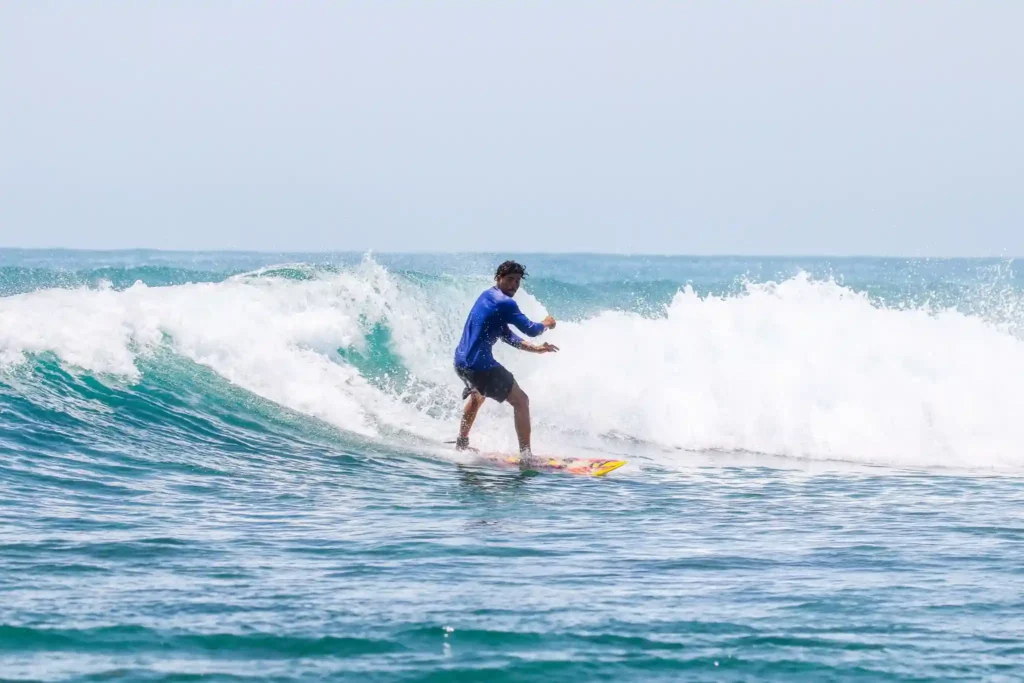
Surfing is genuinely popular here, and beginner-friendly waves make it tempting to just paddle out. However, right-of-way rules still apply, meaning the surfer closest to the breaking wave has priority. Booking lessons through established schools rather than freelance instructors on the sand is also the safer, more reliable route.
Wildlife Protection Guidelines
Whale and dolphin watching draws huge crowds, and that’s exactly why boat operators are expected to follow guidelines set by the Department of Wildlife Conservation Sri Lanka, which include keeping a safe distance from marine mammals and limiting the number of boats surrounding a single whale.
Choosing a licensed operator who follows these standards genuinely protects the animals and improves your odds of an ethical, memorable sighting.
Can You Bring Food, Drinks, and Pets?
Bringing your own snacks and water is completely fine, and honestly encouraged, since beachside prices can climb during peak season. Glass bottles are best avoided on the sand for safety reasons, and while alcohol is sold openly at beach bars, public drunkenness isn’t well received in this laid-back but still traditional community.
Pets are technically allowed, but there are no designated pet areas, so keep dogs leashed and clean up after them if you bring one along.
Parking Fees and Vehicle Access
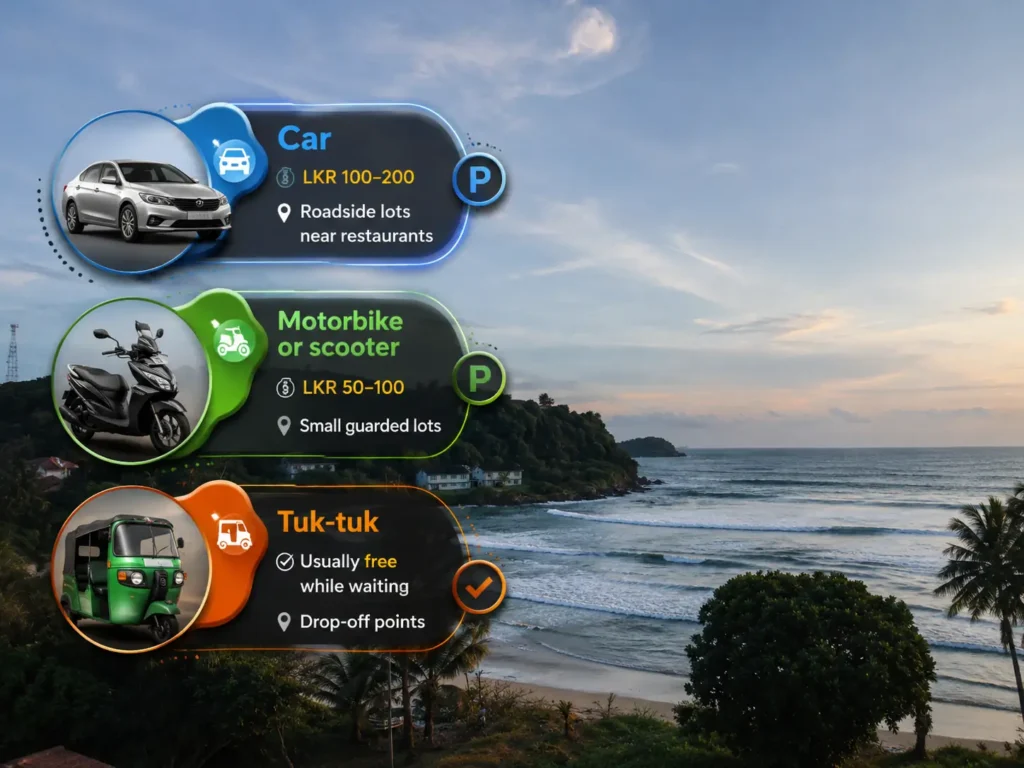
If you’re driving or renting a scooter, here’s what parking typically costs along the main beach road.
Vehicle Type
Approx. Fee
Where
Car
LKR 100–200
Roadside lots near restaurants
Motorbike or scooter
LKR 50–100
Small guarded lots
Tuk-tuk
Usually free while waiting
Drop-off points
Photography and Drone Rules
Casual photos and videos are unrestricted, so feel free to capture that famous Coconut Tree Hill shot. Drones, though, fall under stricter oversight. The Civil Aviation Authority of Sri Lanka requires registration and, in many cases, prior approval for drone flights, and this applies to popular coastal spots like Mirissa too.
Casual tourists flying small drones briefly over open beach rarely run into issues, but commercial filming absolutely needs proper clearance.
Are Drones Allowed at Mirissa Beach?
Featured snippet answer: Yes, drones are generally allowed for personal, non-commercial use, but flying near crowds, hotels, or Parrot Rock during busy hours isn’t recommended. Commercial drone footage legally requires registration and approval beforehand.
Common Mistakes Visitors Should Avoid
Assuming whale watching is included in accommodation — it’s always a separate, paid booking.
Leaving valuables unattended on the sand while swimming.
Visiting during rough monsoon months (May–September) expecting calm swimming conditions.
Skipping sun protection, since the equatorial sun here is far stronger than it feels.
Booking the cheapest, unlicensed boat tour without checking safety equipment or reviews.
Tips for a Hassle-Free Visit
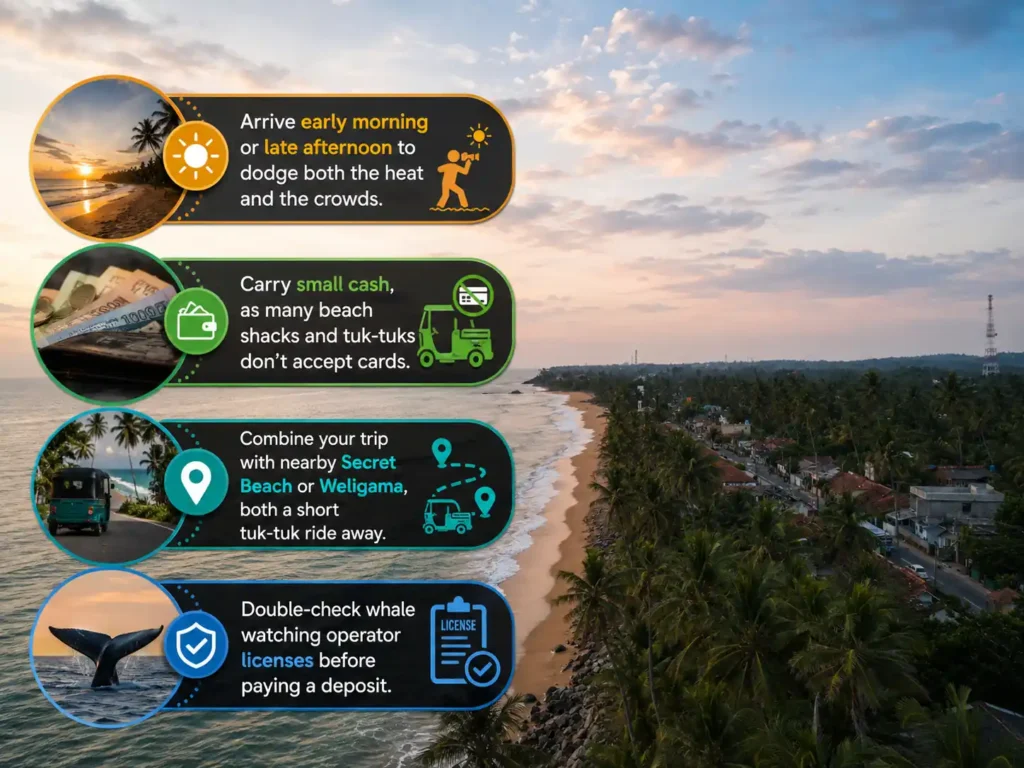
Arrive early morning or late afternoon to dodge both the heat and the crowds.
Carry small cash, as many beach shacks and tuk-tuks don’t accept cards.
Combine your trip with nearby Secret Beach or Weligama, both a short tuk-tuk ride away.
Double-check whale watching operator licenses before paying a deposit.
So, Is Mirissa Beach Really Free? Here’s the Final Word
At the end of the day, the Mirissa Beach entrance fee and rules story is a simple one: the sand, the sunsets, and the walk out to Parrot Rock will never cost you a rupee. What actually shapes your experience isn’t a ticket price; it’s whether you know where the real costs hide (boats, gear, parking) and whether you respect the handful of safety and etiquette rules locals genuinely care about. Get those two things right, and Mirissa delivers exactly what it promises: golden beaches, good waves, and some of the best whale watching on Sri Lanka’s south coast, without a single gate standing in your way.
FAQs About Mirissa Beach Entrance Fee and Rules
Is there an entrance fee for Mirissa Beach?
No. Mirissa Beach is public and completely free to enter at any time.
Do I need to pay for parking near Mirissa Beach?
Yes, small parking fees of roughly LKR 100–200 for cars and LKR 50–100 for motorbikes are common near the main beach road.
What time does Mirissa Beach close?
It never officially closes, but visiting between 6:00 AM and 9:00 PM is safest and most enjoyable.
Is Secret Beach in Mirissa also free to visit?
Yes, Secret Beach nearby has no entrance fee either, though facilities there are minimal.
Do I need a permit to go whale watching in Mirissa?
Tourists don’t need a personal permit; licensed tour operators already hold the required approvals.
We spend countless hours creating free travel guides to help you discover the world's best beaches. If you choose to book through our links, you support BeachyNest at no extra cost to you.